Why Does My Left Side Hurt? Symptoms You Shouldn’t Ignore 2026
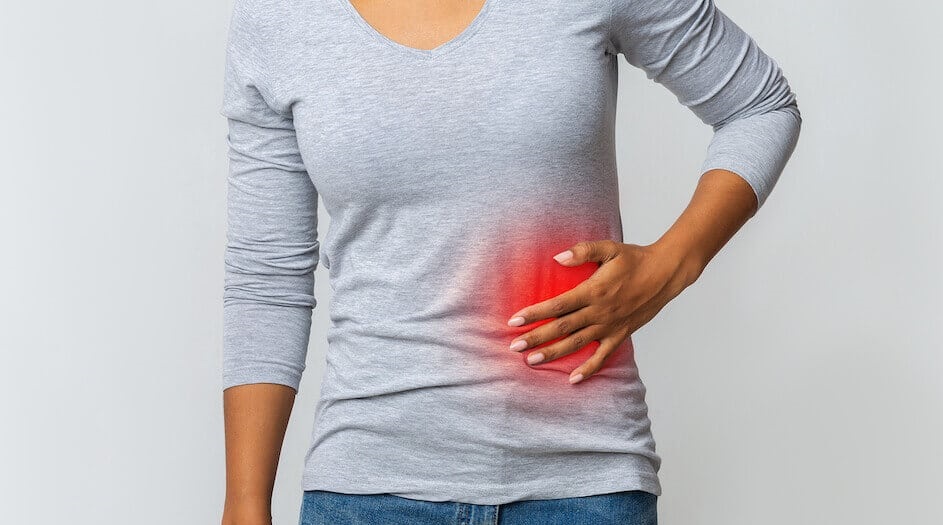
Why does my left side hurt is a question that sends millions of people searching for answers every year, and the answer is never one-size-fits-all.
Left side pain can come from your heart, lungs, kidneys, spleen, stomach, colon, pancreas, muscles, or reproductive organs — all of which sit on or refer pain to the left side of your body.
Some causes are harmless, like trapped gas or a minor muscle strain. Others are genuine medical emergencies, like a heart attack, ruptured spleen, or aortic dissection.
Knowing the difference between a symptom you can manage at home and one that needs immediate emergency care is exactly what .
Organs on the Left Side of Your Body
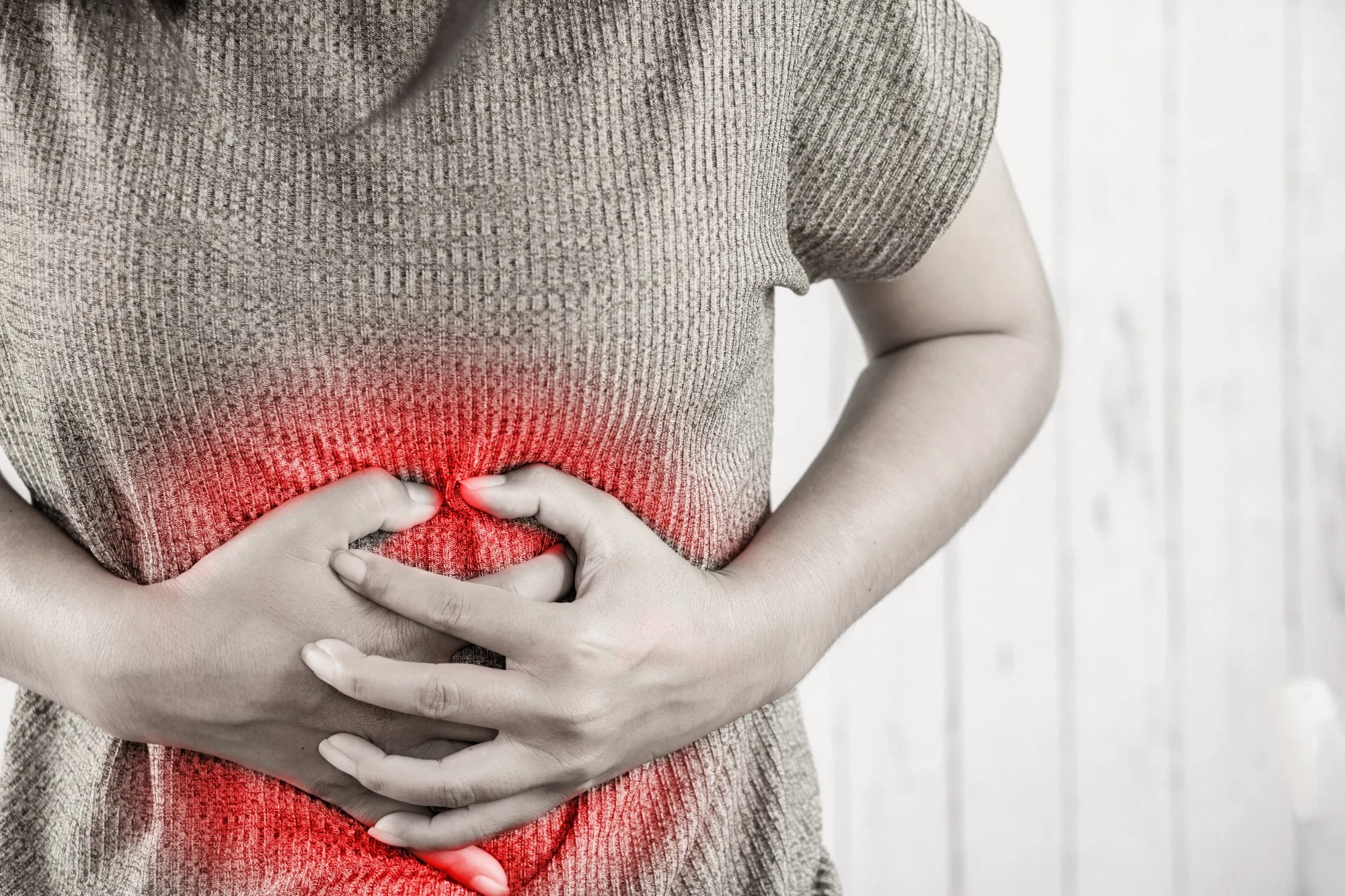
Understanding which organs sit on your left side is the foundation for diagnosing left side pain. Your body is not symmetrical — several critical organs are positioned primarily or entirely on the left.
Upper left side (above the belly button): Heart, left lung, stomach, spleen, pancreas (tail), left kidney (partially), and the left lobe of the liver.
Lower left side (below the belly button): Descending colon, sigmoid colon, left ureter, left ovary and fallopian tube in women, and part of the bladder.
Left back and flank: Left kidney, left adrenal gland, and the muscles of the left back and spine.
Pain does not always originate exactly where you feel it. Referred pain — discomfort that is felt in one area but caused by a problem in another — is common on the left side of the body and can make self-diagnosis genuinely difficult.
How Doctors Categorize Left Side Pain
Medical professionals use four quadrant terminology to localize pain quickly:
| Quadrant | Location | Key Organs |
|---|---|---|
| Left Upper Quadrant (LUQ) | Above belly button, left of midline | Heart, stomach, spleen, pancreas tail, left kidney, left lung base |
| Left Lower Quadrant (LLQ) | Below belly button, left of midline | Descending colon, sigmoid colon, left ovary, left ureter |
| Left Flank | Left side of the back, under lower ribs | Left kidney, left adrenal gland |
| Left Chest | Chest wall, left of sternum | Heart, left lung, pericardium, left ribs |
When describing pain to a doctor, knowing which of these zones your pain sits in dramatically speeds up diagnosis.
1. Muscle Strain or Injury
The most common and least concerning cause of left side pain is a strained or pulled muscle. The muscles running along the left side of the torso, back, and abdomen are involved in nearly every movement you make.
Lifting something heavy, twisting awkwardly, coughing forcefully, or overexerting during exercise can all cause small tears or spasms in these muscles. The pain typically feels sharp when you move and dull or achy at rest.
Muscle strain pain worsens with specific movements — bending, twisting, or deep breathing — and improves with rest and anti-inflammatory medication. It does not cause fever, nausea, or changes in digestion. Those additional symptoms point to something deeper than a muscle issue.
Fix it: Rest, ice for the first 48 hours, then gentle heat, and over-the-counter NSAIDs like ibuprofen. Most muscle strains resolve in 3 to 7 days.
2. Trapped Gas and Indigestion
Gas buildup in the descending colon — which runs down the left side of the abdomen — is one of the most common causes of left side abdominal pain. It can feel surprisingly sharp and localized, causing genuine concern until the gas passes.
The pain from gas is typically cramp-like, comes and goes in waves, and is often accompanied by bloating, belching, or the urge to pass gas. It almost never radiates to the back, chest, or jaw. It resolves fairly quickly on its own or with a short walk, gentle abdominal massage, or simethicone.
Persistent indigestion that causes left side pain after every meal could indicate gastritis, a peptic ulcer, or gastroesophageal reflux disease (GERD), all of which warrant a doctor’s evaluation.
3. Kidney Stones (Left Kidney)
The left kidney sits tucked behind the stomach and partially under the lower left ribs, toward the back. When a kidney stone forms and tries to pass through the left ureter, the pain it produces is among the most severe a person can experience.
Kidney stone pain typically begins in the left flank — the area between the lower left ribs and the hip — and radiates forward toward the lower left abdomen, groin, and sometimes the inner thigh. According to Northwell Health, the pain migrates as the stone moves through the urinary tract, starting high near the kidney and eventually reaching the groin region.
The pain from kidney stones comes in intense waves, unlike the steady ache of a muscle strain or kidney infection. Other classic signs include nausea, vomiting, blood in the urine, and pain during urination.
Key warning sign: If fever develops alongside flank pain, this indicates a kidney infection or infected stone — both of which require urgent medical care the same day.
4. Kidney Infection (Pyelonephritis)
A kidney infection is a urinary tract infection that has traveled from the bladder up into the left kidney. Unlike a simple UTI, kidney infections cause systemic symptoms that can become dangerous if untreated.
Left-sided kidney infection causes a persistent ache in the left flank and back, typically accompanied by fever, chills, nausea, and a burning sensation when urinating. Women are approximately 30% more likely to develop kidney infections than men, according to GBC Health data.
Unlike kidney stone pain, infection-related kidney pain tends to be constant rather than wave-like. Fever is the distinguishing symptom that separates a kidney infection from a stone.
Do not try to manage a suspected kidney infection at home. It requires prescription antibiotics and sometimes hospitalization if sepsis is developing.
5. Diverticulitis
Diverticulitis is one of the most common causes of lower left abdominal pain in adults over 40. It occurs when small pouches (diverticula) that form along the wall of the colon become inflamed or infected.
Because diverticula most commonly form in the sigmoid colon — which runs through the lower left abdomen — pain is almost always felt on the lower left side. The pain tends to be constant rather than cramping, and worsens over hours to days.
The National Institute of Diabetes and Digestive and Kidney Diseases identifies the classic presentation as sudden or progressive lower left abdominal pain accompanied by fever, nausea, constipation, or diarrhea.
Mild diverticulitis is managed at home with a liquid diet, rest, and oral antibiotics. Severe cases with abscess formation, perforation, or obstruction require hospitalization and sometimes emergency surgery.
Diverticulitis vs IBS pain — key differences:
| Feature | Diverticulitis | IBS |
|---|---|---|
| Pain location | Consistent lower left | Variable, often lower left or center |
| Fever | Common | Not typical |
| Onset | Progressive over hours | Triggered by stress or food |
| Bowel changes | Constipation or diarrhea | Alternating constipation and diarrhea |
| Severity | Often severe | Mild to moderate |
| Emergency risk | High if untreated | Low |
6. Irritable Bowel Syndrome (IBS)
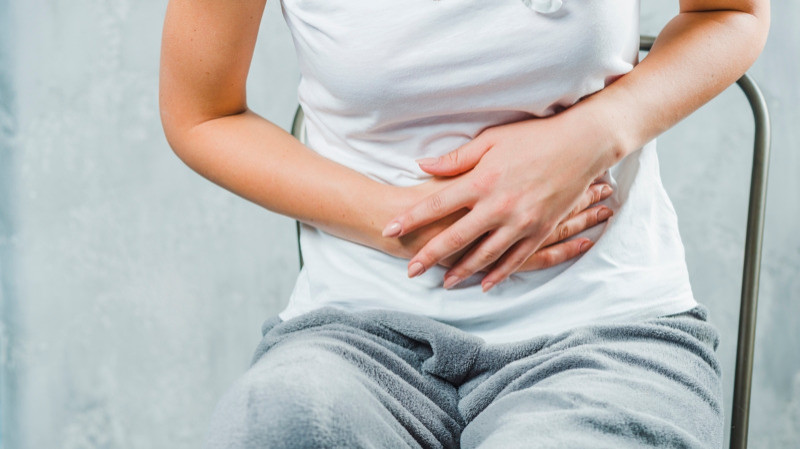
IBS is a chronic functional bowel disorder that causes recurring abdominal pain, bloating, and changes in bowel habits without any structural damage to the colon. Left side pain is a common complaint among people with IBS because of gas accumulation and spasms in the descending colon.
According to Geisinger Health, factors like food, stress, and hormonal changes can trigger IBS episodes, causing cramps, pain, bloating, diarrhea, and constipation in varying combinations.
IBS pain typically improves after a bowel movement, worsens during periods of stress or after certain foods, and does not cause fever or significant weight loss. Those additional symptoms should prompt investigation for inflammatory bowel disease (IBD) rather than functional IBS.
7. Heart Attack and Cardiac Causes
Left side chest pain is the symptom most people associate with heart attacks, and for good reason — the heart sits primarily on the left side of the chest, and cardiac pain characteristically radiates to the left arm, left jaw, neck, and back.
Cleveland Clinic identifies the hallmark feeling of a heart attack as heaviness, pressure, or squeezing in the chest — particularly in men. Women more frequently experience atypical symptoms including upper abdominal pain, jaw pain, nausea, extreme fatigue, and back pain without prominent chest pressure.
According to GBC Health research, nearly 20% of heart attacks present with atypical symptoms, including upper abdominal pain, which can easily be mistaken for digestive issues on the left side.
Call 911 immediately if left side pain is accompanied by:
- Squeezing, crushing, or pressure in the chest
- Pain spreading to the jaw, left arm, back, or neck
- Sudden shortness of breath
- Cold sweating or clamminess
- Nausea or lightheadedness
- Irregular or racing heartbeat
Do not drive yourself to the hospital if you suspect a heart attack. Call emergency services immediately.
8. Pericarditis and Other Cardiac Conditions
Beyond heart attacks, several other cardiac conditions cause left side chest and upper left abdominal pain. Pericarditis is inflammation of the sac surrounding the heart. Angina is chest pain from reduced blood flow to the heart muscle during stress or exertion. Aortic dissection — a tear in the wall of the aorta — causes sudden, tearing chest or back pain and is a life-threatening emergency.
Pericarditis pain is often sharp, improves when sitting forward, and worsens when lying down or taking a deep breath. This positional pattern distinguishes it from a heart attack but still requires urgent medical evaluation.
9. Spleen Issues: Enlargement and Rupture
The spleen sits in the upper left abdomen, tucked under the left ribs. Its primary jobs include filtering blood and supporting the immune system. When the spleen becomes enlarged or ruptures, it causes left side pain that is unmistakably felt under the left rib cage.
An enlarged spleen (splenomegaly) can occur due to viral infections like mononucleosis, blood disorders like leukemia, liver disease, or inflammatory conditions like rheumatoid arthritis. It causes a dull aching fullness under the left ribs and early satiety when eating.
A ruptured spleen is a medical emergency. It typically follows blunt trauma to the abdomen — a sports injury, car accident, or fall — though it can occasionally rupture spontaneously in a severely enlarged spleen. The rupture can occur immediately or days after the initial injury.
Signs of a ruptured spleen requiring emergency care:
- Sudden, severe left upper abdominal pain after trauma
- Pain radiating to the left shoulder (Kehr’s sign)
- Dizziness, fainting, or signs of internal bleeding
- Rapid heart rate and low blood pressure
- Abdominal rigidity or guarding
10. Pancreatitis
The pancreas stretches across the upper abdomen, with its tail sitting on the left side. When the pancreas becomes inflamed — a condition called pancreatitis — it causes severe left upper abdominal pain that typically radiates to the back.
Pancreatitis pain is usually constant, intense, and worsens after eating or drinking alcohol. It is often accompanied by nausea, vomiting, and fever. Chronic pancreatitis from repeated episodes can lead to permanent damage and malabsorption.
Acute pancreatitis is a medical emergency requiring hospitalization, IV fluids, pain management, and fasting to rest the pancreas. Do not attempt to manage suspected pancreatitis at home.
11. GERD and Stomach Ulcers
Gastroesophageal reflux disease (GERD) occurs when stomach acid repeatedly flows back into the esophagus, causing a burning sensation that can be felt in the left side of the chest and upper abdomen. Cleveland Clinic notes that GERD pain ranges from burning to sharp and is typically worse after eating, lying down, or eating large meals.
Stomach ulcers are open sores in the stomach lining, often caused by H. pylori bacterial infection or overuse of NSAIDs. They produce upper left abdominal pain that may be better or worse after eating depending on the ulcer’s location. Untreated ulcers can bleed, perforate, or obstruct, all of which require emergency surgery.
Signs a stomach ulcer has become dangerous:
- Sudden, severe stomach pain that does not ease
- Vomiting blood or material that looks like coffee grounds
- Black, tarry, or bloody stools
- Rapid pulse and signs of shock
12. Pleurisy and Pulmonary Embolism
The left lung sits within the left chest, and conditions affecting it can cause sharp, breathing-related left side pain. Pleurisy is inflammation of the membrane lining the lungs, causing chest pain that worsens sharply with every breath.
A pulmonary embolism — a blood clot in a pulmonary artery — causes sudden onset shortness of breath, chest pain, and sometimes left-sided discomfort. It is a life-threatening emergency requiring immediate anticoagulation therapy.
Shingles, caused by reactivation of the varicella-zoster virus, can cause intense one-sided pain on the left chest or torso before any rash appears. According to Geisinger Health, early detection dramatically reduces the severity and duration of a shingles outbreak — so reporting unexplained one-sided burning pain to your doctor is important even without a visible rash.
13. Female-Specific Causes of Left Side Pain
Women have additional anatomy on the left side that can produce significant pain. These causes are important to recognize alongside the general causes listed above.
Ovarian cysts: Fluid-filled sacs on the left ovary that cause dull, aching left pelvic pain, sometimes radiating to the lower left back. Ruptured cysts cause sudden, severe pain requiring emergency evaluation.
Ectopic pregnancy: A fertilized egg implanted in the left fallopian tube causes sudden, sharp left pelvic or lower abdominal pain. This is a life-threatening emergency. Any sudden pelvic pain in a person of reproductive age with a missed period requires immediate medical evaluation.
Endometriosis: Tissue similar to the uterine lining grows outside the uterus on the left side, causing chronic left pelvic pain that worsens before and during menstruation.
Menstrual cramps: Uterine contractions during menstruation cause lower left and right abdominal pain and cramping. This is normal unless the pain is severe enough to disrupt daily activities, which may indicate endometriosis or fibroids.
Pelvic inflammatory disease (PID): Infection of the reproductive organs causes pelvic pain, fever, and vaginal discharge. Without treatment, PID can cause infertility and chronic pelvic pain.
14. Costochondritis
Costochondritis is inflammation of the cartilage connecting the ribs to the breastbone (sternum). It is one of the most common causes of left-sided chest pain and closely mimics the sensation of a heart attack.
According to GBC Health, approximately 70% of costochondritis cases cause pain on the left side of the chest. The key distinguishing feature is that the pain worsens with specific movements — taking a deep breath, coughing, pressing on the chest wall, or twisting the torso. Heart attack pain does not typically change with these movements.
Costochondritis is diagnosed by ruling out cardiac causes first. Once confirmed, it is managed with rest and anti-inflammatory medication and typically resolves within weeks.
15. Sciatica
Sciatica occurs when the sciatic nerve, which runs from the lower spine down through the buttock and leg, is compressed — most commonly by a herniated disc. When the compression occurs on the left side, it produces a characteristic shooting, burning, or pins-and-needles pain radiating from the lower left back down the left leg.
Sciatica pain can sometimes manifest primarily in the left side of the lower back and hip without prominent leg symptoms in early stages, making it potentially confusable with kidney or colon pain.
According to Medical News Today, sciatica typically improves on its own within a few weeks with rest, gentle movement, and over-the-counter pain relief. Persistent or worsening sciatica, or sciatica accompanied by loss of bladder or bowel control, requires urgent medical attention.
Referred Pain: Why Your Left Side Hurts Even When the Problem Is Elsewhere
Referred pain is a concept that confuses many people experiencing left side discomfort. It means that you feel pain in one location while the actual problem is in a completely different organ.
The most important examples of referred pain on the left side:
| Source of Problem | Where Pain Is Felt |
|---|---|
| Heart attack | Left chest, left arm, jaw, upper abdomen |
| Ruptured spleen | Left shoulder (Kehr’s sign) |
| Kidney stones | Flank → lower abdomen → groin |
| Pancreatitis | Upper left abdomen → back |
| Diaphragm irritation | Left shoulder tip |
| Colon/bowel obstruction | Diffuse left abdomen |
| Pelvic infection | Lower back, hips, thighs |
Understanding referred pain explains why a doctor never relies on pain location alone to make a diagnosis. The full clinical picture — including associated symptoms, onset, duration, and aggravating factors — always matters.
Pain Location as a Diagnostic Guide
While referred pain complicates things, the location of your left side pain is still a valuable starting point.
| Pain Location | Most Likely Causes |
|---|---|
| Upper left under ribs | Heart, spleen, stomach, GERD, pancreatitis, left lung |
| Lower left abdomen | Diverticulitis, IBS, kidney stone, ovarian cyst, hernia |
| Left flank (back, under ribs) | Kidney stone, kidney infection, muscle strain |
| Left chest | Heart attack, pericarditis, pleurisy, costochondritis, GERD |
| Left pelvic area (women) | Ovarian cyst, ectopic pregnancy, endometriosis, PID |
| Left side radiating to back | Pancreatitis, kidney stone, aortic dissection |
| Left side with leg symptoms | Sciatica, herniated disc |
Emergency Red Flags: When Left Side Pain Means Call 911
Some combinations of left side pain and symptoms are genuine medical emergencies. Do not wait, do not drive yourself — call 911 or have someone take you to the emergency room immediately.
Call emergency services right now if your left side pain is accompanied by:
- Chest pressure, squeezing, or heaviness spreading to the arm or jaw
- Sudden severe pain with cold sweating, nausea, or fainting
- Breathing difficulty or sudden shortness of breath
- Blue or pale skin, lips, or fingernails
- Blood in urine, stool, or vomit
- Sudden severe abdominal pain with a rigid abdomen
- Dizziness, confusion, or rapid drop in blood pressure
- Left shoulder pain following any abdominal trauma (possible ruptured spleen)
- Severe pain in a pregnant person with vaginal bleeding
Symptoms That Warrant a Same-Day Doctor Visit
Not all concerning left side pain is a 911 emergency. These symptoms mean you need to be seen today — not next week:
- Fever above 38.5°C (101.3°F) with abdominal or flank pain
- Left side pain that has been progressively worsening over 24 to 48 hours
- Pain severe enough to prevent normal movement or sleep
- Persistent nausea and vomiting alongside left abdominal pain
- Burning or painful urination with left flank or back pain
- Unexplained weight loss with recurring left side pain
What a Doctor Will Do to Diagnose Left Side Pain
When you describe left side pain to a doctor, they follow a structured diagnostic process designed to identify the cause efficiently.
Typical diagnostic pathway:
History taking: When did it start, where exactly, does it radiate, what makes it better or worse, what other symptoms accompany it.
Physical examination: Palpation of the abdomen, percussion of the flanks, auscultation of the lungs and heart, assessment of bowel sounds.
Blood tests: Complete blood count (CBC) to detect infection or anemia, metabolic panel for kidney and liver function, lipase for pancreatitis, troponin for cardiac involvement.
Urinalysis: Identifies blood, bacteria, or crystals pointing to kidney stones or infection.
Imaging: Abdominal ultrasound as a first-line tool, CT scan for more detailed visualization of the abdomen and pelvis, chest X-ray for lung and cardiac assessment, ECG for cardiac electrical activity.
Specialist referral: Depending on findings, gastroenterology, cardiology, urology, or gynecology may be involved.
Frequently Asked Questions (FAQs)
Why does my left side hurt under my ribs?
Pain under the left ribs commonly comes from the heart, spleen, stomach, left kidney, or left lung. Causes range from GERD and trapped gas to pancreatitis and heart attack — and severity varies enormously based on accompanying symptoms.
Can left side pain be a sign of a heart attack?
Yes. Heart attack pain is classically felt on the left side of the chest and can radiate to the left arm, jaw, back, or upper abdomen. Call 911 immediately if chest pressure, shortness of breath, or sweating accompanies left side pain.
What causes sharp left lower abdominal pain?
Sharp lower left abdominal pain most commonly indicates diverticulitis, kidney stones, ovarian cysts in women, muscle strain, or trapped gas in the descending colon. Sudden, severe sharp pain always warrants urgent evaluation.
Why does my left side hurt when I breathe?
Pain that worsens with breathing usually indicates a chest wall problem such as pleurisy, costochondritis, or a rib injury. A pulmonary embolism also causes breathing-related chest pain and is a medical emergency requiring immediate care.
Could left side pain be a kidney problem?
Yes. The left kidney sits in the left flank behind the lower ribs. Kidney stones produce severe, wave-like flank pain radiating toward the groin, while kidney infections cause constant dull flank pain with fever and urinary symptoms.
What female conditions cause left side pain?
Ovarian cysts, ectopic pregnancy, endometriosis, pelvic inflammatory disease, and menstrual cramps all cause left pelvic and lower abdominal pain specifically in women. Sudden severe left pelvic pain in pregnancy is a medical emergency.
Is left side pain after eating serious?
Pain after eating points to digestive causes like GERD, gastritis, peptic ulcers, or pancreatitis. If the pain is severe, persistent, or accompanied by vomiting and fever, seek medical attention the same day rather than waiting.
How do I know if left side pain is muscular or internal?
Muscle strain worsens with specific movements like bending or twisting, has no fever or digestive symptoms, and improves with rest. Internal organ pain tends to be constant, may be accompanied by fever, nausea, or changes in urination, and does not respond simply to position changes.
When should I go to the ER for left side pain?
Go immediately if pain is severe and sudden, accompanied by chest pressure, shortness of breath, sweating, blood in urine or stool, fever, signs of internal bleeding, or if it follows abdominal trauma. Any doubt is reason enough to go.
Can stress cause left side pain?
Yes. Stress and anxiety trigger IBS flares, increase stomach acid leading to GERD and gastritis, cause muscle tension in the back and torso, and can produce functional abdominal pain. However, never assume stress is the cause without ruling out structural causes first.
Conclusion
Why does my left side hurt is a question with a wide spectrum of answers — from a pocket of trapped gas to a life-threatening heart attack — and knowing where your pain sits on that spectrum genuinely matters.
The left side of the body houses critical organs including the heart, left lung, spleen, stomach, pancreas, left kidney, and descending colon, each capable of producing pain that ranges from mildly uncomfortable to immediately life-threatening.
Location matters, but associated symptoms matter even more.
Fever, shortness of breath, radiation to the jaw or arm, blood in urine or stool, and sudden severe onset are the warning signs that demand emergency action.
For everything else, a careful symptom journal and a timely doctor’s appointment will point you in the right direction.
Never ignore persistent, worsening, or unusual left side pain — your body is communicating something worth listening to.