Why Does My Pinky Toe Hurt? Common Causes Explained 2026
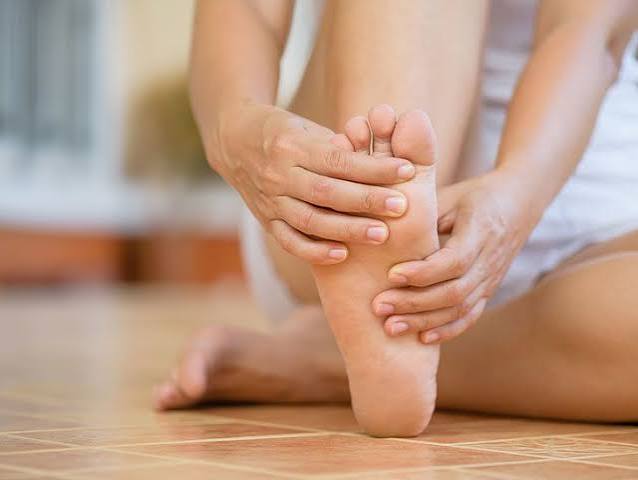
The pinky toe is small, but pain there can affect every step you take. If you keep asking why does my pinky toe hurt, the cause usually comes down to pressure, injury, or a structural change in the foot.
Because the fifth toe sits along the outer edge of the foot, it’s especially exposed to friction from shoes and impact from bumps. Some causes resolve on their own, while others need a podiatrist’s evaluation.
Why Does My Pinky Toe Hurt?
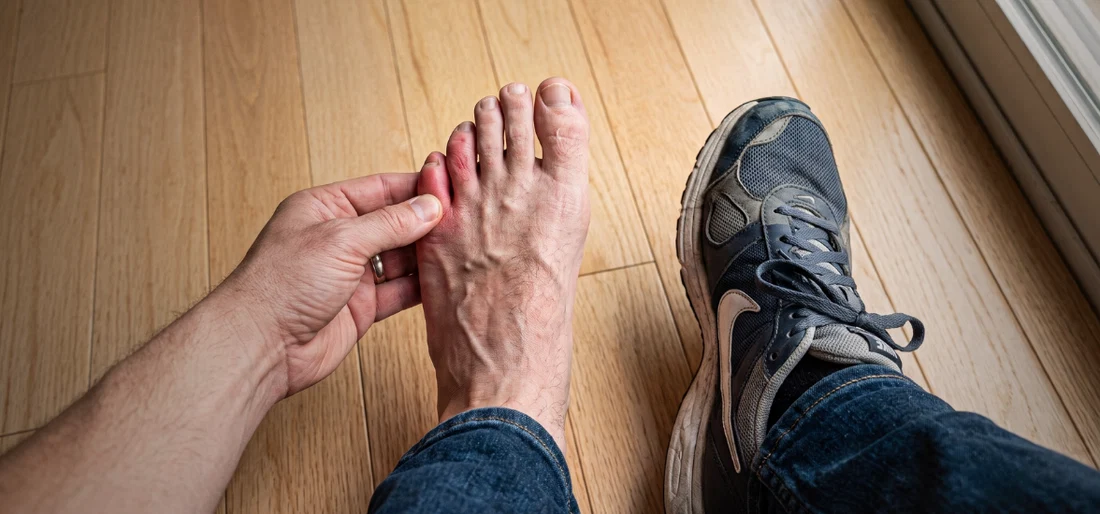
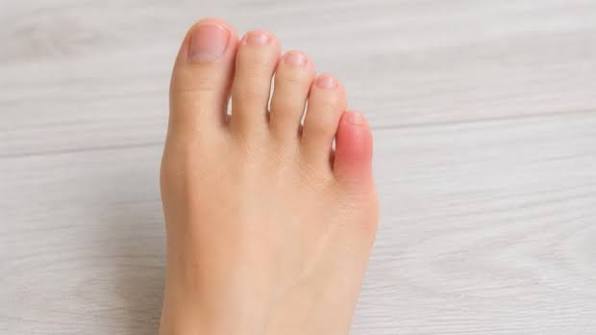
Pinky toe pain is most often caused by tight or ill-fitting shoes, a stubbed toe injury, a bunionette, or a corn and callus from friction. Less commonly, it can signal a fracture, hammertoe, or nerve irritation.
Mild, short-term pain from footwear or a bump often improves with rest and better-fitting shoes. Persistent, worsening, or severe pain should be evaluated by a podiatrist.
Understanding the Pinky Toe
The pinky toe, or fifth toe, is the smallest toe on the foot and bears less weight than the others. Despite its size, it plays a role in balance and stability while walking.
Its position on the outer edge makes it especially prone to pressure from narrow shoes and accidental impact.
Why the Pinky Toe Is Prone to Pain
- Sits along the outer edge, exposed to shoe pressure
- Smaller bone structure, more vulnerable to fractures
- Frequently affected by footwear shape and fit
- Common site for corns, calluses, and bunionettes
Top Reasons Why Your Pinky Toe Hurts
Several common causes explain most cases of pinky toe pain, ranging from minor irritation to more serious injury.
1. Tight or Ill-Fitting Shoes
Narrow shoes or those with a tight toe box put constant pressure on the pinky toe. This friction can lead to irritation, redness, and ongoing discomfort, especially with extended wear.
Switching to wider, properly fitted shoes often brings noticeable relief.
2. Stubbed Toe or Impact Injury
Hitting the pinky toe against furniture or dropping something on it is one of the most common causes of sudden pain. This often results in bruising, swelling, and tenderness.
While painful, many stubbed toes heal on their own with rest and protection.
3. Corns and Calluses
Repeated friction from shoes can cause thickened patches of skin to form on or around the pinky toe. These areas often become painful when pressure is applied during walking.
4. Bunionette (Tailor’s Bunion)
A bunionette is a bony bump that develops at the base of the pinky toe. It’s similar to a traditional bunion but affects the smaller toe instead of the big toe.
Tight shoes and repetitive stress are commonly linked to this condition.
5. Hammertoe
A hammertoe occurs when the toe bends abnormally at one of its joints. This unusual position can cause the toe to rub against shoes, leading to ongoing irritation and pain.
6. Toe Fracture
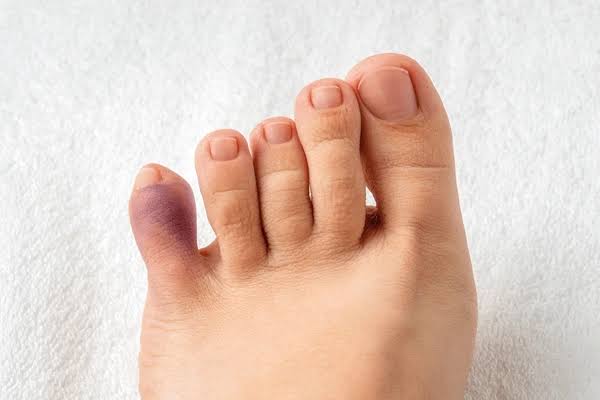
A fracture can occur after stubbing the toe or dropping a heavy object on it. Surprisingly, many people can still walk on a fractured pinky toe, making it easy to underestimate the injury.
Persistent pain, swelling, or a toe that looks crooked are signs a fracture may be present.
7. Ingrown Toenail
Though less common on the pinky toe than the big toe, ingrown toenails can still occur here. Improper trimming, tight shoes, or genetics can all contribute to this painful condition.
Pinky Toe Pain: Cause Comparison Table
| Cause | Typical Trigger | Pain Pattern |
|---|---|---|
| Tight shoes | Narrow toe box, prolonged wear | Gradual irritation, worsens with wear |
| Stubbed toe | Impact against an object | Sudden, sharp pain with bruising |
| Corns or calluses | Repeated friction | Localized pain with pressure |
| Bunionette | Structural pressure, tight shoes | Bony bump, tenderness |
| Hammertoe | Abnormal toe positioning | Ongoing irritation from shoe rubbing |
| Fracture | Direct impact or dropped object | Persistent pain, possible swelling |
| Ingrown toenail | Improper trimming, tight shoes | Localized pain near the nail |
Signs Your Pinky Toe Pain Needs Medical Attention
- Pain is severe or doesn’t improve with rest
- The toe appears bruised, crooked, or misaligned
- Redness, warmth, or swelling suggests possible infection
- Difficulty moving the toe or bearing weight
- Pain persists or worsens after several days
How to Relieve Minor Pinky Toe Pain at Home
- Rest and avoid unnecessary pressure on the affected toe.
- Apply ice to reduce swelling during the first 24 to 48 hours.
- Elevate the foot when possible to ease discomfort.
- Switch to wider, properly fitted shoes to reduce pressure.
- Buddy tape the pinky toe to a neighboring toe for gentle support.
Mistakes to Avoid With Pinky Toe Pain
- Don’t assume you can walk normally means there’s no fracture.
- Don’t ignore redness or swelling that could indicate infection.
- Don’t continue wearing shoes that visibly compress the toe.
- Don’t attempt to trim an ingrown toenail aggressively at home.
When to See a Podiatrist
Persistent pain, visible deformity, or signs of infection all warrant a podiatrist visit. A podiatrist can use physical exams and imaging like X-rays to confirm whether the issue is a fracture, sprain, or another condition.
Early evaluation often makes treatment simpler and recovery faster, especially for structural issues like bunionettes or hammertoes.
Expert Tips for Preventing Pinky Toe Pain
Podiatrists commonly recommend choosing shoes with a wide toe box to reduce pressure on the outer edge of the foot. Regularly checking shoe fit, especially after weight changes, can also help prevent recurring friction-related pain.
Trimming toenails straight across, rather than rounding the corners, helps lower the risk of ingrown toenails.
Also Read:
- Automated Enforcement Under Scrutiny: A Review of Red Light and Speed Cameras in the United States
- What Are Synonyms of Should? Top Words Explained 2026
- What Are Synonyms for Good? Words You Can Use 2026
- What Is the Difference Between Synonyms and Antonyms?
- YouTube Growth Strategy for New Creators: What Actually Works
- Electronics Recycling Container: The Smart Solution for Responsible E-Waste Disposal
- The Key Questions That Often Decide Truck Accident Claims
- Why Homeowners Skip Regular Cleaning and What It Costs Them
- Zodiac Signs: Your Personality Blueprint Guide
- Best 800+ Synonyms for Why: Simple Words & Usage Guide 2026
- Pun Names: Powerful & Hilarious Names to Make Everyone Laugh
- 200+ Funny Responses to “Good Morning” Texts
- OnThisVerySpot Com: Unlocking Layers of History and Pop Culture at Your Fingertips
- Unforgettable Ways to Incorporate Live Music Into Your Wedding Ceremony
- The Transformative Power of Music on Creativity and Well-Being
- How Music Listeners Are Quietly Moving Their Libraries Between Streaming Services
- Benjy Grinberg on Why a Musician’s Character Can Leave a Legacy as Powerful as Their Sound
- Redefining Sonic Identity Through the Lens of AI Music Generator
- Alabama Barker Age: The Empowering Journey of a Rising Music Star
- How Old Is Alabama Barker: The Dynamic Young Star’s Musical and Modeling Rise
- What Is Philip Michael Thomas Doing Now: Reigniting the Groove with Bold Music Moves
- Pretty Lights Net Worth: Illuminating the Glitch-Hop Empire of a Music Visionary
- Alahna Ly Age: The Rising Star of Social Media and Music
Frequently Asked Questions (FAQs)
Why does my pinky toe hurt when I walk?
Walking pain often points to friction from tight shoes, a bunionette, or a corn forming from repeated pressure.
Can tight shoes really cause pinky toe pain?
Yes. Narrow or ill-fitting shoes are one of the most common causes of ongoing pinky toe discomfort.
How do I know if my pinky toe is broken?
Signs include persistent pain, swelling, bruising, or a toe that appears crooked or misaligned.
Can I walk on a broken pinky toe?
Yes, surprisingly. Many people can still walk with a fractured pinky toe, which is why it’s often mistaken for a minor injury.
What is a bunionette?
A bunionette, or Tailor’s bunion, is a bony bump that forms at the base of the pinky toe, often from pressure and tight shoes.
Why does my pinky toe hurt without an obvious injury?
Gradual causes like corns, calluses, or structural issues like hammertoe can cause pain without a specific triggering event.
When should I see a podiatrist for pinky toe pain?
See a podiatrist if pain is severe, persistent, worsening, or accompanied by redness, swelling, or difficulty moving the toe.
Can ill-fitting shoes cause permanent damage to the pinky toe?
Over time, chronic pressure can contribute to structural changes like bunionettes or hammertoe if not addressed.
Is swelling around the pinky toe always a sign of infection?
Not always, but swelling combined with redness, warmth, or oozing should be evaluated promptly.
Can a stubbed toe cause a hairline fracture?
Yes. Repeated or forceful impact can result in a small fracture that isn’t always immediately obvious.
How long does pinky toe pain from a stubbed toe usually last?
Minor stubbed toe pain often improves within a few days with rest, ice, and reduced pressure.
What shoes are best for preventing pinky toe pain?
Shoes with a wide toe box and proper length reduce pressure and friction on the outer edge of the foot.
Can corns and calluses go away on their own?
They may improve with reduced friction, but persistent or painful corns often benefit from professional treatment.
Is it normal for the pinky toe to hurt more in certain shoes?
Yes. Narrow dress shoes or high heels commonly increase pressure and discomfort on the pinky toe.
Can nerve irritation cause pinky toe pain?
Yes. Nerve-related pain can cause tingling, burning, or sharp discomfort, especially with certain footwear.
Should I tape my pinky toe if it’s injured?
Buddy taping to a neighboring toe can offer support for minor injuries, but persistent pain should still be evaluated.
Can weight gain affect pinky toe pain?
Yes. Changes in weight can alter shoe fit and pressure distribution, sometimes increasing pinky toe discomfort.
Why does my pinky toe hurt more at night?
Increased blood flow and reduced distraction at rest can make inflammation or nerve irritation more noticeable at night.
Can pinky toe pain be a sign of arthritis?
Yes. Arthritis can affect small joints like the pinky toe, causing stiffness, swelling, and discomfort.
Is home treatment enough for most pinky toe pain?
Mild cases often improve with rest and better footwear, but persistent or severe pain should be evaluated by a podiatrist.
Conclusion
So, why does my pinky toe hurt? In most cases, the cause is tied to footwear pressure, minor injury, or a structural issue like a bunionette or hammertoe. Understanding the pattern of your pain can help you decide whether home care is enough or a podiatrist visit is needed.
If pain persists, worsens, or comes with swelling and redness, don’t wait it out. Early evaluation makes treatment simpler and helps prevent bigger problems down the road.