Why Is My Eye Burning? Causes & Fast Relief 2026

Why Is My Eye Burning? A burning, stinging feeling in your eye is hard to ignore, especially when it makes it hard to focus on anything else. Most of the time it’s a minor, temporary irritation, but it can occasionally point to something that needs treatment.
Burning eyes are one of the most common eye complaints people search for answers about. The cause ranges from simple dryness to allergies, infections, or chemical exposure.
Why Is My Eye Burning?
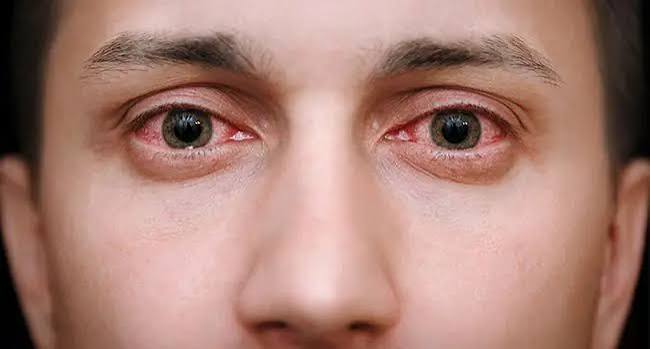
A burning eye is most often caused by dry eye, allergies, or exposure to an irritant like smoke, chlorine, or a chemical product. Infections such as conjunctivitis and eyelid conditions like blepharitis are also common causes.
Burning that’s sudden, severe, or comes with vision changes needs immediate medical attention. Mild burning that lingers for more than a few hours is also worth having checked.
What Causes That Burning Feeling
Burning eyes happen when the surface of your eye becomes irritated, dry, or inflamed. Your eyes are lined with sensitive nerve endings, so even small amounts of irritation can feel intense.
In many cases, blinking and natural tears wash away the irritant and the burning fades quickly. When burning persists, it usually means the underlying cause needs more than blinking to resolve.
Top Causes of a Burning Eye
Several everyday factors and a few medical conditions can all produce that same burning sensation. Here’s a breakdown of the most common causes.
Dry Eye Syndrome
Dry eye happens when your eyes don’t produce enough tears, or when your tears evaporate too quickly. This is considered the leading cause of a burning sensation in the eyes.
Without enough lubrication, the surface of your eye becomes irritated and can feel gritty, itchy, or like something is stuck in it. Dry eye is often chronic and tends to worsen with screen use, wind, or dry air.
Allergies
Allergic reactions to pollen, mold, dust, or pet dander commonly cause eye burning along with itching and watering. Touching an allergen and then rubbing your eyes can trigger symptoms even without direct exposure.
Allergy-related burning often comes with sneezing or a runny nose. Antihistamine eye drops are usually effective at calming this type of irritation.
Chemical or Environmental Irritants
Ingredients in shampoo, sunscreen, makeup, soap, and cleaning products can all irritate the eyes on contact. Chlorine from swimming pools and fumes from paint or aerosol sprays cause similar reactions.
Smoke, smog, and dust in the air are common environmental triggers as well. Rinsing your eyes with clean water right away helps limit irritation from most everyday irritants.
Contact Lens Overuse or Irritation
Wearing contact lenses for too long, or without proper cleaning, is a frequent cause of burning eyes. A sensitivity to your contact lens solution can also trigger the same symptom.
Dirty or damaged lenses make this worse by trapping bacteria and debris against the eye’s surface. Giving your eyes a break from lenses often brings quick relief.
Conjunctivitis (Pink Eye)
Conjunctivitis is a highly contagious infection that can be viral or bacterial. Burning is one of its hallmark symptoms, often paired with redness, watering, and itching.
Pink eye typically affects one eye first before potentially spreading to the other. Since it’s contagious, avoiding touching your eyes and washing your hands frequently helps prevent it from spreading.
Blepharitis
Blepharitis is inflammation or irritation along the edges of your eyelids. It’s often caused by a skin condition, bacterial infection, or tiny eyelash mites called demodex.
Along with burning, blepharitis commonly causes crusting around the eyes and red, swollen eyelids. Symptoms are often worse in the morning after sleeping.
Corneal Damage or Abrasion
Getting sand, dust, or another foreign object in your eye can scratch the cornea, the clear surface layer that protects the rest of the eye. This is one of the most sensitive parts of the eye, so even a small scratch can cause sharp burning pain.
Corneal damage often comes with redness, blurred vision, and light sensitivity. This type of injury generally needs an eye doctor’s evaluation.
Common Causes vs When It’s an Emergency
Most burning eyes are mild and resolve on their own or with simple home care. Some situations need urgent medical attention instead.
| Symptom Pattern | Usually Mild | Seek Immediate Care |
|---|---|---|
| Onset | Gradual, after known trigger | Sudden and severe |
| Vision | Normal | Blurred or changing |
| Duration | Fades within hours | Persists or worsens |
| Pain level | Mild irritation | Intense pain |
| Other signs | Mild redness or watering | Swelling, discharge, fever |
| Trigger | Known irritant or allergy | Chemical splash or injury |
How to Relieve a Burning Eye

Most cases of burning eyes respond well to simple home care. Try these steps first for mild, everyday irritation.
- Rinse your eyes with clean water if an irritant is the likely cause
- Use artificial tears or lubricating eye drops for dryness
- Apply a cool compress to soothe general irritation
- Try antihistamine eye drops if allergies seem to be the trigger
- Take a break from contact lenses until symptoms improve
- Use a warm compress to help with blepharitis-related burning
- Avoid rubbing your eyes, which can worsen irritation
When to See a Doctor
Mild, occasional burning usually isn’t a cause for concern. Certain symptoms mean it’s time to get an eye doctor involved rather than waiting it out.
Seek immediate care if burning is sudden, severe, or comes with vision changes, since this could signal a serious condition. See a doctor if burning persists for more than a few hours, keeps returning, or comes with discharge, swelling, or pain when moving your eyes.
Mistakes to Avoid
Continuing to wear contact lenses through burning and irritation is a common mistake. This can worsen the underlying issue and increase the risk of infection.
Assuming a chemical splash will resolve on its own is another mistake to avoid. Chemical exposure, especially from household cleaners, needs immediate rinsing and prompt medical evaluation.
Preventing Burning Eyes in the Future
Using lubricating eye drops regularly if you have chronic dry eye can prevent flare-ups before they start. This is especially helpful for people who spend long hours on screens.
Practicing good contact lens hygiene and avoiding known allergy or chemical triggers also goes a long way. Small daily habits often prevent the majority of burning eye episodes.
Also Read:
- Fitting Clear Aligner Treatment Into A Fourteen Month Engagement
- Why Self-Care is Crucial for Living Life to the Fullest
- Do STIs Affect the Vaginal Microbiome?
- Why Movement Science Is Vital for Fitness Coaches
- Consistency Does Not Mean Perfection
- Why Shame Blocks Growth
- Setting Shared Financial Goals
- Why Workstation Sinks Are Becoming A Practical Upgrade For Property Investments
- How Useful is a PMP Certification for HR Professionals?
- The Digital First Impression Houston Companies Can’t Ignore
- Why Investing In Quality Equipment Matters For Small Trade Businesses
- Quality Meets Affordability in Lab Diamond Tennis Bracelets
- Should You Buy Lab Diamond Tennis Bracelets Now?
- How to Choose the Perfect Lab Diamond Jewelry for Yourself
- The Benefits and Perils of a Last-minute Wedding
- The Democratization of Aesthetics: How Competitive Branding Redefined Global Cosmetics Markets
- Why Esthetics Offers One of the Strongest Career Growth Paths in Beauty
- How to Style Designer Denim for Every Season
- Ecommerce Checkout Page Best Practices That Convert
- What to Wear for a Weekend Brunch and Afternoon in the City
- Understanding Capital Allowances for Commercial Property Owners
- Driver Behavior Monitoring: What Should Fleets Actually Track?
- Protecting Digital Content from Piracy Across Multiple Platforms
Frequently Asked Questions (FAQs)
Why is my eye burning but not red?
Burning without redness is often an early sign of dry eye or mild irritation from an allergen. Redness can develop later if the irritation continues.
Why is only one eye burning?
Localized irritation, like a stray eyelash, a scratch, or one contact lens being irritated, often affects a single eye. Infections like conjunctivitis can also start in one eye before potentially spreading.
Can allergies cause burning in both eyes?
Yes, allergy-related burning commonly affects both eyes at once, especially with airborne allergens like pollen or pet dander.
Is burning eyes a symptom of dry eye syndrome?
Yes, dry eye is considered the leading cause of a burning sensation in the eyes, especially when paired with grittiness or excessive blinking.
Can screen time cause burning eyes?
Yes. Extended screen use reduces how often you blink, which can dry out the eyes and lead to burning, especially by the end of the day.
How long should burning eyes last before I worry?
Mild burning that resolves within a few hours after removing the irritant is usually not a concern. Burning lasting longer than that should be evaluated.
Can contact lenses cause burning eyes?
Yes. Overwearing lenses, poor cleaning habits, or sensitivity to contact solution are all common causes of burning with contact lens use.
Is burning eyes a sign of pink eye?
It can be. Conjunctivitis often causes burning along with redness, watering, and itching, and it’s highly contagious.
What household products commonly cause burning eyes?
Cleaning products, aerosol sprays, chlorine, and strong fragrances in soap or perfume are among the most common household irritants.
Can burning eyes be a sign of a serious problem?
In most cases, no. Rarely, burning can signal a more serious condition like uveitis or orbital cellulitis, especially if paired with vision changes or severe pain.
Should I rinse my eye if a chemical got in it?
Yes, rinse immediately with clean water for several minutes and seek medical attention right away, especially for household chemicals like bleach or drain cleaners.
Can crying cause burning eyes afterward?
Yes, tears contain salt, and prolonged crying can leave the eyes feeling irritated or burning temporarily.
Why do my eyes burn after swimming?
Chlorine and other pool chemicals commonly irritate the eyes, causing burning, redness, and temporary blurred vision.
Can stress cause burning eyes?
Stress itself doesn’t directly burn the eyes, but it can contribute to reduced blinking and dry eye symptoms, which do cause burning.
What eye drops help with burning eyes?
Artificial tears help with dryness, while antihistamine eye drops are more effective for allergy-related burning. The right choice depends on the underlying cause.
Can blepharitis cause burning eyes in the morning?
Yes, blepharitis symptoms, including burning, are often worse in the morning due to overnight buildup along the eyelid edges.
Is it normal for eyes to burn when tired?
Yes, fatigue often reduces blink rate and tear production, which can lead to dryness and a burning sensation.
Can makeup cause burning eyes?
Yes, certain ingredients in eye makeup or skincare products can irritate the eyes, especially if they’re expired or applied too close to the lash line.
Why do my eyes burn when I wake up?
Reduced tear production overnight and potential buildup along the eyelids can both cause burning that’s most noticeable right after waking up.
Can weather cause burning eyes?
Yes, wind, cold air, and dry climates can all speed up tear evaporation and lead to dryness-related burning.
When should burning eyes be treated as an emergency?
Treat it as an emergency if the burning is sudden and severe, follows chemical exposure, or comes with vision loss or intense pain.
Conclusion
A burning eye is uncomfortable, but it’s usually explained by something manageable like dryness, allergies, or an irritant rather than a serious condition. Understanding why your eye is burning makes it much easier to find the right relief.
Simple steps like rinsing with clean water, using lubricating drops, or giving your eyes a break from contacts often help quickly.
If burning is sudden, severe, or comes with vision changes, seek care right away so an eye doctor can identify and treat the underlying cause.