Why Is New Orleans Called the Big Easy Where It Comes From 2026
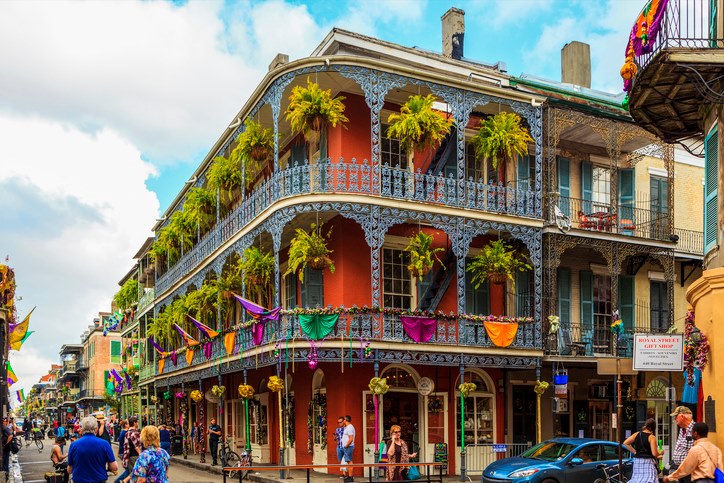
Why is New Orleans called the Big Easy is one of the most fascinating questions in American city history.
The nickname evokes jazz music drifting through warm night air, the smell of beignets on Bourbon Street, and a pace of life that the rest of America simply cannot replicate.
But where did the name actually come from? Was it a gossip columnist, a jazz hall, a crime novel, or something deeper rooted in African American culture? The answer is layered, debated, and surprisingly rich.
What Does the Big Easy Mean
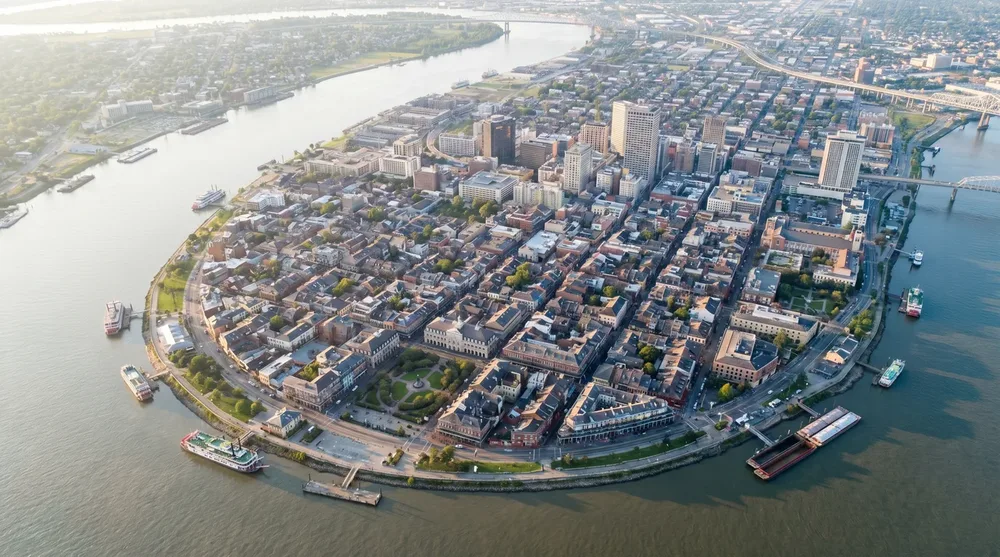
The Big Easy is the most famous nickname for New Orleans, Louisiana.
It captures the city’s reputation for a relaxed, unhurried lifestyle — an attitude that stands in direct contrast to the hustle and pressure of cities like New York. The phrase suggests ease: easy living, easy music, easy company, and an easy relationship with life’s pleasures.
The term is used in tourism, literature, film, music, and everyday conversation. It is so embedded in American culture that many people who have never visited New Orleans understand exactly what it refers to the moment they hear it.
The Four Origin Theories Behind the Big Easy Nickname
There is no single confirmed origin for why New Orleans is called the Big Easy. Historians, journalists, and locals have identified at least four major theories, all of which carry genuine historical evidence.
| Theory | Era | Key Evidence |
|---|---|---|
| The Big Easy Hall dance hall, Gretna | Early 1900s | 1911 newspaper fire report |
| Jazz musicians and easy work | Early 20th century | African American oral tradition |
| Betty Guillaud’s newspaper column | 1960s–1970s | Times-Picayune column citations |
| James Conaway novel and 1987 film | 1970s–1980s | Published novel and Hollywood film |
Each of these threads feeds into the others, creating a nickname with multiple legitimate claims to origin.
Theory One: The Big Easy Hall in Gretna
The oldest documented evidence for the phrase “Big Easy” points not to New Orleans proper but to a dance hall across the Mississippi River in Gretna, Louisiana.
The 1911 Newspaper Report
In August 1911, a fire destroyed a building in Gretna. The Times-Democrat newspaper reported on the blaze and referred to the dance hall that burned as the one “known as The Big Easy.”
This is currently the earliest known printed use of the phrase in connection with the New Orleans area. The hall had been operating since around 1900 and was a well-known gathering place for music, dancing, and social life.
Buddy Bolden and the Jazz Connection
The Big Easy Hall was known as a venue where the legendary cornet player Buddy Bolden performed. Bolden is widely considered one of the founding figures of jazz — a musician whose style and sound shaped the genre before it had a name.
Louis Armstrong himself once described Bolden as “just a one-man genius that was ahead of them all — too good for his time.”
The connection between the Big Easy Hall and Bolden ties this origin story directly into New Orleans jazz culture. Music historians see this as deeply significant: the very first documented use of the phrase was associated with the early jazz scene.
Why This Theory Matters
If the Big Easy Hall was where the neighborhood’s jazz culture gathered in the early 1900s, it is entirely plausible that the phrase traveled with the music — from the dance hall name into the informal vocabulary of musicians and residents across the wider New Orleans area over the following decades.
Big Easy Magazine’s research confirms the term circulated in African American oral tradition throughout those decades even if it was not captured in mainstream print.
Theory Two: Jazz Musicians and the Ease of Finding Work
The second theory is rooted in the city’s extraordinary musical culture and the practical realities faced by working musicians in early 20th century America.
New Orleans as a Musician’s Haven
New Orleans in the 1900s through the mid-20th century was genuinely different from every other American city for musicians. The culture supported live music in an almost unparalleled way.
A musician in New Orleans could find work playing on street corners, in parks, at private parties, in nightclubs, at jazz funerals, and in dozens of dedicated music venues scattered across the city. No other American city offered this density of performance opportunities.
A struggling musician could survive and even thrive in New Orleans in ways that would be impossible in cities like Chicago or New York.
The Big Easy as Musician Slang
According to this theory, musicians — particularly African American jazz musicians — began using the phrase “the big easy” to describe New Orleans as a place where making a living through music was genuinely achievable.
The “big” referred to the city’s significance as a cultural capital. The “easy” referred to the relative ease of finding paid work as a musician compared to anywhere else in the country.
This was not sarcasm or irony. It was a genuine assessment of the city’s openness to musical talent and its willingness to pay musicians for their craft.
Why This Theory Has Staying Power
The jazz musician theory explains why the earliest documented uses of the phrase in the 1960s appear specifically in African American community contexts. Newsweek magazine noted in 1966 that “life in Big Easy, as the town’s Negro citizens sometimes call it, remained graciously indolent.”
The phrase was in active use among African Americans before it ever appeared in mainstream newspaper columns or fiction. This strongly suggests an organic cultural origin rather than a journalistic invention.
Theory Three: Betty Guillaud and the Big Apple Comparison
The third theory credits a specific person with bringing the phrase into mainstream visibility: New Orleans gossip columnist Betty Guillaud.
Who Was Betty Guillaud
Betty Guillaud (1934–2013) was a columnist who wrote for the Times-Picayune, New Orleans’ major newspaper. She was known for her sharp observations on New Orleans life, culture, and society.
In the late 1960s and through the 1970s, Guillaud was searching for a way to capture what made New Orleans distinct from other American cities — particularly New York City.
The Big Easy vs The Big Apple
New York City had long been nicknamed “The Big Apple.” The phrase conveyed ambition, energy, constant movement, and the relentless pursuit of success.
Guillaud drew a pointed contrast. If New York was the Big Apple — a city of relentless hustle — then New Orleans was the Big Easy, a city where life moved at its own unhurried pace, where pleasure came before productivity, and where the streets themselves seemed to breathe rather than race.
The comparison resonated immediately with both New Orleans residents and outside observers.
Guillaud’s Role Clarified
Most historians now believe Guillaud popularized “the Big Easy” rather than invented it from scratch. The phrase was already circulating in African American communities before her columns.
What she did was give the phrase mainstream newspaper visibility, attach it explicitly to New Orleans as a civic identity, and frame it within a cultural contrast that was easy for a broad audience to understand and remember.
Theory Four: The 1970 Novel and the 1987 Film
The fourth major influence on why New Orleans is called the Big Easy comes from literature and cinema.
James Conaway’s 1970 Novel
James Conaway worked as a police reporter for the Times-Picayune in the mid-1960s. One day while walking along Claiborne Avenue toward the criminal courthouse, he overheard two African American men using the phrase “big easy” in conversation.
Conaway later admitted he had no idea what they were specifically referencing, but the phrase struck him as beautiful and evocative. Two years later, when writing a crime novel set in New Orleans, he chose it as his title.
The Big Easy was published in 1970. It introduced the phrase to a national literary audience who connected it immediately with the atmosphere and character of New Orleans.
The 1987 Film with Dennis Quaid
The 1987 film adaptation of The Big Easy — directed by Jim McBride and starring Dennis Quaid, Ellen Barkin, John Goodman, and Ned Beatty — was only loosely connected to Conaway’s novel. The filmmakers kept the title but built a largely different story.
The film was set in New Orleans and soaked in the city’s atmosphere: jazz bars, Creole culture, Spanish moss, and the sense that the rules worked differently here.
For many Americans who had never visited New Orleans, the phrase “the Big Easy” and its associated images came directly from this film. It was a commercial and critical success that introduced the nickname to a worldwide audience.
Why the Film Matters So Much
The 1987 film is arguably the single biggest reason why “the Big Easy” became the dominant nationwide nickname for New Orleans rather than “the Crescent City” or “NOLA.”
Before the film, the nickname was primarily known within New Orleans and among people closely following Southern culture. After the film, it entered the permanent national vocabulary and has remained there ever since.
The African American Origins: The Most Important Thread
One consistent element runs through nearly every credible theory about why New Orleans is called the Big Easy: African American culture is at the very heart of it.
The Newsweek Citation of 1966
The 1966 Newsweek citation describing “Big Easy” as what “the town’s Negro citizens sometimes call it” is crucial documentary evidence. It confirms the phrase was in active use in the African American community years before Betty Guillaud’s columns and years before Conaway’s novel.
The Louisiana Weekly Citation of 1970
The Louisiana Weekly, a Black-owned newspaper serving New Orleans’ African American community, printed the phrase in December 1970: “I don’t care what you may say, or anyone else, there is no place like big easy (our town).”
The phrase “our town” is intimate and possessive. It reflects a community that had long since claimed the name as its own identity.
Jazz and Black Culture Built the Identity
New Orleans’ identity as an easy, musical, celebratory city was built primarily by African American musicians, artists, and community members from the late 1800s onward.
The culture that the phrase “the Big Easy” describes — relaxed, musical, pleasure-centered, resistant to outside pressure — was largely the culture created by the city’s Black population through jazz, Creole traditions, second-line parades, and neighborhood life.
Calling New Orleans the Big Easy was, at its root, a way of honoring what that community built.
The Big Easy vs The Big Apple: A Cultural Contrast That Defined Both Cities
The comparison between New Orleans and New York that Betty Guillaud popularized captures something genuine about two fundamentally different American worldviews.
| Element | New Orleans — Big Easy | New York City — Big Apple |
|---|---|---|
| Life Pace | Slow, relaxed, unhurried | Fast, competitive, driven |
| Cultural Focus | Music, food, celebration | Commerce, ambition, innovation |
| Famous Street | Bourbon Street | Wall Street |
| Music Identity | Jazz, Blues, Zydeco | Hip-hop, Broadway |
| Food Culture | Creole, Cajun, slow cooking | International fine dining |
| Famous Festival | Mardi Gras | New Year’s Eve |
| Attitude to Time | Flexible, fluid | Scheduled, urgent |
| Lifestyle Philosophy | Laissez-faire | Hustle culture |
The contrast is not a judgment. Both cities have produced extraordinary cultures. But the comparison explains perfectly why “the Big Easy” resonated — it captured something real and distinct about how life in New Orleans actually felt compared to the American mainstream.
New Orleans During Prohibition: The Easy Life Defied the Law
One underappreciated element of why the Big Easy fits New Orleans is the city’s extraordinary resistance to Prohibition.
New Orleans Largely Ignored the Ban
The 18th Amendment banned alcohol nationwide from 1920 to 1933. New Orleans largely disregarded it. The city continued its active nightlife with a frankness that shocked observers from other parts of the country.
Speakeasies in New Orleans were not hidden in dark alleys. Drinking during Prohibition was more of an open neighborhood institution than a genuine underground operation.
The Permissive Culture
New Orleans had always operated with a more permissive attitude toward pleasure — drinking, music, dancing, gambling — than most other American cities. The French and Spanish colonial traditions that shaped its early culture emphasized enjoyment rather than Puritan restraint.
This attitude toward alcohol, combined with the general laissez-faire approach to regulations that did not serve the community, contributed powerfully to the “easy” character the nickname eventually captured.
New Orleans Food Culture: Feeding the Big Easy Spirit
The food culture of New Orleans is inseparable from the Big Easy identity. Dining here has always been an event to be savored, never rushed.
Creole and Cajun Traditions
New Orleans cuisine blends French, Spanish, African, Native American, and Caribbean influences into something entirely its own. Dishes like gumbo, jambalaya, étouffée, red beans and rice, beignets, and po’boys are not just meals — they are cultural institutions.
The act of eating in New Orleans is social, slow, and celebratory. Long lunches are common. Sunday dinners are occasions. Restaurants on Frenchmen Street still have musicians playing while you eat.
Visitors to New Orleans consistently report that the pace of a meal feels fundamentally different from anywhere else in America. The city’s food culture reinforces the identity the Big Easy nickname describes.
Mardi Gras and the Big Easy Identity
No single event embodies the Big Easy spirit more completely than Mardi Gras.
What Mardi Gras Is
Mardi Gras is New Orleans’ annual pre-Lenten celebration, reaching its peak on Fat Tuesday — the day before Ash Wednesday. The festival features elaborate parades with massive floats, costumed krewes, beads thrown to crowds, and a city-wide atmosphere of open celebration.
Over one million visitors travel to New Orleans every year for Mardi Gras. It is one of the largest annual festivals in the United States.
The Big Easy Connection
Mardi Gras embodies everything the Big Easy represents: the suspension of normal rules, the celebration of shared life, the mixing of social classes and cultures, and the deep pleasure the city takes in communal experience.
The ability of New Orleans to host a festival of this scale and joy every single year — and to have done so for centuries — is itself evidence of the city’s extraordinary relationship with ease, pleasure, and community.
The Crescent City: New Orleans’ Other Great Nickname
Understanding why New Orleans is called the Big Easy is enriched by knowing its other famous nickname: the Crescent City.
Why Crescent City
The Mississippi River makes a dramatic bend as it flows through New Orleans, curving into a sharp crescent shape. The original city was built on the inside of that curve, giving early maps of New Orleans a distinctive crescent outline.
The Crescent City nickname has been in use since at least the early 1800s. Interestingly, a radio station DJ in the 1970s reportedly was told by station management not to use “Crescent City” on air — which may have helped push “the Big Easy” into broader everyday use.
All of New Orleans’ Official and Unofficial Nicknames
| Nickname | Meaning and Origin |
|---|---|
| The Big Easy | Relaxed lifestyle, jazz culture, African American origin |
| The Crescent City | Mississippi River’s crescent-shaped bend at the city |
| NOLA | Abbreviation of New Orleans, Louisiana |
| The Birthplace of Jazz | Jazz originated here in the late 1800s to early 1900s |
| The City That Care Forgot | Carefree attitude, used since at least 1910 |
| Mardi Gras City | Famous annual Fat Tuesday festival |
| Hollywood South | Film and TV production hub since the 2000s |
| N’Awlins | Phonetic spelling of the local pronunciation |
| The Queen City of the South | Used in the 1800s for commercial and cultural prominence |
The Role of Music in Making the Big Easy Stick
New Orleans and music are inseparable, and that bond is central to why the Big Easy nickname feels so permanently correct.
Jazz Was Born Here
Jazz as a distinct art form emerged from the streets and performance halls of New Orleans in the late 1890s and early 1900s. The unique mixture of African rhythms, European harmonies, and brass band traditions that produced jazz could only have happened in New Orleans.
Figures like Buddy Bolden, Jelly Roll Morton, Louis Armstrong, and Sidney Bechet developed their craft in New Orleans. They created something the world had never heard before, and they did it in a city that gave them the space, the venues, and the audiences to do so.
Street Music as Daily Life
In New Orleans, music is not just a form of entertainment. It is woven into the daily fabric of the city.
Brass bands play in the streets for no particular reason. Second-line parades wind through neighborhoods on ordinary Sunday afternoons. Jazz funerals celebrate life as much as they mourn death.
The city has more live music venues per capita than almost anywhere in America. This musical abundance is what the earliest users of “the Big Easy” were describing — a place where the music never stopped and the living was genuinely, structurally easy for those who made it.
Why the Big Easy Nickname Endures in 2026
More than a century after the Big Easy Hall burned down in Gretna, and nearly 60 years after Betty Guillaud put the phrase in print, the nickname shows no signs of fading.
The City Still Earns the Name
New Orleans in 2026 still moves at its own pace. Bourbon Street still starts its music before noon. The French Quarter still smells like history and cooking. Second-line parades still wind through neighborhoods on Sunday afternoons.
The city has survived hurricanes, floods, economic hardship, and political turbulence. Through all of it, the essential character of New Orleans — the music, the food, the celebration, the resistance to the tyranny of hurry — has remained intact.
Tourism Is Built on the Big Easy Identity
The Big Easy nickname is central to New Orleans’ identity as a global tourism destination. Millions of visitors come every year specifically seeking what the nickname promises: a place where life is easier, louder, more colorful, and more delicious than where they came from.
The tourism industry, the film industry, the music industry, and the food industry of New Orleans all operate under the shadow of the Big Easy brand. The nickname is not just historical trivia — it is living economic identity.
The Complete Timeline of the Big Easy Nickname
| Year | Event |
|---|---|
| 1900s | Big Easy Hall operates in Gretna, Louisiana |
| 1911 | Times-Democrat reports fire at “The Big Easy” dance hall |
| Early 1900s | Buddy Bolden performs at the Big Easy Hall; jazz begins |
| 1920s–1930s | Prohibition largely ignored in New Orleans |
| 1960s | “Big Easy” circulates in African American New Orleans community |
| 1966 | Newsweek cites “Big Easy” as African American community term |
| Late 1960s | Betty Guillaud begins using the term in Times-Picayune columns |
| 1970 | James Conaway publishes The Big Easy novel |
| 1970 | Louisiana Weekly uses “big easy” as community identity term |
| 1970s | Betty Guillaud actively popularizes the Big Easy vs Big Apple contrast |
| 1982 | TV drama series The Big Easy airs |
| 1987 | Dennis Quaid film The Big Easy released; nickname goes global |
| 1990s–2000s | The Big Easy becomes standard nickname in tourism and media |
| 2005 | Hurricane Katrina tests — but does not break — New Orleans’ identity |
| 2026 | The Big Easy remains one of America’s most recognized city nicknames |
Frequently Asked Questions (FAQs)
Why is New Orleans called the Big Easy?
New Orleans is called the Big Easy because of its relaxed, unhurried lifestyle, thriving jazz culture, and historically easy-going atmosphere. The nickname most likely originated in African American communities in the early 1900s and was later popularized by a journalist, a novelist, and a 1987 Hollywood film.
Where did the Big Easy nickname originally come from?
The earliest documented use traces to the Big Easy Hall, a dance hall in Gretna, Louisiana, mentioned in an 1911 newspaper fire report. The phrase then circulated in African American oral tradition before entering mainstream use in the 1960s.
Who is Betty Guillaud and why does she matter?
Betty Guillaud (1934–2013) was a Times-Picayune gossip columnist who popularized the Big Easy nickname in the 1970s by contrasting New Orleans’ relaxed lifestyle with New York City’s fast pace. She helped bring the phrase into mainstream newspaper coverage and civic branding.
Who was Buddy Bolden and how is he connected to the Big Easy?
Buddy Bolden was a pioneering cornet player considered one of the founders of jazz. He performed at the Big Easy Hall in Gretna, linking the earliest documented use of the phrase directly to the birth of jazz music.
Did the 1987 film The Big Easy create the nickname?
No. The 1987 Dennis Quaid film took its title from a 1970 crime novel by James Conaway. The phrase had been in use since at least the 1960s in African American communities. The film, however, introduced the nickname to a global audience and cemented it in popular culture.
What does the Big Easy mean about New Orleans culture?
The Big Easy reflects New Orleans’ identity as a city that prioritizes music, food, celebration, and community over ambition and productivity. It describes a place where life is deliberately slower, more joyful, and more pleasure-centered than the American mainstream.
What are the other nicknames for New Orleans besides the Big Easy?
New Orleans is also called the Crescent City, NOLA, the Birthplace of Jazz, the City That Care Forgot, Mardi Gras City, Hollywood South, and N’Awlins. Each nickname highlights a different dimension of the city’s character and history.
Do New Orleans locals call the city the Big Easy?
Not very often. Most locals refer to the city simply as New Orleans, NOLA, or by neighborhood names. The Big Easy tends to be used more by visitors, travel writers, and the tourism industry than by everyday New Orleans residents.
What is the connection between the Big Easy and the Big Apple?
The comparison was deliberately drawn by columnist Betty Guillaud. New York City is the Big Apple — ambitious, fast, competitive. She framed New Orleans as the Big Easy — relaxed, musical, and celebratory — to highlight the contrast in lifestyle between the two cities.
Why does the Big Easy nickname still fit New Orleans in 2026?
Because New Orleans still genuinely embodies it. The city maintains its jazz culture, its festival traditions, its slow-cooked food, its community parade culture, and its fundamental resistance to hurry. The Big Easy is not nostalgia — it is still an accurate description of how life in New Orleans actually feels.
Conclusion
Why is New Orleans called the Big Easy is a question that leads directly into the soul of one of America’s most unique cities. The nickname did not come from a single brilliant moment of naming.
It grew organically from the African American jazz musicians who found New Orleans genuinely welcoming, from a dance hall in Gretna where the music was being invented, from a columnist who captured the city’s spirit in four perfect words, and from a film that showed the rest of the world what the phrase meant.
In a country built around hustle and ambition, New Orleans has always offered something different — music on the streets, time for a long meal, a festival that stops the entire city in its tracks, and a culture rooted in the radical idea that life is meant to be enjoyed. That is why New Orleans earned the Big Easy. That is why, even in 2026, it keeps it.