Why Is Understanding the Risks and Hazards Associated With Fires Important? Facts 2026
Why is understanding the risks and hazards associated with fires important is a question every homeowner, employer, and community member needs to answer confidently.
Fires can ignite in seconds, spread in minutes, and destroy lives, property, and livelihoods before emergency services even arrive.
Without a clear understanding of fire risks and hazards, people cannot prevent fires, cannot respond effectively, and cannot protect those around them.
Why Is Understanding the Risks and Hazards Associated With Fires Important
Most people use “fire risk” and “fire hazard” as if they mean the same thing. They do not.
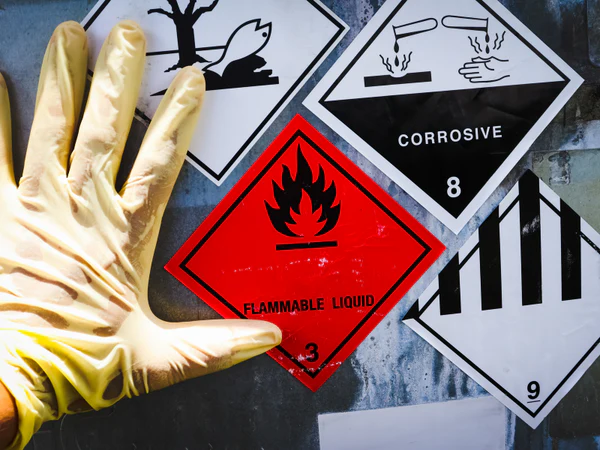
A fire hazard is any material, condition, or action that increases the likelihood of a fire starting or spreading. Examples include faulty wiring, flammable liquids, overloaded power outlets, and improperly stored chemicals.
A fire risk is the probability that a hazard will lead to actual harm — factoring in both the likelihood of ignition and the severity of potential consequences such as injuries, deaths, and property loss.
Put simply: a hazard creates a risk. Without a hazard, there is little to no risk of fire.
The Fire Triangle: Why Fires Start
Every fire requires three elements to start and continue burning. Fire safety professionals call this the fire triangle.
| Element | Description | Examples |
|---|---|---|
| Heat (Ignition Source) | Energy that raises a material to its ignition point | Sparks, open flames, electrical arcs, friction |
| Fuel | Any combustible material | Wood, paper, textiles, chemicals, gas |
| Oxygen | Sufficient oxygen to sustain combustion | Open air, poorly ventilated spaces |
Remove any one of these three elements and the fire stops. Understanding this principle is the starting point for every fire prevention strategy.
Why Is Understanding Fire Risks and Hazards Important?
The answer covers multiple layers — personal safety, legal obligations, financial protection, emergency response, and community resilience.
Understanding fire risks and hazards is important because it:
- Prevents fires from starting in the first place
- Saves lives through early identification of dangers
- Protects property and reduces financial losses
- Enables faster and safer emergency response
- Supports legal and regulatory compliance
- Builds fire-aware cultures in workplaces and homes
- Reduces psychological trauma caused by fire disasters
Each of these reasons is explored in detail below.
Reason 1: Fire Risk Awareness Prevents Accidents
The most direct answer to why understanding fire risks and hazards is important is simple: prevention.
Most fires are entirely preventable. When people recognize that overloaded electrical outlets, unattended cooking, and improperly stored flammable materials are fire hazards, they take corrective action before a fire starts.
Knowledge eliminates dangerous behaviors. Someone who knows that storing paint thinners near a heat source is hazardous will store them correctly. Someone trained to recognize worn electrical cords will replace them before they spark.
Reason 2: It Saves Lives
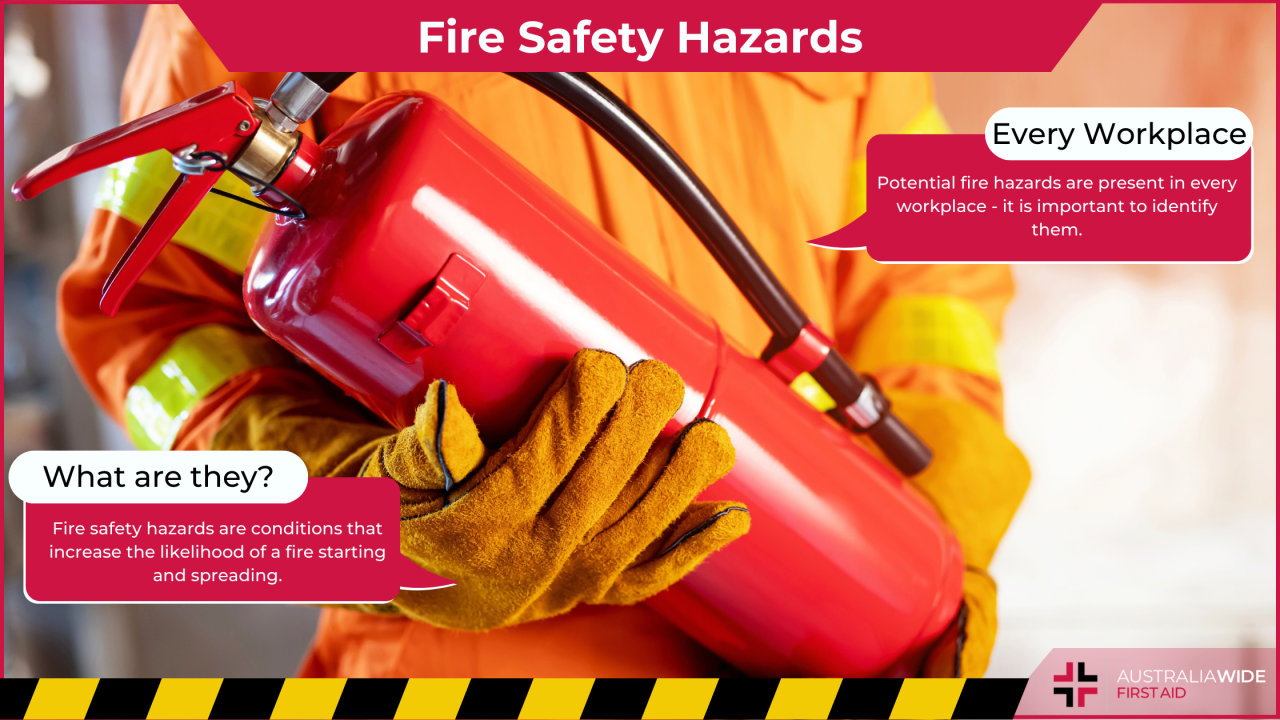
The primary goal of understanding fire risks is saving lives — both your own and others around you.
Fires kill and injure at alarming rates. According to the US National Fire Protection Association (NFPA), fire departments in the US responded to an emergency every 23 seconds in 2021. A fatal fire injury occurred every two hours. A nonfatal injury occurred every 36 minutes.
When people understand how fire behaves — how smoke rises faster than flames, how fire spreads through oxygen-rich spaces, how a closed door slows fire spread — they make decisions that keep them alive.
Reason 3: It Reduces Property and Financial Losses
Fires cause catastrophic financial damage that extends far beyond the immediate event.
According to NFPA data, fire departments in the US reported over $15 billion in property damage in 2021 alone. Workplace fires result in approximately $2.4 billion in property damage annually. Insurance claims related to fire hazards averaged $47,000 per incident in 2024.
Understanding where fire hazards exist allows businesses and homeowners to eliminate or reduce those hazards before a fire occurs — protecting assets, reducing insurance premiums, and avoiding the enormous cost of rebuilding.
Reason 4: It Enables Effective Emergency Response
Understanding fire risks is not only about prevention. It also shapes how effectively people respond when a fire does occur.
In an emergency, seconds matter. People who understand how fires behave make better, faster decisions. They know not to open a door that feels hot. They know to stay low under smoke. They know to close doors behind them to slow fire spread. They know whether a fire extinguisher is the correct type for the fire in front of them.
Confusion and hesitation cost lives in fire emergencies. Knowledge removes both.
Reason 5: It Supports Worker Training and Safety Culture
In workplace settings, understanding fire risks and hazards is the foundation of every effective fire safety training program.
When employees understand why safety rules exist — not just what the rules are — compliance improves significantly. A worker who knows that dust buildup around machines is a genuine ignition hazard will take cleaning schedules seriously.
Workplaces with strong fire safety cultures experience fewer incidents, faster evacuations, and better outcomes when fires do occur.
Reason 6: It Fulfills Legal and Regulatory Obligations
Employers, landlords, and public facility managers have legal obligations to assess and control fire risks.
In the US, OSHA regulations under 29 CFR 1910 Subpart E require fire risk assessments, proper fire detection and suppression equipment, documented emergency action plans, and regular training. Failure to comply results in fines, closure orders, and in serious cases, criminal liability.
In the UK, the Fire Safety Order (FSO) requires every responsible person for a non-domestic premises to carry out regular fire risk assessments, implement general fire precautions, and reduce fire risk to as low as reasonably practicable.
Understanding fire risks is not optional for businesses — it is a legal requirement.
Reason 7: It Protects Vulnerable Populations
Fire risk awareness is especially critical for protecting people who cannot protect themselves.
Children, elderly individuals, people with disabilities, and those in healthcare settings face disproportionate risk during fire emergencies. They may be unable to evacuate quickly, recognize warning signs, or respond to alarms effectively.
Understanding fire risks allows caregivers, facility managers, and community planners to design evacuation procedures, alarm systems, and building layouts with these populations specifically in mind.
Reason 8: It Builds Resilient Communities
Fire risk awareness at the community level reduces the frequency and severity of fires across entire neighborhoods, towns, and cities.
Communities where residents understand fire hazards are more likely to maintain smoke alarms, keep fire extinguishers accessible, follow safe storage guidelines for fuels and chemicals, and support fire safety education in schools.
Fire safety education in schools, workplaces, and community centers fosters a culture of readiness that compound over time. Fire drills and safety training that seem routine are powerful tools in reducing both harm and fear during real emergencies.
Common Fire Hazards Everyone Should Know
Understanding fire risks starts with recognizing the hazards most likely to cause fires in everyday environments.
Electrical Hazards
Electrical equipment and wiring failures cause 43% of all workplace fires in the US according to 2024 OSHA data.
Faulty wiring, overloaded circuits, damaged extension cords, and outdated electrical panels are the leading causes. Electrical fires are common in server rooms, offices, and any space with aging infrastructure or high electrical load.
Regular inspection, replacing damaged cords immediately, and avoiding overloaded power strips are the key preventive steps.
Cooking-Related Hazards
Cooking is the leading cause of home fires and a significant cause of office fires as well.
Unattended cooking, grease buildup on stovetops and exhaust vents, and flammable objects placed too close to heat sources all create fire conditions. Kitchen fires can escalate rapidly, especially when grease is involved.
Never leaving cooking unattended, keeping flammable materials away from heat sources, and maintaining clean kitchen equipment are essential practices.
Flammable Liquids and Chemicals
Workplaces that handle gasoline, paint thinner, solvents, and other flammable liquids face heightened fire risk.
These materials ignite easily when exposed to heat or sparks. Improper storage — such as keeping flammable liquids near heat sources or in poorly ventilated areas — dramatically increases the risk of fire and explosion.
Proper storage containers, clearly marked storage areas away from ignition sources, and limited quantities in work areas are standard precautions.
Heating Equipment
Heating devices including space heaters, furnaces, and boilers can malfunction and cause fires if not properly maintained.
Space heaters placed too close to combustible materials like curtains, paper, or furniture are a frequent cause of residential fires. In industrial settings, heating system failures can trigger large-scale incidents.
Regular maintenance schedules, automatic shut-off features, and keeping combustibles away from all heating devices are critical.
Smoking Materials
Improperly discarded cigarettes and smoking materials are a persistent fire hazard in both residential and workplace environments.
A smoldering cigarette butt in contact with dry material — fabric, paper, or dry vegetation — can start a fire well after the smoker has left the area. Dedicated smoking areas with proper ashtrays and complete extinguishing of smoking materials before disposal significantly reduce this risk.
Combustible Materials and Poor Housekeeping
Clutter and accumulated waste provide the fuel that fires need to grow from manageable to uncontrollable.
Dust buildup around machines, paper and cardboard stacked near heat sources, and improperly stored textile materials all increase fire intensity once a fire starts. Regular housekeeping is one of the simplest and most effective fire prevention practices.
Fire Hazard Comparison by Environment
| Environment | Top Fire Hazards | Key Prevention Measure |
|---|---|---|
| Home | Cooking, heating, electrical, candles, smoking | Smoke alarms, unattended cooking prevention |
| Office | Electrical equipment, cooking, blocked exits | Regular inspections, clear evacuation routes |
| Warehouse | Combustible storage, heating, electrical | Proper material storage, fire suppression systems |
| Manufacturing | Flammable liquids, dust, machinery | Hazmat protocols, equipment maintenance |
| Healthcare | Electrical, oxygen-rich environment, cooking | Evacuation plans for vulnerable patients |
| Restaurants | Cooking grease, open flames, gas equipment | Suppression systems, regular cleaning |
How Fire Behavior Affects Risk Understanding
Knowing what fire does once it starts is as important as knowing how it starts.
Fire spreads through three mechanisms: conduction (heat traveling through solid materials), convection (hot gases rising and spreading), and radiation (heat energy emitted outward in all directions).
Smoke rises and fills enclosed spaces from the ceiling downward. In a burning building, the air near the floor is typically cooler and contains more oxygen — which is why crawling during a fire evacuation saves lives.
Fire can double in size every minute under the right conditions. A room can reach 1,000°F within three to four minutes of ignition. Understanding this speed is why early detection and immediate action are so critical.
The Role of Fire Risk Assessment
A fire risk assessment is a systematic evaluation of a premises to identify hazards, evaluate risks, and determine what safety measures are needed.
Every responsible fire safety approach involves five key steps:
| Step | Action |
|---|---|
| 1 | Identify fire hazards in the environment |
| 2 | Identify people who may be at risk |
| 3 | Evaluate, remove, or reduce the risks |
| 4 | Record findings and implement a fire safety plan |
| 5 | Review and update the assessment regularly |
Regular fire risk assessments are not just best practice — they are legally required for most workplaces and public premises in the US, UK, and most developed countries.
Fire Safety Equipment: What You Need and Why
Understanding fire hazards also means knowing what equipment is necessary to detect and suppress fires quickly.
| Equipment | Purpose | Maintenance Requirement |
|---|---|---|
| Smoke detectors | Early fire detection | Test monthly; replace batteries annually |
| Carbon monoxide detectors | Detect CO from fires | Test regularly; replace per manufacturer |
| Fire extinguishers | Suppress small fires | Annual inspection; match type to fire class |
| Sprinkler systems | Automatic suppression | Annual professional inspection |
| Fire blankets | Smother small fires | Check condition annually |
| Emergency exit lighting | Guide evacuation | Test monthly |
| Fire doors | Slow fire and smoke spread | Keep closed; never wedge open |
None of this equipment is effective if people do not know how to use it. Understanding fire hazards drives the motivation to install, maintain, and train on all of it.
Fire Extinguisher Classes: Matching Equipment to Hazard
Using the wrong fire extinguisher on the wrong type of fire can make the situation significantly worse.
| Class | Fire Type | Extinguishing Agent |
|---|---|---|
| Class A | Ordinary combustibles (wood, paper, cloth) | Water, foam, dry chemical |
| Class B | Flammable liquids and gases | CO2, dry chemical, foam |
| Class C | Electrical fires | CO2, dry chemical (never water) |
| Class D | Combustible metals | Dry powder specific to metal |
| Class K | Cooking oils and fats | Wet chemical |
This is exactly why understanding fire hazards matters in practice: someone facing a grease fire who uses a water extinguisher risks causing a massive, dangerous flare-up.
Why Smoke Is Often More Dangerous Than the Flames
A common misconception is that flames are the primary killer in fires. In reality, smoke inhalation causes the majority of fire fatalities.
Smoke contains carbon monoxide, hydrogen cyanide, and a complex mix of toxic gases that can incapacitate a person in minutes and cause death within a very short time.
Smoke also rises and reduces visibility, causing disorientation that prevents evacuation. Understanding this is why early alarm response, staying low, and fast evacuation are prioritized over all other fire response behaviors.
Evacuation Planning: Why It Cannot Be an Afterthought
A fire evacuation plan is only effective if it is built on a clear understanding of the risks and hazards present in a specific building or space.
Effective evacuation plans identify primary and secondary exit routes, designate assembly points, assign roles for helping vulnerable individuals, account for disabled access requirements, and include communication procedures with emergency services.
Regular fire drills turn these plans into muscle memory. When people have physically practiced evacuating a building, they do it faster and more calmly in real emergencies — reducing the risk of injury in crowded corridors and stairwells.
Understanding Fire Risk Across the Life Cycle of a Building
Fire hazards evolve over time. A building that was fully compliant when constructed may develop new risks as it ages, is modified, or changes use.
Aging electrical systems develop faults. Renovations introduce new materials and temporary hazards. Change of occupancy brings different activities and different flammable materials.
This is why continuous fire risk assessment — not a one-time review — is the standard required by law and recommended by fire safety professionals worldwide.
Fire Awareness in Schools and Education Settings
Teaching fire safety from an early age creates adults who make safer choices throughout their lives.
Children who learn about fire hazards, practice fire drills, and understand what smoke alarms are for carry those habits into adulthood. School fire safety programs have been consistently shown to improve home fire safety behaviors in families.
Fire safety education in schools does not just protect children at school — it multiplies fire awareness across entire communities.
Financial and Business Continuity Reasons
For businesses, understanding fire risks is as much a financial decision as a safety one.
Store and office fires cause $932 million in property damage annually in the US alone. Beyond physical damage, fires disrupt operations, destroy records, break supply chains, and damage customer trust.
Businesses that invest in fire risk understanding and prevention face lower insurance premiums, faster recovery after incidents, and significantly reduced exposure to the regulatory fines and legal liability that follow preventable fire incidents.
Frequently Asked Questions (FAQs)
Why is understanding the risks and hazards associated with fires important?
It is important because it prevents fires from occurring, saves lives, protects property, and enables effective response during emergencies. Without this knowledge, people cannot identify dangers or take action before a fire starts.
What is the difference between a fire hazard and a fire risk?
A fire hazard is any material or condition that could cause a fire, such as faulty wiring or flammable liquids. A fire risk is the likelihood that the hazard will lead to actual harm — it is the potential consequence of the hazard being present.
What are the most common causes of workplace fires?
The most common causes are electrical equipment failures (43% of workplace fires), cooking equipment, flammable material storage, and heating equipment. Human error and poor housekeeping also contribute significantly.
What is the fire triangle and why does it matter?
The fire triangle represents the three elements needed for fire: heat, fuel, and oxygen. Understanding it matters because removing any one element stops a fire — it is the foundation of all fire prevention and suppression strategies.
How does understanding fire risks help with evacuation?
It helps by enabling people to plan evacuation routes, identify exits, assign roles, and practice drills before an emergency occurs. People with knowledge of fire behavior evacuate faster and make safer decisions during an actual fire.
Is fire risk understanding legally required in workplaces?
Yes. In the US, OSHA requires fire risk assessments, emergency action plans, and trained staff. In the UK, the Fire Safety Order mandates regular assessments for all non-domestic premises. Non-compliance leads to fines and potential closure.
Why is smoke more dangerous than fire in many situations?
Smoke contains carbon monoxide and other toxic gases that can incapacitate a person within minutes. It also reduces visibility and causes disorientation, making evacuation more difficult and increasing the risk of fatal injury before flames reach a victim.
How often should a fire risk assessment be conducted?
Fire risk assessments should be reviewed regularly — at minimum annually — and any time significant changes occur such as building renovations, change of use, new equipment, or changes in the number of occupants at risk.
What fire safety equipment does every home or business need?
At minimum: working smoke detectors, carbon monoxide detectors, appropriate fire extinguishers, fire blankets in kitchen areas, and clearly marked and unobstructed emergency exits. All equipment must be maintained and inspected regularly.
How does community-wide fire risk awareness reduce fire incidents?
When communities are educated on fire hazards, residents maintain smoke alarms, store flammables correctly, and follow safe practices at home and work. This collective awareness reduces the frequency and severity of fires across entire neighborhoods and cities.
Conclusion
Why is understanding the risks and hazards associated with fires important is ultimately a question about responsibility — to yourself, to the people around you, and to your community.
Fires do not discriminate. They happen in homes, offices, warehouses, schools, and healthcare settings every single day.
The difference between a minor incident and a catastrophic loss almost always comes down to preparation, awareness, and the decisions made in the minutes and seconds before and during an emergency.
Understanding the fire triangle, recognizing the hazards in your environment, knowing how fire spreads, and having a practiced plan for evacuation are not complex skills.
They are learnable, actionable, and potentially life-saving. The statistics are stark: billions of dollars in annual damage, tens of thousands of injuries, and thousands of preventable deaths.
Every one of those numbers represents a situation where knowledge, applied early, could have made the difference. Start with awareness, act on what you find, and make fire safety a continuous practice — not a one-time event.