Why Does My Left Side of My Stomach Hurt? Common Causes 2026
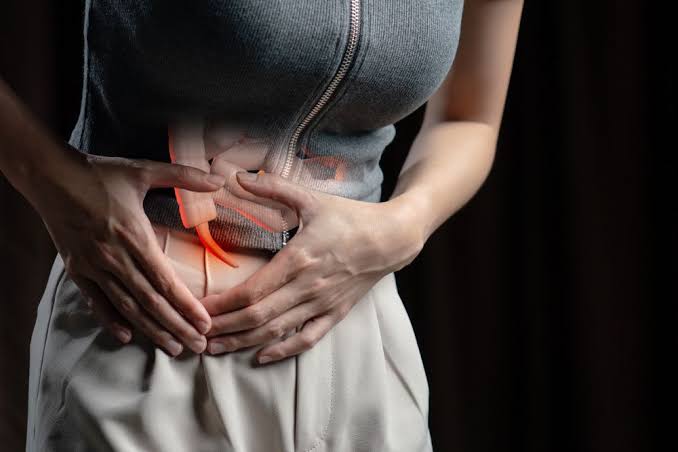
Why does my left side of my stomach hurt? It’s a question that sends most people straight to a search bar, and understandably so, since the left abdomen houses several important organs.
Pain in this area can range from a harmless bout of gas to something that needs urgent medical attention. Location, timing, severity, and accompanying symptoms all matter when trying to figure out the cause.
Why Does My Left Side of My Stomach Hurt? Quick Overview
Left-sided abdominal pain isn’t one single condition. It’s a symptom that can point to your stomach, spleen, pancreas, left kidney, colon, or even your reproductive organs.
Doctors often divide the abdomen into upper and lower sections to narrow down the cause. Where exactly your pain sits matters as much as how it feels.
Mild, short-lived discomfort is usually related to gas, indigestion, or minor muscle strain. Severe, persistent, or worsening pain deserves a closer look.
What Organs Are on the Left Side of Your Abdomen?
Understanding which organs live in this region makes it much easier to connect your symptoms to a likely cause.
| Organ | Location | Main Function |
|---|---|---|
| Stomach | Upper left, center | Breaks down food with acid and enzymes |
| Spleen | Upper left, under ribs | Filters blood, removes old cells |
| Pancreas | Upper left, behind stomach | Produces digestive enzymes and hormones |
| Left kidney | Upper left, back area | Filters waste, balances fluids |
| Descending colon | Lower left | Moves waste toward elimination |
| Left ovary (in women) | Lower left, pelvis | Releases eggs, produces hormones |
Since so many organs overlap in this space, pinpointing the exact cause often requires paying attention to more than just location alone.
Upper Left Abdominal Pain: Common Causes
Pain in the upper left abdomen, just below your ribs, often points to the stomach, spleen, or pancreas. Here are the most frequent causes.
Gastritis
Gastritis is inflammation of the stomach lining, and because the stomach sits slightly left of center, it commonly causes upper left pain. It can come with nausea and a burning sensation.
Common triggers include infections, alcohol use, and long-term use of NSAIDs. Treatment usually involves medication and dietary changes.
Stomach Ulcers
A stomach ulcer is an open sore in the stomach lining that can cause a burning, gnawing pain in the upper left area. Pain often worsens on an empty stomach.
Ulcers can heal with proper treatment but tend to return if the underlying cause, like an infection, isn’t addressed.
Pancreatitis
Pancreatitis is inflammation of the pancreas and one of the more serious causes of upper left pain. It typically causes severe, unrelenting pain that may radiate to the back.
Nausea and vomiting often accompany pancreatitis. This condition usually requires prompt medical evaluation and treatment.
Enlarged Spleen (Splenomegaly)
An enlarged spleen can cause a dull, nagging ache or a feeling of fullness in the upper left abdomen. Infections and liver disease are common underlying causes.
In rare cases, an enlarged spleen can rupture, which is a medical emergency, especially after any recent injury to the area.
Lower Left Abdominal Pain: Common Causes
Pain below the belly button on the left side often relates to the colon, though other systems can be involved too.
Gas and Bloating
Trapped gas is one of the most common and least serious causes of lower left pain. It can cause sharp, cramping discomfort that comes and goes.
This type of pain often improves after passing gas or having a bowel movement, and it usually isn’t a cause for concern.
Diverticulitis
Diverticulitis happens when small pouches in the colon wall, called diverticula, become inflamed or infected. These pouches most often form on the lower left side.
Symptoms typically include steady pain, fever, and changes in bowel habits. Left untreated, diverticulitis can lead to more serious complications.
Irritable Bowel Syndrome (IBS)
IBS is a chronic condition affecting the large intestine that can cause cramping, bloating, and irregular bowel habits. Symptoms often flare with certain foods or stress.
Unlike diverticulitis, IBS pain tends to fluctuate rather than remain constant, and it usually isn’t linked to fever or infection.
Constipation
A buildup of stool in the colon can cause pressure and cramping on the lower left side. This is one of the most common everyday causes of this symptom.
Increasing fiber and water intake often resolves constipation-related pain within a day or two.
Kidney-Related Causes of Left Side Pain
Your left kidney sits toward the back of your upper abdomen, and problems here can cause pain that radiates to your side or back.
Kidney Stones
Kidney stones cause pain when they block part of the urinary tract. The pain is often sudden, severe, and may come in waves as the stone moves.
Blood in the urine and pain that radiates to the groin are common accompanying signs. Most small stones pass on their own with hydration.
Kidney Infection
A kidney infection can cause pain in the back or side, along with fever, frequent urination, and a burning sensation while urinating. This requires prompt antibiotic treatment.
Left untreated, kidney infections can spread and become more serious, so timely medical care matters.
Reproductive Causes of Left Side Pain in Women
For women, left-sided pain can sometimes originate in the reproductive organs rather than the digestive or urinary system.
Ovulation Pain
Some women experience a brief, sharp twinge on one side during ovulation, often called mittelschmerz. It typically lasts a few minutes to a few hours.
This pain alternates sides depending on which ovary releases an egg that month and usually isn’t a cause for concern.
Ovarian Cysts
Ovarian cysts are fluid-filled sacs that can cause dull, one-sided pelvic pain. Most cysts are harmless and resolve on their own.
Larger cysts or ones that rupture can cause sudden, severe pain that requires prompt medical evaluation.
Menstrual Cramps
Menstrual cramps can sometimes feel more intense on one side, including the left, depending on individual anatomy and timing within the cycle.
Over-the-counter pain relief and heat therapy often help manage typical menstrual cramping effectively.
Referred Pain: When the Real Problem Is Somewhere Else
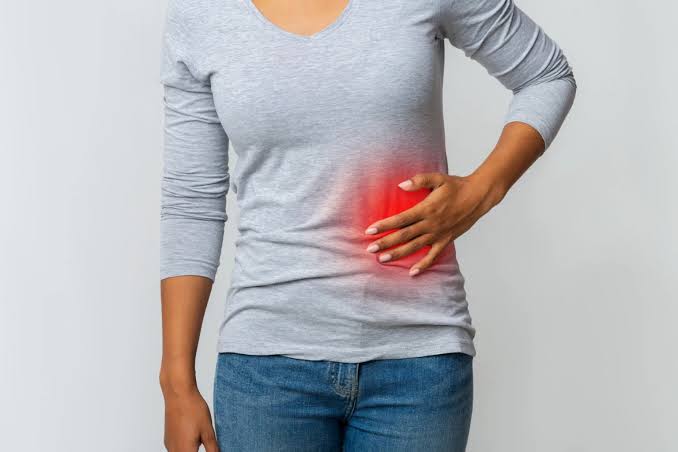
Sometimes pain you feel on your left side doesn’t actually originate there. This is called referred pain, and it can make diagnosis tricky.
Certain heart conditions can cause pain that radiates toward the upper left abdomen or chest. This is one of the most important possibilities to rule out quickly.
Musculoskeletal issues, like a pulled muscle or rib injury, can also mimic organ-related pain. A recent fall, workout, or forceful cough are common triggers.
Comparing Pain Types: What Your Symptoms Might Mean
The character of your pain, not just its location, gives useful diagnostic clues. This table breaks down common pain types and likely causes.
| Pain Description | Possible Cause |
|---|---|
| Sharp, comes in waves | Kidney stone |
| Dull, constant ache | Enlarged spleen, IBS |
| Burning, worse on empty stomach | Ulcer or gastritis |
| Sudden and severe | Pancreatitis, ruptured cyst, appendicitis (rare) |
| Cramping that eases after a bowel movement | Gas, IBS, constipation |
| Steady pain with fever | Diverticulitis, kidney infection |
Sharing this kind of detail with your doctor can significantly speed up an accurate diagnosis.
Red Flag Symptoms: When to Seek Emergency Care
Most causes of left side abdominal pain are manageable, but certain symptoms mean you shouldn’t wait to get checked out.
- Sudden, severe pain that comes on quickly
- Pain following a recent injury or accident
- Fever along with abdominal pain
- Vomiting blood or passing blood in your stool
- Dizziness, fainting, or a rapid heartbeat
- Pain that spreads to your chest or shoulder
- Inability to pass gas or have a bowel movement
If you experience any of these alongside your pain, seek emergency medical care right away rather than waiting to see if it improves.
When to See a Doctor for Left Side Stomach Pain
Not every ache needs an emergency room visit, but some situations still call for a scheduled doctor’s appointment rather than home care alone.
Pain that lasts more than a few days, even if mild, is worth discussing with your doctor. Persistent symptoms rarely resolve completely on their own.
Unexplained weight loss, changes in bowel habits, or blood in your stool are signs that warrant prompt evaluation, even without severe pain.
If you’re pregnant and experiencing left side pain, contact your provider promptly, since some causes require specific pregnancy-safe evaluation and care.
How Doctors Diagnose Left Side Abdominal Pain
Understanding the diagnostic process can help you feel more prepared for an appointment and know what to expect.
A physical exam, including pressing on different areas of your abdomen, often gives your doctor an early clue about which organ is involved.
Blood tests can reveal signs of infection, inflammation, or organ function issues. Urine tests help rule out kidney or urinary tract problems.
Imaging, such as an ultrasound or CT scan, is often used to get a clearer picture of the stomach, spleen, kidney, colon, or reproductive organs.
Home Care for Mild Left Side Stomach Pain
If your pain is mild and you don’t have any red flag symptoms, a few home strategies can offer relief while your body settles down.
Bowel rest can help with gas or digestive-related discomfort. Try sticking to bland, easy-to-digest foods for a short period.
Staying hydrated supports digestion and helps with both constipation and kidney stone symptoms. Water should be your primary go-to fluid.
Applying gentle heat, like a warm compress or heating pad, can ease cramping caused by gas, IBS, or minor menstrual discomfort.
Over-the-counter remedies like antacids or gas relief medication can help with mild indigestion-related pain, but should be used as directed.
Foods and Habits That May Trigger Left Side Pain
Certain dietary patterns are more likely to bring on left-sided discomfort, especially for people prone to IBS, gas, or acid reflux.
High-fat and heavily processed foods can slow digestion and increase bloating. Carbonated drinks are another common trigger for gas-related pain.
Eating too quickly or in large portions can overwhelm digestion and lead to cramping. Smaller, more frequent meals often ease this issue.
Chronic stress can also worsen gut-related pain, particularly for people with IBS, since stress directly affects digestive motility and sensitivity.
Preventing Left Side Stomach Pain
While you can’t prevent every possible cause, a few consistent habits can lower your overall risk of frequent discomfort.
Eating a diet rich in fiber, fruits, and vegetables supports regular digestion and reduces constipation-related pain over time.
Staying well hydrated throughout the day helps prevent both constipation and kidney stone formation, two common contributors to this symptom.
Managing stress through activities like walking, stretching, or mindfulness can meaningfully reduce flare-ups tied to IBS and gut sensitivity.
Routine checkups allow your doctor to catch developing issues, like ulcers or kidney problems, before they progress to more painful stages.
Left Side Pain in Men vs. Women: Key Differences
While many causes overlap between men and women, a few considerations are worth noting separately.
Women should factor in reproductive causes, like ovulation, cysts, and menstrual cramps, alongside the usual digestive and urinary possibilities.
Men are more likely to experience certain hernias, particularly inguinal hernias, which can cause a noticeable bulge along with lower abdominal discomfort.
Both men and women share equal risk for causes like kidney stones, diverticulitis, gastritis, and IBS, so these should never be ruled out based on gender alone.
Rare but Serious Causes to Know About
While most left side pain traces back to common issues, a few less frequent conditions are worth knowing about, especially if symptoms persist.
Left-Sided Appendicitis
The appendix typically sits on the right side, but rare anatomical variations mean some people are born with it positioned on the left. Appendicitis in this case still causes severe, worsening pain.
This is uncommon, but it’s a reminder that persistent, escalating pain always deserves medical evaluation rather than assumptions based on typical anatomy.
Bowel Obstruction
A blockage in the intestine can prevent food or stool from passing through normally, leading to pain, bloating, and an inability to have a bowel movement.
Vomiting, abdominal swelling, and loud bowel sounds often accompany this condition. It requires prompt medical attention to prevent complications.
Hernias
A hernia occurs when tissue pushes through a weak spot in the abdominal wall, sometimes causing a visible lump along with lower abdominal discomfort.
Hernias don’t resolve on their own and often require surgical repair, particularly if the bulge becomes painful, red, or difficult to push back in.
Pancreatic or Colon Cancer
In rare cases, persistent left side pain paired with unexplained weight loss, fatigue, or changes in bowel habits can signal a more serious underlying condition like cancer.
These cases are uncommon relative to the other causes on this list, but they underscore why persistent, unexplained pain should never be ignored for too long.
Tracking Your Symptoms Before Your Appointment
Coming prepared to a doctor’s visit can make diagnosis faster and more accurate. A short symptom log is one of the most useful tools available.
Note when the pain started, how long it lasts, and whether it comes and goes or stays constant. Patterns often point directly to a likely cause.
Track any triggers you notice, such as specific foods, physical activity, or timing around your menstrual cycle if applicable.
Write down any additional symptoms, even ones that seem unrelated, like fatigue, fever, or changes in appetite. These small details can be surprisingly diagnostic.
| Symptom to Track | Why It Matters |
|---|---|
| Timing (before/after meals) | Helps identify digestive triggers |
| Pain scale (1 to 10) | Shows severity and progression |
| Associated symptoms | Narrows down possible organ systems |
| Duration of each episode | Distinguishes chronic vs. acute causes |
| Response to home remedies | Guides treatment decisions |
Bringing this information to your appointment can significantly cut down on the number of tests needed to reach a diagnosis.
Key Takeaways
Before you decide whether to wait it out or seek care, keep these core points in mind. They summarize the most important guidance from this guide.
- Mild, gas-related pain is common and usually resolves within a day
- Upper left pain often involves the stomach, spleen, or pancreas
- Lower left pain often involves the colon or reproductive organs
- Sudden, severe pain paired with fever or vomiting needs urgent care
- Tracking your symptoms helps your doctor diagnose the cause faster
Keeping this checklist in mind can help you respond calmly and appropriately the next time left side pain shows up.
Left Side Pain in Children
Children can experience left side abdominal pain too, and the causes often differ slightly from what’s typical in adults.
Constipation is one of the most common causes of recurring left-sided pain in kids, often linked to low fiber intake or inconsistent bathroom habits.
Gastroenteritis, commonly known as a stomach bug, can also cause cramping pain along with vomiting or diarrhea, usually resolving within a few days.
Persistent or severe pain in a child should always be evaluated by a pediatrician, since children can have difficulty accurately describing their symptoms.
Frequently Asked Questions (FAQs)
Why does my left side of my stomach hurt after eating?
Pain after eating often points to gastritis, an ulcer, or gas buildup. Fatty or spicy meals are common triggers worth tracking.
Why does my left side of my stomach hurt when I press on it?
Tenderness when pressing usually suggests inflammation nearby, such as gastritis or diverticulitis. Persistent tenderness should be checked by a doctor.
Can stress cause left side stomach pain?
Yes, stress can worsen IBS symptoms and increase gut sensitivity. Managing stress often reduces the frequency of these flare-ups.
Is left side stomach pain a sign of a heart problem?
In rare cases, yes, especially if pain radiates to the chest or shoulder. Seek emergency care if you suspect this.
Why does my left side hurt only at night?
Nighttime pain can relate to acid reflux worsening while lying down, or gas buildup from earlier meals settling in the colon.
Can left side stomach pain mean appendicitis?
It’s uncommon but possible if the appendix is positioned unusually. Severe, worsening pain should always be evaluated promptly.
Why does my left side hurt during my period?
Menstrual cramps or ovulation pain often localize to one side depending on individual anatomy. This is usually normal but manageable.
How long is too long for left side stomach pain to last?
Pain lasting more than a few days, even if mild, should be discussed with a doctor rather than managed at home indefinitely.
Can dehydration cause left side stomach pain?
Yes, dehydration contributes to constipation and increases kidney stone risk, both common causes of this type of discomfort.
Should I go to the ER for left side stomach pain?
Go immediately if pain is sudden and severe, follows an injury, or comes with fever, vomiting blood, or dizziness.
Conclusion
So, why does my left side of my stomach hurt? The cause could be as simple as trapped gas or as involved as a kidney stone, ulcer, or spleen issue.
Paying attention to exactly where the pain sits, how it feels, and what symptoms come with it gives you and your doctor the clearest path to an accurate diagnosis.
Mild, short-lived discomfort is usually safe to manage at home with rest, hydration, and simple dietary adjustments while you monitor how it progresses over the next day or two.
Tracking your symptoms, including timing, triggers, and pain intensity, can make any doctor’s visit faster and more productive if the discomfort doesn’t resolve on its own.
If you notice any red flag symptoms, such as severe pain, fever, or blood in your stool, don’t wait it out. Seek medical attention promptly to rule out anything serious and get the right treatment started as soon as possible.