Why Does My Cat Keep Biting Me? Cat Behavior 2026
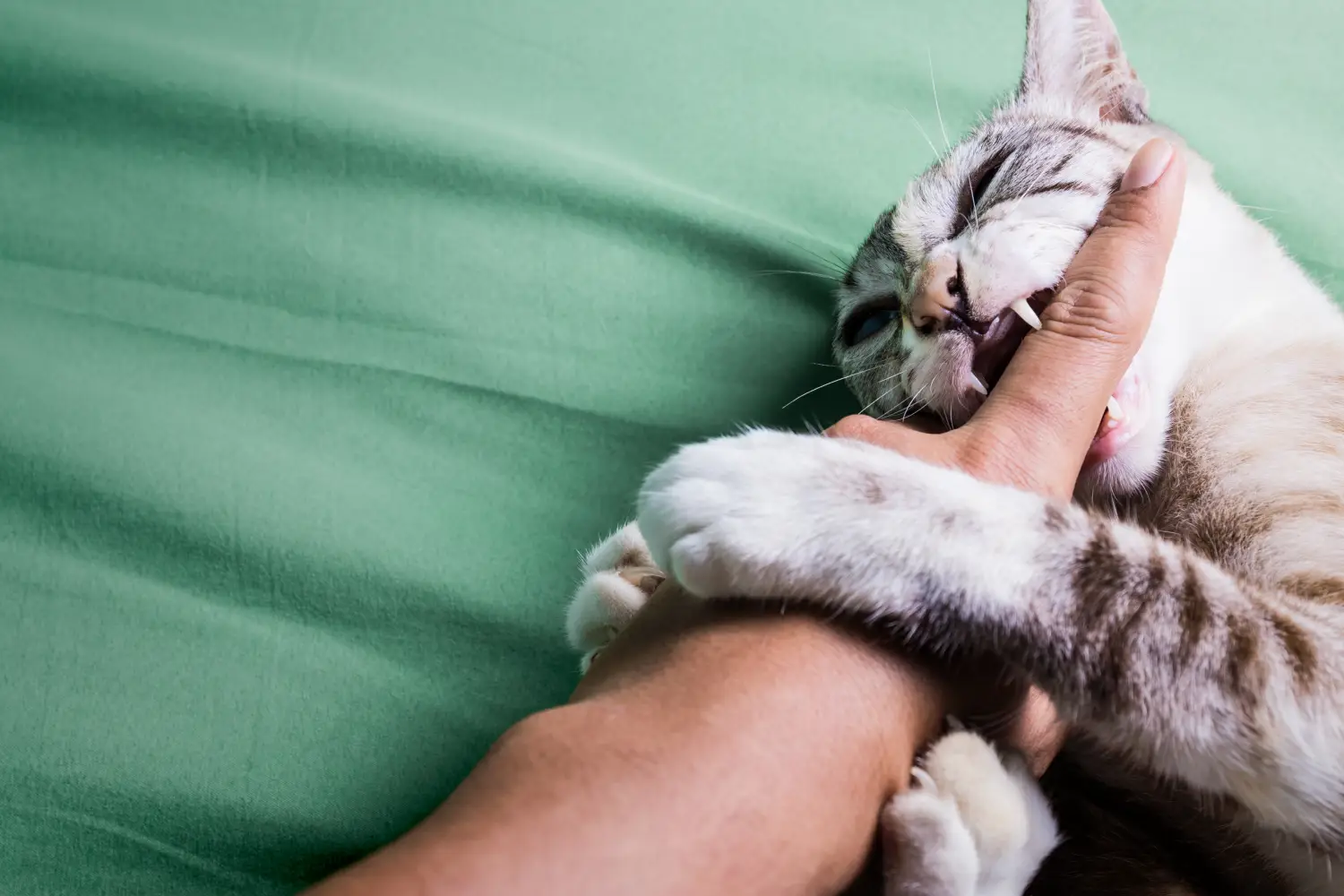
Why does my cat keep biting me, even when it seems like nothing provoked it? Cats communicate very differently from humans and often use their teeth to express emotions or needs rather than pure aggression.
Biting can mean playfulness, overstimulation, fear, pain, or even affection, depending on the context and your cat’s body language. Understanding the difference matters, since a “love bite” calls for a very different response than a fear-based or pain-related bite.
Why Does My Cat Keep Biting Me? Is It Normal
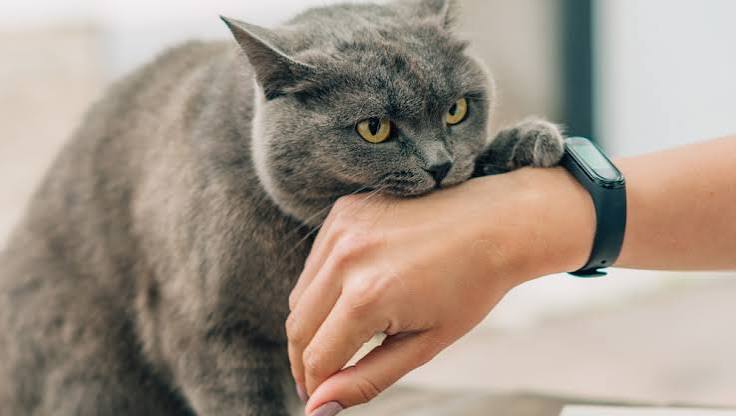
Yes, biting is a normal part of how cats communicate and interact with the world.
Kittens especially use biting during play as part of natural development.
Occasional gentle nips don’t necessarily mean something is wrong with your cat.
Quick Overview Table: Common Reasons Cats Bite
| Reason | What’s Happening | How Common |
|---|---|---|
| Play aggression | Redirected hunting instinct onto hands or feet | Very common |
| Overstimulation | Petting continues past your cat’s comfort level | Very common |
| Love bites | Gentle nips as a sign of affection or bonding | Common |
| Fear or stress | Defensive reaction to feeling threatened | Common |
| Redirected aggression | Frustration from another source taken out on you | Moderate |
| Pain or illness | Reaction to being touched somewhere sore | Less common |
| Attention-seeking | Nipping to get you to respond or engage | Common |
| Teething | Kittens biting to relieve gum discomfort | Very common in kittens |
Common Reasons Cats Bite Their Owners
Play Aggression
Play biting is one of the most frequent reasons cats nip at their owners.
Cats have a natural hunting instinct, and without proper outlets, they may direct it at hands or feet.
Kittens separated from littermates too early often haven’t learned proper bite control.
Overstimulation During Petting
Overstimulation happens when petting continues longer than your cat actually enjoys.
Cats have a lower tolerance for prolonged touch compared to many other pets.
Watch for early warning signs like a flicking tail or flattened ears before a bite happens.
Love Bites
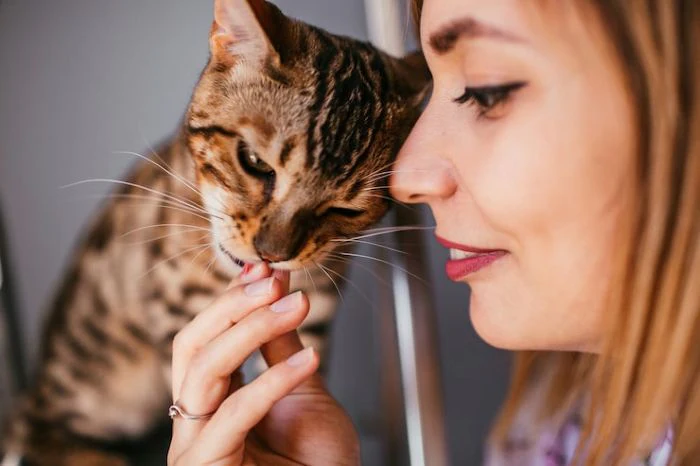
Love bites are gentle nips that don’t usually break the skin and come with relaxed body language.
Cats may lightly bite while purring, kneading, or during calm, affectionate moments.
These bites are a quirky but genuine form of bonding, not aggression.
Fear or Stress-Based Biting
A scared or threatened cat may bite defensively as a last resort.
This type of bite is often sudden, quick, and paired with hissing or crouching.
Loud noises, unfamiliar people, or feeling cornered can all trigger this response.
Redirected Aggression
Sometimes a cat becomes frustrated by something they can’t reach, like another animal outside.
That built-up tension can spill over onto the nearest person, even if you weren’t the cause.
Providing toys or an outlet for that energy can help prevent this misdirected biting.
Pain or Illness
Cats often hide discomfort well, and biting may be their only way to signal pain.
A normally friendly cat that suddenly starts biting during handling may be dealing with an underlying issue.
Conditions like arthritis, dental pain, or skin irritation are common culprits behind this type of biting.
Attention-Seeking Behavior
Some cats learn that biting gets an immediate reaction from their owner.
If nipping consistently gets you to respond, your cat may repeat the behavior to get attention.
Ignoring the bite and walking away can help break this learned pattern over time.
Teething in Kittens
Kittens between three and six months old often chew and bite due to teething discomfort.
This behavior is usually directed at objects, though it can occasionally extend to hands.
Offering appropriate teething toys can help relieve their discomfort safely.
Table: Love Bite vs Aggressive Bite
| Feature | Love Bite | Aggressive Bite |
|---|---|---|
| Body language | Relaxed, soft eyes, slow blink | Tense posture, flattened ears |
| Intensity | Gentle, rarely breaks skin | Firm, may break skin |
| Timing | During calm affection | During fear, pain, or overstimulation |
| Tail | Relaxed or still | Flicking or thumping |
| Sound | Purring | Hissing or growling |
Reading Your Cat’s Body Language Before a Bite
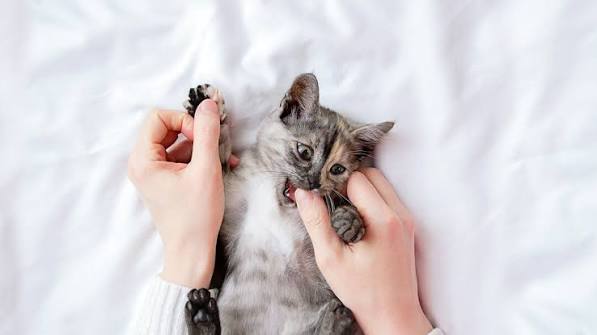
Restlessness is often the very first sign that your cat has had enough interaction.
A twitching tail, flattened ears, or rippled skin are common pre-bite warning signals.
Wide eyes, an arched back, and puffed-up fur usually indicate fear or stress building up.
Table: Warning Signs and What They Mean
| Warning Sign | Likely Meaning |
|---|---|
| Tail flicking | Approaching overstimulation |
| Flattened ears | Stress or irritation |
| Dilated pupils | Overstimulation or fear |
| Hissing or growling | Fear or defensive warning |
| Crouching low | Fear or feeling threatened |
Why Some Cats Bite More Than Others
Early Socialization Matters
Kittens that learn proper bite control from littermates tend to bite less as adults.
Cats separated too early may not understand how to moderate the force of their bites.
Encouraging appropriate play from a young age helps shape better long-term habits.
Individual Personality and Tolerance
Just like people, cats have different thresholds for touch, noise, and interaction.
Rescue cats or those with rough handling in their past may bite more quickly.
Learning your specific cat’s limits helps prevent unwanted bites over time.
Does Biting Mean My Cat Doesn’t Like Me?
Not necessarily. Many bites stem from instinct, overstimulation, or communication rather than dislike.
Even affectionate cats can bite if their signals are missed or ignored.
Understanding the pattern behind your cat’s bites often reveals it isn’t personal at all.
How to Respond in the Moment
Stay calm and avoid sudden movements or loud reactions after being bitten.
Gently remove yourself from the situation to give your cat space to settle.
Avoid punishing your cat physically, since this can increase fear and future aggression.
Table: What To Do vs What To Avoid
| Do | Avoid |
|---|---|
| Stay calm and still | Yelling or sudden movements |
| Walk away calmly | Physically punishing your cat |
| Clean the wound thoroughly | Ignoring a broken-skin bite |
| Observe triggers afterward | Repeating the same interaction immediately |
How to Stop Play-Related Biting
Always use toys instead of hands during play sessions with your cat.
Redirect your cat’s attention to a toy the moment biting starts during play.
Rotate toys regularly to keep your cat engaged and less likely to target your hands.
How to Prevent Overstimulation Bites
Keep petting sessions short, especially with cats known to get overstimulated quickly.
Focus on areas cats typically enjoy, like the head and neck, rather than the belly.
Stop petting at the first sign of tail flicking or ear flattening.
How to Reduce Fear-Based Biting
Avoid startling your cat, especially while they’re sleeping or resting.
Approach calmly and let your cat see and sense you before making contact.
Give anxious cats a safe, quiet space they can retreat to when overwhelmed.
When to Suspect a Medical Cause
A sudden change in a previously calm cat’s biting behavior is worth investigating.
Biting specifically when touched in one area may point to localized pain.
A veterinary checkup can rule out arthritis, dental issues, or other underlying conditions.
When to See a Vet or Behaviorist
Frequent, unpredictable, or worsening biting deserves professional attention.
A veterinarian can rule out medical causes before addressing behavior separately.
Certified cat behaviorists can help identify triggers and create a long-term training plan.
Caring for a Cat Bite Wound
Wash the affected area thoroughly with soap and warm water right away.
Pat the area dry and cover it with a clean dressing if the skin was broken.
Seek medical attention if you notice redness, swelling, or signs of infection.
Long-Term Strategies to Reduce Biting
Provide regular structured playtime using toys, not hands or feet.
Add enrichment like puzzle feeders, cat trees, and rotating toys to reduce boredom.
Maintain a predictable routine, since cats feel safer with consistency.
Reward calm, gentle behavior with treats or praise to reinforce good habits.
Frequently Asked Questions (FAQs)
Why does my cat bite me when I pet them?
This is usually overstimulation. Watch for tail flicking or flattened ears as warning signs.
Is my cat’s bite a sign of affection or aggression?
Love bites are gentle and paired with relaxed body language, while aggressive bites are tense and forceful.
Why does my cat bite me out of nowhere?
It could be redirected aggression, fear, or an underlying pain issue you haven’t noticed yet.
Can kittens grow out of biting behavior?
Yes, with proper redirection to toys and consistent training, most kittens outgrow rough biting.
Should I punish my cat for biting?
No, physical punishment can increase fear and worsen aggressive behavior over time.
Why does my cat bite me and then lick me?
This often reflects affection mixed with mild overstimulation during bonding moments.
Can stress cause my cat to bite more often?
Yes, stress lowers a cat’s tolerance for touch and can lead to more frequent biting.
Are cat bites dangerous to humans?
Yes, cat bites can introduce bacteria and lead to infection if not cleaned properly.
When should I take my cat to the vet for biting?
See a vet if biting is sudden, frequent, or paired with signs of pain or illness.
How can I stop my cat from biting during play?
Always use toys instead of hands, and redirect biting attempts immediately during playtime.
Conclusion
Cats bite for a wide range of reasons, from playful hunting instinct and overstimulation to fear, pain, or even affection through gentle love bites. Learning to read your cat’s body language, like tail flicking, flattened ears, or dilated pupils, can help you spot a bite before it happens.
Most biting behavior is manageable through consistent training, proper play with toys instead of hands, and respecting your cat’s individual comfort level. However, sudden or worsening biting in a previously calm cat is worth a veterinary visit to rule out pain or illness.
With patience, enrichment, and attention to your cat’s signals, most biting behavior can be reduced significantly, strengthening the bond between you and your feline companion.