Why Do Cats Sleep on Your Chest? Signs They Trust You 2026
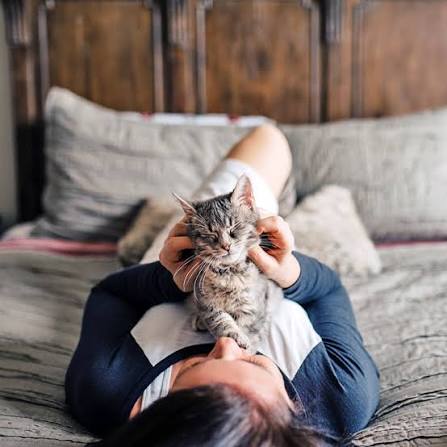
Why do cats sleep on your chest? It usually means your cat feels safe, warm, and deeply bonded with you. This cozy habit isn’t random. Cats are careful about where they rest because sleep makes them vulnerable to danger.
When your cat picks your chest over a soft bed or a sunny windowsill, it’s making a clear statement about how much it trusts you.
Why Do Cats Sleep on Your Chest? What Does It Mean
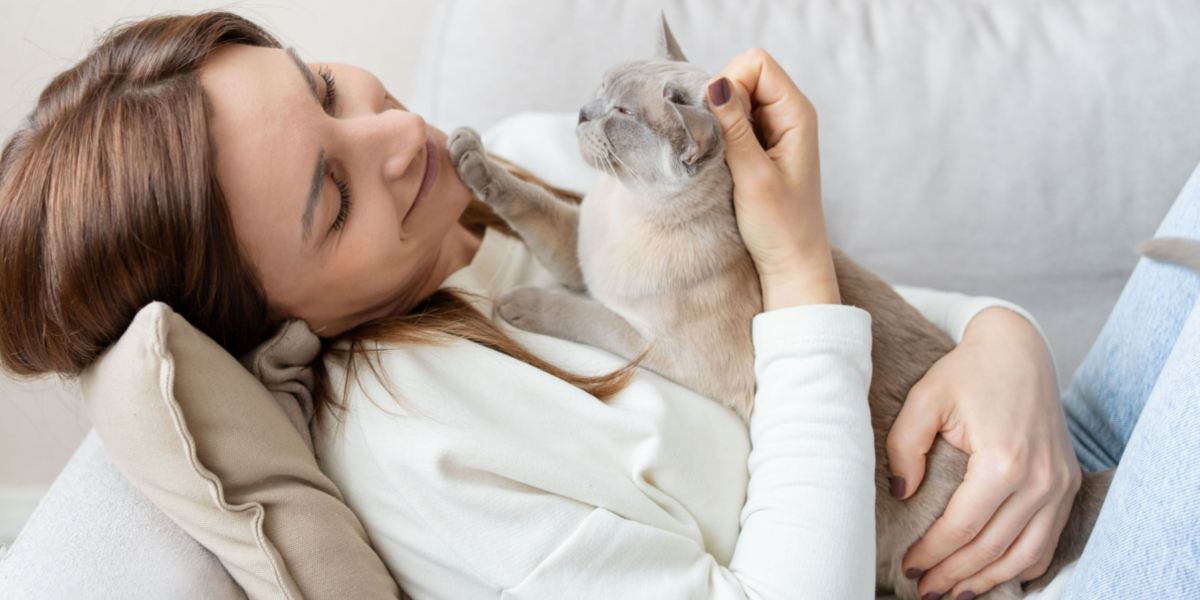
A cat sleeping on your chest is showing one of the highest forms of trust in feline behavior. Cats avoid sleeping in exposed or risky spots.
Choosing your chest means your cat sees you as a safe zone. It has ruled out threats and decided your body is the best place to relax fully.
This behavior combines physical comfort with emotional security. Warmth, sound, scent, and affection all come together in one small spot on your body.
It’s also worth remembering that cats are individuals. Two cats in the same household may show trust in completely different ways, and that’s perfectly normal.
10 Reasons Why Cats Sleep on Your Chest
Cats don’t choose your chest by accident. Below are the ten most common, research-backed and vet-supported reasons your feline friend curls up right on top of you.
1. Trust and Emotional Bonding
Sleep is the most vulnerable state for any animal, including cats. When your cat sleeps on your chest, it’s telling you it feels completely protected.
This kind of trust isn’t instant. It builds slowly through gentle handling, consistent feeding, and calm daily interactions over weeks or months.
2. Warmth and Body Heat
Cats run warmer than humans, with a normal body temperature near 101°F. Even so, they’re drawn to extra heat, especially in cooler months.
Your chest radiates steady warmth all night long. For a cat, that’s more appealing than a cold windowsill or an empty corner of the bed.
3. Heartbeat and Breathing Rhythm
The steady thump of your heartbeat and the rise and fall of your breathing can be deeply soothing to a cat. It mimics sounds from early kittenhood.
Kittens experience this same rhythmic comfort snuggled against their mother and littermates. As adults, cats often seek out that familiar sensation again.
4. Scent Marking and Territory
Cats have scent glands on their cheeks, paws, and head. Lying on your chest lets them leave their scent, marking you as part of their territory.
This isn’t possessive in a negative way. It’s more like your cat saying, “This human is mine,” to any other pets nearby.
5. Comfort From Kittenhood Memories
Many veterinarians believe adult cats replay comforting kitten behaviors with their favorite humans. Chest-sleeping can echo the closeness they once felt with their mother.
This is also why some cats knead blankets or your chest with their paws before settling down. It’s a leftover nursing instinct.
6. Oxytocin and Feel-Good Hormones
Close contact between cats and their trusted humans raises oxytocin, the so-called bonding hormone, in both of you. It’s the same hormone involved in social attachment.
Higher oxytocin levels explain why chest-sleeping sessions often feel calming for cat and owner alike, not just physically but emotionally too.
7. Seeking Attention
Cats are surprisingly social, despite their independent reputation. If your cat jumps on your chest while you’re reading, working, or scrolling your phone, it may just want you.
This is especially common with breeds known for being affectionate, such as Ragdolls, Siamese, and Maine Coons.
8. Safety and Vulnerability
In the wild, cats sleep in groups or hidden spots to stay protected while resting. Domestic cats still carry this instinct even without predators around.
Your chest offers height, warmth, and closeness to a trusted protector, checking every box for a safe sleeping spot in your cat’s mind.
9. Purring and Self-Soothing
Purring while lying on your chest usually signals contentment, but it can also be self-soothing behavior. Cats purr both when relaxed and when mildly anxious.
If the purring is paired with kneading and slow blinking, it’s almost always a sign of comfort rather than stress.
10. Favorite Person Bond
In multi-person homes, cats often pick one favorite human to sleep on. Research suggests this choice depends on who reads their cues and interacts with them most.
If your cat consistently chooses your chest over everyone else’s, congratulations. You’ve likely earned the title of its favorite person.
Signs Your Cat Trusts You
Chest-sleeping is only one signal among many. The table below breaks down other common trust signs and what they typically mean.
| Behavior | What It Signals |
|---|---|
| Sleeping on your chest | Deep trust, warmth-seeking, bonding |
| Exposing belly while resting | Feels safe and unthreatened |
| Slow blinking at you | Feline version of a kiss |
| Kneading with paws | Comfort, contentment, kitten memory |
| Following you room to room | Attachment and social bonding |
| Bringing you toys or “gifts” | Sharing resources, affection |
| Head-butting or cheek rubbing | Scent marking, claiming you as family |
Other Cat Sleeping Positions and What They Mean
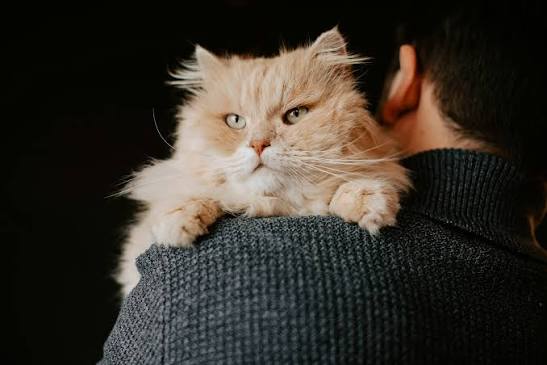
Where your cat sleeps says as much as how it sleeps. Here’s a quick reference for common positions besides chest-sleeping.
| Sleeping Position | Likely Meaning |
|---|---|
| Curled in a tight ball | Conserving heat, mildly cautious |
| Sprawled on the back, belly exposed | Total relaxation and trust |
| Sleeping beside you, not touching | Trust with independence |
| At your feet | Attachment without direct contact |
| Hidden in a box or under furniture | Seeking privacy, not a trust issue |
| On your head or shoulder | Warmth-seeking, strong closeness |
Is It Healthy to Let Your Cat Sleep on Your Chest
For most people, letting a cat sleep on the chest is harmless and even beneficial. Petting a purring cat can lower stress and blood pressure.
However, it isn’t ideal for everyone. Allergy sufferers, light sleepers, and people with breathing difficulties may want to rethink the habit.
Benefits of Chest-Sleeping With Your Cat
Shared sleep can strengthen your bond and offer real relaxation benefits for both of you. It’s a quiet, low-effort form of connection.
Studies on human-animal interaction link close pet contact with reduced cortisol and improved mood, particularly during rest or downtime.
Downsides of Chest-Sleeping With Your Cat
A cat’s weight and movement can disturb your sleep cycle, especially if it’s active at night or repositions itself often.
Allergies, litter box residue, or sharp claws during kneading can also make chest-sleeping less comfortable for some owners.
| Pros | Cons |
|---|---|
| Stronger emotional bond | Possible sleep disruption |
| Lower stress and blood pressure | Allergy flare-ups |
| Added warmth on cold nights | Hygiene concerns from litter or outdoor time |
| Comforting, rhythmic presence | Claws or kneading discomfort |
When Cat Sleeping on Chest Could Signal a Problem
Chest-sleeping is usually sweet and harmless, but sudden changes in the pattern deserve a closer look. Cats communicate a lot through shifts in habit.
If a cat that never slept on you suddenly does so constantly, it could be seeking comfort due to stress, illness, or anxiety.
The opposite is also worth noting. A cat that stops sleeping on you abruptly may be dealing with pain, discomfort, or an environmental change.
Other Signs of Stress to Watch For
Stress in cats doesn’t always look dramatic. It often shows up in small, easy-to-miss behavioral shifts around the house.
Watch for hiding more than usual, changes in appetite, excessive grooming, or new litter box avoidance alongside sleep pattern changes.
When to Contact a Veterinarian
If behavioral changes last more than a few days or come with other symptoms, it’s worth scheduling a vet visit.
A vet can rule out pain, illness, or anxiety and help you understand whether the change is medical or simply behavioral.
How to Encourage or Redirect This Behavior
If you enjoy your cat sleeping on your chest, you can reinforce it gently. Consistency and positive association work best with cats.
Keep your sleep routine predictable, offer calm affection before bed, and avoid startling your cat awake, which can reduce future trust.
If You Want to Redirect Your Cat Elsewhere
Not everyone wants a cat on their chest all night, and that’s completely reasonable. Redirecting takes patience, not punishment.
Place a warm, cozy bed close to where you sleep. Cats are more likely to accept a new spot if it’s nearby, not far away.
Building a Cat-Friendly Sleep Setup
A heated cat bed, a piece of your worn clothing, or a soft blanket with your scent can make an alternative spot far more appealing.
Reward your cat with praise or a treat when it uses the new spot, reinforcing the behavior you want to encourage over time.
Tips for Safe Co-Sleeping With Your Cat
If you’re comfortable sharing your bed, a few simple habits keep the experience pleasant for both of you long-term.
Wash bedding regularly, keep your cat’s claws trimmed, and maintain flea and parasite prevention to avoid hygiene or health issues.
For Allergy Sufferers
If allergies are a concern, keep the bedroom door closed at night and use a HEPA air purifier to reduce airborne allergens.
Regular grooming and bathing your cat, when tolerated, can also help minimize the amount of dander in your sleeping space.
For Light Sleepers
If your cat’s movement disturbs you, consider a larger bed so there’s room for both of you without constant contact.
A consistent bedtime routine, including a play session before sleep, can also tire your cat out and reduce nighttime restlessness.
Do Certain Cat Breeds Sleep on Chests More Often
Personality and breed can influence how affectionate a cat is at bedtime. Some breeds are famous for wanting constant physical closeness with their owners.
Ragdolls, Siamese, Sphynx, and Maine Coons are often described as especially cuddly. Hairless breeds like the Sphynx also seek out warmth more aggressively since they lack a fur coat.
That said, breed is only part of the story. Individual personality, early socialization, and the strength of your bond usually matter more than breed alone.
Rescue Cats and Trust-Building
Rescue cats may take longer to feel safe enough to sleep on your chest. Past experiences can make some cats more cautious at first.
Patience pays off here. Many rescue cats eventually become the most affectionate chest-sleepers once they feel fully secure in their new home.
Kittens vs. Adult Cats: Does Chest-Sleeping Change With Age
Kittens often sleep close to their mother and littermates for warmth and safety. This early habit shapes how they seek comfort later in life.
As kittens grow into adult cats, many transfer that same comfort-seeking behavior onto their trusted human, using your chest as a stand-in for that early closeness.
Senior Cats and Sleeping Habits
Older cats may sleep on your chest more often as they age, partly for warmth and partly due to reduced mobility or joint discomfort.
If an older cat’s sleeping habits change suddenly, it’s worth checking with a vet, since arthritis or other age-related conditions can affect comfort and behavior.
What Science Says About Cats and Human Bonding
Research on human-cat interaction shows that close contact with a trusted cat can measurably lower blood pressure and stress hormones in humans.
Cats also show elevated oxytocin during calm bonding time with their favorite people, similar to patterns seen in other companion animals like dogs.
Cats vs. Dogs: Is the Bonding Different
Cats express affection more subtly than dogs, which can make behaviors like chest-sleeping easy to underestimate as a bonding signal.
Because cats are naturally more independent, choosing to sleep in a vulnerable, close position with you carries even more emotional weight than it might for a dog.
| Comparison | Cats | Dogs |
|---|---|---|
| Vulnerability during sleep | High, instinctively cautious | Moderate, generally more relaxed |
| Common trust display | Chest-sleeping, belly exposure | Leaning, close contact, eye contact |
| Bonding hormone | Oxytocin rises with trusted humans | Oxytocin rises with trusted humans |
| Affection style | Subtle, selective | Open, frequent |
Common Myths About Cats Sleeping on Your Chest
A few misconceptions about this behavior are worth clearing up, since they can lead owners to misread their cat’s intentions.
Myth: Cats Only Do It for Warmth
Warmth plays a role, but it’s rarely the only reason. Trust, scent, sound, and emotional bonding usually matter just as much as body heat.
Myth: It Means Your Cat Is Overly Dependent
Chest-sleeping reflects healthy attachment, not unhealthy dependence. Most cats that sleep on their owners still show independence during waking hours.
Myth: All Cats Naturally Do This
Not every cat enjoys close physical contact, even with owners they trust deeply. Some show affection through nearby presence instead of direct contact.
How to Tell the Difference Between Affection and Anxiety
Chest-sleeping is usually a positive behavior, but context matters. Watching your cat’s body language helps you tell contentment from stress.
A relaxed cat will have loose muscles, slow blinking, and steady purring. An anxious cat may seem tense, dig in claws, or shift positions frequently.
Body Language Cues to Watch
Ears held forward, a relaxed tail, and half-closed eyes usually indicate comfort. Flattened ears or a twitching tail can suggest unease instead.
If your cat seems tense while lying on your chest, gently offer an alternative resting spot rather than forcing continued closeness.
Seasonal Changes and Chest-Sleeping Habits
Cats often sleep on your chest more frequently during colder months, when your body heat becomes a more valuable resource for them.
During warmer weather, some cats prefer cooler surfaces like tile floors or windowsills instead, which is completely normal and not a sign of reduced affection.
Adjusting for Your Cat’s Comfort
If your cat still seeks you out in warm weather, a light cotton sheet between you can help prevent overheating while keeping the closeness intact.
Providing a cooling mat nearby gives your cat the option to regulate its own temperature without losing access to you.
Quick Recap Table: Reasons Cats Sleep on Your Chest
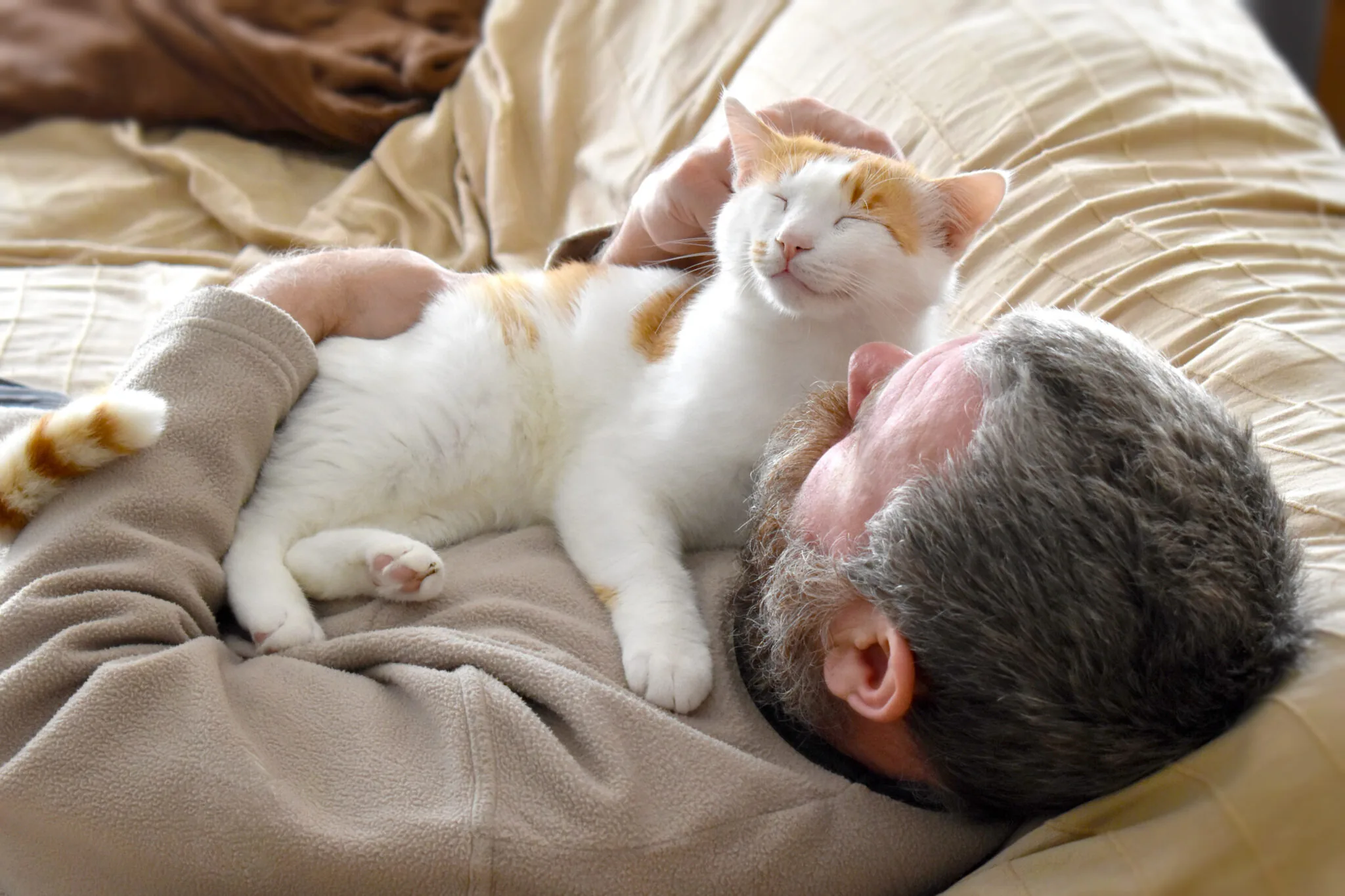
Here’s a condensed summary table pulling together the main reasons covered throughout this guide for quick reference.
| Reason | Category |
|---|---|
| Trust and bonding | Emotional |
| Warmth from body heat | Physical |
| Heartbeat and breathing rhythm | Sensory |
| Scent marking | Instinctive |
| Kittenhood comfort memories | Behavioral |
| Oxytocin release | Biological |
| Attention seeking | Social |
| Safety instincts | Instinctive |
| Purring and self-soothing | Emotional |
| Favorite person bond | Social |
Frequently Asked Questions (FAQs)
Why does my cat only sleep on my chest at night?
Nighttime is when your body is most still and warm, making your chest the coziest, safest spot available. Your cat also seeks closeness during quiet hours.
Is it bad to let my cat sleep on my chest every night?
It’s generally safe for most people and often strengthens your bond. Allergy sufferers or light sleepers may prefer a nearby bed instead.
Why does my cat knead my chest before sleeping?
Kneading is a leftover kitten nursing instinct linked to comfort and contentment. It usually means your cat feels relaxed and secure with you.
Does my cat sleeping on my chest mean it loves me?
Yes, it’s one of the clearest signs of feline affection and trust. Cats rarely rest in vulnerable spots near anyone they don’t feel safe with.
Why did my cat suddenly stop sleeping on my chest?
Sudden changes can signal discomfort, pain, or stress, but they can also reflect a simple environmental shift. Watch for other behavior changes too.
Can cats sense my heartbeat when they sleep on me?
Yes, cats can hear and feel your heartbeat clearly at close range. Many find the steady rhythm calming, similar to comfort felt in kittenhood.
Why does my cat prefer my chest over a cat bed?
Your chest offers warmth, heartbeat sounds, and your scent all at once, something no cat bed can fully replicate on its own.
Is it normal for only one person’s cat to sleep on their chest?
Yes, cats often bond most closely with one household member, usually whoever reads their cues and interacts with them most consistently.
How can I stop my cat from sleeping on my chest?
Offer a warm bed nearby, keep your door closed if needed, and reward your cat for using its own spot consistently over time.
Does chest-sleeping mean my cat sees me as its mother?
Not exactly, but the comfort echoes early kittenhood closeness with their mother. It reflects deep trust rather than a literal maternal bond.
Conclusion
Why do cats sleep on your chest? At its core, this habit is about warmth, trust, and connection. Your cat isn’t choosing you by accident. It’s responding to your body heat, your heartbeat, your scent, and the emotional safety you provide.
From kneading and purring to full belly-exposed relaxation, every related behavior points back to the same idea: your cat feels secure with you. While chest-sleeping isn’t right for every household, especially with allergies or light sleepers, it remains one of the sweetest signs of feline affection.
If your cat suddenly changes this habit, pay attention, since shifts can hint at stress or health concerns. Otherwise, enjoy it. A cat curled up on your chest is choosing you, night after night, as its safest place to rest.