Why Is My Mouth Watering? Causes and Treatment 2026

Why is my mouth watering is a question many people search when they notice unusual amounts of saliva building up without eating anything. This condition is medically known as hypersalivation or sialorrhea.
The average person produces between 0.75 and 1.5 liters of saliva daily, but certain triggers can push production well beyond normal levels, causing discomfort or embarrassment.
Quick Facts Table: Mouth Watering Overview
Here is a quick summary of the most important facts about excessive saliva before we explore the full details.
| Fact | Detail |
|---|---|
| Medical term | Hypersalivation or sialorrhea |
| Normal daily saliva production | 0.75 to 1.5 liters |
| Opposite condition | Dry mouth (xerostomia) |
| Common temporary triggers | Spicy or sour food, nausea, pregnancy |
| Common medical causes | Acid reflux, infections, medications |
| Common neurological causes | Parkinson’s disease, stroke, cerebral palsy |
| When to see a doctor | Lasting more than a few weeks |
What Is Hypersalivation?
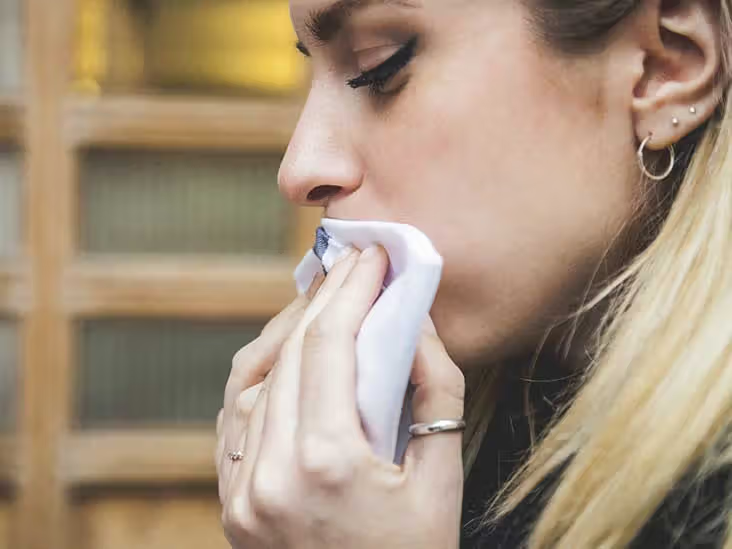
Hypersalivation happens when your salivary glands produce more saliva than your mouth can comfortably manage or swallow normally.
This can lead to drooling, frequent spitting, or a constant watery feeling in the mouth, even without eating anything.
It is the direct opposite of dry mouth, and both extremes can affect your ability to eat, talk, and feel comfortable daily.
Why Saliva Matters for Your Body
Saliva plays several important roles beyond just helping you chew and swallow food comfortably throughout the day.
It contains enzymes that begin the digestion process, washes away food particles and bacteria, and helps neutralize harmful acids in your mouth.
Saliva also delivers calcium and fluoride to your teeth, helping to strengthen enamel and prevent cavities over time.
Why Is My Mouth Watering: Common Causes
There are many possible explanations for excessive mouth watering, ranging from harmless daily triggers to conditions needing medical attention.
1. Thinking About or Smelling Food
Simply smelling, seeing, or even thinking about delicious food can trigger your salivary glands to increase production instantly.
This is a normal reflex response and usually settles down quickly once the stimulus, like a food smell, is gone.
2. Eating Spicy, Sour, or Acidic Foods
Citrus fruits, spicy dishes, and sour candies are well known to stimulate salivary glands more than other types of food.
This reaction is completely normal and is your body’s way of helping protect your mouth and aid digestion.
3. Nausea
Feeling nauseous often triggers increased saliva production as the body prepares for possible vomiting, even if it does not happen.
This connection between nausea and mouth watering is common and usually resolves once the underlying nausea passes.
4. Pregnancy
Hormonal changes, especially during the first trimester, commonly cause excessive salivation in pregnant women, a condition called ptyalism gravidarum.
This typically improves after childbirth, though staying hydrated and chewing sugar-free gum can help manage symptoms in the meantime.
5. Gastroesophageal Reflux Disease (GERD)
GERD is one of the most common digestive causes of excessive saliva. Stomach acid backing up triggers extra saliva production.
This extra saliva helps neutralize the acid and protect the esophagus, often occurring alongside heartburn and occasional nausea.
6. Poor Oral Hygiene
When bacteria build up due to inconsistent brushing and flossing, salivary glands may increase production to help wash away irritants.
Improving your daily oral hygiene routine can often help normalize saliva production within a short period of time.
7. Dental Problems and Infections
Tooth infections, abscesses, or irritation from dentures can all trigger the mouth to produce more saliva than usual.
If mouth watering occurs alongside pain or swelling, a dental evaluation can help identify and treat the underlying issue.
8. Medications
Certain medications list increased saliva production as a known side effect, including some used for psychiatric or neurological conditions.
If you suspect a medication is causing your symptoms, talk to your doctor before making any changes to your prescription.
9. Neurological Conditions
Conditions like Parkinson’s disease, stroke, cerebral palsy, and multiple sclerosis can affect the muscles involved in swallowing saliva properly.
In these cases, saliva may accumulate in the mouth even when production levels are normal, creating a watering sensation.
10. TMJ Disorders
Problems with the jaw joint can affect how efficiently you swallow, making it seem like you are producing more saliva than normal.
Jaw pain, clicking sounds, or difficulty chewing alongside excess saliva may point toward an underlying TMJ issue.
11. Anxiety and Stress
Stress and anxiety can affect the nervous system in ways that increase saliva production for some individuals.
Stress can also worsen other underlying causes, like acid reflux or TMJ disorders, indirectly increasing mouth watering symptoms.
12. Poisoning or Toxin Exposure
In rare cases, hypersalivation can result from exposure to toxins, such as certain spider or reptile bites, or poisonous mushrooms.
This is uncommon but serious, and requires immediate emergency medical attention if suspected as a cause.
Common vs Serious Causes Comparison Table
Understanding which causes are typically harmless versus which need medical evaluation can help you decide your next step.
| Cause Type | Examples | Usually Requires Medical Care |
|---|---|---|
| Temporary and harmless | Food smell, spicy food, brief nausea | No |
| Hormonal | Pregnancy | Rarely, unless severe |
| Digestive | GERD, acid reflux | Sometimes, if persistent |
| Dental | Infections, poor hygiene, dentures | Yes, if pain or swelling present |
| Neurological | Parkinson’s, stroke, cerebral palsy | Yes, always |
| Toxin related | Poisoning, venomous bites | Yes, emergency care |
Hypersalivation vs Drooling: What Is the Difference?
Hypersalivation refers to the actual overproduction of saliva by the salivary glands inside the mouth.
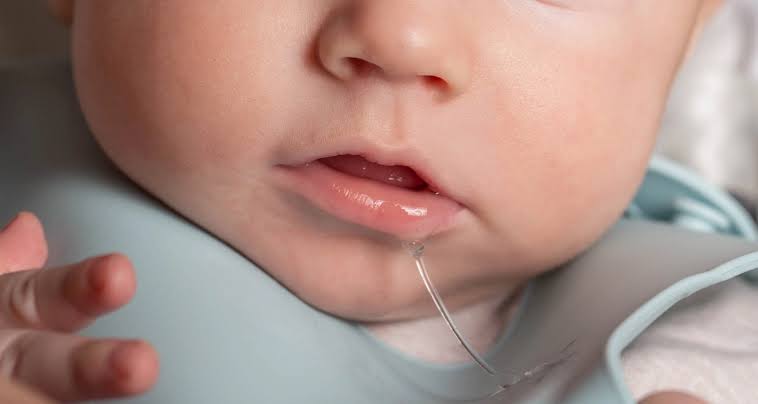
Drooling, on the other hand, happens when that excess saliva escapes the mouth, often due to reduced swallowing control.
Someone can experience hypersalivation without visible drooling if their swallowing reflex is still working normally and efficiently.
Symptoms That Often Accompany Excessive Mouth Watering
Excessive saliva rarely occurs completely alone. It often appears alongside other symptoms that can help identify the underlying cause.
Common accompanying symptoms include drooling, frequent spitting, chapped lips, mild nausea, and occasional difficulty speaking clearly.
Tracking these additional symptoms can help your doctor or dentist narrow down the most likely cause more quickly.
When Mouth Watering Signals Something Serious
While most cases of mouth watering are harmless and temporary, certain warning signs suggest it is time to seek medical care.
| Warning Sign | Possible Concern |
|---|---|
| Lasting more than a few weeks | Underlying chronic condition |
| Difficulty swallowing | Neurological or muscular issue |
| Pain or facial swelling | Dental infection or abscess |
| Breathing difficulty | Medical emergency |
| Sudden onset after a bite or exposure | Possible poisoning |
If you notice any of these signs, it is important to consult a healthcare provider promptly rather than waiting.
How Doctors Diagnose the Cause of Excessive Saliva
A doctor or dentist will typically start with a physical examination and a detailed review of your symptoms and medical history.
They may ask about recent medications, diet changes, digestive symptoms, and any neurological symptoms you may have noticed.
In some cases, additional tests like imaging or swallowing studies may be recommended to pinpoint the exact underlying cause.
Treatment Options for Excessive Mouth Watering

Treatment depends heavily on the underlying cause, ranging from simple lifestyle changes to medical procedures in more complex cases.
Lifestyle and Home Remedies
Drinking water throughout the day, chewing sugar-free gum, and practicing good oral hygiene can help manage mild symptoms effectively.
Avoiding known trigger foods, like very spicy or sour items, may also reduce unnecessary salivary gland stimulation.
Medications
Doctors may prescribe medications that reduce saliva production for chronic hypersalivation, particularly when linked to neurological conditions.
These medications should always be used under medical supervision due to possible side effects like dry mouth or dizziness.
Speech and Swallowing Therapy
For people with swallowing difficulties, therapy focused on improving muscle coordination can significantly reduce drooling and saliva pooling.
This approach is often recommended for conditions like stroke recovery or cerebral palsy where swallowing control is affected.
Botox Injections
In some medical cases, Botox injections into the salivary glands can temporarily reduce saliva production for several months at a time.
This option is typically reserved for more severe, chronic cases that do not respond well to other treatments.
Surgical Options
Rarely, surgery may be considered to remove or reroute salivary glands in cases of extreme, treatment-resistant hypersalivation.
This is usually a last resort, used only after other conservative treatment options have been fully explored.
Home Remedies Comparison Table
Here is a simple comparison of common home remedies people use to manage mild, occasional mouth watering symptoms.
| Remedy | How It Helps |
|---|---|
| Drinking water | Encourages swallowing and balances mouth moisture |
| Sugar-free gum | Increases swallowing frequency naturally |
| Avoiding trigger foods | Reduces unnecessary salivary gland stimulation |
| Good oral hygiene | Reduces bacteria that can trigger excess saliva |
| Smaller, frequent meals | May help reduce reflux-related saliva increases |
Mouth Watering in Children
Children, especially infants and toddlers, often experience increased saliva production during teething, which is completely normal and temporary.
Excessive drooling that continues well beyond typical teething age may warrant a conversation with a pediatrician for evaluation.
Parents should also watch for signs of swallowing difficulty, which can sometimes indicate an underlying developmental or neurological concern.
Mouth Watering and Sleep
Some people notice mouth watering or drooling specifically during sleep, often related to sleeping position or nasal congestion.
Sleeping on your back can help reduce saliva pooling in the mouth compared to sleeping on your side or stomach.
If nighttime drooling is heavy and persistent, it may be worth mentioning to your doctor, as it can sometimes relate to sleep apnea.
The Connection Between Mouth Watering and Nausea
Nausea and excessive saliva frequently occur together because both involve overlapping nerve pathways in the digestive and nervous systems.
This connection is especially common during pregnancy, motion sickness, and certain gastrointestinal illnesses that cause stomach upset.
Addressing the root cause of nausea often helps resolve the associated mouth watering symptoms as well.
Can Anxiety Really Cause Mouth Watering?
Yes, anxiety can influence the nervous system in ways that affect salivary gland activity, though reactions vary between individuals.
Some people experience increased saliva during anxious moments, while others may notice the opposite effect, a dry mouth instead.
Managing anxiety through relaxation techniques, therapy, or lifestyle changes may help reduce these stress-related saliva fluctuations over time.
Diet Tips to Manage Excessive Saliva
Adjusting your diet can play a meaningful role in reducing unnecessary salivary gland stimulation throughout the day.
Limiting spicy, sour, and highly acidic foods can prevent unnecessary triggering of excess saliva production in sensitive individuals.
Staying hydrated and eating smaller, more frequent meals may also help reduce reflux-related saliva increases significantly.
Understanding Your Salivary Glands
Saliva is produced by three main pairs of glands located around your mouth and jaw, each contributing differently to total saliva output.
The parotid glands, located near your ears, produce a large portion of saliva, especially during eating and chewing activities.
The submandibular and sublingual glands, located under the jaw and tongue, contribute the remaining saliva, including much of your resting saliva flow.
Understanding this anatomy helps explain why certain conditions, like infections or blockages in specific glands, can lead to localized excess saliva.
The Science Behind Food-Triggered Mouth Watering
The classic reflex of mouth watering at the sight or smell of food is rooted in a well-documented biological response.
This reflex, often referenced through Pavlov’s famous experiments, shows how the brain links sensory cues like smell directly to salivary gland activity.
Even imagining a favorite meal can activate this same pathway, which is why cravings often come with a noticeably watery mouth.
This response is completely normal and actually helps prepare your digestive system for the food you are about to eat.
Mouth Watering vs Excessive Thirst
People sometimes confuse mouth watering with excessive thirst, but these are actually very different physiological experiences with different causes.
Excessive thirst usually relates to dehydration or blood sugar issues, while mouth watering involves the salivary glands producing too much fluid.
If you are experiencing both symptoms together, it may be worth discussing with a doctor, as it could point to conditions like diabetes.
Common Myths About Mouth Watering
Several misunderstandings exist around excessive saliva that can lead people to worry unnecessarily or ignore symptoms that need attention.
Myth: Mouth Watering Always Means You Are Hungry
While food cues can trigger saliva, many other factors like nausea, reflux, or medications can cause the same sensation unrelated to hunger.
Myth: Excessive Saliva Is Always a Sign of Serious Illness
Most cases are temporary and harmless. Only persistent or severe symptoms typically indicate an underlying medical condition.
Myth: You Cannot Do Anything About Excessive Saliva
Many effective treatments exist, ranging from simple lifestyle changes to medical therapies, depending on the identified underlying cause.
Lifestyle Habits That May Help Long Term
Beyond immediate remedies, certain long-term lifestyle habits can support more balanced saliva production and overall oral health.
Maintaining a consistent oral hygiene routine, including regular dental checkups, helps prevent infections that can trigger excess saliva.
Managing chronic conditions like GERD through diet and medical treatment can also significantly reduce reflux-related saliva increases over time.
Practicing stress management techniques, such as deep breathing or regular exercise, may help regulate nervous system responses linked to saliva production.
Mouth Watering Prevention Checklist
Use this simple checklist to review daily habits that may help reduce unnecessary triggers for excessive saliva production.
Check that you are drinking enough water throughout the day to support balanced digestion and swallowing function.
Confirm you are avoiding excessive amounts of spicy, sour, or acidic foods if you notice they trigger symptoms.
Make sure your oral hygiene routine includes daily brushing, flossing, and regular dental checkups to prevent infections.
Consider tracking symptoms alongside meals, stress levels, and medications to help identify your personal triggers more clearly.
Living with Chronic Hypersalivation
For people managing long-term conditions like Parkinson’s disease, chronic hypersalivation can significantly affect daily comfort and social confidence.
Working closely with a neurologist or specialist can help identify the most effective combination of treatments for long-term symptom management.
Support groups and occupational therapy resources can also provide practical coping strategies for managing drooling in social and daily situations.
Foods and Triggers Quick Reference Table
Here is a quick reference of common food and sensory triggers that can commonly increase saliva production temporarily.
| Trigger | Typical Reaction |
|---|---|
| Citrus fruits | Strong salivary stimulation |
| Spicy dishes | Increased saliva and mild sweating |
| Sour candies | Sharp, immediate saliva increase |
| Smelling cooked food | Anticipatory salivation response |
| Thinking about favorite meals | Mild anticipatory salivation |
These triggers are generally harmless and simply reflect your body’s natural, healthy preparation process for eating and digestion.
Frequently Asked Questions (FAQs)
1. Why is my mouth watering suddenly?
Sudden mouth watering can result from food smells, nausea, acid reflux, or certain medications. Most causes are temporary.
2. Is excessive mouth watering serious?
Usually not, but persistent excessive saliva lasting weeks may indicate an underlying condition needing medical evaluation.
3. Can pregnancy cause mouth watering?
Yes, hormonal changes in early pregnancy commonly cause excess saliva. It typically resolves after childbirth.
4. Does acid reflux cause mouth watering?
Yes, GERD often triggers extra saliva to help neutralize stomach acid. This frequently occurs alongside heartburn symptoms.
5. Can anxiety cause my mouth to water?
Yes, anxiety can affect the nervous system and increase saliva production in some people, though reactions vary.
6. What is the medical term for excessive saliva?
The medical term is hypersalivation or sialorrhea. It describes the body producing more saliva than normal.
7. Can medications cause excessive saliva?
Yes, certain medications list increased saliva as a side effect. Consult your doctor before changing any prescriptions.
8. When should I see a doctor about mouth watering?
See a doctor if it lasts more than a few weeks, causes swallowing trouble, or comes with pain or swelling.
9. Can poor oral hygiene cause mouth watering?
Yes, bacteria buildup can trigger extra saliva production. Improving brushing and flossing habits often helps normalize this.
10. Are there treatments for chronic hypersalivation?
Yes, treatments include medications, therapy, Botox injections, or surgery in severe, treatment-resistant cases.
Conclusion
Why is my mouth watering usually has a simple, harmless explanation, such as smelling food, eating something spicy, or feeling briefly nauseous. In most everyday cases, this reflex response settles down on its own without needing any treatment or medical intervention.
However, excessive saliva that lasts for weeks, comes with swallowing difficulty, or appears alongside pain, swelling, or neurological symptoms deserves closer attention. Conditions like GERD, dental infections, medication side effects, and neurological disorders like Parkinson’s disease can all contribute to ongoing hypersalivation that benefits from proper diagnosis and treatment.
By tracking your symptoms, adjusting your diet, and consulting a doctor or dentist when needed, most cases of excessive mouth watering can be managed effectively. Understanding the root cause is the first step toward finding lasting relief and comfort in 2026 and beyond.