Why Does My Cat Have a Bald Spot? Fleas or Ringworm? 2026
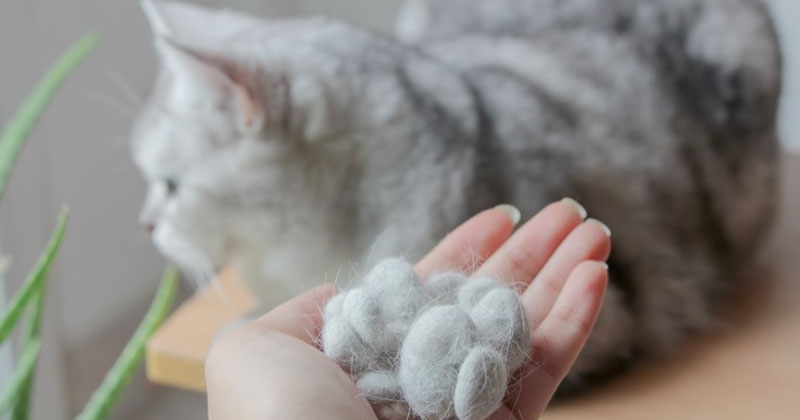
Why does my cat have a bald spot is a common concern among cat owners who suddenly notice missing fur. This can be worrying, especially when the cause isn’t obvious.
Two of the most common culprits are fleas and ringworm. However, several other conditions can also lead to hair loss in cats.
Quick Overview Table
| Category | Common Cause | Typical Location |
|---|---|---|
| Parasites | Fleas, mites | Lower back, tail base |
| Fungal Infection | Ringworm | Ears, head, front legs |
| Allergies | Food, environmental | Face, neck, ears |
| Behavioral | Stress (overgrooming) | Belly, thighs, sides |
| Medical | Hormonal, thyroid issues | Widespread on body |
Why Does My Cat Have a Bald Spot
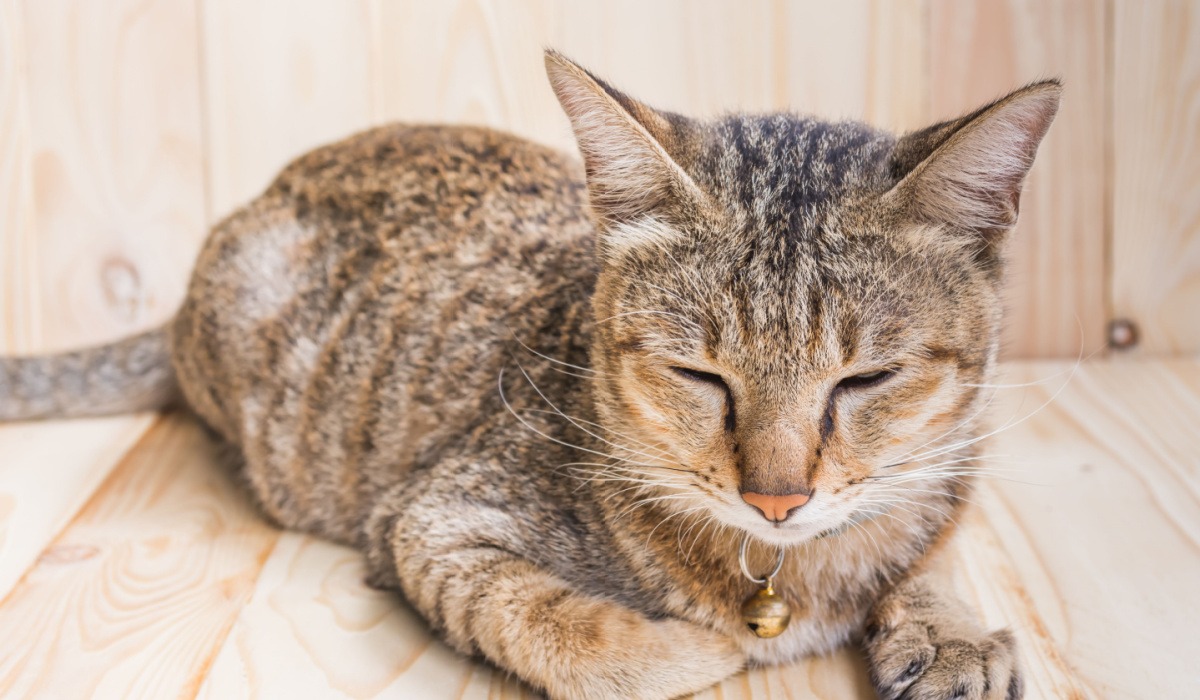
A bald spot on your cat usually signals an underlying skin issue. It can result from parasites, infections, allergies, or excessive grooming.
In many cases, the location and appearance of the bald spot offer clues about the cause. Fleas often affect the back and tail, while ringworm creates circular patches.
Identifying the exact cause is important, as some conditions are contagious to humans and other pets.
Fleas and Flea Allergy Dermatitis
Fleas are the most common cause of bald spots in cats. Cats can develop an allergic reaction to flea saliva called flea allergy dermatitis, or FAD.
This allergic reaction leads to intense itching, prompting cats to overgroom or scratch the area. This behavior often results in bald patches, particularly along the back and tail base.
Cats with FAD may also show red or scabbed skin due to the irritation. Other pets in the household may show similar itching if fleas are present.
Treating the flea infestation with vet-approved products usually resolves the bald spots. Hair typically grows back once the fleas are eliminated.
Ringworm (Fungal Infection)
Despite its name, ringworm is not a worm at all. It is a contagious fungal infection that feeds on keratin in a cat’s skin, hair, and nails.
Ringworm often causes circular, ring-like bald patches with a scaly or dry appearance. Unlike flea-related hair loss, ringworm patches aren’t always itchy.
Common areas affected include the ears, head, and front legs. Ringworm can spread between animals and humans, making prompt treatment important.
Diagnosis usually involves a Wood’s lamp test, fungal culture, or microscopic examination. Treatment typically includes antifungal medication and medicated baths.
Table: Fleas vs Ringworm Comparison
| Feature | Fleas (FAD) | Ringworm |
|---|---|---|
| Cause Type | Parasite allergy | Fungal infection |
| Common Location | Back, tail base | Ears, head, legs |
| Shape of Patch | Irregular | Circular, ring-like |
| Itchiness | Very itchy | Often not itchy |
| Contagious to Humans | No | Yes |
| Treatment | Flea control products | Antifungal medication |
Other Common Causes of Bald Spots

Beyond fleas and ringworm, several other conditions can cause hair loss in cats. Identifying the right cause often requires veterinary evaluation.
Mites
Mite infestations can also cause itching and hair loss in cats. Conditions caused by mites often require insecticide treatment for several weeks.
All pets in the household may need treatment, even if they show no symptoms.
Allergies (Environmental or Food)
Cats can develop allergies to food, pollen, dust, or other environmental triggers. These allergies often cause intense itching, leading to hair loss.
Commonly affected areas include the face, neck, and around the ears. Identifying and removing the allergen is key to treatment.
Stress-Induced Overgrooming (Psychogenic Alopecia)
Some cats overgroom due to stress or anxiety, leading to bald patches. This is known as psychogenic alopecia.
Common triggers include changes in environment, new pets, or household routines. Bald spots from stress often appear on the belly, thighs, or sides.
Contact Irritation
Bald spots can also develop from contact with irritating substances. Certain flea products, cleaning chemicals, or laundry detergents can trigger a reaction.
Bathing the area with plain water can help. Severe reactions may require veterinary treatment.
Hormonal or Thyroid Issues
Hormonal imbalances, such as hyperthyroidism, can affect a cat’s coat and cause hair loss. Hair often becomes brittle, dull, or thin before falling out.
Blood tests are usually needed to diagnose thyroid-related hair loss.
Injury or Cat Bite Abscess
Bald spots can also result from injuries or infected wounds, such as a cat bite abscess. These wounds can become severely infected if untreated.
Veterinary care is often required to properly treat the wound and surrounding skin.
Table: Causes and Typical Symptoms
| Cause | Skin Appearance | Extra Symptoms |
|---|---|---|
| Fleas (FAD) | Red, scabby | Intense itching |
| Ringworm | Circular, scaly | Mild or no itching |
| Mites | Irritated, crusty | Frequent scratching |
| Allergies | Red, inflamed | Face and neck itching |
| Stress | Thinning, no redness | Excessive licking |
| Thyroid Issues | Dull, brittle coat | Weight changes |
Symptoms to Watch For
Bald spots rarely appear alone. Watching for accompanying symptoms can help identify the underlying cause.
Redness, scabbing, or intense itching often points to fleas or allergies. Circular, less itchy patches are more typical of ringworm.
Behavioral changes, excessive licking, or signs of stress may suggest psychogenic alopecia rather than a skin condition.
How Vets Diagnose the Cause
Veterinarians use several methods to determine the cause of bald spots. A physical exam is usually the first step.
For suspected ringworm, a Wood’s lamp test or fungal culture may be used. Skin scrapings can help identify mites.
Blood tests may be needed to rule out thyroid or hormonal issues. Allergy testing can help identify environmental or food triggers.
Easy Fixes and Home Care
While some causes require veterinary treatment, certain home care steps can support your cat’s recovery.
Regular flea prevention treatments help control parasites effectively. Keeping your cat’s environment clean reduces the risk of mites and fungal spores.
Reducing stress through enrichment, playtime, and a stable routine can help with psychogenic alopecia. Avoid harsh chemicals or products that may irritate your cat’s skin.
Table: Home Care vs Vet Treatment
| Approach | Best For | Effectiveness |
|---|---|---|
| Flea Prevention Products | Fleas, FAD | High |
| Antifungal Medication | Ringworm | Necessary |
| Reducing Stress Triggers | Psychogenic alopecia | Moderate to High |
| Allergy Testing | Food or environmental allergies | Necessary |
| Vet Diagnosis | Thyroid issues, infections | Necessary |
When to See a Vet
You should see a vet if the bald spot doesn’t improve within a week or continues to grow larger. Persistent scratching, redness, or scabbing also warrants a visit.
Since ringworm is contagious to humans, prompt diagnosis is especially important. Any signs of infection, such as pus or swelling, need immediate attention.
If your cat shows behavioral changes alongside hair loss, a vet can help rule out pain or stress-related causes.
Prevention Tips
Maintain a consistent flea and parasite prevention routine year-round. Keep your cat’s environment clean and free of potential fungal spores.
Provide enrichment and a stable routine to reduce stress-related grooming. Schedule regular veterinary checkups to catch health issues early.
Avoid exposing your cat to harsh chemicals or unfamiliar animals that may carry infections.
Frequently Asked Questions (FAQs)
1. Why does my cat suddenly have a bald spot?
It’s often caused by fleas, ringworm, or stress-related overgrooming. A vet visit can help confirm the exact cause.
2. How can I tell if it’s fleas or ringworm?
Flea-related spots are usually itchy and appear near the tail. Ringworm patches are circular and often less itchy.
3. Is ringworm contagious to humans?
Yes, ringworm can spread from cats to humans. Careful hygiene is important when handling an infected cat.
4. Can stress cause bald spots in cats?
Yes, stress can lead to overgrooming, known as psychogenic alopecia. Reducing stress triggers often helps.
5. Will my cat’s fur grow back after treatment?
Yes, in most cases, fur grows back once the underlying cause is treated. Recovery time varies by condition.
6. Can food allergies cause hair loss in cats?
Yes, food allergies can cause itching and hair loss. Identifying and removing the allergen usually helps.
7. How long does ringworm take to heal in cats?
Treatment can take several weeks with antifungal medication. Full recovery depends on the severity of the infection.
8. Should I be worried about a single small bald spot?
Not always, especially if there’s no redness or irritation. Monitor it for a week and consult a vet if it worsens.
9. Can mites cause bald spots in cats?
Yes, mite infestations can cause itching and hair loss. Treatment usually requires insecticide products for several weeks.
10. When should I take my cat to the vet for a bald spot?
Visit the vet if the spot grows, doesn’t improve within a week, or shows signs of infection. Prompt diagnosis leads to faster treatment.
Conclusion
Why does my cat have a bald spot often comes down to two common causes: fleas or ringworm. Flea allergy dermatitis usually causes itchy patches near the tail, while ringworm creates circular, less itchy lesions on the head and legs.
Other possible causes include mites, allergies, stress-induced overgrooming, and hormonal issues. Identifying the right cause is essential, since some conditions, like ringworm, can spread to humans and other pets.
Simple steps like regular flea prevention, a clean environment, and reduced stress can help prevent many cases of hair loss. For bald spots that persist, spread, or show signs of infection, a veterinary visit ensures your cat gets the right diagnosis and treatment.
With proper care, most cats recover fully and regrow a healthy coat over time.