Why Are My Cat’s Ears Cold? Causes & Solutions 2026
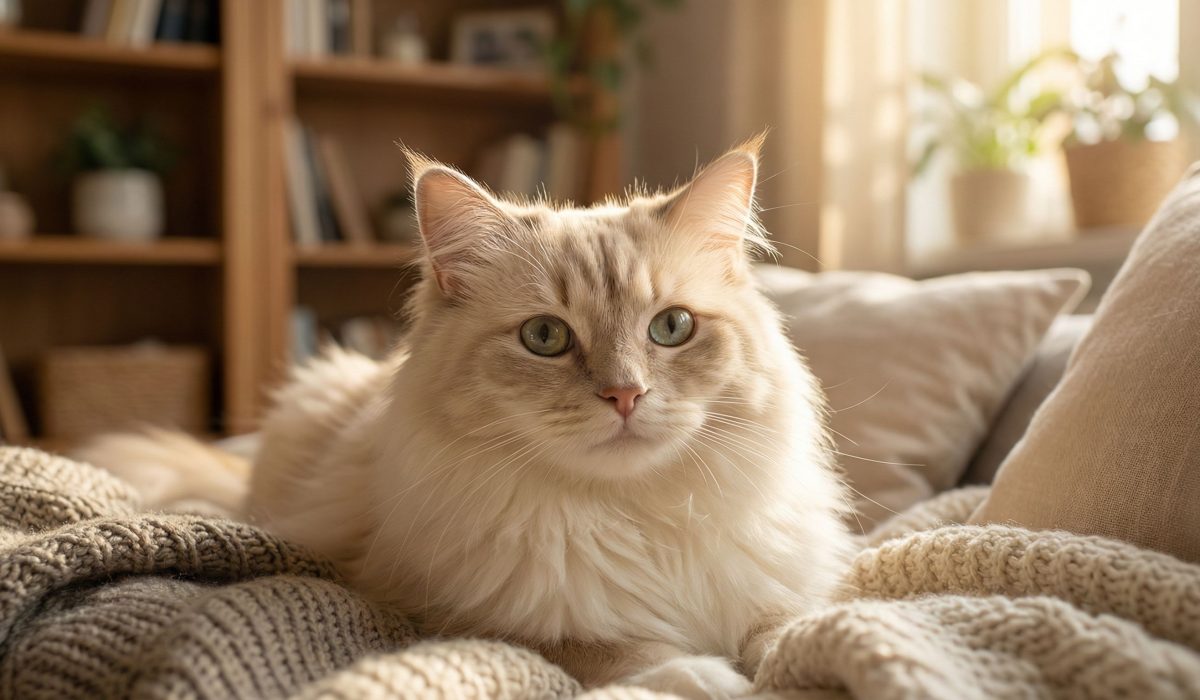
Why Are My Cat’s Ears Cold? Reaching out to pet your cat and feeling cool ears can catch you off guard. It’s one of the most common things cat owners ask about, and most of the time it’s nothing serious.
Why Are My Cats Ears Cold?
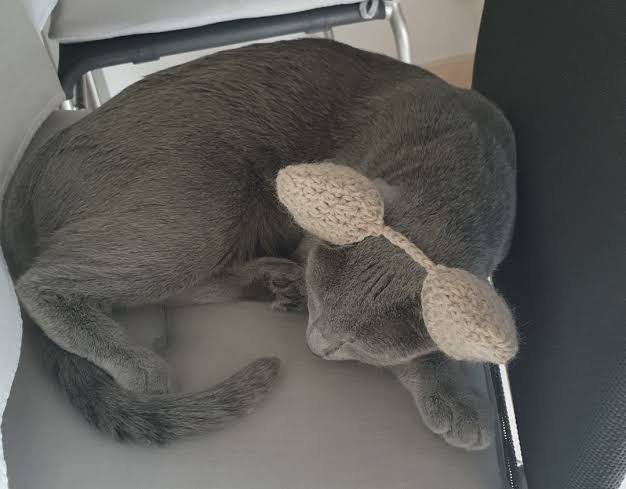
Cold cat ears are usually caused by a cool room, thin ear fur, sleep, or reduced blood flow to the extremities, not illness. It only becomes a concern when cold ears show up alongside lethargy, pale gums, shivering, or slow reactions.
Why Cat Ears Feel Cold So Easily
A cat’s ears have very little fur and fat compared to the rest of its body. This makes them lose heat faster and feel cool to the touch even when the cat is perfectly healthy.
Cats also regulate body temperature through their extremities. When it’s cold, blood vessels in the ears narrow to keep warmth concentrated in the core.
Common Causes of Cold Cat Ears
Room Temperature and Drafts
Air conditioning, open windows, or a chilly room can cool the ears quickly since they have so little insulation. Cats near vents or drafty spots often show this first.
Sleep and Inactivity
Blood circulation naturally slows down during rest. This can leave the ears feeling cooler than when your cat is active or playing.
Normal Temperature Regulation
Cats constrict blood vessels in their ears and paws to conserve core body heat. This is a normal survival mechanism, not a red flag on its own.
Recovery After Surgery or Anesthesia
Cats can struggle to regulate temperature for a few days after spaying or neutering. This is expected and typically resolves on its own.
Age-Related Circulation Changes
Older cats often have slower metabolisms and weaker circulation, making cold ears more common as cats age.
Hypothermia
Prolonged exposure to cold, especially outdoors, can drop a cat’s body temperature dangerously low. This is a genuine emergency, not a minor issue.
Circulatory or Heart Issues
In rarer cases, cold ears paired with lethargy or pale gums can point to poor circulation, shock, or heart disease. These need prompt veterinary evaluation.
Is Feeling the Ears a Reliable Way to Check Temperature?
Not entirely. Cool ears don’t always mean your cat is cold, since a cat’s normal body temperature runs higher than a human’s, between about 100.5°F and 102.5°F.
The most reliable way to judge comfort is watching overall behavior, not just ear temperature.
Signs Your Cat Might Actually Be Cold
- Shivering that doesn’t stop after a minute or two
- Curling into a tight ball repeatedly
- Seeking out warm laps, blankets, or sunny spots
- Cold paws and tail in addition to the ears
- Reduced activity or reluctance to move
Signs That Suggest a Medical Issue, Not Just Cold Ears
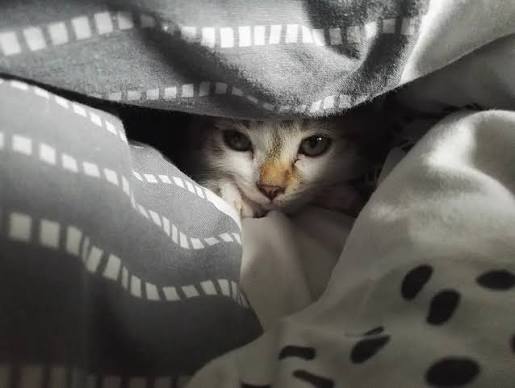
- Pale or bluish gums
- Lethargy or slow response to stimuli
- Swelling around the ears
- Ear bleeding or discharge
- Fever alongside cool ear temperature
- Loss of appetite or unusual hiding behavior
Comparison Table: Normal vs. Concerning Cold Ears
| Sign | Likely Normal | Needs Vet Attention |
|---|---|---|
| Ears feel cool, cat is playful | Yes | No |
| Cool ears after a nap | Yes | No |
| Cool ears with pale gums | No | Yes |
| Cool ears with lethargy | No | Yes |
| Cool ears with swelling | No | Yes |
| Cool ears after being outside in winter | Monitor | Yes if prolonged |
How to Warm Up a Cold Cat Safely
Raise Room Temperature Slightly
Keeping indoor temperatures between roughly 68–77°F helps most cats stay comfortable, especially seniors and short-haired breeds.
Offer a Warm, Draft-Free Bed
A soft bed away from windows, vents, or doors reduces heat loss and gives your cat a cozy retreat.
Use a Cat-Safe Heating Pad
Low-heat, pet-specific heating pads can help without risking burns, especially useful during recovery from surgery.
Encourage Movement and Play
Light activity boosts circulation and can naturally warm up cold extremities like the ears and paws.
Check in After Outdoor Time
If your cat has been outside in cold weather, dry them off and warm them gradually rather than using direct heat sources.
When to See a Vet
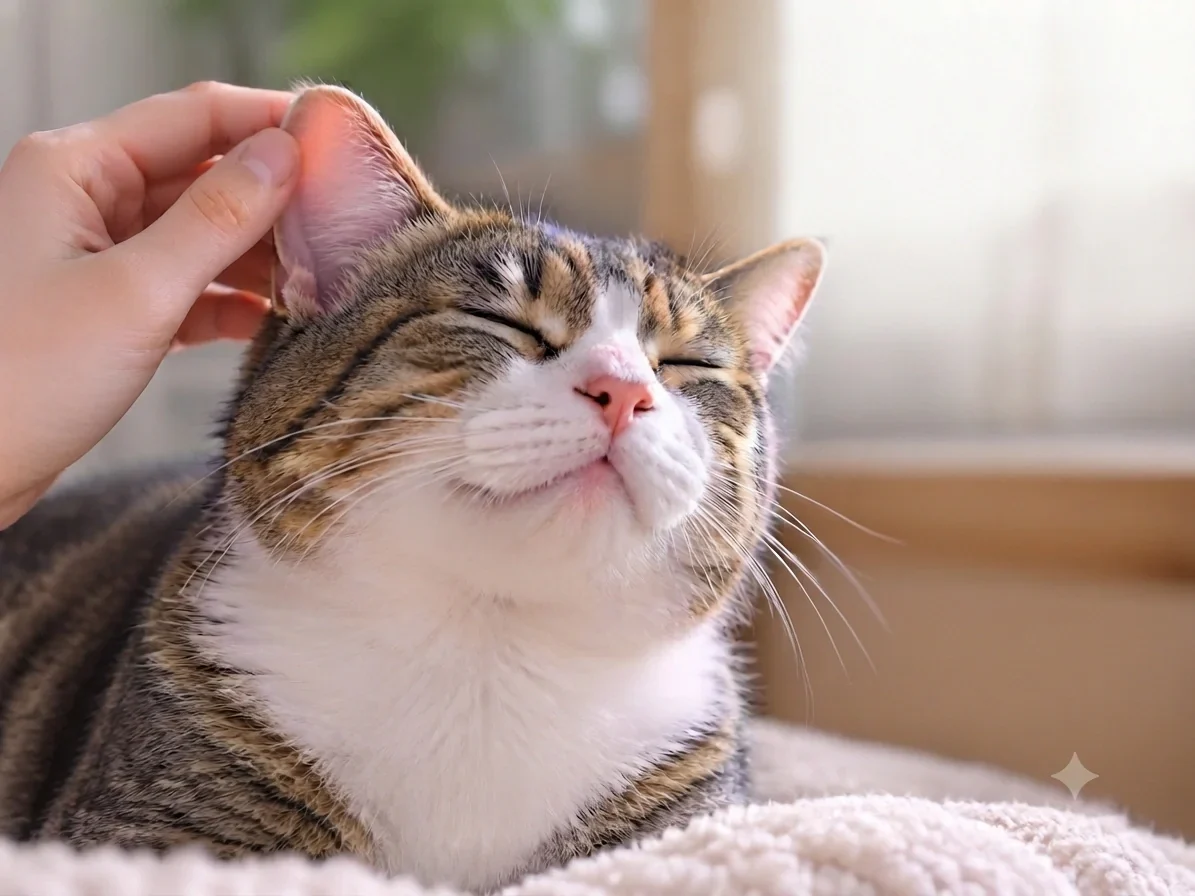
Contact a veterinarian if cold ears come with pale gums, lethargy, swelling, bleeding, fever, or your cat seems slow to respond. These combinations can point to hypothermia, shock, or circulatory problems that need prompt treatment.
A quick checkup can rule out serious causes and give you peace of mind.
Also Read:
- Why Self-Care Is Crucial for Living Life to the Fullest
- Do STIs Affect the Vaginal Microbiome?
- Fitting Clear Aligner Treatment Into a Fourteen Month Engagement
- Why Movement Science Is Vital for Fitness Coaches
- Why Shame Blocks Growth
- Setting Shared Financial Goals
- How Useful Is a PMP Certification for HR Professionals?
- The Digital First Impression Houston Companies Can’t Ignore
- Why Investing in Quality Equipment Matters for Small Trade Businesses
- Driver Behavior Monitoring: What Should Fleets Actually Track?
- QR Generator AI: Creating Smarter Connections Between Print and Digital
- Protecting Digital Content From Piracy Across Multiple Platforms
- The B2B Repricing Decision Sellers Have to Make Before Every Bulk Order
- A Practical Guide to Earth Ground Resistance Testing for Electrical Safety
- How Modern Businesses Combine Technology and Storage Solutions for Better Operations
- Moving a Few Items? Why Small Moves Are Easy to Underestimate
- Top 6 Simple to Implement Barber Scheduling Software
- Why Workstation Sinks Are Becoming a Practical Upgrade for Property Investments
- Quality Meets Affordability in Lab Diamond Tennis Bracelets
- Should You Buy Lab Diamond Tennis Bracelets Now?
- How to Choose the Perfect Lab Diamond Jewelry for Yourself
- The Benefits and Perils of a Last-Minute Wedding
- How to Style Designer Denim for Every Season
Frequently Asked Questions (FAQs)
Why are my cats ears cold but the rest of the body is warm?
Ears lose heat faster because they have little fur or fat, while the body core stays warm through normal circulation and insulation.
Are cold ears a sign my cat is sick?
Not usually. Cold ears alone are common and normal, but paired with lethargy, pale gums, or swelling, they can signal illness.
Is it normal for kittens to have cold ears?
Yes, especially young kittens who haven’t fully developed the ability to regulate their own body temperature yet.
Can cold ears mean my cat has a fever?
Yes, in some cases. A cat can have cold ears while running a fever internally, so checking overall behavior matters more than ear temperature alone.
Why does my senior cat’s ears feel cold more often?
Older cats have slower metabolisms and weaker circulation, which makes their ears and paws feel cooler more frequently.
Should I worry if only one ear feels cold?
A single cold ear, especially with swelling or discharge, can indicate a localized issue like an ear infection and is worth checking.
Can air conditioning cause cold cat ears?
Yes. Cats near AC vents or drafty areas often have cooler ears simply due to airflow, not illness.
How can I tell if my cat is actually cold?
Look for shivering, curling up tightly, seeking warm spots, and cold paws or tail in addition to cold ears.
Is 59°F too cold for a cat?
Yes, most cats start feeling uncomfortable below 59°F, with an ideal indoor range of about 68–77°F.
Can anesthesia cause cold ears after surgery?
Yes. Cats commonly have trouble regulating temperature for a few days after spaying or neutering due to anesthesia effects.
What does it mean if my cat’s ears are cold and swollen?
Swelling combined with cold ears can indicate infection, injury, or in rare cases, more serious internal issues, and should be checked by a vet.
Can stress make a cat’s ears feel cold?
Stress can affect circulation and behavior, sometimes contributing to cooler extremities, though it’s less common than temperature-related causes.
Do outdoor cats get cold ears more often?
Yes, outdoor cats face more temperature swings and wind exposure, making cold ears and even frostbite risk more likely in winter.
How long can a cat’s ears stay cold before it’s a problem?
Occasional coolness isn’t concerning, but ears that stay cold for hours alongside other symptoms warrant a vet visit.
Can heart disease cause cold ears in cats?
Yes. Poor circulation from heart disease can reduce blood flow to the ears, making them feel unusually cold.
Do short-haired cats get cold ears more easily?
Yes, short-haired breeds have less natural insulation and often feel the cold in their ears and body faster than long-haired cats.
Is it safe to use a heating pad on a cold cat?
Yes, as long as it’s a low-heat, pet-specific pad placed with an escape route so your cat can move away if too warm.
Can hypothermia in cats be serious?
Yes, hypothermia is a medical emergency that requires prompt veterinary care, especially after prolonged cold exposure.
Why does my cat’s ears feel cold right after waking up?
Reduced circulation during rest is normal and often causes temporary coolness in the ears right after sleep.
Should I check my cat’s gums if their ears are cold?
Yes. Pale or bluish gums alongside cold ears can indicate poor circulation or shock and should prompt an urgent vet visit.
Conclusion
Cold ears in cats are usually just a normal response to a cool room, rest, or natural body temperature regulation. Genuine concern only arises when cold ears appear alongside other warning signs like lethargy or pale gums.
Keeping your cat warm, watching their overall behavior, and checking in with a vet when something feels off is the safest approach.