Why Do We Have Ear Wax? The Real Reason Your Body Makes It 2026
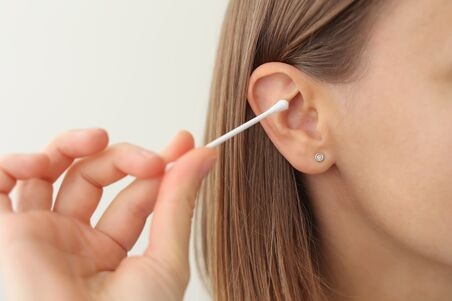
Why do we have ear wax? It is one of the most searched questions about the human body, and the answer is simpler than most people think. Ear wax, medically called cerumen, is not dirt or a sign of poor hygiene.
It is a natural substance your ear glands produce on purpose, and it plays several important roles in keeping your ears healthy.
What Is Ear Wax, Exactly?
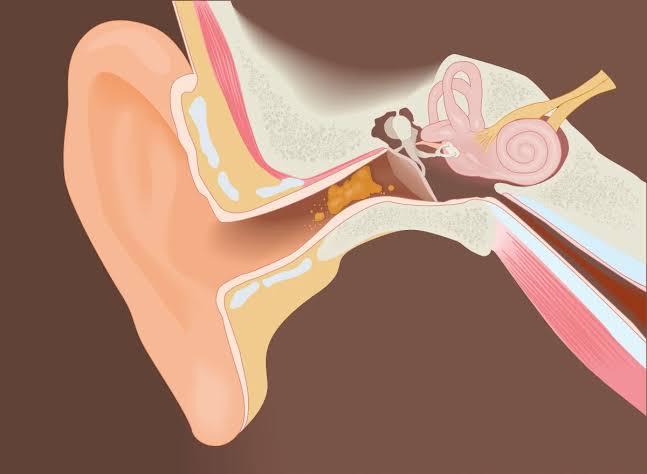
Ear wax is a waxy substance made by glands lining your outer ear canal. It is not waste. It is a functional part of your ear’s defense system.
The glands responsible for it are called ceruminous and sebaceous glands. Together they produce a mix of oils, fats, and dead skin cells that forms the wax you see.
Every person produces ear wax throughout their life. The amount, color, and texture can vary based on genetics, age, diet, and environment.
Why Do We Have Ear Wax: The Main Reasons
The short answer is that ear wax protects, cleans, and lubricates your ear canal. Here is what that means in practice.
Protection Against Bacteria and Germs
Ear wax has natural antibacterial and antifungal properties. Its slightly acidic pH helps stop harmful microbes from growing inside the ear canal.
Without this barrier, your ears would be far more prone to infections. This is one of the biggest reasons ear wax exists in the first place.
Trapping Dust, Debris and Small Insects
The sticky texture of ear wax traps dust, pollen, and tiny particles before they can reach your eardrum. Think of it as a built-in air filter for your ear canal.
It also acts as a physical barrier that can stop small insects from crawling deeper into the ear.
Keeping the Ear Canal Lubricated
Ear wax contains fatty acids and oils that keep the delicate skin inside your ear canal moisturized. Without it, the skin would become dry, flaky, and itchy.
This lubrication also helps prevent cracking of the skin, which could otherwise become an entry point for infection.
Clearing Away Dead Skin Cells
Just like the rest of your skin, the lining of your ear canal sheds dead cells regularly. Ear wax binds with these cells and carries them out of the ear.
This process keeps the canal clean without you having to do anything at all.
How Ear Wax Naturally Leaves the Ear
Your ears are self-cleaning. Ear wax forms deep in the canal and slowly migrates outward over time.
Jaw movement from talking, chewing, and yawning helps push the wax along. Tiny hairs lining the canal are angled outward, which also assists the process.
Once the wax reaches the outer ear, it usually dries out and falls away on its own, often without you noticing.
What Ear Wax Is Made Of
| Component | Approximate Role |
|---|---|
| Sebum (oil from sebaceous glands) | Lubricates and waterproofs the canal |
| Sweat gland secretions | Adds moisture and antibacterial compounds |
| Dead skin cells | Cleared out as wax migrates outward |
| Fatty acids and cholesterol | Keeps texture soft and pliable |
| Trapped dust and particles | Filtered debris from the environment |
Types of Ear Wax
There are two main types of ear wax, and the type you have is largely genetic.
Wet ear wax is sticky, honey colored to dark brown, and more common in people of African and European descent. Dry ear wax is flaky, gray or tan, and more common in people of East Asian descent.
Neither type is better or worse. Both do the same protective job.
When Ear Wax Becomes a Problem
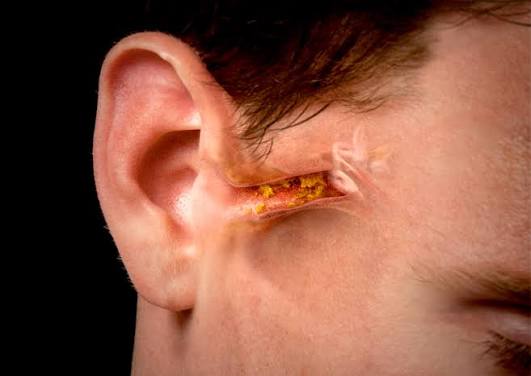
Most of the time, ear wax needs no attention at all. Problems only arise when it builds up faster than it can clear out, a condition called impaction.
Signs of Earwax Buildup
- A feeling of fullness or blockage in the ear
- Muffled or reduced hearing
- Mild earache or itching
- Ringing in the ear, known as tinnitus
- Dizziness in some cases
- Wax visibly built up at the ear opening
If you notice several of these signs together, it may be worth having your ears checked.
Is It Safe to Remove Ear Wax at Home
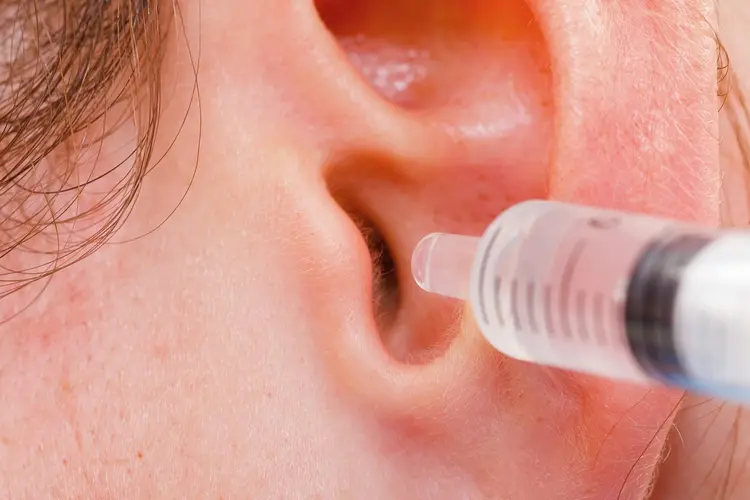
For most people, no removal is needed at all. But if wax is visible at the outer ear, gentle cleaning can help.
Safe Methods
- Wipe the outer ear with a soft, damp cloth
- Use over-the-counter softening drops if recommended by a doctor
- Let warm water during a shower gently loosen surface wax
What to Avoid
| Method | Why It Is Risky |
|---|---|
| Cotton swabs | Pushes wax deeper and can damage the eardrum |
| Ear candling | Not proven effective and carries burn risk |
| Bobby pins or sharp objects | Can scratch the canal or puncture the eardrum |
| Aggressive irrigation at home | Can cause pain or infection if done incorrectly |
When to See a Doctor
You should see a healthcare provider if you have hearing loss, ongoing pain, discharge, or a feeling of blockage that does not improve.
A doctor or audiologist has proper tools to remove impacted wax safely. This is a routine, low-risk procedure when done professionally.
People who wear hearing aids or earbuds regularly should also get periodic ear checks, since these devices can interfere with the ear’s natural cleaning process.
Common Myths About Ear Wax
| Myth | Reality |
|---|---|
| Ear wax means your ears are dirty | It is a normal, healthy substance, not a sign of poor hygiene |
| You should clean your ears daily | Most people never need to clean inside the ear canal |
| Cotton swabs clean ears effectively | They usually push wax further in instead of removing it |
| No ear wax is the healthiest option | Some wax is necessary for protection and lubrication |
| Ear candling removes wax | Studies show it does not effectively remove wax and can burn skin |
Also Read:
- Why Self-Care Is Crucial for Living Life to the Fullest
- Do STIs Affect the Vaginal Microbiome?
- Fitting Clear Aligner Treatment Into A Fourteen Month Engagement
- Why Movement Science Is Vital for Fitness Coaches
- Why Shame Blocks Growth
- Setting Shared Financial Goals
- Consistency Does Not Mean Perfection
- How Useful is a PMP Certification for HR Professionals?
- The Digital First Impression Houston Companies Can’t Ignore
- Why Investing In Quality Equipment Matters For Small Trade Businesses
- Moving a Few Items? Why Small Moves Are Easy to Underestimate
- How Modern Businesses Combine Technology and Storage Solutions for Better Operations
- Quality Meets Affordability in Lab Diamond Tennis Bracelets
- Should You Buy Lab Diamond Tennis Bracelets Now?
- How to Choose the Perfect Lab Diamond Jewelry for Yourself
- The Benefits and Perils of a Last-minute Wedding
- The Democratization of Aesthetics: How Competitive Branding Redefined Global Cosmetics Markets
- Why Esthetics Offers One of the Strongest Career Growth Paths in Beauty
- How to Style Designer Denim for Every Season
- What to Wear for a Weekend Brunch and Afternoon in the City
- QR Generator AI: Creating Smarter Connections Between Print and Digital
- Driver Behavior Monitoring: What Should Fleets Actually Track?
- Protecting Digital Content from Piracy Across Multiple Platforms
- A Practical Guide to Earth Ground Resistance Testing for Electrical Safety
- Ecommerce Checkout Page Best Practices That Convert
Frequently Asked Questions (FAQs)
Do we actually need ear wax?
Yes, ear wax is essential. It protects the ear canal from infection, dust, and dryness while keeping it lubricated.
Why does my body produce so much ear wax?
Genetics, earbud or hearing aid use, and dry skin conditions can all increase wax production. Allergy season can also temporarily raise it.
Is it bad to remove all the ear wax?
Yes, removing all of it can leave your ear canal dry, itchy, and more vulnerable to infection. Some wax should always remain.
Can I clean my ears with a cotton swab?
No, cotton swabs usually push wax deeper into the canal instead of removing it. This can lead to blockages or eardrum injury.
How often should I clean my ears?
Most people never need to clean inside the ear canal. Wiping the outer ear with a cloth once a week is usually enough.
What color should healthy ear wax be?
Healthy ear wax ranges from light yellow to dark brown, depending on wet or dry type. Color alone is rarely a cause for concern.
Does ear wax mean I have an ear infection?
Not on its own. Ear wax is normal, but pain, discharge, or a foul smell alongside it can signal an infection worth checking.
Why do older adults often have more earwax buildup?
Earwax naturally becomes drier and harder with age, which makes it migrate out of the ear canal less efficiently.
Can hearing aids or earbuds cause wax buildup?
Yes, they block the canal’s natural outward movement of wax, which is why regular users often need periodic professional cleanings.
When should I see a doctor about ear wax?
See a doctor if you notice hearing loss, persistent pain, dizziness, or if home methods have not cleared a blockage.
Conclusion
Ear wax exists for good reason. It protects your ear canal from bacteria, dust, and dryness, and your body is designed to clear it out naturally on its own.
Problems only arise when wax builds up faster than it can migrate, which is when gentle, doctor-approved methods matter most. Avoiding cotton swabs and other sharp objects protects your hearing in the long run.
If you ever notice pain, blockage, or hearing changes, a quick visit to a doctor or audiologist can resolve it safely. Understanding why ear wax forms helps you care for your ears with confidence instead of unnecessary worry.