Why Do Toenails Turn Yellow? Causes and What to Do 2026
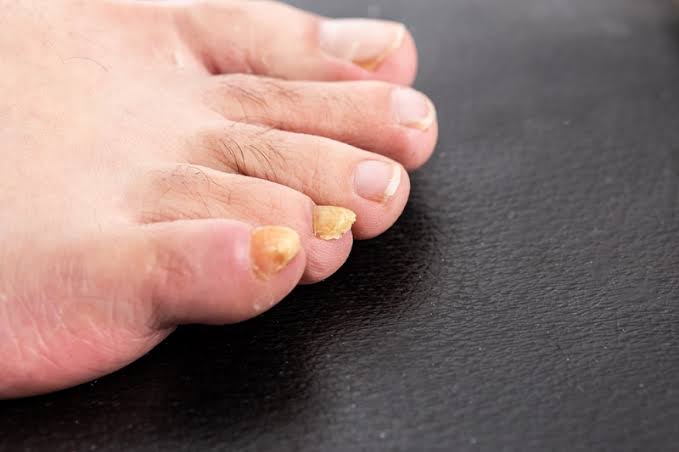
Why do toenails turn yellow? For most people, the answer comes down to one of a handful of common causes, ranging from harmless nail polish stains to a fungal infection that needs treatment.
Yellowing toenails can be alarming, especially if you are not sure whether it is cosmetic or a sign of something more serious.
What Yellow Toenails Usually Mean
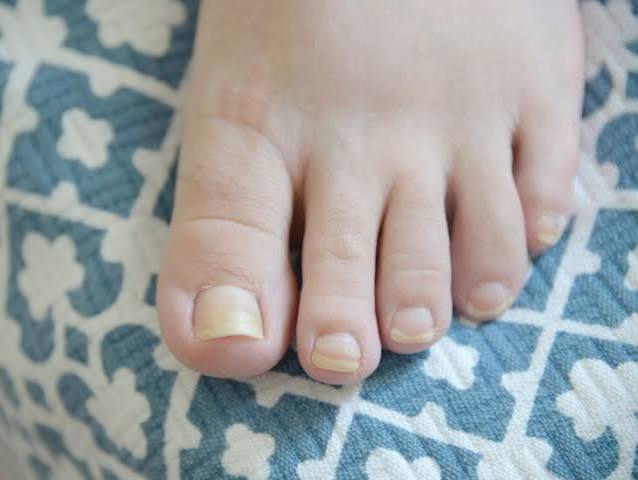
In most cases, yellow toenails are caused by either a fungal infection or nail polish staining. Both are common and neither is an emergency, but they need very different treatment approaches.
Less often, yellowing can point to an underlying health condition such as diabetes, psoriasis, or a thyroid disorder. This is why persistent or unexplained yellowing is worth having checked.
Why Do Toenails Turn Yellow: The Main Causes
There is rarely just one reason. Understanding which cause fits your situation makes it much easier to choose the right next step.
Fungal Infections (Onychomycosis)
Toenail fungus is the single most common cause of yellow toenails. It develops when fungi grow beneath the nail plate, usually in warm, damp environments like shoes, locker rooms, and public showers.
Fungal infections often start as a small yellow or white spot and gradually spread across the nail. Over time the nail may thicken, crumble, or lift away from the nail bed.
Nail Polish and Nail Products
Dark or long-worn nail polish can stain the nail plate yellow, especially without a protective base coat. This staining is purely cosmetic and grows out over time.
Some nail hardeners and gel products can also react with the nail surface and leave a similar yellow tint.
Natural Aging
As nails age, they tend to thicken and take on a yellowish hue. This happens because cell turnover slows down and circulation to the feet gradually decreases.
Age-related yellowing usually develops slowly and affects several nails at once.
Smoking
Chemicals in cigarette smoke can stain nails over time, much like they stain fingers and teeth. This cause is often overlooked but is easy to identify if smoking is part of your history.
Underlying Medical Conditions
Yellow toenails can occasionally be linked to diabetes, psoriasis, thyroid problems, or peripheral vascular disease. In diabetes specifically, changes in blood sugar can affect collagen in the nail, which changes its color.
A rare condition called Yellow Nail Syndrome can also cause thickened, yellow nails, often alongside lymphedema.
Medications
Certain medications, including some antibiotics and chemotherapy drugs, list nail discoloration as a known side effect. If yellowing started after a new prescription, it is worth mentioning to your doctor.
Injury or Repeated Pressure
Tight shoes, running, or a stubbed toe can damage the nail bed. As the nail grows out, the damaged section can appear yellow or discolored.
Common Causes at a Glance
| Cause | Typical Pattern | Needs Treatment? |
|---|---|---|
| Fungal infection | Starts as a spot, spreads, nail thickens | Yes, usually antifungal treatment |
| Nail polish staining | Even yellow tint, no thickening | No, grows out on its own |
| Natural aging | Gradual yellowing across several nails | No, unless combined with other symptoms |
| Smoking | Gradual staining over time | No, cosmetic only |
| Medical conditions | Yellowing with other symptoms | Yes, treat underlying condition |
| Medications | Starts after new prescription | Discuss with your doctor |
| Injury | Localized to one nail, grows out | Usually not, unless infected |
How to Tell Fungus Apart From Other Causes
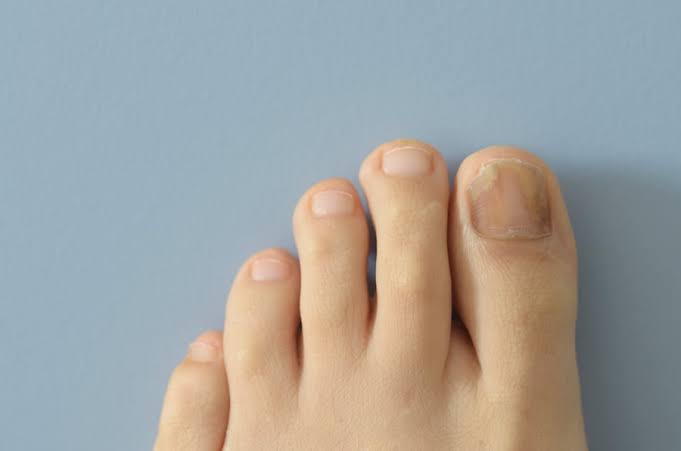
Signs That Point to a Fungal Infection
- Nail becomes thick, brittle, or crumbly
- Nail starts lifting away from the nail bed
- A noticeable odor develops
- Discoloration spreads to nearby toenails
- The color deepens rather than staying a light yellow
Signs That Point to a Non-Fungal Cause
- Yellowing affects multiple nails evenly
- Nail texture and thickness stay normal
- Discoloration matches recent nail polish use
- No spreading to other nails over time
Home Care for Mild Yellowing
If your toenails are only mildly discolored and show no thickening or crumbling, a few simple habits can help.
- Use a clear base coat before applying dark nail polish
- Give your nails polish-free breaks between manicures
- Keep feet clean and dry, especially after sweating
- Trim nails straight across to avoid pressure damage
- Wear moisture-wicking socks and breathable shoes
These steps mainly help prevent further staining. They will not clear an active fungal infection on their own.
Treatment Options for Fungal Toenails
| Treatment Type | How It Works | Best For |
|---|---|---|
| Topical antifungal | Applied directly to the nail | Mild, early-stage infections |
| Oral antifungal medication | Taken by mouth, prescribed by a doctor | Moderate to severe infections |
| Laser therapy | Targets fungus with concentrated light | Cases resistant to topical treatment |
| Nail removal | Removes the infected nail | Severe or recurring infections |
A podiatrist can confirm whether fungus is present, often with a simple nail sample, before recommending the right option.
When to See a Podiatrist
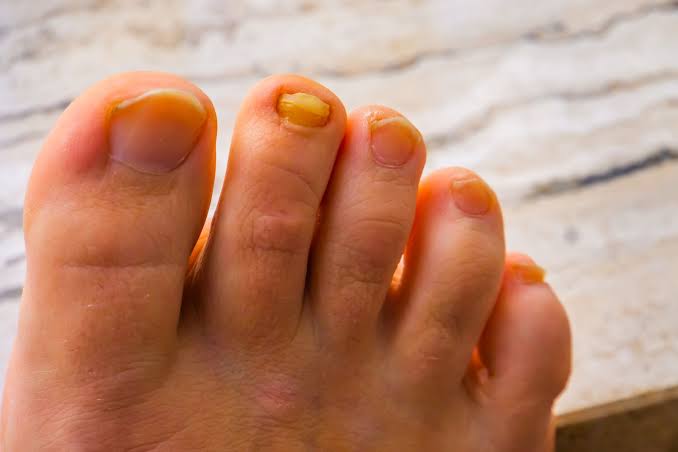
Mild, cosmetic yellowing rarely needs a doctor’s visit. But certain signs mean it is time to get it checked.
- The nail is thickening, crumbling, or changing shape
- You notice pain, swelling, or an odor
- Discoloration is spreading to other nails
- You have diabetes or poor circulation
- Home care has not improved the nail after several weeks
People with diabetes should be especially cautious, since foot infections can progress faster and cause more serious complications.
Mistakes to Avoid
- Do not rely only on home remedies if a nail is visibly thickening or crumbling
- Do not cover a suspected fungal infection with polish, since this can trap moisture
- Do not share nail clippers, socks, or shoes if fungus is suspected
- Do not ignore yellowing if you have diabetes or circulation issues
Also Read:
- Do STIs Affect the Vaginal Microbiome?
- Why Self-Care Is Crucial for Living Life to the Fullest
- Fitting Clear Aligner Treatment Into A Fourteen Month Engagement
- Why Movement Science Is Vital for Fitness Coaches
- Why Shame Blocks Growth
- Setting Shared Financial Goals
- Consistency Does Not Mean Perfection
- How Useful is a PMP Certification for HR Professionals?
- The Digital First Impression Houston Companies Can’t Ignore
- Why Investing In Quality Equipment Matters For Small Trade Businesses
- Moving a Few Items? Why Small Moves Are Easy to Underestimate
- How Modern Businesses Combine Technology and Storage Solutions for Better Operations
- Quality Meets Affordability in Lab Diamond Tennis Bracelets
- Should You Buy Lab Diamond Tennis Bracelets Now?
- How to Choose the Perfect Lab Diamond Jewelry for Yourself
- The Benefits and Perils of a Last-minute Wedding
- The Democratization of Aesthetics: How Competitive Branding Redefined Global Cosmetics Markets
- Why Esthetics Offers One of the Strongest Career Growth Paths in Beauty
- How to Style Designer Denim for Every Season
- What to Wear for a Weekend Brunch and Afternoon in the City
- QR Generator AI: Creating Smarter Connections Between Print and Digital
- Driver Behavior Monitoring: What Should Fleets Actually Track?
- Protecting Digital Content from Piracy Across Multiple Platforms
- A Practical Guide to Earth Ground Resistance Testing for Electrical Safety
- Ecommerce Checkout Page Best Practices That Convert
Frequently Asked Questions (FAQs)
Why are my toenails turning yellow but I don’t have fungus?
Common non-fungal causes include nail polish staining, natural aging, smoking, or minor injury. These usually cause even discoloration without thickening.
Can yellow toenails go away on their own?
Yes, if the cause is polish staining or minor discoloration, it usually fades as the nail grows out. Fungal infections typically need treatment to clear.
How do I know if it’s toenail fungus?
Fungal nails often thicken, become brittle, develop an odor, and gradually spread to other toes. A podiatrist can confirm it with a simple nail sample.
Is yellow toenails a sign of diabetes?
It can be. Diabetes can affect collagen in the nail and increase infection risk, but yellowing alone does not confirm diabetes without other symptoms.
Do home remedies actually cure toenail fungus?
Home remedies like tea tree oil may offer mild improvement but rarely cure an established fungal infection. Professional treatment is more reliable.
How long does it take for yellow toenails to clear up?
Cosmetic staining can fade within weeks as the nail grows. Fungal infections often take several months of treatment since nails grow slowly.
Can nail polish alone turn toenails yellow?
Yes, especially dark shades worn for long periods without a base coat. The staining is temporary and grows out with the nail.
Should I stop wearing nail polish if my toenails are yellow?
If fungus is suspected, avoid polish since it can trap moisture and worsen the infection. For polish staining, a break allows the nail to clear.
When should I see a podiatrist for yellow toenails?
See a podiatrist if the nail is thickening, crumbling, painful, or if discoloration spreads or does not improve after a few weeks of home care.
Can smoking really cause yellow toenails?
Yes, chemicals in cigarette smoke can gradually stain nails, similar to how they stain fingers and teeth over time.
Conclusion
Yellow toenails almost always trace back to one of a few common causes, from harmless nail polish staining to a fungal infection that needs treatment.
Paying attention to how the nail looks and feels, whether it is thickening, spreading, or simply discolored, makes it much easier to know your next step.
Mild cases often clear up with basic nail care and a bit of patience as the nail grows out. Anything that thickens, spreads, or comes with pain is worth a podiatrist visit, especially if you have diabetes or circulation concerns. Catching the real cause early keeps both your nails and your feet healthier long term.