Why Is My Dog Drooling So Much All of a Sudden? Causes 2026
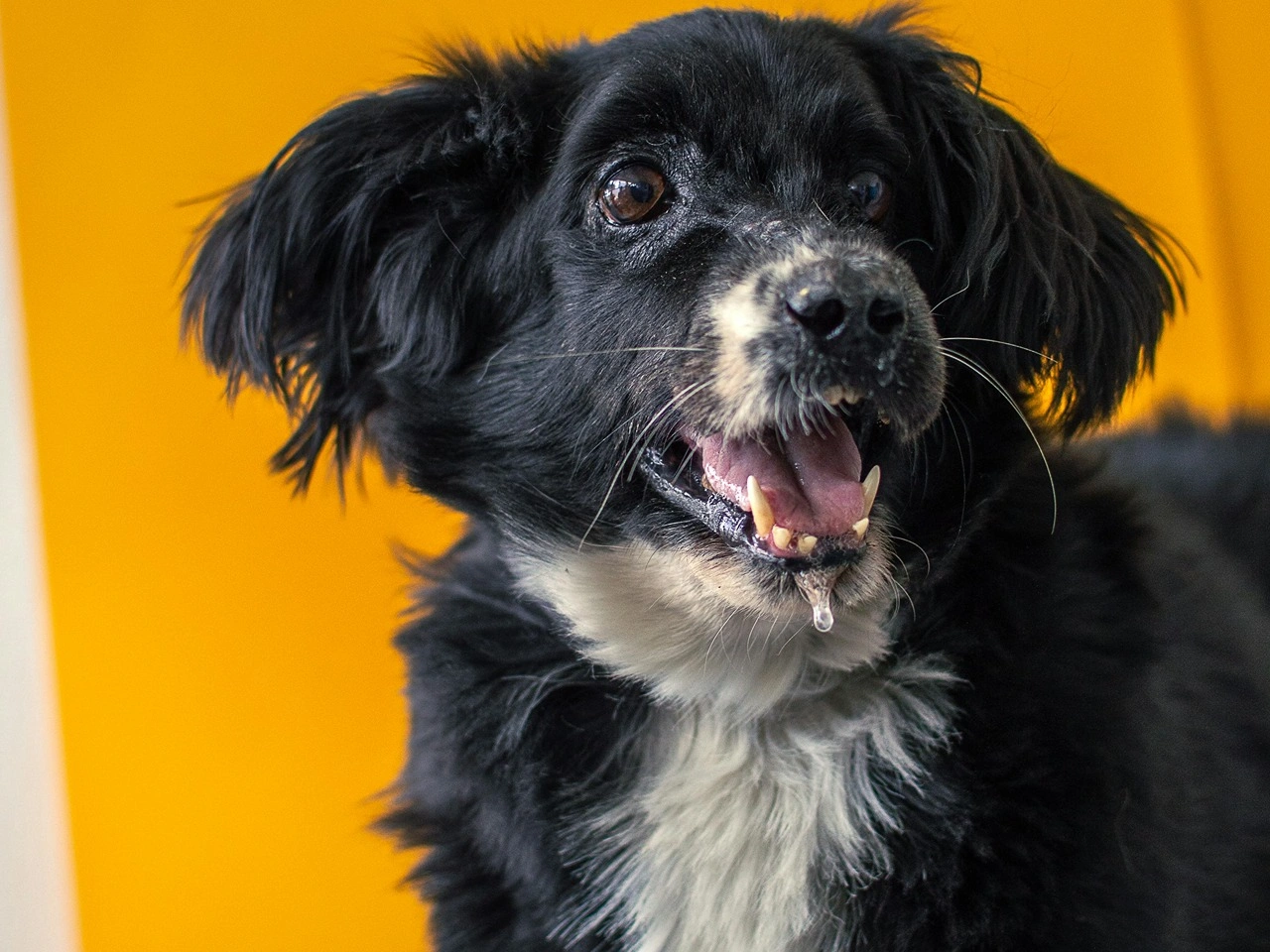
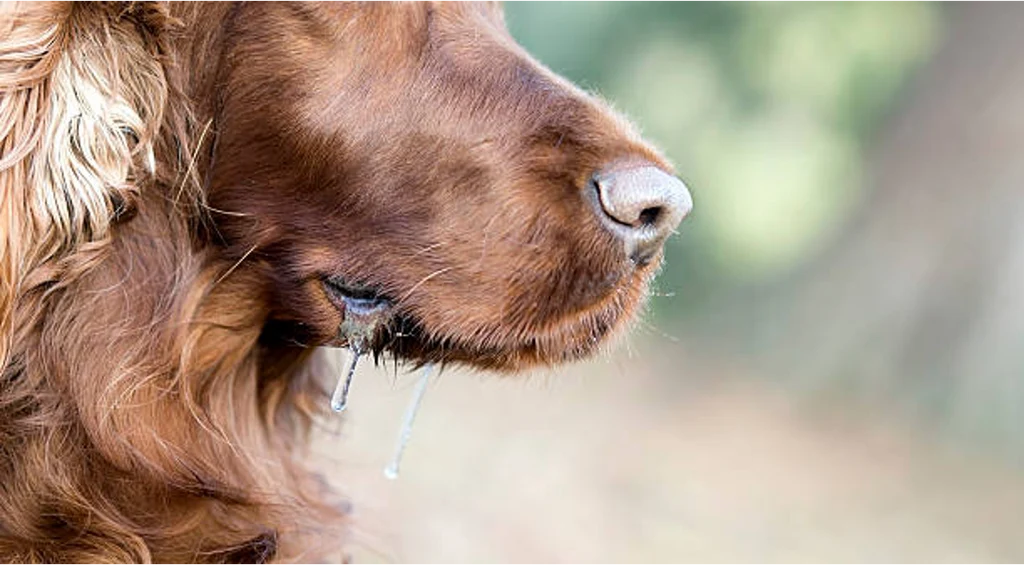
Why Is My Dog Drooling So Much All of a Sudden? A dog drooling so much all of a sudden is usually caused by nausea, dental pain, anxiety, heat, or exposure to something toxic. In some cases, it can also point to a true emergency like bloat, poisoning, or a foreign object stuck in the mouth.
A little drool is completely normal for most dogs, especially certain breeds. Sudden or excessive drooling that comes out of nowhere is different and deserves a closer look.
Most Common Causes of Sudden Drooling
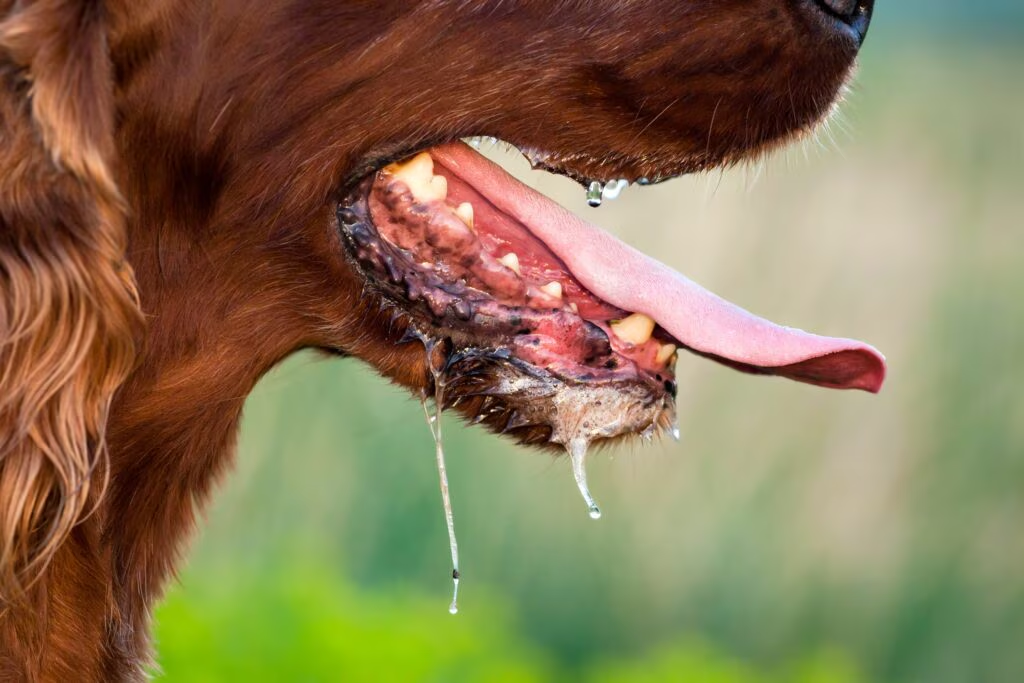
Excessive drooling, also called hypersalivation or ptyalism, usually signals that something is irritating your dog’s mouth, stomach, or nervous system. The most common triggers include:
- Nausea from an upset stomach or motion sickness
- Dental pain, broken teeth, or gum disease
- Anxiety, fear, or stress
- Heat exposure or early heatstroke
- Toxin exposure from plants, chemicals, or food
- A foreign object stuck in the mouth or throat
Is Some Drooling Normal for Dogs?
Yes, drooling is a natural part of digestion and helps protect your dog’s teeth and gums. Saliva also has antibacterial properties that reduce bad breath and cavity risk.
Certain breeds naturally drool more due to their loose jowls and lips. Saint Bernards, Bloodhounds, Mastiffs, Newfoundlands, and Bulldogs are known for this.
Normal Drooling vs. Excessive Drooling
| Feature | Normal Drooling | Excessive/Sudden Drooling |
|---|---|---|
| Trigger | Food, excitement, mealtime | Unclear or unexpected |
| Duration | Short, stops quickly | Persistent or worsening |
| Breed connection | Common in loose-jowled breeds | Can happen in any breed |
| Other symptoms | None | Vomiting, pawing, lethargy possible |
| Concern level | Low | Requires closer monitoring |
Common Causes of Sudden Excessive Drooling
Nausea and Digestive Upset
Nausea is one of the most frequent causes of sudden drooling in dogs. The body increases saliva production right before vomiting, similar to how humans react.
Motion sickness during car rides is a especially common trigger. Dietary indiscretion, meaning eating something that doesn’t agree with them, can cause the same reaction.
Dental Pain and Oral Problems
Broken teeth, gum disease, and abscesses are leading causes of sudden hypersalivation. Painful teeth make chewing and swallowing difficult, so the mouth produces more saliva as a response.
Watch for bad breath, reluctance to eat, or pawing at the mouth. These signs often point directly to a dental issue.
Foreign Object Stuck in the Mouth
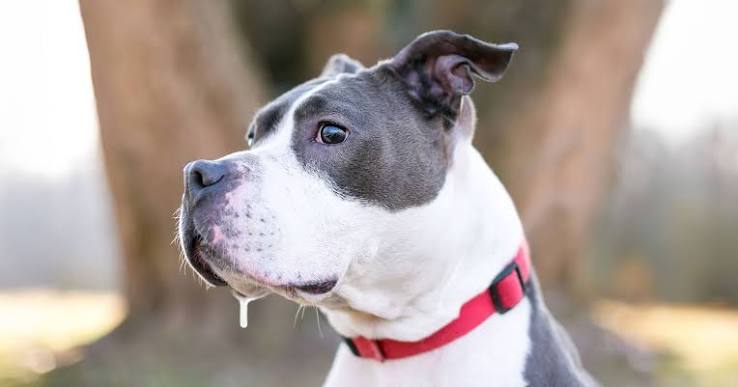
Dogs explore the world with their mouths, which sometimes leads to sticks, bones, or small toys getting lodged between teeth or under the tongue. This typically causes sudden, heavy drooling along with gagging or pawing.
This situation can escalate quickly if the object blocks the airway. A same-day vet visit is strongly recommended.
Anxiety and Stress
Fear or anxiety can trigger excessive salivation, especially during vet visits, thunderstorms, fireworks, or car travel. This type of drooling usually stops once the stressful situation ends.
Dogs experiencing anxiety may also pant heavily, pace, or try to hide. These behavioral clues help confirm stress as the cause.
Heat Exposure and Heatstroke
Dogs cool themselves primarily through panting, and heavy drooling combined with heavy panting can signal overheating. In early heatstroke, drooling often becomes thick and excessive.
This is especially dangerous in hot weather or after intense exercise. Immediate cooling and veterinary attention are critical if heatstroke is suspected.
Toxin Exposure
Toxic exposure is one of the most serious causes of sudden drooling. Common household toxins include certain plants like lilies, medications, antifreeze, pesticides, chocolate, xylitol, and grapes.
Hypersalivation is often the body’s attempt to flush out the harmful substance. This is always considered a medical emergency.
Chemical or Electrical Burns
Chewing on an electrical cord or coming into contact with caustic chemicals like battery acid can cause burns inside the mouth. This often leads to drooling, visible pain, and pawing at the face.
Bleeding or visible lesions may also be present. Emergency veterinary care is necessary in these cases.
Animal Bites, Stings, or Venom
A bite from an insect, spider, or toad lick can trigger sudden drooling as a reaction to venom or irritation. Swelling around the mouth or face often accompanies this type of exposure.
Some reactions worsen quickly, especially in smaller dogs. A vet should evaluate any suspected bite or sting promptly.
Bloat (Gastric Dilatation-Volvulus)
Bloat is a life-threatening emergency where the stomach fills with gas and twists on itself. It often causes sudden, profuse drooling along with a visibly swollen abdomen and unsuccessful attempts to vomit.
This condition is most common in large, deep-chested breeds. Immediate emergency care is required, as bloat can be fatal within hours.
Neurological Issues
In rare cases, sudden drooling can be linked to neurological or balance-related conditions affecting the nerves controlling the mouth and throat. This may appear alongside stumbling, head tilting, or disorientation.
These symptoms should never be ignored. A full veterinary neurological exam is typically needed to confirm the cause.
Common Causes at a Glance
| Cause | Typical Trigger | Urgency Level |
|---|---|---|
| Nausea/motion sickness | Car rides, upset stomach | Low to Moderate |
| Dental pain | Broken teeth, gum disease | Moderate |
| Foreign object | Chewing sticks, bones, toys | High |
| Anxiety/stress | Loud noises, vet visits | Low |
| Heatstroke | Hot weather, overexertion | High |
| Toxin exposure | Plants, chemicals, foods | Emergency |
| Chemical/electrical burn | Cords, caustic substances | Emergency |
| Bite or sting | Insects, toads, spiders | Moderate to High |
| Bloat (GDV) | Large, deep-chested breeds | Emergency |
| Neurological issue | Balance or nerve dysfunction | High |
When Sudden Drooling Is an Emergency
- Drooling paired with a swollen or distended abdomen
- Repeated retching with nothing coming up
- Pawing at the mouth combined with visible distress
- Difficulty breathing or excessive panting
- Pale, blue, or gray gums
- Sudden collapse or extreme lethargy
- Known or suspected exposure to a toxic substance
What to Do at Home While You Assess the Situation
- Stay calm and check the mouth if safe. Look for visible swelling, injury, or an obvious stuck object.
- Check gum color. Healthy gums are pink; pale, blue, or white gums signal an emergency.
- Remove access to potential toxins. Move your dog away from plants, chemicals, or spoiled food.
- Note recent activities. Car rides, new foods, or stressful events can help identify the trigger.
- Offer water, not food. Hold off on feeding until you know the cause, especially if nausea is suspected.
- Call your vet immediately if any emergency signs appear. Don’t wait to see if symptoms improve on their own.
Mistakes to Avoid
- Don’t assume it’s “just excitement” if the drooling is new, sudden, or unusually heavy.
- Don’t give human medications to try to calm your dog without veterinary guidance.
- Don’t attempt to remove a deeply lodged object yourself unless trained to do so safely.
- Don’t ignore drooling that comes with vomiting, lethargy, or a swollen belly.
How Vets Diagnose the Cause
A full physical exam is the first step, including a close look inside the mouth for injuries or obstructions. Vets often ask about recent food, environment, and behavior changes to narrow down the cause.
Bloodwork can help identify toxin exposure or organ-related issues. Imaging like X-rays may be used if bloat, a foreign object, or internal injury is suspected.
Treatment Options Based on Cause
| Condition | Typical Treatment Approach |
|---|---|
| Nausea/motion sickness | Anti-nausea medication, dietary adjustment |
| Dental pain | Dental cleaning, extraction if needed |
| Foreign object | Veterinary removal |
| Anxiety | Behavioral techniques, calming aids |
| Heatstroke | Emergency cooling, IV fluids |
| Toxin exposure | Decontamination, supportive care |
| Bloat (GDV) | Emergency surgery |
| Neurological issue | Diagnostic testing, targeted treatment |
Prevention Tips for Pet Owners
- Schedule regular dental checkups to catch oral problems early.
- Keep toxic plants, medications, and chemicals out of reach.
- Avoid feeding table scraps or unfamiliar foods that could trigger stomach upset.
- Use calming strategies for car rides if motion sickness is a pattern.
- Monitor closely during hot weather and avoid overexertion.
- Keep small chewable objects away from curious dogs.
Key Takeaways
- Sudden drooling often points to nausea, dental pain, anxiety, or heat exposure.
- Some causes, like bloat, toxin exposure, and chemical burns, are true emergencies.
- Gum color, breathing, and abdominal swelling are key signs to check immediately.
- Certain breeds naturally drool more, which is not a cause for concern on its own.
- Any drooling paired with vomiting, lethargy, or distress needs prompt veterinary attention.
- A full vet exam is usually needed to pinpoint the exact underlying cause.
Also Read:
- 200+ Best Replies to “Inshallah” & What It Really Means
- Top 10 Contact Form Plugins
- The Fastest WordPress Theme
- 200+ Replies to “How’s It Hanging” You’ll Love Using
- 200+ Best Replies to “It Was Nice Talking to You”
- 200+ Best Replies to “Allahumma Barik” – Show Gratitude
- Why Workstation Sinks Are Becoming A Practical Upgrade For Property Investments
- Why Shame Blocks Growth
- Setting Shared Financial Goals
- How Useful is a PMP Certification for HR Professionals?
- The Digital First Impression Houston Companies Can’t Ignore
- 4 High-Tech Home Entertainment Amenities That Bring the Country Club Home
- Quality Meets Affordability in Lab Diamond Tennis Bracelets
- Do STIs Affect the Vaginal Microbiome?
- Why Investing In Quality Equipment Matters For Small Trade Businesses
- Moving a Few Items? Why Small Moves Are Easy to Underestimate
- Top 6 Simple to Implement Barber Scheduling Software
- How Modern Businesses Combine Technology and Storage Solutions for Better Operations
- Should You Buy Lab Diamond Tennis Bracelets Now?
- How to Choose the Perfect Lab Diamond Jewelry for Yourself
- The Benefits and Perils of a Last-minute Wedding
- Why Self-Care is Crucial for Living Life to the Fullest
- Why Movement Science Is Vital for Fitness Coaches
- A Practical Guide to Earth Ground Resistance Testing for Electrical Safety
Frequently Asked Questions (FAQs)
Why is my dog drooling so much all of a sudden?
Sudden drooling is usually caused by nausea, dental pain, anxiety, heat, or exposure to something toxic. In some cases it can signal a serious emergency like bloat or poisoning.
Is it normal for dogs to drool a lot?
Yes, mild drooling is normal, especially in breeds with loose jowls like Bloodhounds and Saint Bernards. Sudden or excessive drooling outside of normal triggers deserves attention.
Can car rides cause sudden drooling in dogs?
Yes, motion sickness during car travel is one of the most common causes of sudden drooling. It usually resolves once the ride ends.
What does it mean if my dog is drooling and pawing at their mouth?
This combination often points to dental pain, an oral injury, or a foreign object stuck in the mouth. A veterinary exam is recommended to identify the exact cause.
Can anxiety cause a dog to drool excessively?
Yes, fear and anxiety can trigger excessive salivation during stressful events like vet visits, storms, or fireworks. This type of drooling typically stops once the dog calms down.
Is sudden drooling a sign of poisoning?
It can be. Toxin exposure from plants, chemicals, or certain foods is a common and serious cause of sudden hypersalivation and should be treated as an emergency.
What is bloat, and how is it connected to drooling?
Bloat, or gastric dilatation-volvulus, is a life-threatening condition where the stomach fills with gas and twists. It often causes sudden, heavy drooling along with a swollen abdomen.
Should I be worried if my dog’s gums look pale while drooling?
Yes, pale, blue, or gray gums combined with drooling are signs of a potential emergency. Seek veterinary care immediately.
Can heat cause excessive drooling in dogs?
Yes, heat exposure and early heatstroke can cause heavy drooling along with intense panting. This requires prompt cooling and veterinary attention.
Do certain dog breeds drool more than others?
Yes, breeds with loose jowls and lips, such as Mastiffs, Bulldogs, Newfoundlands, and Saint Bernards, naturally produce more visible drool.
What should I do if my dog suddenly starts drooling heavily?
Check gum color, look for visible injuries or swelling, and monitor for other symptoms like vomiting or lethargy. Contact your vet promptly if anything seems abnormal.
Can dental problems cause sudden drooling?
Yes, broken teeth, gum disease, and oral infections are among the most common causes of sudden excessive drooling in dogs.
Is drooling before vomiting normal?
Yes, increased saliva production often occurs right before a dog vomits, similar to nausea responses in humans.
Can a foreign object in the mouth cause sudden drooling?
Yes, sticks, bones, or toys stuck in the mouth or throat commonly cause sudden, heavy drooling along with gagging or pawing.
What toxins commonly cause drooling in dogs?
Common triggers include certain houseplants like lilies, chocolate, xylitol, grapes, medications, and household chemicals like antifreeze.
How quickly should I see a vet for sudden drooling?
If emergency signs like a swollen belly, pale gums, or difficulty breathing are present, seek care immediately. Milder cases without other symptoms can often wait for a same-day appointment.
Can insect bites or stings cause a dog to drool?
Yes, bites or stings from insects, spiders, or toad exposure can trigger drooling along with facial swelling or visible discomfort.
Is neurological disease a common cause of drooling?
No, it’s a less common cause but should be considered if drooling appears alongside stumbling, disorientation, or head tilting.
How do vets diagnose the cause of sudden drooling?
Vets typically perform a full physical exam, check the mouth for injuries, and may recommend bloodwork or imaging depending on suspected causes.
Can chewing on an electrical cord cause drooling?
Yes, electrical or chemical burns inside the mouth can cause sudden drooling along with visible pain, lesions, or bleeding, requiring emergency care.
Conclusion
Sudden drooling can range from a harmless reaction to something exciting to a genuine medical emergency. Paying attention to timing, accompanying symptoms, and your dog’s overall behavior gives you the clearest picture of what’s really happening.
When symptoms seem unusual or severe, don’t wait to see if they pass. A quick call to your veterinarian is always the safest choice for your dog’s health.