Why Do I Hear Static in My Ear? Causes and Relief 2026

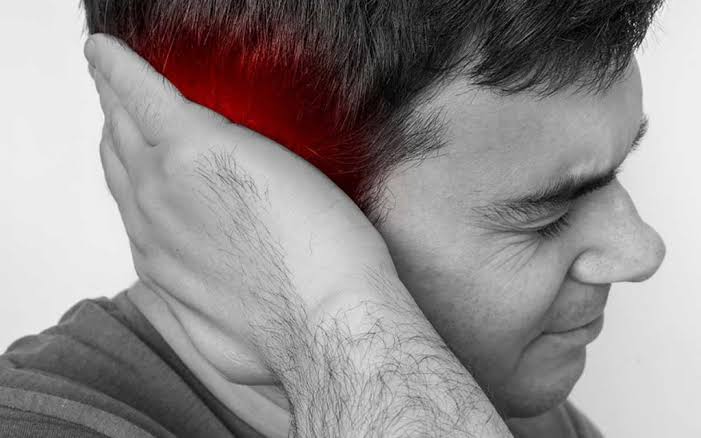
Why do I hear static in my ear? For most people, this crackling or hissing sensation is a form of tinnitus, a common condition where the ear perceives sound that has no external source.
It can feel unsettling, especially if it comes and goes without warning.
What Static in Your Ear Usually Means?

In most cases, static, buzzing, or hissing in the ear is a symptom of tinnitus. Tinnitus itself is not a disease, but a sign that something is affecting how your ear or brain processes sound.
Tinnitus affects a significant share of adults at some point, and it can sound different from person to person, including static, ringing, clicking, or a low hum.
Why Do I Hear Static in My Ear: Common Causes
There are several possible reasons behind this sensation, ranging from simple and temporary to conditions that need medical attention.
Earwax Buildup
Excess earwax can block the ear canal and trap sound waves, creating a static or echo-like effect. This is one of the more easily treatable causes.
Once the wax is safely removed, static-like sounds often disappear right away.
Exposure to Loud Noises
Prolonged exposure to loud noise can damage the tiny hair cells inside the inner ear. This damage is a leading cause of tinnitus and can produce a static or ringing sensation.
Concerts, machinery, and headphone use at high volume are common everyday sources of this kind of exposure.
Age-Related Hearing Changes
As people age, natural changes in hearing become more common, and tinnitus often develops alongside this shift. Static-like sounds may become more noticeable as hearing sensitivity changes over time.
Eustachian Tube Dysfunction
The eustachian tube helps equalize pressure in your ear. When it does not open and close properly, it can create crackling, popping, or static sounds, especially during pressure changes like flying or changes in altitude.
This often feels similar to the sensation of your ears needing to pop.
Ear Infections
Infections can cause inflammation and fluid buildup in the ear, which may lead to static, crackling, or muffled sounds. Pain, pressure, or reduced hearing often accompany this cause.
TMJ Disorders
The jaw joint sits close to the ear canal, so TMJ dysfunction can sometimes cause a crackling or static sensation, particularly when speaking or chewing.
If the noise happens specifically when moving your jaw, TMJ is worth considering.
Certain Medications
Some medications list tinnitus or ear noise as a known side effect. If static started after beginning a new prescription, it is worth mentioning to your doctor.
Underlying Medical Conditions
Less commonly, static-like sounds can be linked to conditions such as Meniere’s disease or certain cardiovascular issues. These cases often come with additional symptoms like dizziness or a feeling of ear fullness.
Common Causes at a Glance
| Cause | Typical Pattern | Needs Medical Attention |
|---|---|---|
| Earwax buildup | Muffled static, improves once wax is removed | Sometimes, for safe removal |
| Loud noise exposure | Ringing or static after loud events | Yes, if persistent |
| Age-related hearing changes | Gradual onset, often with hearing loss | Yes, for evaluation |
| Eustachian tube dysfunction | Crackling with pressure changes | Sometimes |
| Ear infection | Static with pain or fluid buildup | Yes |
| TMJ disorder | Static when chewing or speaking | Yes, for jaw evaluation |
| Medication side effect | Starts after new prescription | Yes, discuss with doctor |
| Underlying condition | Static with dizziness or fullness | Yes, promptly |
How to Narrow Down the Cause
Signs That Point to Earwax
- Sound feels muffled along with the static
- One ear feels more blocked than the other
- No pain, dizziness, or other symptoms present
Signs That Point to Noise Exposure
- Static or ringing started after a loud event
- Symptoms are worse in quiet environments
- May be temporary or may persist depending on exposure severity
Signs That Point to an Infection or Medical Issue
- Static accompanied by pain, pressure, or fever
- Dizziness or balance issues present
- Hearing loss develops alongside the static
Home Care for Mild Symptoms
If the static is mild and not linked to pain or hearing loss, a few simple steps can help.
- Avoid further exposure to loud noises
- Use ear protection in noisy environments
- Manage stress, since anxiety can make tinnitus feel more noticeable
- Avoid inserting cotton swabs or objects into the ear canal
- Stay hydrated, which can support overall ear and sinus health
These steps help manage symptoms. They do not replace a proper diagnosis if the cause is unclear.
What to Avoid
- Do not attempt to remove earwax with cotton swabs or sharp objects
- Do not ignore static that comes with dizziness or hearing loss
- Do not assume it will resolve without checking the underlying cause
- Do not increase headphone volume to mask the static
When to See a Doctor
Occasional, mild static that resolves on its own is usually not urgent. Certain signs mean it is time for a medical evaluation.
- Static lasts more than a few days without improvement
- Hearing loss develops alongside the static
- Dizziness, balance problems, or ear pain are present
- Static occurs only in one ear and does not go away
- Symptoms follow a head injury or sudden loud noise exposure
An audiologist or ENT specialist can determine the exact cause through a hearing exam and, if needed, further testing.
How Static-Related Conditions Are Treated
| Cause | Common Treatment |
|---|---|
| Earwax buildup | Professional, safe earwax removal |
| Noise-induced tinnitus | Hearing protection, sound therapy |
| Eustachian tube dysfunction | Decongestants, pressure equalizing techniques |
| Ear infection | Antibiotics or targeted medical treatment |
| TMJ disorder | Jaw therapy, night guards, dental evaluation |
| Chronic tinnitus | Hearing aids, sound masking, counseling |
Also Read:
- Fitting Clear Aligner Treatment Into A Fourteen Month Engagement
- Do STIs Affect the Vaginal Microbiome?
- Why Self-Care Is Crucial for Living Life to the Fullest
- Why Movement Science Is Vital for Fitness Coaches
- Why Shame Blocks Growth
- Setting Shared Financial Goals
- Consistency Does Not Mean Perfection
- How Useful is a PMP Certification for HR Professionals?
- The Digital First Impression Houston Companies Can’t Ignore
- Why Investing In Quality Equipment Matters For Small Trade Businesses
- Moving a Few Items? Why Small Moves Are Easy to Underestimate
- How Modern Businesses Combine Technology and Storage Solutions for Better Operations
- Quality Meets Affordability in Lab Diamond Tennis Bracelets
- Should You Buy Lab Diamond Tennis Bracelets Now?
- How to Choose the Perfect Lab Diamond Jewelry for Yourself
- The Benefits and Perils of a Last-minute Wedding
- The Democratization of Aesthetics: How Competitive Branding Redefined Global Cosmetics Markets
- Why Esthetics Offers One of the Strongest Career Growth Paths in Beauty
- How to Style Designer Denim for Every Season
- What to Wear for a Weekend Brunch and Afternoon in the City
- QR Generator AI: Creating Smarter Connections Between Print and Digital
- Driver Behavior Monitoring: What Should Fleets Actually Track?
- Protecting Digital Content from Piracy Across Multiple Platforms
- A Practical Guide to Earth Ground Resistance Testing for Electrical Safety
- Ecommerce Checkout Page Best Practices That Convert
Frequently Asked Questions (FAQs)
Is hearing static in my ear serious?
Not usually. It is often linked to tinnitus, which is common and frequently caused by earwax, noise exposure, or minor pressure changes. Persistent or worsening symptoms should be checked by a doctor.
Can earwax really cause a static sound?
Yes, excess earwax can block the ear canal and trap sound waves, creating a static or muffled effect. This often resolves once the wax is safely removed.
Why does the static get worse in quiet rooms?
Tinnitus is often more noticeable in quiet environments since there is less background noise to mask it.
Can loud music or headphones cause static in the ear?
Yes, prolonged exposure to loud sound can damage inner ear hair cells, which is a common trigger for tinnitus and static-like sounds.
Is static in one ear more concerning than both ears?
Static in only one ear, especially if persistent, is worth a medical evaluation, since it can sometimes point to a specific localized cause.
Can stress make ear static worse?
Yes, stress and anxiety do not cause tinnitus directly but can make existing static or ringing feel more noticeable and bothersome.
Does static in the ear mean I’m losing my hearing?
Not necessarily, but tinnitus and hearing loss are often linked. A hearing test can clarify whether hearing has been affected.
Can TMJ really affect what I hear in my ear?
Yes, because the jaw joint sits close to the ear canal, TMJ dysfunction can sometimes cause crackling or static sounds, especially when chewing or speaking.
Will static in my ear go away on its own?
It depends on the cause. Earwax-related static often resolves after removal, while noise-induced or chronic tinnitus may need ongoing management.
When should I see a doctor for static in my ear?
See a doctor if the static lasts more than a few days, comes with hearing loss or dizziness, or occurs only in one ear without improvement.
Conclusion
Hearing static in your ear is unsettling, but it almost always traces back to an identifiable cause, whether that is earwax, noise exposure, a eustachian tube issue, or an underlying condition.
Understanding your specific pattern of symptoms, including when it happens and what else comes with it, makes it much easier to narrow down the reason.
Mild, occasional static often resolves with basic care like limiting loud noise exposure.
Anything persistent, painful, or paired with hearing changes is worth a proper evaluation from an audiologist or ENT specialist. Getting the right diagnosis is the clearest path to quieting the noise for good.