Why Do People Eat Cornstarch? Causes & Risks 2026
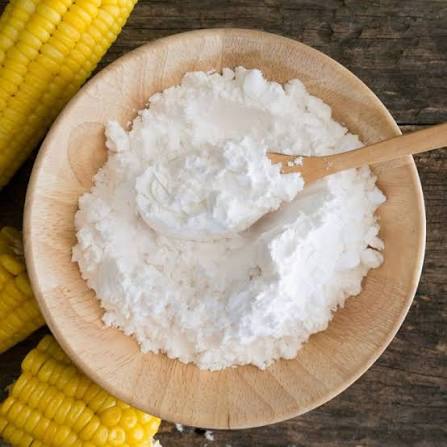
Why Do People Eat Cornstarch? People eat cornstarch for a mix of medical, psychological, and situational reasons, with the most common being a condition called pica. When the craving is specifically for starch, it’s known as amylophagia, and it’s frequently linked to iron deficiency, pregnancy, or stress.
This isn’t just an unusual snack habit. In many cases, it’s a signal that something deeper is going on in the body or mind, which is why doctors take these cravings seriously.
Why People Eat Cornstarch?
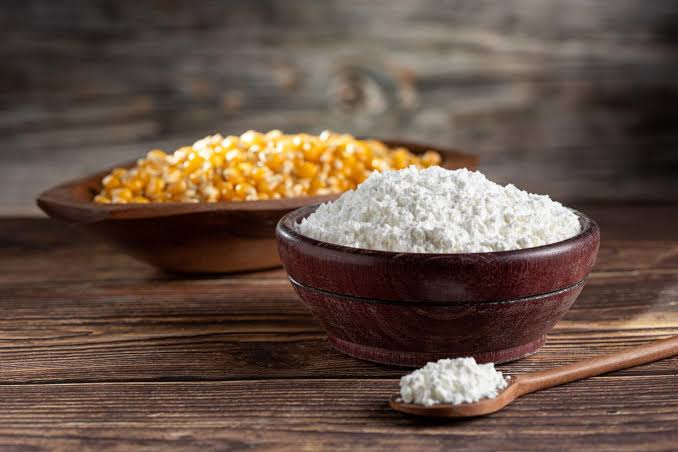
Eating raw cornstarch is most often connected to pica, a recognized eating disorder involving cravings for non-nutritive substances. Common underlying causes include:
- Iron deficiency anemia
- Zinc deficiency
- Pregnancy-related nutritional demands
- Stress, anxiety, or other mental health conditions
- Sensory or texture-based cravings
- Cultural or traditional practices in some communities
What Is Pica?
Pica is a diagnosed eating disorder involving persistent cravings for substances with little or no nutritional value. To meet clinical criteria, the behavior typically needs to last at least one month and be inappropriate for the person’s developmental stage.
Common pica cravings include ice, clay, chalk, raw rice, paper, and cornstarch. Amylophagia refers specifically to the subtype focused on starch.
What Is Amylophagia?
Amylophagia comes from the Greek words for “starch” and “to eat.” It describes the compulsive craving and consumption of purified starches like cornstarch, laundry starch, or raw flour.
People with amylophagia are often drawn to the texture and physical sensation of eating starch rather than any flavor. Over time, the behavior can become secretive and difficult to control.
The Strongest Medical Link: Iron Deficiency Anemia
Iron deficiency anemia is one of the most well-established causes of starch cravings. Low iron levels impair hemoglobin production, leading to fatigue, weakness, and pale skin.
Research has repeatedly shown a strong connection between iron deficiency and pica behaviors. In many documented cases, treating the underlying anemia causes the cravings to resolve within weeks.
Zinc Deficiency and Other Nutritional Gaps
Zinc deficiency is another nutritional factor associated with amylophagia. Like iron, zinc plays an important role in normal bodily function, and its absence can contribute to unusual cravings.
Doctors often check a broader range of nutrient levels when evaluating someone with persistent starch cravings. Correcting these deficiencies is typically the first step in treatment.
Why Pregnancy Increases the Risk
Pregnant women face significantly higher nutritional demands, which raises their risk of developing iron deficiency anemia. This makes pregnancy one of the most common periods for pica and amylophagia to appear.
Some women also report that the smell or texture of cornstarch helps ease nausea. Regardless of the trigger, doctors typically recommend checking iron levels whenever a pregnant patient reports craving starch.
Psychological and Mental Health Factors
Amylophagia isn’t always tied to a physical deficiency. Certain mental health conditions, including OCD, anxiety, and some developmental or intellectual disabilities, have also been linked to pica behaviors.
For some individuals, eating starch may function as a coping mechanism for stress. This is one reason clinicians often assess mental health alongside nutritional status.
Sensory and Texture-Based Cravings
Beyond nutrition and psychology, some people are simply drawn to the sensory experience of eating starch. The dry, powdery texture and the way it dissolves can become a strong, repeated craving on its own.
This sensory pull can exist independently or alongside other causes like anxiety or nutrient deficiency. It’s part of why amylophagia is considered a complex, multi-factor condition.
Cultural and Traditional Practices
In some cultures, eating specific non-food substances has historical roots tied to tradition rather than deficiency. For example, eating certain types of clay has been practiced in parts of the world for its perceived digestive benefits.
However, clinical pica specifically excludes culturally accepted practices. When starch consumption becomes compulsive, secretive, or harmful, it falls outside normal cultural behavior.
Common Causes at a Glance
| Cause | Category | Typically Resolves With |
|---|---|---|
| Iron deficiency anemia | Nutritional | Iron supplementation and monitoring |
| Zinc deficiency | Nutritional | Zinc supplementation and diet changes |
| Pregnancy-related demands | Physiological | Prenatal care and iron monitoring |
| Stress or anxiety | Psychological | Therapy or stress management |
| OCD or developmental conditions | Psychological/Clinical | Professional mental health treatment |
| Sensory/texture craving | Behavioral | Behavioral therapy techniques |
| Cultural practice | Traditional | Not applicable if non-compulsive |
Is Cornstarch Actually Nutritious?
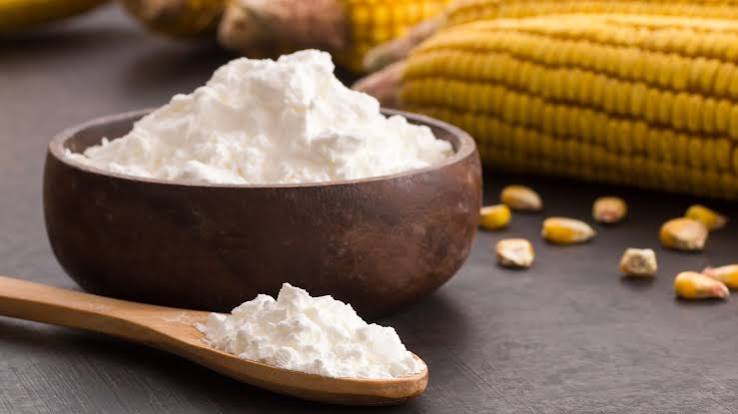
No, cornstarch offers almost no nutritional value on its own. It’s essentially pure carbohydrate, containing minimal to no vitamins, minerals, protein, or fiber.
This means regular consumption provides calories without meaningful nutrients. For someone already dealing with a deficiency, this can worsen the underlying problem rather than help it.
Health Risks of Eating Raw Cornstarch
Eating small amounts of cooked cornstarch in recipes like gravies or pie fillings is generally safe. Regularly eating raw, uncooked cornstarch in large quantities is a different matter entirely.
- Digestive issues like constipation, bloating, and abdominal pain
- Blood sugar spikes, which can be especially risky during pregnancy
- Worsening nutritional deficiencies over time
- Dental damage from repeated exposure to dry starch
- Unintended weight gain from added calorie intake
- Potential digestive blockages in severe, heavy consumption cases
Cooked Cornstarch vs. Raw Cornstarch Consumption
| Factor | Small Cooked Amounts (Recipes) | Regular Raw Consumption |
|---|---|---|
| Nutritional impact | Minimal, used as thickener | Displaces nutrient-rich foods |
| Blood sugar effect | Minor | Can cause significant spikes |
| Digestive risk | Low | Higher, including blockages |
| Associated with pica | No | Yes, in persistent cases |
| Safety level | Generally safe | Not recommended in large amounts |
Warning Signs That Point to Amylophagia
- Eating cornstarch directly from the box or container
- Strong preference for a specific brand or texture of starch
- Difficulty stopping despite knowing it isn’t nutritionally beneficial
- Fatigue, pale skin, or weakness alongside the craving
- Secretive behavior around starch consumption
- Digestive discomfort following episodes of eating starch
When to See a Doctor
- Cravings for cornstarch or other non-food substances lasting more than a month
- Signs of anemia, such as fatigue, dizziness, or pale skin
- Pregnancy combined with strong starch cravings
- Digestive symptoms like constipation or abdominal pain after eating starch
- Any sense that the behavior feels compulsive or hard to control
How Doctors Diagnose and Treat Amylophagia
Diagnosis typically starts with bloodwork, including a complete blood count, ferritin levels, and iron studies. These tests help identify whether an underlying nutritional deficiency is driving the craving.
Treatment often involves correcting identified deficiencies through diet or supplementation. If psychological factors are involved, therapy or additional mental health support may also be recommended.
Expert Tip
Persistent cravings for non-food substances should never be dismissed as a simple quirk. Because amylophagia frequently signals iron deficiency, a basic blood test is often the fastest way to identify the root cause.
Mistakes to Avoid
- Don’t assume the habit is harmless just because cornstarch isn’t classified as toxic.
- Don’t ignore fatigue, dizziness, or pale skin occurring alongside the craving.
- Don’t try to manage suspected anemia or pica without medical guidance.
- Don’t dismiss the behavior in pregnant women, since it can affect both mother and baby.
Prevention and Management Tips
- Get routine bloodwork if you notice persistent, unusual food cravings.
- Prioritize iron- and zinc-rich foods as part of a balanced diet.
- Seek prenatal care early if pregnant, especially with any signs of anemia.
- Consider mental health support if stress or anxiety appears connected to the craving.
- Track patterns in cravings to share detailed information with your doctor.
Key Takeaways
- Most cases of cornstarch eating are linked to pica, specifically amylophagia.
- Iron deficiency anemia is the strongest and most researched medical cause.
- Pregnancy significantly raises the risk due to increased nutritional demands.
- Psychological factors like stress, anxiety, and OCD can also contribute.
- Cornstarch has almost no nutritional value and can worsen existing deficiencies.
- Persistent cravings lasting more than a month warrant medical evaluation.
Also Read:
- 200+ Best Replies to “Inshallah” & What It Really Means
- Top 10 Contact Form Plugins
- The Fastest WordPress Theme
- 200+ Replies to “How’s It Hanging” You’ll Love Using
- 200+ Best Replies to “It Was Nice Talking to You”
- 200+ Best Replies to “Allahumma Barik” – Show Gratitude
- Why Workstation Sinks Are Becoming A Practical Upgrade For Property Investments
- Why Shame Blocks Growth
- Setting Shared Financial Goals
- How Useful is a PMP Certification for HR Professionals?
- The Digital First Impression Houston Companies Can’t Ignore
- 4 High-Tech Home Entertainment Amenities That Bring the Country Club Home
- Quality Meets Affordability in Lab Diamond Tennis Bracelets
- Do STIs Affect the Vaginal Microbiome?
- Why Investing In Quality Equipment Matters For Small Trade Businesses
- Moving a Few Items? Why Small Moves Are Easy to Underestimate
- Top 6 Simple to Implement Barber Scheduling Software
- How Modern Businesses Combine Technology and Storage Solutions for Better Operations
- Should You Buy Lab Diamond Tennis Bracelets Now?
- How to Choose the Perfect Lab Diamond Jewelry for Yourself
- The Benefits and Perils of a Last-minute Wedding
- Why Self-Care is Crucial for Living Life to the Fullest
- Why Movement Science Is Vital for Fitness Coaches
- A Practical Guide to Earth Ground Resistance Testing for Electrical Safety
Frequently Asked Questions (FAQs)
Why do people eat cornstarch?
People eat cornstarch mainly due to pica, particularly a subtype called amylophagia, which is often linked to iron deficiency, pregnancy, stress, or sensory cravings.
What is amylophagia?
Amylophagia is the compulsive craving and consumption of purified starches like cornstarch, laundry starch, or raw flour. It’s a recognized subtype of pica.
Is eating cornstarch a sign of an eating disorder?
Yes, when the craving becomes persistent and compulsive, it’s classified under pica, a recognized eating disorder involving cravings for non-nutritive substances.
Can iron deficiency cause cornstarch cravings?
Yes, iron deficiency anemia is one of the most well-documented causes of starch cravings. Treating the deficiency often resolves the cravings.
Why do pregnant women sometimes crave cornstarch?
Increased nutritional demands during pregnancy raise the risk of iron deficiency anemia, which is closely linked to starch cravings and pica behaviors.
Is cornstarch nutritious?
No, cornstarch offers minimal nutritional value. It’s mostly pure carbohydrate with little to no protein, fiber, vitamins, or minerals.
Is it dangerous to eat raw cornstarch regularly?
Yes, regular raw consumption in large amounts can cause digestive issues, blood sugar spikes, dental damage, and worsened nutritional deficiencies.
Can stress or anxiety cause someone to crave cornstarch?
Yes, psychological factors like stress, anxiety, and certain mental health conditions have been linked to pica and amylophagia in some individuals.
What tests do doctors use to diagnose the cause of starch cravings?
Doctors commonly order a complete blood count, ferritin levels, and iron studies to check for underlying nutritional deficiencies.
Can zinc deficiency also cause starch cravings?
Yes, zinc deficiency has been associated with amylophagia alongside iron deficiency, though iron deficiency is more strongly documented.
Is eating small amounts of cooked cornstarch in recipes safe?
Yes, small cooked amounts used as a thickener in gravies, sauces, or pie fillings are generally considered safe.
What are the warning signs of amylophagia?
Common signs include eating starch directly from the box, difficulty stopping despite awareness of the risks, and fatigue or pale skin from possible anemia.
Can amylophagia cause digestive blockages?
Yes, in severe cases of heavy raw starch consumption, digestive blockages are a possible and serious complication.
Is pica always linked to a medical condition?
Not always. While many cases relate to nutritional deficiencies, some are influenced by psychological factors, sensory cravings, or cultural practices.
How long do symptoms need to last to be diagnosed as pica?
Clinically, pica behaviors typically need to persist for at least one month and be inappropriate for the person’s developmental stage.
Can treating anemia stop cornstarch cravings?
Yes, in many documented cases, correcting iron deficiency through supplementation leads to the resolution of starch cravings within weeks.
Does cornstarch craving always mean something is medically wrong?
Not necessarily, but persistent or compulsive cravings should always be evaluated, since they frequently signal an underlying deficiency or condition.
Are cultural starch-eating practices the same as amylophagia?
No, clinical pica specifically excludes culturally accepted, non-compulsive practices. Amylophagia refers to persistent, often secretive, and harmful consumption.
Can cornstarch cravings affect blood sugar levels?
Yes, consuming large amounts of raw cornstarch can cause significant blood sugar spikes, which is a particular concern during pregnancy.
When should someone seek help for cornstarch cravings?
Seek medical evaluation if cravings last more than a month, occur during pregnancy, or come with symptoms like fatigue, dizziness, or digestive discomfort.
Conclusion
Eating cornstarch might seem like an odd habit at first glance, but it often points to something meaningful happening in the body or mind. Whether the root cause is iron deficiency, pregnancy, stress, or a sensory craving, the behavior deserves attention rather than dismissal.
If you or someone you know experiences persistent cravings for cornstarch or other non-food substances, a conversation with a doctor is the safest next step. Identifying the underlying cause is the key to resolving the craving and protecting long-term health.