Why Does My Dog Lick the Carpet? Causes & Fixes 2026

Why Does My Dog Lick the Carpet? A dog licking the carpet is usually driven by one of a few things: boredom, anxiety, nutritional deficiencies, or an underlying gastrointestinal issue.
Occasional licking is normal, but frequent or obsessive licking is considered abnormal and often signals something worth investigating.
This behavior even has a clinical name in veterinary medicine: excessive licking of surfaces, or ELS. Research has linked it to real medical conditions more often than most owners expect.
Why Dogs Lick Carpets?
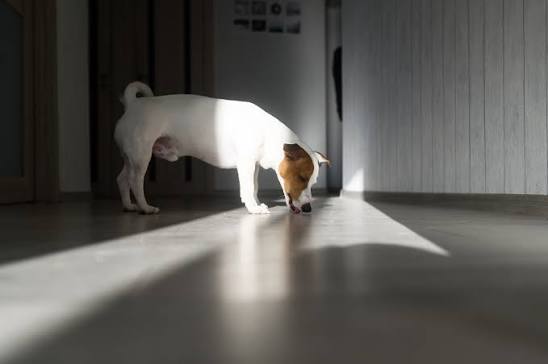
Carpet licking ranges from harmless curiosity to a sign of a medical problem. The most common causes include:
- Boredom or lack of mental stimulation
- Anxiety or stress
- Nutritional deficiencies
- Gastrointestinal issues like nausea or upset stomach
- Attention-seeking behavior
- Interesting smells or food residue trapped in carpet fibers
- Compulsive behavior linked to underlying medical conditions
Is Carpet Licking Normal or a Cause for Concern?
Occasional licking, especially of a specific spot with an interesting smell, is generally normal dog behavior. Dogs explore the world through scent and taste, so a quick lick here and there isn’t unusual.
Repetitive, obsessive licking is different. This pattern is classified as excessive licking of surfaces (ELS) and is considered a behavioral or medical red flag rather than simple curiosity.
Normal Licking vs. Excessive Licking of Surfaces (ELS)
| Feature | Normal Licking | Excessive Licking (ELS) |
|---|---|---|
| Frequency | Occasional, situational | Repetitive, ongoing |
| Trigger | Specific smell or spill | Often unclear or constant |
| Duration | Brief | Prolonged, hard to interrupt |
| Other symptoms | None | May include vomiting, weight loss |
| Underlying cause | Usually none | Often behavioral or medical |
Common Causes of Carpet Licking
Boredom and Lack of Stimulation
Dogs with excess energy and not enough mental or physical activity often develop repetitive habits like licking. High-energy breeds are especially prone to this when left without enough exercise or toys.
Boredom-related licking usually improves once the dog receives more structured activity. Puzzle toys, walks, and playtime are common first steps to address it.
Anxiety and Stress
Just like nail-biting in humans, repetitive licking can serve as a self-soothing behavior for anxious dogs. This often shows up during stressful events like thunderstorms, separation, or changes in routine.
Anxiety-driven licking tends to happen in patterns tied to specific triggers. Identifying and reducing those triggers often helps reduce the behavior.
Nutritional Deficiencies
Dogs sometimes lick or chew unusual objects when their body senses a missing nutrient. This instinctive behavior can extend to carpet fibers, especially if the dog’s regular diet is unbalanced.
A vet-recommended, complete dog food is usually the first step in ruling this out. Sudden new licking habits paired with diet questions are worth mentioning at your next vet visit.
Gastrointestinal Issues and Nausea

One of the strongest documented links to carpet licking is gastrointestinal discomfort. Dogs experiencing nausea sometimes try to eat grass outside, and indoor dogs without access to grass may lick the carpet instead.
A veterinary study observed 29 dogs, 19 of whom displayed excessive licking behavior. Fourteen of those dogs had an underlying gastrointestinal issue, including conditions like irritable bowel syndrome, parasites, or pancreatitis.
Attention-Seeking Behavior
Some dogs quickly learn that licking the carpet gets a reaction from their owner. If licking is consistently followed by attention, even negative attention, the behavior can become reinforced over time.
Ignoring the behavior while rewarding calm, quiet moments can help reduce attention-driven licking. Consistency is key for this approach to work.
Interesting Smells or Food Residue
Carpets absorb spills, crumbs, and scents over time, making them naturally appealing to a dog’s sense of smell. A single spot may be licked repeatedly simply because of a lingering food smell.
This type of licking is usually localized rather than widespread. Cleaning the area thoroughly often resolves it.
Underlying Medical Conditions
Beyond general stomach upset, more specific conditions have been linked to compulsive licking behavior. These include giardiasis, delayed gastric emptying, and inflammatory bowel disease.
Because these conditions require proper diagnosis, veterinary involvement is important if licking becomes frequent or intense. Bloodwork, fecal testing, or imaging may be needed to identify the exact cause.
Common Causes at a Glance
| Cause | Category | Typical Pattern |
|---|---|---|
| Boredom | Behavioral | Random, energy-driven |
| Anxiety/stress | Behavioral | Tied to specific triggers |
| Nutritional deficiency | Medical/Dietary | Ongoing, diet-related |
| Nausea/GI upset | Medical | Sudden onset, may include vomiting |
| Attention-seeking | Behavioral | Increases with owner reaction |
| Food residue/smell | Environmental | Localized to specific spots |
| Underlying illness | Medical | Persistent, often with other symptoms |
Health Risks of Frequent Carpet Licking

Persistent carpet licking isn’t just an odd habit; it carries real physical risks. Ingesting carpet fibers over time can lead to digestive complications.
- Intestinal blockage from swallowed carpet fibers
- Worsening of an existing gastrointestinal condition
- Exposure to cleaning chemicals or allergens trapped in carpet
- Dental wear from repetitive licking motions
- Secondary vomiting or appetite loss if fibers cause irritation
Signs Your Dog’s Licking Needs Veterinary Attention
- Licking that happens daily or multiple times per day
- Vomiting, diarrhea, or noticeable weight loss
- Licking accompanied by pawing at the mouth or excessive drooling
- Sudden onset of the behavior with no clear environmental trigger
- Difficulty interrupting or redirecting the behavior
- Signs of distress, such as whining or restlessness during licking episodes
What to Track Before Visiting the Vet
- Note the time of day. Licking patterns tied to mealtimes may point to nausea.
- Record frequency and duration. This helps distinguish occasional licking from compulsive behavior.
- Watch for other symptoms. Vomiting, appetite changes, or lethargy are important details to share.
- Note recent changes. New food, environment, or stressful events can offer helpful context.
- Try simple redirection first. See if a toy or activity easily interrupts the behavior or not.
Mistakes to Avoid
- Don’t dismiss frequent licking as “just a quirky habit” without ruling out medical causes.
- Don’t reward the behavior with attention if it appears to be attention-seeking.
- Don’t ignore accompanying symptoms like vomiting or weight loss.
- Don’t assume cleaning products are the cause without checking other environmental factors first.
How Vets Diagnose the Underlying Cause
A full physical exam is typically the starting point, along with a detailed history of when the licking began. Vets often ask about diet, recent stressors, and any accompanying digestive symptoms.
Bloodwork, fecal testing, and sometimes imaging may be used to rule out gastrointestinal conditions. If no medical cause is found, a behavioral evaluation can help identify anxiety or compulsive tendencies.
Treatment and Management Options
| Cause | Recommended Approach |
|---|---|
| Boredom | Increased exercise, puzzle toys, enrichment |
| Anxiety | Calming techniques, routine, possible vet-guided therapy |
| Nutritional deficiency | Balanced, vet-approved diet |
| GI upset/nausea | Veterinary diagnosis and targeted treatment |
| Attention-seeking | Consistent redirection and ignoring the behavior |
| Underlying illness | Condition-specific medical treatment |
Prevention Tips for Dog Owners
- Provide regular physical exercise appropriate for your dog’s breed and energy level.
- Offer mental stimulation through puzzle toys and training sessions.
- Keep a consistent daily routine to reduce anxiety triggers.
- Clean carpets regularly to reduce lingering food smells.
- Schedule routine vet checkups to catch gastrointestinal issues early.
- Monitor and document any new or increasing licking behavior.
Key Takeaways
- Occasional carpet licking is normal, but frequent or obsessive licking often signals a problem.
- Gastrointestinal issues are one of the most well-documented medical causes.
- Boredom, anxiety, and attention-seeking are common behavioral triggers.
- Ingesting carpet fibers can lead to serious complications like intestinal blockage.
- Tracking frequency, timing, and other symptoms helps your vet diagnose the cause faster.
- Any sudden, persistent, or symptom-associated licking deserves veterinary evaluation.
Also Read:
- 200+ Best Replies to “Inshallah” & What It Really Means
- Top 10 Contact Form Plugins
- The Fastest WordPress Theme
- 200+ Replies to “How’s It Hanging” You’ll Love Using
- 200+ Best Replies to “It Was Nice Talking to You”
- 200+ Best Replies to “Allahumma Barik” – Show Gratitude
- Why Workstation Sinks Are Becoming A Practical Upgrade For Property Investments
- Why Shame Blocks Growth
- Setting Shared Financial Goals
- How Useful is a PMP Certification for HR Professionals?
- The Digital First Impression Houston Companies Can’t Ignore
- 4 High-Tech Home Entertainment Amenities That Bring the Country Club Home
- Quality Meets Affordability in Lab Diamond Tennis Bracelets
- Do STIs Affect the Vaginal Microbiome?
- Why Investing In Quality Equipment Matters For Small Trade Businesses
- Moving a Few Items? Why Small Moves Are Easy to Underestimate
- Top 6 Simple to Implement Barber Scheduling Software
- How Modern Businesses Combine Technology and Storage Solutions for Better Operations
- Should You Buy Lab Diamond Tennis Bracelets Now?
- How to Choose the Perfect Lab Diamond Jewelry for Yourself
- The Benefits and Perils of a Last-minute Wedding
- Why Self-Care is Crucial for Living Life to the Fullest
- Why Movement Science Is Vital for Fitness Coaches
- A Practical Guide to Earth Ground Resistance Testing for Electrical Safety
Frequently Asked Questions (FAQs)
Why does my dog lick the carpet?
Common reasons include boredom, anxiety, nutritional deficiencies, or gastrointestinal issues like nausea. Occasional licking is usually normal, while frequent licking often points to an underlying cause.
Is it normal for dogs to lick carpets?
Occasional licking driven by an interesting smell or spill is normal. Repetitive, obsessive licking is considered abnormal and may signal a behavioral or medical issue.
What is excessive licking of surfaces (ELS) in dogs?
ELS is a veterinary term for dogs that repeatedly lick surfaces like carpets, floors, walls, or furniture. It has been linked to underlying gastrointestinal issues in many documented cases.
Can nausea cause a dog to lick the carpet?
Yes, dogs experiencing stomach discomfort sometimes lick the carpet as an indoor substitute for eating grass, which many dogs do when they feel nauseous.
Is carpet licking a sign of anxiety in dogs?
Yes, repetitive licking can serve as a self-soothing behavior for anxious dogs, similar to nail-biting in humans, especially during stressful situations.
Can boredom cause my dog to lick the carpet?
Yes, dogs without enough physical or mental stimulation often develop repetitive habits like licking as an outlet for excess energy.
Should I be worried if my dog licks the carpet a lot?
Yes, frequent or obsessive licking should be evaluated, since research has linked this behavior to gastrointestinal conditions in many cases.
Can carpet licking lead to health problems?
Yes, ingesting carpet fibers over time can cause intestinal blockages and other digestive complications, making the habit worth addressing.
What gastrointestinal issues are linked to carpet licking?
Documented conditions include irritable bowel syndrome, parasites, pancreatitis, giardiasis, and delayed gastric emptying.
Can a dog’s diet affect carpet licking behavior?
Yes, dogs with nutritional deficiencies may instinctively lick or chew unusual objects, including carpet fibers, in response to missing nutrients.
Is my dog licking the carpet for attention?
It’s possible. If licking consistently gets a reaction from you, your dog may repeat the behavior to gain attention, even if the reaction is negative.
How can I tell if carpet licking is behavioral or medical?
Behavioral licking often ties to specific triggers like boredom or stress, while medical licking is more likely to appear suddenly and come with symptoms like vomiting or appetite loss.
What should I track before taking my dog to the vet for this?
Note the frequency, timing, duration, and any other symptoms like vomiting or lethargy, along with recent changes in diet or environment.
Can cleaning products cause a dog to lick the carpet?
It’s possible if residue or scent lingers on the carpet, but this is less common than gastrointestinal or behavioral causes.
Is carpet licking the same as acral lick dermatitis?
No, acral lick dermatitis refers to a dog repeatedly licking their own body, usually a paw, while carpet licking involves licking external surfaces.
What tests might a vet run to diagnose the cause?
Vets commonly use bloodwork, fecal testing, and sometimes imaging to check for gastrointestinal issues or other underlying medical conditions.
Can changing my dog’s diet stop the licking?
In cases linked to nutritional deficiency, switching to a balanced, vet-approved diet can help reduce or eliminate the behavior.
How long does it take to stop excessive carpet licking?
This depends on the underlying cause. Behavioral causes may improve within weeks of consistent training, while medical causes typically resolve once properly treated.
Can senior dogs develop new carpet licking habits?
Yes, licking can appear at any age, and sudden onset in senior dogs may warrant closer attention to rule out age-related medical conditions.
When should I take my dog to the vet for carpet licking?
Seek veterinary care if the licking is frequent, persistent, or accompanied by symptoms like vomiting, weight loss, or noticeable behavior changes.
Conclusion
Carpet licking can range from a harmless habit to an early warning sign of a real health issue. Paying attention to frequency, triggers, and any accompanying symptoms is the best way to tell the difference.
If your dog’s licking seems excessive or comes with other changes in behavior or health, don’t wait to have it checked out. A quick vet visit can rule out serious causes and put you on the path to solving the habit for good.