Why Are My Toes Peeling? Causes & Treatments 2026
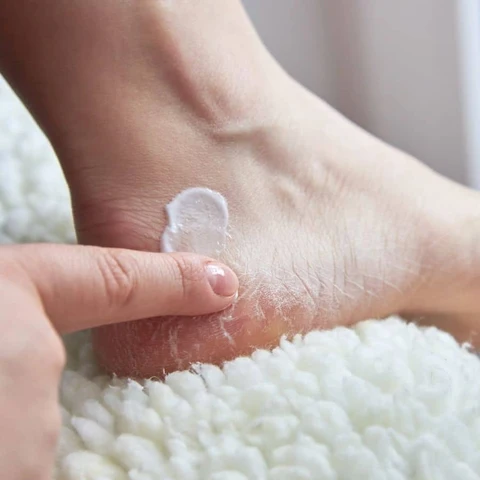
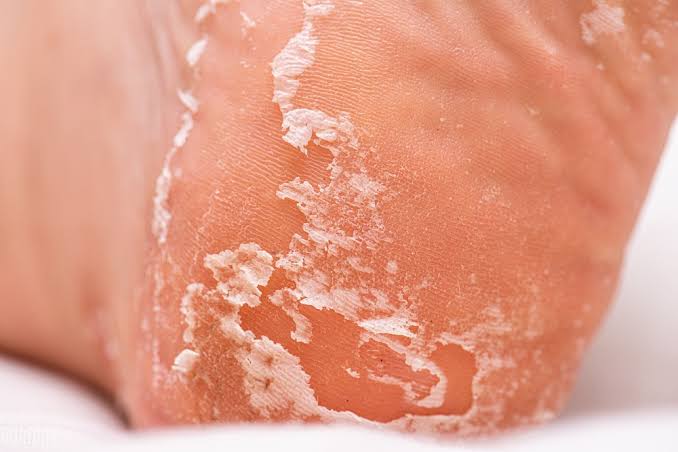
Why Are My Toes Peeling? Peeling toes are most often caused by dry skin, sweat and friction, or a fungal infection like athlete’s foot. Sunburn, eczema, psoriasis, and allergic reactions to shoes or products can also be responsible, depending on where and how the peeling shows up.
Most cases are minor and clear up with simple home care. Others, especially those involving infection or an underlying skin condition, need a more targeted treatment approach.
Common Causes of Peeling Toes
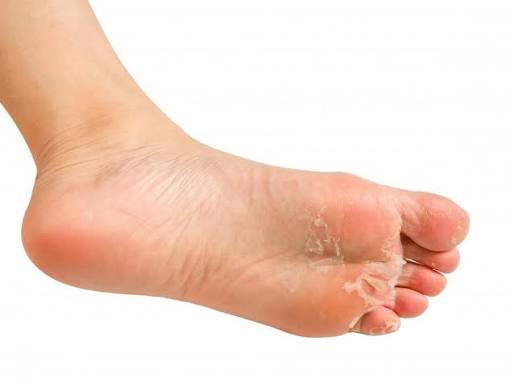
Peeling skin on the toes usually points to one of a handful of causes, ranging from harmless to something needing treatment. The most common include:
- Dry skin (xerosis)
- Athlete’s foot (fungal infection)
- Sweat and friction from shoes
- Sunburn
- Eczema (atopic dermatitis)
- Psoriasis
- Allergic contact dermatitis from shoe materials
Is Peeling Skin on Toes Normal?
Yes, occasional mild peeling, especially after tight shoes, sun exposure, or dry weather, is usually harmless. Skin naturally sheds and regenerates, and minor peeling is often part of that normal cycle.
Peeling that’s persistent, itchy, painful, or spreading is different. These patterns often point to an underlying skin condition or infection that benefits from proper diagnosis and treatment.
Common Causes of Peeling Toes
Dry Skin (Xerosis)
Dry skin, medically known as xerosis, can affect any part of the body, including the feet and toes. It often leads to flaky, cracked, or mildly itchy skin, especially during colder or drier months.
This type of peeling tends to be widespread rather than localized to one small area. Regular moisturizing usually resolves it within days.
Athlete’s Foot (Fungal Infection)
Athlete’s foot, also called tinea pedis, is a contagious fungal infection that often starts between the toes. It’s commonly picked up in warm, damp environments like locker rooms, showers, and pool decks.
Peeling from athlete’s foot is usually accompanied by itching, redness, and sometimes a scaly rash. As it progresses, the skin may crack, blister, or even bleed in more severe cases.
Sweat and Friction
Feet that sweat heavily inside tight or non-breathable shoes are prone to skin breakdown over time. Constant moisture softens the skin, which can then peel or flake after prolonged exposure.
This is sometimes linked to hyperhidrosis, a condition involving excessive sweating beyond what’s needed for temperature regulation. Breathable footwear and moisture control help prevent this type of peeling.
Sunburn
Sunburned skin on the tops of the feet and toes is a common but often overlooked cause of peeling. Many people forget sunscreen on their feet, leading to redness, tenderness, and peeling days after sun exposure.
This type of peeling is usually temporary and resolves as the skin heals. Cool compresses and gentle moisturizers can help ease discomfort during recovery.
Eczema (Atopic Dermatitis)
Eczema is an inflammatory skin condition that can affect the feet just as easily as other parts of the body. Flare-ups often bring dry, itchy patches along with redness, cracking, and peeling.
Triggers for eczema flares can include stress, allergens, heat, or certain fabrics. Fragrance-free moisturizers and, in some cases, prescription treatment can help manage symptoms.
Psoriasis
Psoriasis is a chronic autoimmune condition that speeds up the skin’s natural cell turnover process. This can lead to thickened, scaly patches that peel or shed, sometimes appearing on the soles of the feet and toes.
Unlike temporary peeling from sunburn or dryness, psoriasis is a long-term condition. Treatment focuses on managing symptoms and reducing flare frequency rather than a one-time cure.
Allergic Contact Dermatitis
Certain shoe materials, including glues, dyes, rubber, and nickel components, can trigger an allergic skin reaction. This is known as shoe contact dermatitis and often causes localized peeling, redness, and irritation.
Identifying and avoiding the specific trigger material is key to resolving this type of reaction. Switching shoe brands or materials often clears up symptoms.
Common Causes at a Glance
| Cause | Typical Location | Common Symptoms |
|---|---|---|
| Dry skin (xerosis) | Widespread on feet/toes | Flaky, mildly itchy skin |
| Athlete’s foot | Between toes | Itching, redness, scaling |
| Sweat/friction | Between toes, soles | Softened, macerated skin |
| Sunburn | Tops of toes/feet | Redness, tenderness, peeling |
| Eczema | Varies, often widespread | Dry, itchy, cracked patches |
| Psoriasis | Soles, toes | Thick, scaly patches |
| Contact dermatitis | Localized to shoe contact areas | Redness, irritation, peeling |
Peeling on Top of Toes vs. Between Toes
| Location | Most Likely Causes |
|---|---|
| Top of toes | Sunburn, contact dermatitis, dry skin |
| Between toes | Athlete’s foot, sweat/friction, maceration |
| Soles of feet | Dry skin, psoriasis, eczema |
| Around nails | Fungal infection, contact irritation |
When Peeling Toes Might Signal Something More Serious
While most causes are manageable at home, certain signs suggest a condition that needs medical attention. Pay close attention if peeling comes with any of the following.
- Persistent redness, warmth, or swelling
- Pain that worsens rather than improves
- Fever alongside foot symptoms
- Non-healing sores, especially in people with diabetes
- Spreading rash beyond the toes
- Discharge, odor, or signs of infection
Warning Signs That Need Prompt Medical Care
- Signs of cellulitis, including hot, painful, swollen skin
- Sores that don’t heal, particularly in people with diabetes
- Peeling accompanied by fever or spreading redness
- Severe pain or blistering that limits walking
What You Can Do at Home
- Wash and dry feet daily. Use a gentle, fragrance-free cleanser and dry thoroughly, especially between the toes.
- Moisturize regularly. Apply a fragrance-free moisturizer to prevent and treat dryness-related peeling.
- Change socks when damp. Choose breathable fabrics like cotton over synthetic materials.
- Use antifungal treatment if needed. Over-the-counter creams, sprays, or powders can help with suspected athlete’s foot.
- Wear sandals in public wet areas. This reduces exposure to fungal infections in pools, gyms, and locker rooms.
- Apply sunscreen to your feet. Don’t forget the tops of your feet and toes during sun exposure.
Mistakes to Avoid
- Don’t ignore peeling that’s paired with pain, swelling, or fever.
- Don’t assume all peeling is fungal without checking for other signs like sunburn or dryness.
- Don’t walk barefoot in public showers, pools, or locker rooms if you’re prone to fungal infections.
- Don’t skip moisturizer just because peeling seems minor.
How Doctors Diagnose the Cause
A visual exam is often enough to identify common causes like dry skin, sunburn, or early athlete’s foot. For less obvious cases, a doctor may take a skin scraping to check for fungal infection under a microscope.
If an autoimmune condition like psoriasis is suspected, further evaluation or a dermatology referral may be recommended. Persistent or unclear cases benefit from professional diagnosis rather than guesswork.
Treatment Options Based on Cause
| Cause | Typical Treatment |
|---|---|
| Dry skin | Regular moisturizing, gentle cleansers |
| Athlete’s foot | OTC antifungal creams, sprays, or powders |
| Sweat/friction | Breathable footwear, moisture-wicking socks |
| Sunburn | Cool compresses, aloe vera, hydration |
| Eczema | Fragrance-free moisturizers, prescription creams if needed |
| Psoriasis | Topical treatments, dermatologist-guided care |
| Contact dermatitis | Avoiding trigger material, topical anti-inflammatories |
Prevention Tips
- Moisturize your feet daily, especially after showering.
- Choose breathable socks and rotate shoes to allow them to fully dry.
- Wear sandals in communal showers, pools, and locker rooms.
- Apply sunscreen to exposed feet during outdoor activities.
- Avoid known allergens or irritating shoe materials if you have sensitive skin.
- Monitor feet closely if you have diabetes or a chronic skin condition.
Key Takeaways
- Peeling toes are most often caused by dry skin, athlete’s foot, or friction from footwear.
- Sunburn, eczema, and psoriasis are also common but distinct causes.
- Location of peeling can help narrow down the likely cause.
- Persistent pain, swelling, or non-healing sores need prompt medical evaluation.
- Most mild cases improve with proper hygiene, moisturizing, and antifungal treatment when needed.
- People with diabetes should monitor foot skin changes especially closely.
Also Read:
- 200+ Best Replies to “Inshallah” & What It Really Means
- Top 10 Contact Form Plugins
- The Fastest WordPress Theme
- 200+ Replies to “How’s It Hanging” You’ll Love Using
- 200+ Best Replies to “It Was Nice Talking to You”
- 200+ Best Replies to “Allahumma Barik” – Show Gratitude
- Why Workstation Sinks Are Becoming A Practical Upgrade For Property Investments
- Why Shame Blocks Growth
- Setting Shared Financial Goals
- How Useful is a PMP Certification for HR Professionals?
- The Digital First Impression Houston Companies Can’t Ignore
- 4 High-Tech Home Entertainment Amenities That Bring the Country Club Home
- Quality Meets Affordability in Lab Diamond Tennis Bracelets
- Do STIs Affect the Vaginal Microbiome?
- Why Investing In Quality Equipment Matters For Small Trade Businesses
- Moving a Few Items? Why Small Moves Are Easy to Underestimate
- Top 6 Simple to Implement Barber Scheduling Software
- How Modern Businesses Combine Technology and Storage Solutions for Better Operations
- Should You Buy Lab Diamond Tennis Bracelets Now?
- How to Choose the Perfect Lab Diamond Jewelry for Yourself
- The Benefits and Perils of a Last-minute Wedding
- Why Self-Care is Crucial for Living Life to the Fullest
- Why Movement Science Is Vital for Fitness Coaches
- A Practical Guide to Earth Ground Resistance Testing for Electrical Safety
Frequently Asked Questions (FAQs)
Why are my toes peeling?
Peeling toes are most commonly caused by dry skin, athlete’s foot, sweat and friction, or sunburn. Eczema, psoriasis, and allergic reactions to shoe materials are less common but possible causes.
Is peeling skin on my toes serious?
Usually not. Mild, occasional peeling is often harmless, but persistent, painful, or spreading peeling should be evaluated by a doctor.
How can I tell if my toe peeling is from athlete’s foot?
Athlete’s foot typically causes peeling between the toes along with itching, redness, and sometimes a scaly rash or cracking.
Can dry weather cause my toes to peel?
Yes, cold or dry weather can worsen xerosis, a common form of dry skin that leads to flaky or cracked skin on the feet and toes.
Is it normal for feet to peel after a sunburn?
Yes, sunburned skin on the feet and toes commonly peels a few days after the burn as part of the natural healing process.
Can sweaty feet cause peeling skin?
Yes, prolonged moisture inside shoes can soften the skin, especially between the toes, leading to peeling or maceration over time.
What does peeling from eczema look like on the feet?
Eczema-related peeling often appears alongside dry, itchy patches, redness, and cracked skin, sometimes triggered by stress or allergens.
Can psoriasis cause peeling toes?
Yes, psoriasis speeds up skin cell turnover, which can lead to thick, scaly patches that peel, often on the soles of the feet.
Are shoe materials a common cause of toe peeling?
Yes, certain shoe materials like rubber, glue, or dyes can trigger allergic contact dermatitis, leading to localized peeling and irritation.
When should I see a doctor about peeling toes?
See a doctor if peeling comes with pain, swelling, fever, spreading redness, or if you have diabetes and notice a non-healing sore.
Can peeling toes be a sign of diabetes complications?
Yes, in people with diabetes, peeling or sores that don’t heal properly can indicate a wound needing prompt medical attention.
Is athlete’s foot contagious?
Yes, athlete’s foot is contagious and commonly spreads in warm, damp public areas like locker rooms, showers, and pool decks.
What’s the best way to treat mild dry skin peeling?
Regular moisturizing with a fragrance-free product, combined with gentle cleansing, usually resolves mild dry skin peeling within days.
Can peeling toes indicate a fungal infection under the nails?
Yes, fungal infections can sometimes extend to the nails, causing discoloration, thickening, or peeling skin around the nail area.
How can I prevent athlete’s foot?
Keep feet dry, change socks regularly, wear breathable footwear, and use sandals in public showers, pools, or locker rooms.
Does stress affect skin peeling on the feet?
Yes, stress is a known trigger for eczema flare-ups, which can contribute to dry, itchy, and peeling skin on the feet.
Can over-the-counter treatments fix peeling from athlete’s foot?
Yes, OTC antifungal creams, sprays, or powders are typically effective for mild to moderate athlete’s foot cases.
What’s the difference between eczema and psoriasis on the feet?
Eczema usually causes itchy, inflamed patches, while psoriasis leads to thicker, well-defined scaly patches due to faster skin cell turnover.
Can peeling toes heal on their own without treatment?
Mild cases from sunburn or minor dryness often heal on their own, but infections or chronic conditions typically need targeted treatment.
Is it safe to walk barefoot if my toes are peeling?
It depends on the cause. Avoid walking barefoot in public wet areas if a fungal infection is suspected, since it can spread or worsen.
Conclusion
Peeling toes are usually a minor, manageable issue tied to dryness, sweat, or a common fungal infection. Paying attention to where the peeling occurs and what symptoms come with it makes it much easier to identify the right cause.
If home care doesn’t improve things, or if you notice pain, swelling, or signs of infection, it’s worth having a doctor or podiatrist take a closer look. Getting the right diagnosis early makes treatment faster and more effective.