Start With Why Simon Sinek: Best Quotes and Lessons 2026
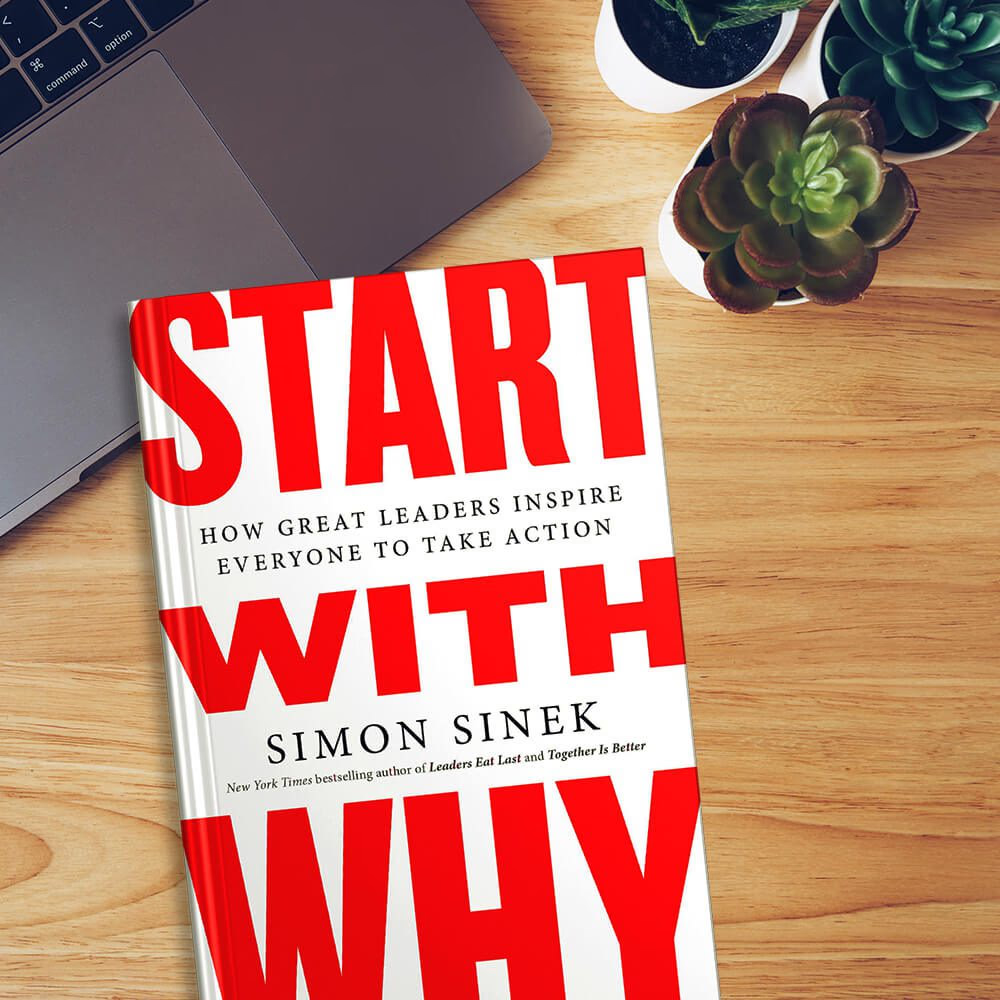
Start With Why Simon Sinek remains one of the most searched leadership topics of 2026, and for good reason. This book changed how founders, marketers, and managers think about purpose.
Simon Sinek’s Golden Circle model asks a simple question: why does your company exist?
What Is Start With Why by Simon Sinek About
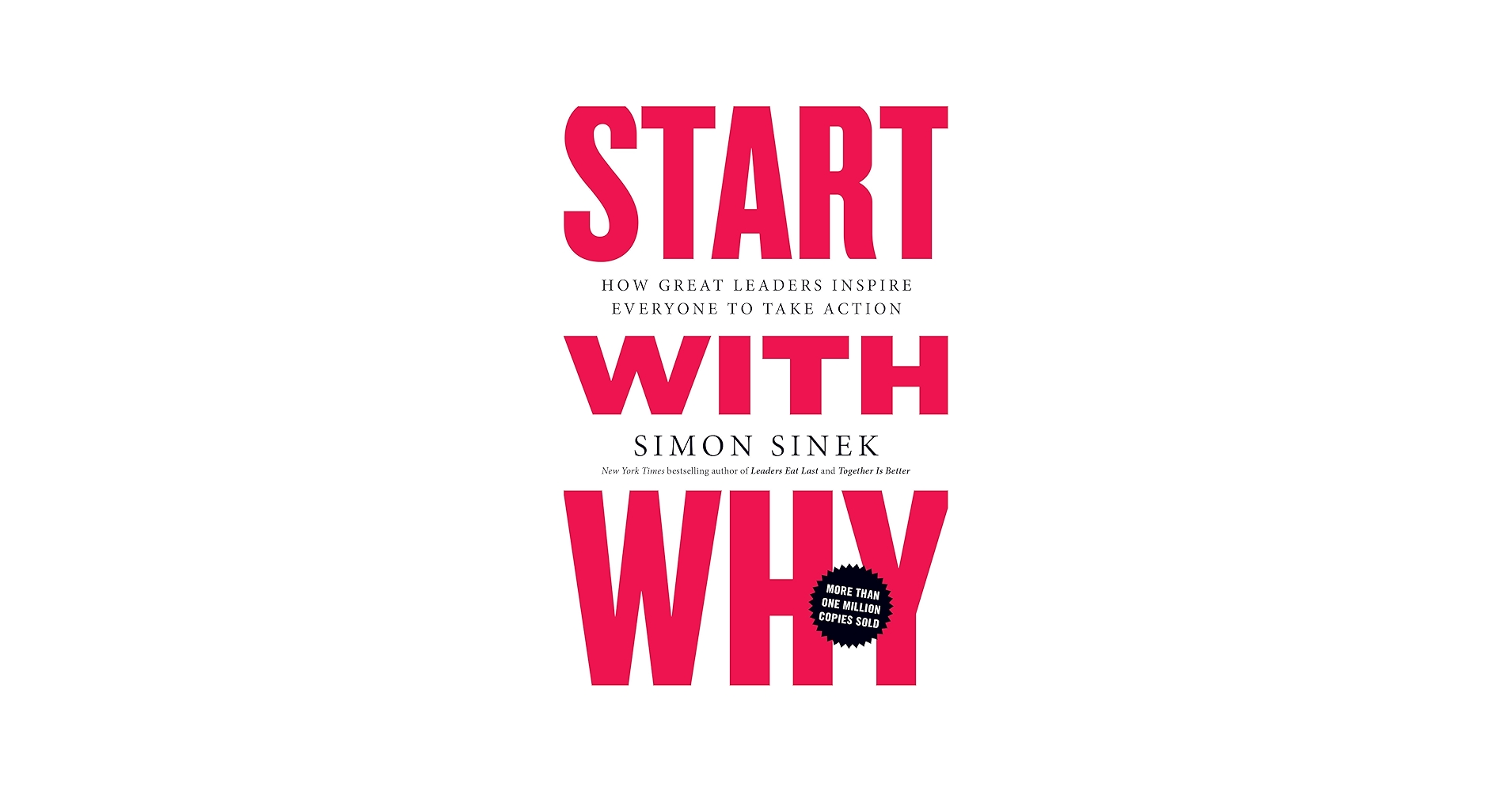
Start With Why is a leadership book published in 2009. It argues that inspiring leaders and companies think, act, and communicate from the inside out.
Sinek studied brands like Apple, Southwest, and Martin Luther King Jr’s movement. He found they all led with purpose before product.
The book became a global phenomenon after Sinek’s TED Talk on the same topic passed 60 million views. It remains one of the most recommended leadership reads.
The Golden Circle Explained
The Golden Circle has three layers: Why, How, and What. Most companies talk about what they do first. Inspiring companies flip that order.
WHY sits at the center. It represents purpose, cause, or belief. HOW represents the process or differentiator. WHAT is the product or service itself.
Sinek links this model to brain biology. The outer layers connect to rational thought, while the WHY connects to the limbic brain, which drives feelings and decisions.
| Layer | What It Represents | Example Question |
|---|---|---|
| WHY | Purpose or belief | Why do we exist? |
| HOW | Process or differentiator | How do we do it differently? |
| WHAT | Product or service | What do we sell or make? |
Why the Golden Circle Works
People do not connect with lists of features. They connect with a story that matches something they already believe.
This is why two companies selling the same product can have completely different levels of customer loyalty and pricing power.
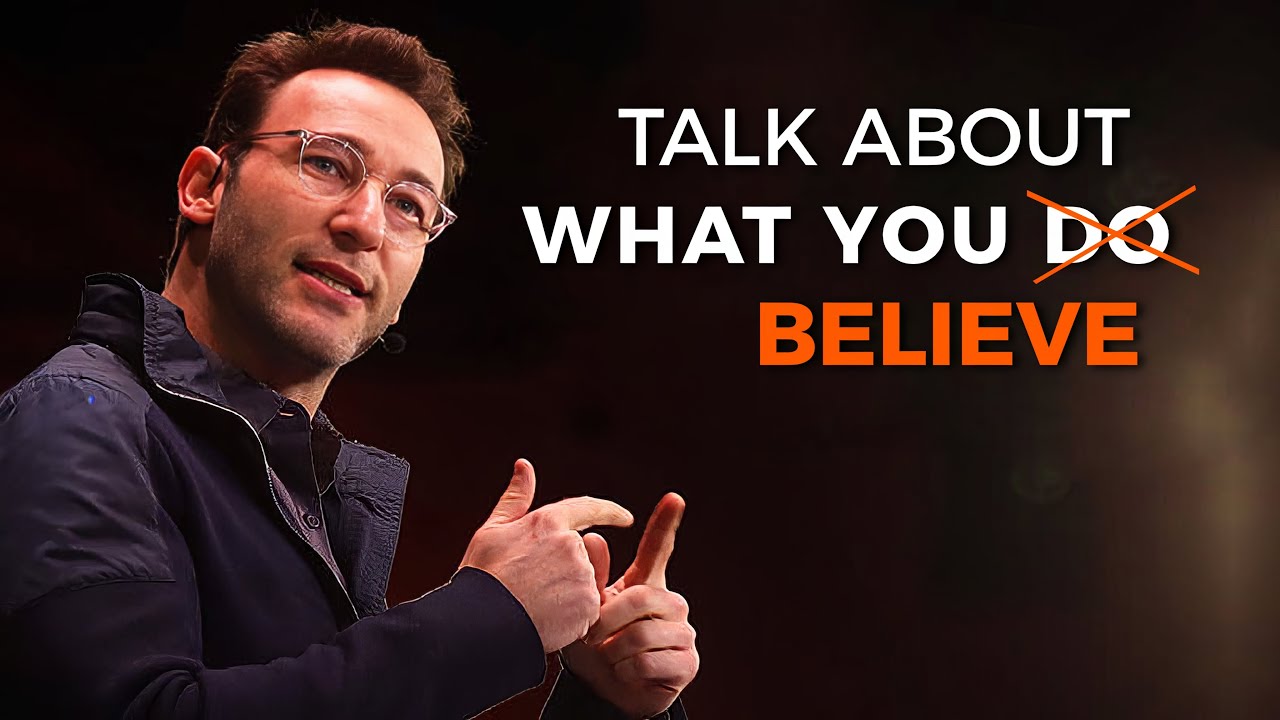
Sinek’s central claim is that people do not buy what a company does. They buy why the company does it, and the what becomes the proof.
Best Simon Sinek Quotes From Start With Why
Below are some of the most repeated and shared lines from the book, grouped by theme so you can find the right one faster.
Quotes on Purpose and Belief
“People don’t buy what you do; they buy why you do it,” Sinek writes, summarizing the entire thesis of the book in one line.
He also notes that a company’s why never changes even when its products, strategies, or leadership do over time.
Quotes on Leadership
Sinek draws a sharp line between leaders who hold a title and leaders who actually inspire people to follow willingly.
He argues that the job of a leader is not to generate every idea, but to build an environment where good ideas can surface from anyone.
Quotes on Trust and Loyalty
Trust, according to Sinek, is not a policy. It is built slowly through consistent action that matches stated values over time.
He warns that once clarity, discipline, and consistency fall out of balance, an organization’s internal trust begins to erode quickly.
Quotes on Innovation
Sinek pushes back on the idea that innovation comes from comfort. He argues real innovation is usually born out of struggle and constraint.
He also uses Henry Ford’s famous point about customers only being able to ask for a faster horse, not a car.
Top Lessons From Start With Why
The quotes are memorable, but the lessons are what readers actually apply in their careers and businesses. Here are the five biggest takeaways.
Lesson 1: People Buy Why, Not What
Every pitch, ad, or resume should lead with purpose. Features and specs come second because they only support the belief.
Brands like Apple prove this by selling belief in challenging the status quo, not just laptops and phones.
Lesson 2: Great Leaders Inspire Instead of Manipulate
Sinek separates two ways to influence behavior: manipulation and inspiration. Manipulation works short term through price, fear, or peer pressure.
Inspiration builds loyalty because people choose to act, not because they are pushed to act by an external incentive.
Lesson 3: Hire for Attitude, Not Only Skill
Skills can be taught on the job fairly quickly. Attitude and belief alignment are much harder to install after hiring.
Sinek recommends hiring people who already believe what the company believes, then giving them the skills training they need.
Lesson 4: Trust Is Built Through Consistency
A single good year does not build trust. Sinek argues trust compounds only when values are actively protected over many years.
Companies that drift from their founding purpose often replace inspiration with short term manipulation tactics to hit numbers.
Lesson 5: The Celery Test Creates Clarity
Sinek’s Celery Test helps leaders filter decisions. If a tactic does not support the company’s why, it should be dropped regardless of trends.
This keeps strategy, marketing, and hiring decisions aligned with a single clear purpose instead of chasing every competitor move.
Step by Step Guide to Finding Your Own Why
Start by listing two or three moments in your career that felt genuinely meaningful, not just financially rewarding at the time.
Look for a common thread across those moments. This thread often points toward the belief that actually drives your motivation.
Write your why as one clear sentence. Avoid vague words like excellence or quality, since Sinek argues values must read like actions.
Test the sentence against a past decision. If it explains why you made that choice, the sentence is likely accurate and usable.
Share the sentence with a trusted colleague or mentor. Outside feedback often catches when a why sounds more like a slogan than a belief.
How Businesses Use This Framework Today
Many startups now write their why statement before building a product roadmap, treating purpose as the filter for every early decision.
Marketing teams use the Golden Circle to structure landing pages, opening with belief statements before ever mentioning product specs or pricing.
Recruiters increasingly ask interview questions built around this model, testing whether a candidate’s personal why aligns with company culture.
Some agencies also run internal workshops based on the book, helping leadership teams draft a single shared purpose statement together.
Real World Examples Sinek Uses in the Book
Sinek relies on well known companies and leaders to make the Golden Circle concept concrete rather than theoretical.
The table below summarizes how he frames a few of these examples and the outcome each one produced.
| Example | Their Why (As Framed by Sinek) | Result |
|---|---|---|
| Apple | Challenge the status quo through design | Premium pricing and fierce loyalty |
| Wright Brothers | Prove that powered flight was possible | First successful flight despite fewer resources |
| Martin Luther King Jr. | A shared belief in equality and justice | Mass movement built on inspiration, not orders |
| Southwest Airlines | Freedom to fly for everyday people | Long term customer loyalty and low staff turnover |
How to Apply Start With Why in Your Own Life
Start by writing one sentence that explains why your work exists, separate from what you actually produce day to day.
Test that sentence against real decisions. If a new project does not support your why, Sinek would say skip it.
Apply the same test to hiring, marketing copy, and even personal career choices, not only company strategy documents.
Start With Why Book Details
| Detail | Information |
|---|---|
| Full Title | Start with Why: How Great Leaders Inspire Everyone to Take Action |
| Author | Simon Sinek |
| First Published | 2009 |
| Genre | Leadership, Business, Self Help |
| Based On | Sinek’s TED Talk of the same theme |
| Core Model | The Golden Circle: Why, How, What |
More Simon Sinek Quotes Worth Saving
Sinek often repeats that working hard for something you do not care about feels like stress, while working hard for something you love feels like passion.
He also draws a line between people who simply hold a leadership title and those who truly lead by earning willing followers.
Another recurring idea is that inspiring organizations give their people something to work toward, not just another task to complete.
On competition, Sinek notes that comparing yourself to everyone else invites resistance, while competing against your own past performance invites support.
He closes many talks with the reminder that finding your why is a process of discovery, not something you invent from scratch.
Related Topics and Terms Covered in This Guide
This guide naturally touches on several related concepts that readers searching this topic usually want covered in one place.
| Related Term | Why It Matters Here |
|---|---|
| Golden Circle | The core visual model behind the entire book |
| Purpose driven leadership | The broader movement this book helped popularize |
| Celery Test | Sinek’s practical filter for staying on purpose |
| Infinite Game | A later Sinek concept building on long term thinking |
| Manipulation vs inspiration | The central contrast the book uses to explain influence |
| Find your why | The workbook that helps readers apply this book personally |
Covering these terms together helps readers get a complete picture instead of jumping between multiple articles.
Who Should Read Start With Why
Founders and startup owners benefit most because the book helps clarify messaging before spending money on ads or branding.
Marketers use it to build campaigns around belief instead of discounts, which tends to create stronger long term customer relationships.
HR leaders and recruiters also apply the framework when writing job posts, since it shifts hiring toward attitude and shared values.
Students of leadership studies read it as a foundational text alongside other modern management theory books.
Lesson 6: Communicate From the Inside Out
Most marketing starts with what a product does, then how it works, and rarely mentions why it exists at all.
Sinek flips this order. He insists that clear communication about purpose should always come first, before any feature list.
Brands that lead with why tend to need less convincing, because the audience already feels emotionally aligned with the message.
Lesson 7: Success Without Clarity Does Not Last
A company can succeed for a while without a clear why, especially with a strong product or lucky timing in the market.
Sinek warns that this kind of success is fragile. Without a guiding purpose, growth eventually stalls or turns into pure survival mode.
Long term winners protect their why even as products, leadership, and markets change dramatically around them.
Common Mistakes When Applying Start With Why
Many teams write a mission statement once and never revisit it, which turns the why into decoration instead of a working filter.
Others confuse their why with their what, describing the product itself instead of the belief driving it.
A third mistake is inconsistency. Leaders state one purpose publicly, then make decisions that clearly serve short term profit instead.
Start With Why Compared to Sinek’s Other Books
Simon Sinek expanded these ideas across several later books, each one applying the Golden Circle to a different setting.
| Book | Year | Core Focus |
|---|---|---|
| Start with Why | 2009 | Purpose, the Golden Circle, and inspiring action |
| Leaders Eat Last | 2014 | Trust, safety, and biology inside teams |
| Together Is Better | 2016 | Short parables on collaboration and vision |
| Find Your Why | 2017 | A practical workbook for discovering your why |
| The Infinite Game | 2019 | Long term thinking over short term competition |
Key Takeaways Summary Table
This table condenses the entire guide into quick reference points you can scan in under a minute.
| Theme | Core Message |
|---|---|
| Purpose | People buy why you do it, not what you sell |
| Leadership | Inspire through belief instead of manipulating through fear or price |
| Hiring | Choose attitude and shared values, then teach the required skills |
| Trust | Built slowly through years of consistent action, not slogans |
| Decisions | Use the Celery Test to filter out anything off purpose |
Why Purpose Beats Price in the Long Run
Companies that compete only on price eventually get undercut by a cheaper competitor, since price alone builds no lasting loyalty.
Purpose driven companies keep customers even when a cheaper option appears, because the relationship is emotional, not purely transactional.
This is one reason Sinek’s framework remains popular with founders trying to build a brand that survives beyond a single pricing cycle.
Why This Topic Still Ranks in 2026
Leadership content around purpose driven work continues to trend as companies face burnout, quiet quitting, and hiring challenges.
Search interest around Start With Why Simon Sinek stays steady each year because business students, coaches, and founders keep referencing the Golden Circle.
Short video platforms have also revived interest, since Sinek’s original TED clips get re-shared frequently in leadership and career content.
How to Measure If Your Why Is Actually Working
Track whether customers describe your brand using belief language, not just product features, when they leave reviews or referrals.
Watch employee retention closely. Sinek argues that people who believe in the purpose stay longer, even during difficult growth periods.
Notice whether decisions get easier over time. A clear why should reduce debate during planning meetings, not add more confusion.
Finally, check consistency across five years, not five months. Real purpose driven success shows up as a pattern, not a single good quarter.
Final Thoughts Before the Quick Answers
Reading Start With Why once is useful, but revisiting it during major decisions tends to reveal new lessons each time.
Many readers keep a short list of favorite quotes visible at their desk as a daily reminder of their own purpose.
Others turn the Golden Circle into a slide they reuse in every strategy meeting, keeping the team focused on why before what.
Whatever method you choose, the goal stays the same: let purpose guide the plan, not the other way around.
Bringing It All Together Before the FAQ Section
By this point, the Golden Circle, the best quotes, and the core lessons should feel connected rather than separate ideas.
The next section answers the most common direct questions people search alongside Start With Why Simon Sinek, in short form.
Criticism and Limitations of Start With Why
Some critics argue the Golden Circle oversimplifies complex business success into a single purpose statement.
Survivorship bias is a common critique too, since Sinek focuses on companies that already succeeded and reverse engineers their why.
Even so, most reviewers agree the framework is still useful for branding, hiring, and internal culture conversations in 2026.
Quick Content Snapshot
| Metric | Detail |
|---|---|
| Reading Level | Simple, conversational, accessible to general business readers |
| Best Audience | Founders, marketers, HR leaders, and leadership students |
| Core Takeaway | Purpose comes first, product comes second |
| Companion Resource | Sinek’s original TED Talk on the same theme |
Frequently Asked Questions (FAQs)
What is the main idea of Start With Why by Simon Sinek?
The book argues that people buy why a company exists, not just what it sells. Purpose drives loyalty more than product features.
What is the Golden Circle in Start With Why?
It is a three layer model: Why at the center, then How, then What. Inspiring leaders communicate from the inside out.
What is the most famous Simon Sinek quote?
“People don’t buy what you do; they buy why you do it” is the most widely shared line from the entire book.
Is Start With Why based on a TED Talk?
Yes, it expands on Sinek’s TED Talk, which remains one of the most viewed talks on leadership and purpose ever recorded.
Who are the examples used in Start With Why?
Sinek cites Apple, the Wright Brothers, Martin Luther King Jr., and Southwest Airlines as leaders who led with purpose first.
What is the Celery Test in Start With Why?
It is a filter for decisions. If an action does not support your stated why, Sinek says it should be removed.
How long is Start With Why by Simon Sinek?
The book runs roughly 250 pages depending on the edition, making it a fairly quick and practical business read.
Is Start With Why good for small business owners?
Yes, many founders use it to clarify brand messaging, hiring criteria, and marketing copy before scaling their teams.
What is the difference between manipulation and inspiration in the book?
Manipulation uses price, fear, or pressure for short term results. Inspiration builds loyalty because people choose to act on belief.
Should I read Start With Why or watch the TED Talk first?
The TED Talk gives the core idea in under 20 minutes, while the book expands it with examples, so either order works.
Conclusion
Start With Why by Simon Sinek continues to shape how leaders, marketers, and teams think about purpose in 2026. The Golden Circle model is simple but has held up because it explains why people stay loyal to brands and leaders long after the first sale.
The best quotes in this guide capture the emotional core of the book, while the seven lessons show how to actually apply the idea to hiring, marketing, and daily decisions.
Real examples like Apple, Southwest, and the Wright Brothers prove the framework works outside theory, not just inside a TED Talk. Whether you run a company, lead a small team, or simply want clearer career direction, the same test applies.
If you take one thing from this guide, let it be this: define your why clearly, protect it consistently, and let your what serve as proof of what you truly believe, year after year.