Why Are My Gums Receding? Symptoms You Should Know 2026
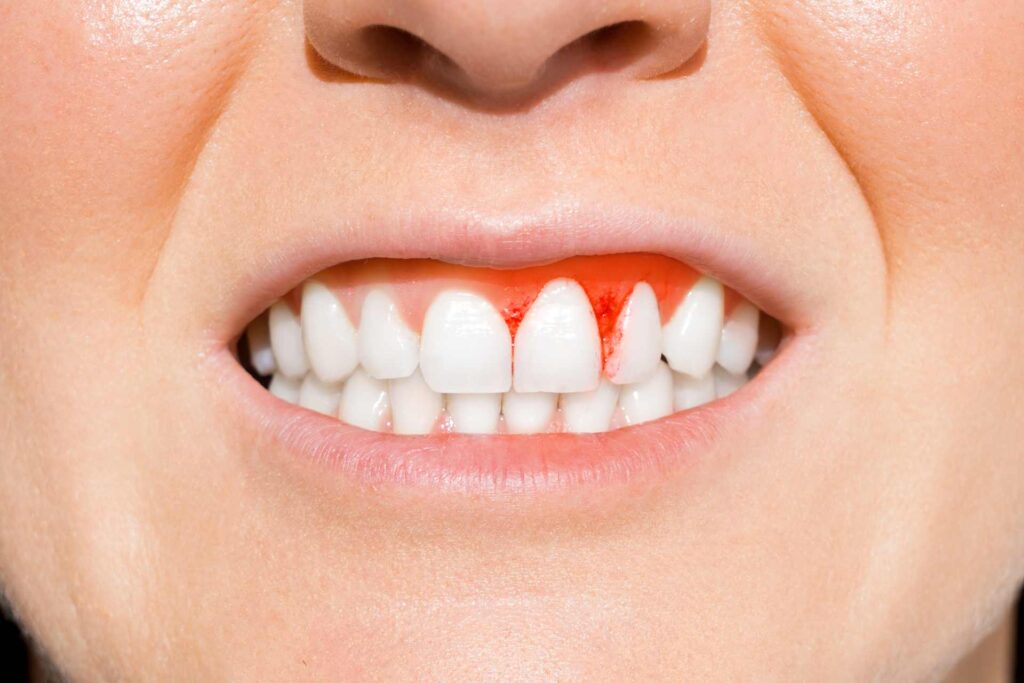
Why are my gums receding? It is one of the most searched dental questions — and for good reason. Gum recession affects over 50% of adults above age 30 in the US alone.
When your gum tissue pulls back from your teeth, it exposes the roots, raising your risk of sensitivity, decay, and tooth loss.
The scary part? Most people do not notice it until damage is already done.
What Is Gum Recession?
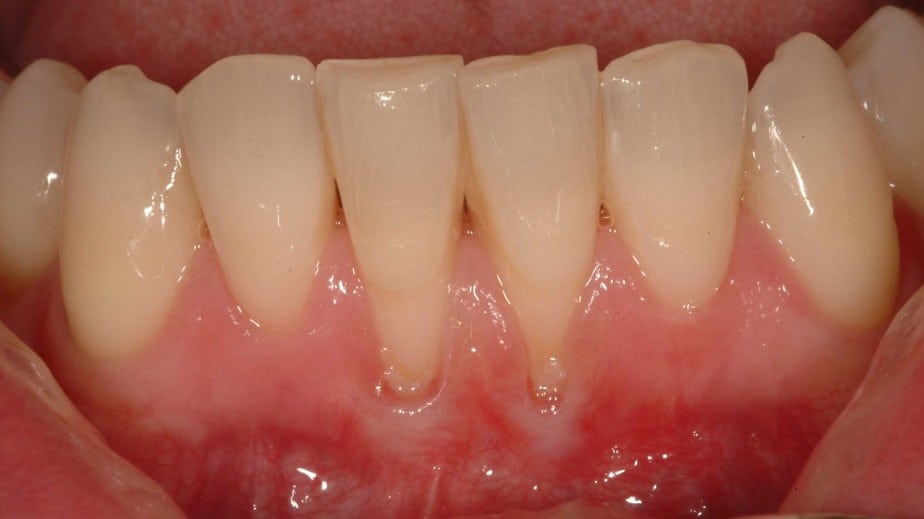
Gum recession, also called gingival recession, is when the gum tissue surrounding your teeth wears away or pulls back, exposing more of the tooth or its root.
It is not just a cosmetic issue. Exposed roots are softer than enamel and far more vulnerable to bacteria, cavities, and decay.
The condition develops gradually, which is why many people miss the early signs entirely.
Why Are My Gums Receding? The Main Causes
Understanding the root cause is the first step toward stopping gum recession in its tracks.
Periodontal Disease (Gum Disease)
Gum disease is the leading cause of gum recession. Bacterial infections destroy gum tissue and the supporting bone that holds teeth in place.
It starts as gingivitis — red, swollen, bleeding gums — and progresses into periodontitis if left untreated.
Aggressive Brushing
Brushing too hard or using the wrong technique is one of the most common and overlooked causes. It physically wears away gum tissue over time.
Always use a soft-bristled toothbrush and gentle circular motions, never a back-and-forth scrubbing motion.
Poor Oral Hygiene
When plaque builds up on teeth and along the gumline, it hardens into tartar. Tartar cannot be removed by brushing alone — it irritates and inflames gum tissue.
Over time, the gums pull away from the teeth to “escape” the bacteria.
Genetics
Research shows that 30% of the population may be genetically predisposed to thin gum tissue or gum disease, regardless of how carefully they brush.
If gum recession runs in your family, regular dental visits become even more important.
Tobacco Use
Smoking and vaping are directly linked to receding gums. Tobacco reduces blood flow to the gums, weakens immune response, and creates an environment where bacteria thrive.
Chewing tobacco also causes direct physical irritation to gum tissue.
Teeth Grinding and Clenching (Bruxism)
Grinding or clenching places excessive force on the teeth. This pressure transfers to the surrounding gum and bone, causing the gums to recede over time.
Many people grind their teeth at night without realizing it.
Misaligned Bite or Crooked Teeth
When teeth do not come together evenly, uneven pressure is placed on the gums and bone. This imbalance can trigger recession in specific areas.
Orthodontic treatment moving teeth toward thin bone areas can also contribute.
Hormonal Changes
Fluctuations in estrogen — during puberty, pregnancy, or menopause — make gums more sensitive and vulnerable to inflammation.
Pregnant women are especially at risk of developing pregnancy gingivitis, which can progress to recession.
Lip and Tongue Piercings
Jewelry rubbing repeatedly against gum tissue can erode it over time. This is a lesser-known but documented cause of localized gum recession.
Dry Mouth and Certain Medications
Dry mouth reduces saliva, which normally protects gum tissue from bacteria. Medications for blood pressure, depression, and allergies are common culprits.
Causes of Receding Gums at a Glance
| Cause | Risk Level | Can You Control It? |
|---|---|---|
| Gum disease (periodontitis) | Very High | Yes, with treatment |
| Aggressive brushing | High | Yes |
| Poor oral hygiene | High | Yes |
| Genetics | Moderate | No, but manage risk |
| Tobacco use | High | Yes |
| Teeth grinding (bruxism) | Moderate | Yes, with a night guard |
| Hormonal changes | Moderate | Partially |
| Misaligned teeth | Moderate | Yes, with orthodontics |
| Lip/tongue piercings | Low–Moderate | Yes |
| Dry mouth / medications | Low–Moderate | Partially |
Symptoms of Receding Gums You Should Not Ignore
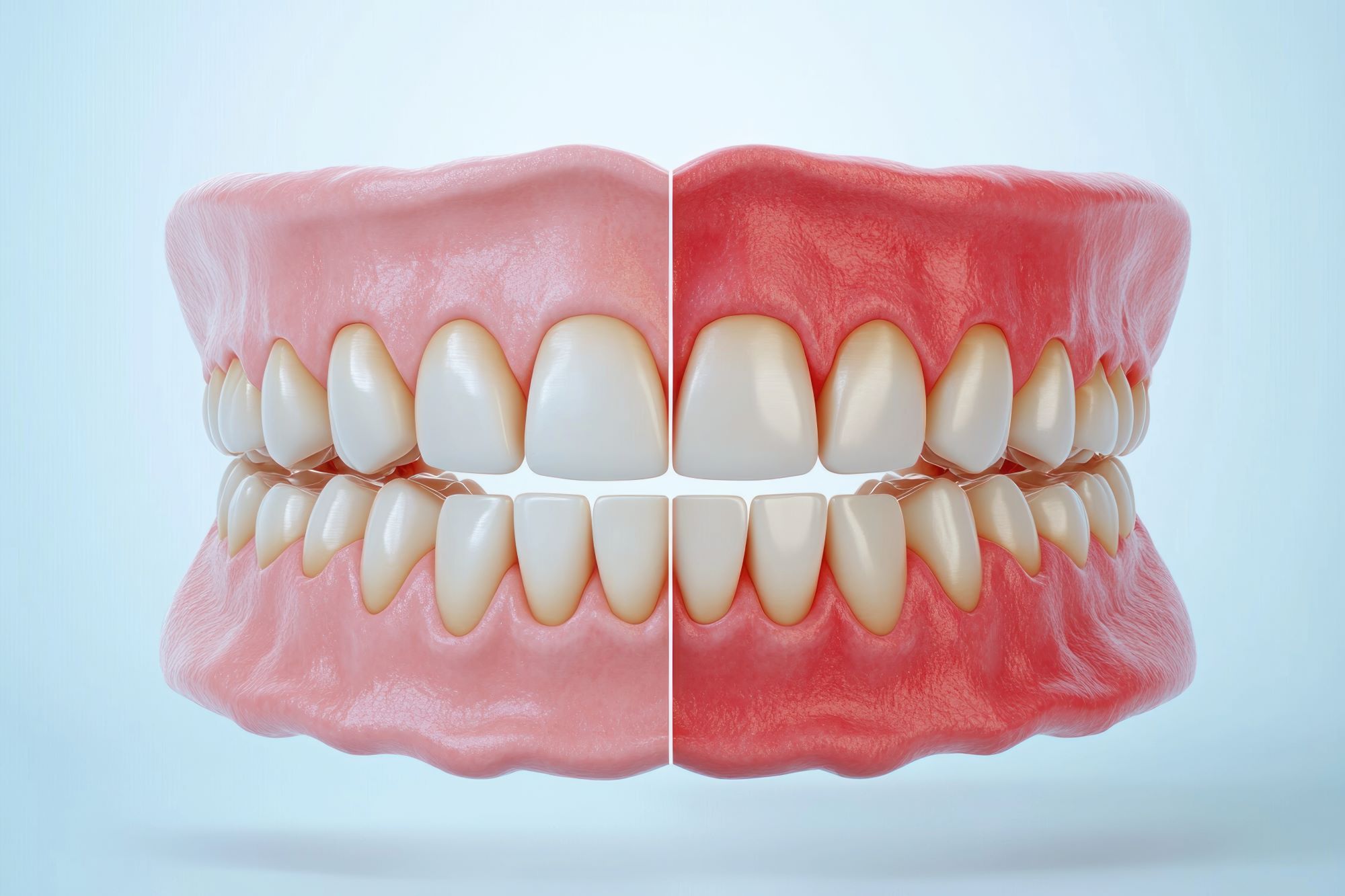
Most people notice something is off before they get a formal diagnosis. Here are the key warning signs.
Teeth That Look Longer Than Normal
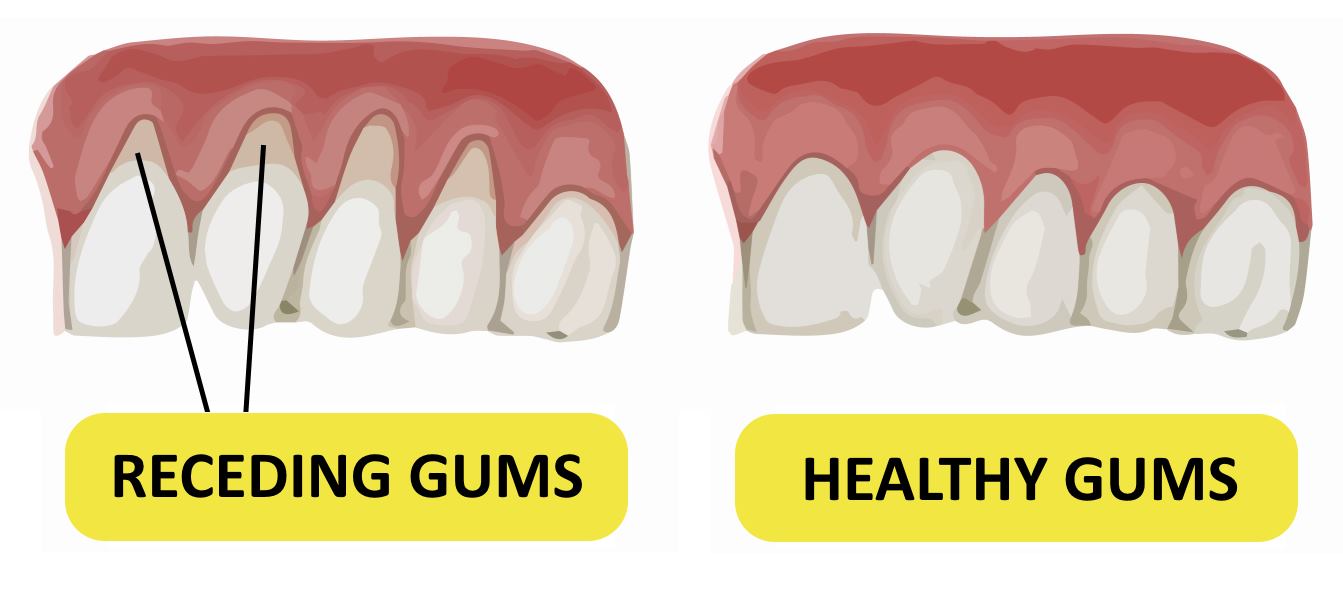
The most visible sign of recession is teeth that appear unusually long. This happens because the gums have crept back from their normal position.
If your smile looks different than it did a few years ago, recession could be the reason.
Exposed Tooth Roots
You may see a visible line or “notch” between the crown of the tooth and a darker lower section — that darker area is the exposed root.
Root surfaces have no enamel protection and are far more prone to decay.
Tooth Sensitivity
Sensitivity to hot, cold, sweet, or acidic foods is one of the earliest symptoms. Exposed roots contain tiny nerve pathways called dentinal tubules.
Even breathing cold air can trigger sharp, shooting pain in advanced cases.
Bleeding When Brushing or Flossing
Healthy gums should not bleed. If your gums bleed regularly during oral hygiene, it is a sign of inflammation — a very common early stage of gum disease.
Do not stop brushing — brush more gently and see your dentist.
Red, Swollen, or Sore Gums
Redness and puffiness indicate inflammation and possible infection. This is often one of the first signs before recession visibly begins.
Healthy gums should be pink and firm, not red or puffy.
Loose Teeth
As gum recession advances, supporting bone can also deteriorate. Loose teeth are a sign of serious, advanced-stage gum disease.
This stage requires urgent professional intervention.
Persistent Bad Breath
Chronic bad breath (halitosis) that does not go away after brushing can signal bacterial infection deep in the gum pockets.
Bacteria trapped below the gumline produce sulfur compounds that cause odor.
Symptoms Summary Table
| Symptom | Stage It Appears | Action Required |
|---|---|---|
| Bleeding gums | Early | See a dentist soon |
| Tooth sensitivity | Early–Mid | See a dentist |
| Longer-looking teeth | Mid | See a dentist |
| Exposed roots | Mid–Late | Dental treatment needed |
| Loose teeth | Late | Urgent dental care |
| Persistent bad breath | Any stage | Dental check-up |
How Dentists Diagnose Gum Recession
Your dentist will examine your gums visually and use a small instrument called a periodontal probe to measure the depth of the gum pockets around each tooth.
Normal pocket depth is 1–3 mm. Depths above 4 mm indicate disease.
X-rays are also used to check for bone loss in areas of recession.
Stages of Gum Recession
Stage 1 — Mild Recession
Only slight pulling back of the gumline. No pain or significant sensitivity yet. Often reversible with improved hygiene habits and a professional deep clean.
Stage 2 — Moderate Recession
Roots are partially visible. Sensitivity becomes noticeable. Professional treatment such as scaling and root planing is usually needed.
Stage 3 — Severe Recession
Significant root exposure, possible bone loss, loose teeth. Surgical intervention such as gum grafting is typically required at this stage.
Treatment Options for Receding Gums
The right treatment depends on the cause and severity of your recession.
Deep Cleaning (Scaling and Root Planing)
This is usually the first-line treatment for mild to moderate recession caused by gum disease. The dentist removes plaque and tartar from below the gumline and smooths the root surface to help gum tissue reattach.
It is performed under local anesthesia and may require multiple sessions.
Antibiotics and Antimicrobial Rinses
After deep cleaning, dentists often prescribe antibiotics or medicated rinses to eliminate remaining bacteria. These help prevent reinfection and promote healing.
They are usually used alongside other treatments, not as a standalone cure.
Gum Graft Surgery (Soft Tissue Graft)
Gum grafting is considered the gold standard for moderate to severe recession. Healthy gum tissue is taken from the roof of the mouth (or donor tissue) and placed over the exposed roots.
Recovery typically takes one to two weeks. Results are long-lasting and dramatically improve both function and appearance.
Pinhole Surgical Technique (PST)
The Chao Pinhole Surgical Technique is a minimally invasive alternative to traditional gum grafting. The dentist makes a tiny pinhole in the gum above the recession, uses specialized instruments to loosen the gum tissue, and repositions it to cover the exposed root.
No sutures or scalpels are needed. Most patients return to normal activities within a day or two.
Regenerative Therapy
In cases where bone loss has also occurred, regenerative materials — such as membranes, graft tissue, or tissue-stimulating proteins — are placed to encourage the body to naturally rebuild bone and tissue.
A special gel may also be applied to the root surface to stimulate new tissue growth.
Pocket Depth Reduction (Flap Surgery)
The dentist folds back the gum tissue, removes bacteria from underneath, then sutures the gum back in place, tightening it around the teeth.
This reduces pocket depth and removes bacteria that regular cleaning cannot reach.
Treatment Comparison Table
| Treatment | Invasiveness | Best For | Recovery Time |
|---|---|---|---|
| Deep cleaning (SRP) | Minimal | Early–mid recession | 1–2 days |
| Antibiotic therapy | None | Infection control | Immediate |
| Gum graft surgery | Moderate | Moderate–severe | 1–2 weeks |
| Pinhole Technique (PST) | Minimal | Mild–moderate | 1–2 days |
| Regenerative therapy | Moderate | Bone + tissue loss | 2–4 weeks |
| Pocket reduction (flap) | Moderate | Deep pockets | 1–2 weeks |
Can Receding Gums Grow Back Naturally?
This is a question nearly everyone asks — and the honest answer is no. Once gum tissue is lost, it does not regrow on its own.
However, natural remedies and lifestyle changes can slow or stop the progression. They can also support recovery after professional treatment.
Salt Water Rinse
Dissolve one teaspoon of salt in warm water and rinse for 30 seconds, two to three times daily. This reduces bacteria and soothes inflamed gum tissue.
It is one of the easiest and most effective home care steps available.
Oil Pulling
Swishing coconut or sesame oil in your mouth for 10–20 minutes helps remove bacteria and reduce plaque buildup.
It is an ancient Ayurvedic practice that several modern studies have found beneficial for gum health.
Aloe Vera Gel
Applying aloe vera gel directly to the gums can soothe inflammation and support tissue repair. Aloe contains compounds with natural anti-inflammatory and antibacterial properties.
Use food-grade aloe vera gel and apply twice daily after brushing.
Green Tea
Drinking green tea regularly provides catechins — antioxidants that fight periodontal bacteria and reduce inflammation.
Replacing one sugary drink per day with unsweetened green tea can make a measurable difference in gum health.
Vitamin C and Nutrient-Rich Diet
Vitamin C is essential for collagen production, which keeps gum tissue strong and elastic. A deficiency leads to bleeding and inflamed gums.
Eat oranges, strawberries, kiwis, bell peppers, and leafy greens daily to support gum tissue health.
Turmeric Gel
Turmeric contains curcumin, a powerful anti-inflammatory compound. Applying turmeric gel to the gums can help reduce gingivitis — the early stage that precedes recession.
It is a simple, inexpensive addition to your daily oral care routine.
Natural Remedies Overview
| Remedy | Main Benefit | How to Use |
|---|---|---|
| Salt water rinse | Kills bacteria, soothes gums | Rinse 2–3x daily |
| Oil pulling (coconut oil) | Removes bacteria, reduces plaque | Swish 10–20 min daily |
| Aloe vera gel | Anti-inflammatory, tissue support | Apply to gums 2x daily |
| Green tea | Antioxidants, reduces inflammation | Drink 1 cup daily |
| Vitamin C-rich foods | Collagen production, gum strength | Include in every meal |
| Turmeric gel | Reduces gingivitis | Apply topically daily |
How to Prevent Receding Gums
Prevention is far easier than treatment. These habits protect your gums long-term.
Use a Soft-Bristled Toothbrush
Switch from a medium or hard brush to a soft-bristled one immediately. Pair it with gentle circular motions rather than aggressive scrubbing.
An electric toothbrush with a pressure sensor is an excellent investment for people prone to overbrushing.
Brush Twice and Floss Daily
Brush at least twice a day for two minutes each time. Floss every evening to remove plaque from between teeth and along the gumline — areas your brush simply cannot reach.
Consistency is more important than perfection.
Visit Your Dentist Every 6 Months
Professional cleanings remove tartar that builds up even with perfect home care. Your dentist can catch early recession before it becomes serious.
Early intervention saves time, money, and teeth.
Quit Smoking and Tobacco
Quitting smoking is one of the single most impactful steps you can take for gum health. It improves blood flow to the gums and reduces inflammation almost immediately.
Ask your doctor about cessation aids if quitting cold turkey is difficult.
Wear a Night Guard If You Grind
If you grind your teeth at night, a custom-fitted night guard from your dentist distributes biting forces evenly and protects your gums and enamel.
Over-the-counter night guards are a budget option but a custom-fitted guard offers far better protection.
Address Misalignment with Orthodontics
If crooked teeth or a misaligned bite is contributing to recession, orthodontic treatment such as braces or clear aligners can redistribute biting pressure and stop further damage.
Ask your dentist for a bite evaluation as part of your routine check-up.
Stay Hydrated
Drinking adequate water keeps saliva production up. Saliva naturally rinses away bacteria and neutralizes acids that damage gum tissue.
Aim for at least eight glasses of water daily, more if you drink coffee or alcohol.
When Should You See a Dentist About Receding Gums?
Do not wait until you have pain or loose teeth. See a dentist promptly if you notice any of the following.
- Your teeth look noticeably longer than before
- You experience sensitivity to hot, cold, or sweet foods
- Your gums bleed when brushing or flossing
- You see a visible line or dark area at the base of a tooth
- You have persistent bad breath despite good hygiene
- Your gums appear red, swollen, or tender
Early-stage recession treated with a deep cleaning and improved hygiene can be managed effectively. Advanced recession often requires surgery. The gap between these outcomes is whether or not you act early.
Frequently Asked Questions (FAQs)
Can receding gums grow back on their own?
No, lost gum tissue cannot regenerate naturally once gone. Professional treatments like gum grafting are required to restore coverage and protect exposed roots.
Is gum recession painful?
Gum recession itself is often painless, but it causes tooth sensitivity to temperature, sweets, and pressure. Severe cases can lead to persistent soreness.
At what age does gum recession typically start?
Recession can begin as early as the teenage years, but it is most common in adults over 30. It becomes more prevalent with age as cumulative habits take their toll.
How fast does gum recession progress?
Progression varies widely. Recession from gum disease can advance rapidly without treatment. Recession from overbrushing may progress slowly over many years.
Are receding gums a sign of gum disease?
They can be, but not always. Overbrushing, genetics, or grinding can cause recession without active gum disease. A dentist can determine the true cause.
Can receding gums cause tooth loss?
Yes, if left untreated. Severe recession leads to bone loss, which destabilizes the tooth structure and can ultimately result in tooth loss.
Is gum graft surgery painful?
The procedure is done under local anesthesia, so there is no pain during surgery. Some soreness and swelling occur during recovery, typically managed with over-the-counter pain relievers.
How long does recovery from gum graft surgery take?
Most patients recover in one to two weeks. The pinhole technique typically allows a return to normal activities within one to two days due to its minimally invasive nature.
Can stress cause receding gums?
Indirectly, yes. Stress weakens immune response, making gums more vulnerable to infection. Stress also increases teeth grinding, which directly contributes to recession.
Can I fix receding gums at home?
Home remedies like saltwater rinses, oil pulling, and aloe vera can slow progression and support gum health. However, they cannot reverse existing recession — professional treatment is required for that.
Conclusion
Why are my gums receding? Now you have a thorough, evidence-based answer. Gum recession is caused by a combination of gum disease, aggressive brushing, genetics, tobacco use, grinding, and poor oral hygiene habits. The warning signs — sensitive teeth, longer-looking teeth, bleeding gums, and exposed roots — are your body’s way of telling you something is wrong. The good news is that early-stage recession is manageable with a professional deep clean and improved daily habits. Moderate to severe cases have excellent surgical options including gum grafting and the minimally invasive pinhole technique. Natural remedies like salt water rinses, green tea, and a vitamin-rich diet support gum health but cannot replace dental care. Do not wait. If you recognize any symptoms in this guide, book a dental appointment today. Your gums protect your teeth — protect your gums.