Why Do Cats Bite When You Pet Them? Real Reasons 2026
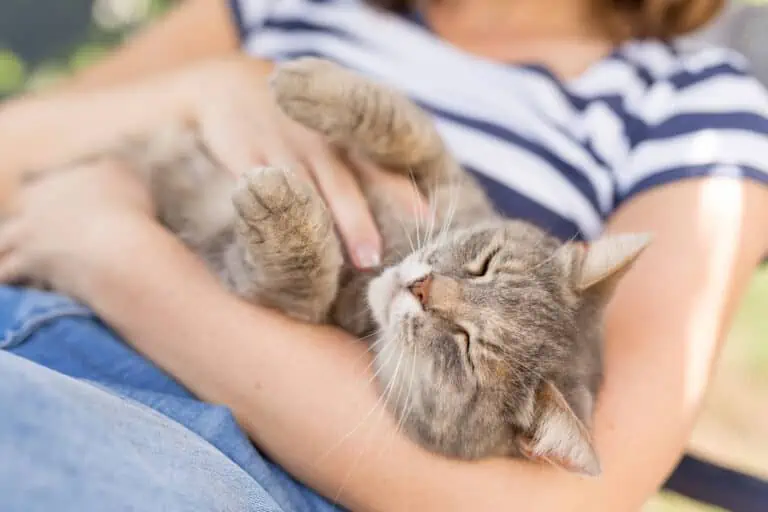
Why do cats bite when you pet them? It’s one of the most confusing moments a cat owner can face. One second your cat is purring and leaning into your hand, and the next, their teeth are sunk into your skin.
This sudden switch has a name: petting-induced aggression, also called overstimulation. It’s far more common than most people realize, and it rarely means your cat is angry at you.
What Is Petting-Induced Aggression in Cats?
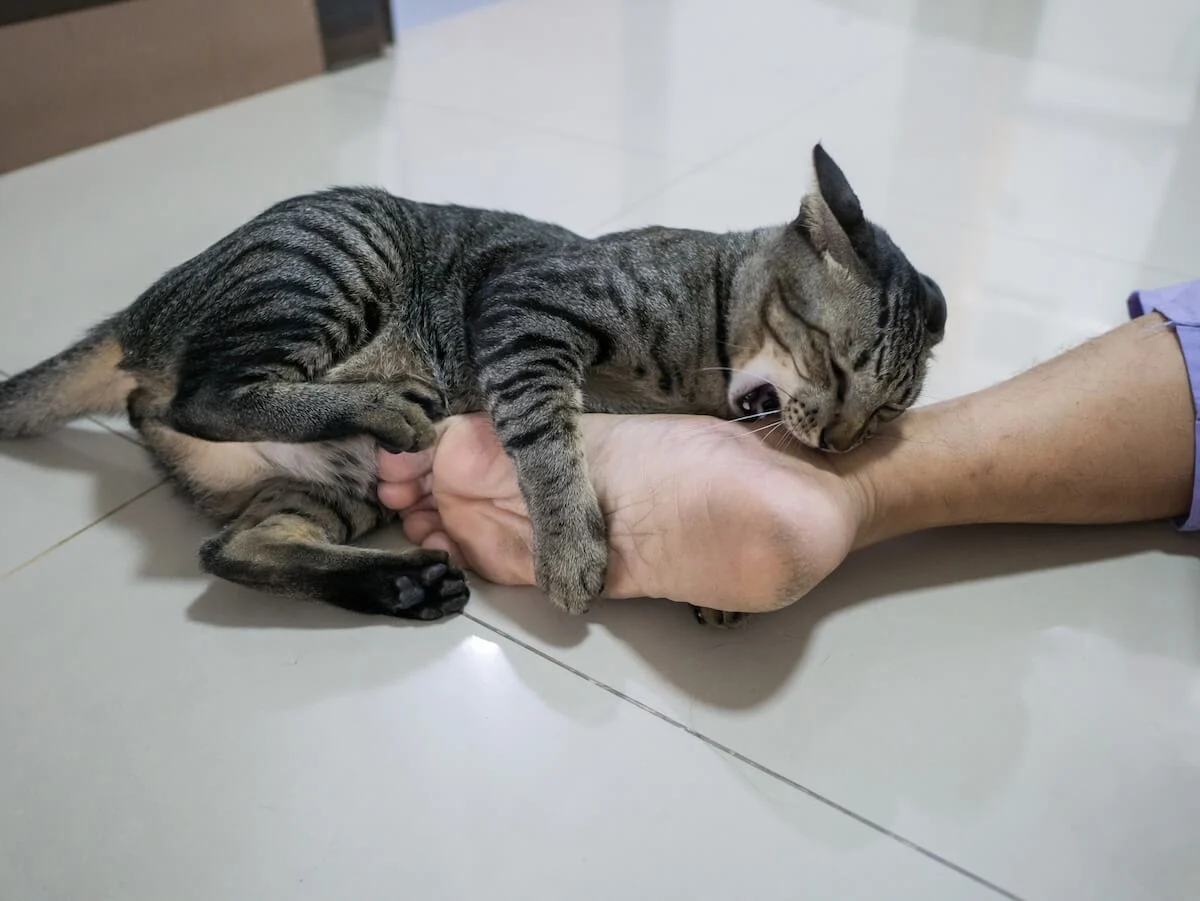
Petting-induced aggression happens when a cat that seems relaxed suddenly bites or scratches during a petting session. Vets also call this overstimulation aggression.
It isn’t true aggression in the traditional sense. Your cat isn’t trying to hurt you out of malice. They’re reacting to a sensory threshold being crossed.
Think of it like a buildup of static electricity. Each stroke adds a small charge, and eventually your cat needs to release it, often through a quick nip.
This pattern is extremely common in indoor cats. Some studies on feline behavior estimate that a large share of pet cats show at least mild signs of this reaction at some point in their lives.
Why Do Cats Bite When You Pet Them? The Core Reasons
There isn’t one single answer here. Several overlapping factors explain why a cat’s mouth ends up on your hand mid-pet.
Below are the most common, evidence-based explanations vets and behaviorists point to.
1. Overstimulation of the Nervous System
Repetitive petting activates the same nerve receptors in the skin over and over. For some cats, this quickly shifts from pleasant to irritating.
Their skin becomes hypersensitive, almost like a tickling sensation gone too far. Biting is the fastest way for them to say “stop.”
This is the single most common reason cats bite during petting. It’s especially common when petting continues past the two or three minute mark.
2. Instinctual Hunting and Predatory Triggers
Cats are natural predators, and repetitive hand movement can mimic prey activity. Even a well-fed, fully domesticated cat retains these deep instincts.
A moving hand near their belly or tail can flip an instinct switch. Suddenly, petting starts to feel like a hunting opportunity rather than affection.
This is why quick, repeated strokes are more likely to trigger a bite than slow, predictable ones.
3. Pain or an Underlying Medical Issue
If your cat suddenly starts biting during petting and this is new behavior, pain should be the first thing you rule out. Arthritis, dental disease, and skin infections are common culprits.
Older cats especially may develop joint pain that makes touch near the spine or hips uncomfortable. A vet visit can confirm or rule this out quickly.
Watch for flinching, muscle twitching, or vocalizing when you touch a specific spot. That’s a strong clue pain is involved.
4. Fear, Stress, or Past Trauma
A cat with a history of rough handling, shelter stress, or limited early socialization may be quicker to bite. Their trust threshold is simply lower.
Sudden movements, loud environments, or unfamiliar visitors can also lower a cat’s tolerance for touch in the moment. Redirected stress from another cat is another possibility.
These cats often show fear-based body language before the bite, including flattened ears and a low crouch.
5. Redirected Aggression
Sometimes the trigger has nothing to do with you at all. A cat that sees another animal outside the window may become agitated, and if you happen to be petting them at that moment, you become the outlet.
This type of biting can feel completely random and unprovoked. The key clue is that it often follows a period of intense staring or tension unrelated to your touch.
6. Love Bites and Affectionate Nibbling
Not every bite is a warning. Some cats give gentle love bites during petting sessions as a sign of bonding, similar to how cats groom each other with their teeth.
These bites are soft, don’t break the skin, and are often paired with purring, kneading, or slow blinking. They’re the opposite of aggression.
Learning to tell a love bite apart from a warning bite is one of the most useful skills a cat owner can develop.
7. Kitten Teething and Play Biting
Young kittens bite far more than adult cats simply because they’re teething. Chewing helps loosen baby teeth and soothe sore gums between three and seven months of age.
Play biting is also a normal part of kitten development. Without littermates to teach bite inhibition, kittens may not yet understand how hard is too hard.
8. Hormonal Influences
Unspayed and unneutered cats experience hormonal surges that can increase irritability and biting behavior. This is especially noticeable during heat cycles or mating season.
Spaying or neutering often reduces this type of biting significantly, alongside other behavioral and health benefits.
Warning Signs Before a Cat Bites
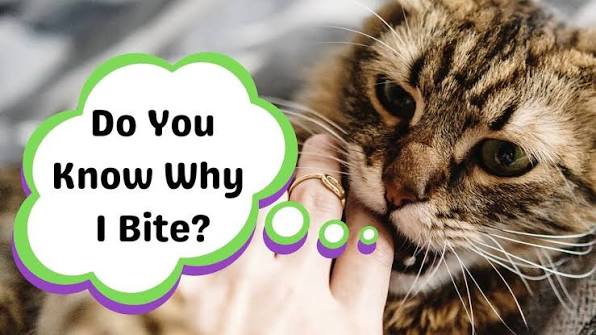
Most cats give clear signals before they bite. Learning to spot them lets you stop petting before things escalate.
| Warning Sign | What It Looks Like | What It Means |
|---|---|---|
| Tail swishing | Fast, sharp flicks or thumping | Rising irritation |
| Ears back or sideways | Ears rotate flat or to the side | Discomfort or agitation |
| Skin twitching | Rippling along the back | Overstimulation building |
| Dilated pupils | Pupils suddenly widen | Arousal or stress |
| Body stiffening | Muscles tense, stillness | About to react |
| Low growl or hiss | Vocal warning | Final signal before contact |
If you notice any two of these signs together, it’s time to stop petting immediately. Waiting for a third sign often means it’s already too late.
Love Bite vs. Aggressive Bite: How to Tell the Difference
Not all bites carry the same meaning, and mixing them up can lead to unnecessary worry. This table breaks down the key differences.
| Feature | Love Bite | Aggressive Bite |
|---|---|---|
| Pressure | Gentle, controlled | Hard, sudden |
| Skin broken | Rarely | Often |
| Body language | Relaxed, purring | Tense, ears back |
| Timing | Mid-session, calm | After warning signs ignored |
| Follow-up behavior | Cat stays close | Cat runs or flees |
Understanding this difference helps you respond appropriately instead of overreacting to a harmless nibble.
How to Stop Your Cat From Biting During Petting
Once you understand why cats bite when you pet them, prevention becomes much easier. These strategies work for most cats within a few weeks.
Keep Petting Sessions Short
Most petting-induced aggression happens after two to three minutes of continuous touch. Stop before your cat reaches their limit rather than after.
Short, frequent sessions build trust faster than long ones. Your cat learns that petting always ends on a good note.
Use the Consent Test
Before petting, hold your hand a few inches from your cat and see if they lean in. If they do, they’re inviting contact.
If your cat doesn’t move toward your hand, respect that and try again later. This simple habit dramatically reduces bite incidents over time.
Stick to Preferred Petting Zones
Most cats enjoy being touched around the cheeks, chin, and base of the ears. Fewer cats enjoy belly, tail, or paw contact.
Start in a safe zone and only expand if your cat clearly stays relaxed. Retreat immediately at the first sign of tension.
Watch for the Early Signals
Reacting to a tail flick is far easier than reacting to a bite. Train yourself to check your cat’s ears and tail every few seconds during petting.
Pausing at the first sign, rather than continuing, teaches your cat that they don’t need to escalate to be heard.
Redirect With Toys
If your cat tends to nip during play, keep a toy nearby to redirect their mouth away from your hands. Wand toys work particularly well for this.
Never use bare hands or feet as play toys with kittens. This habit is one of the most common causes of biting problems in adult cats.
Rule Out Pain With a Vet Visit
If biting is new, sudden, or paired with other behavior changes, book a veterinary exam. Pain-related biting won’t improve with training alone.
Bloodwork, dental checks, and a joint exam can identify issues that aren’t obvious from the outside.
What to Do If Your Cat Bites You
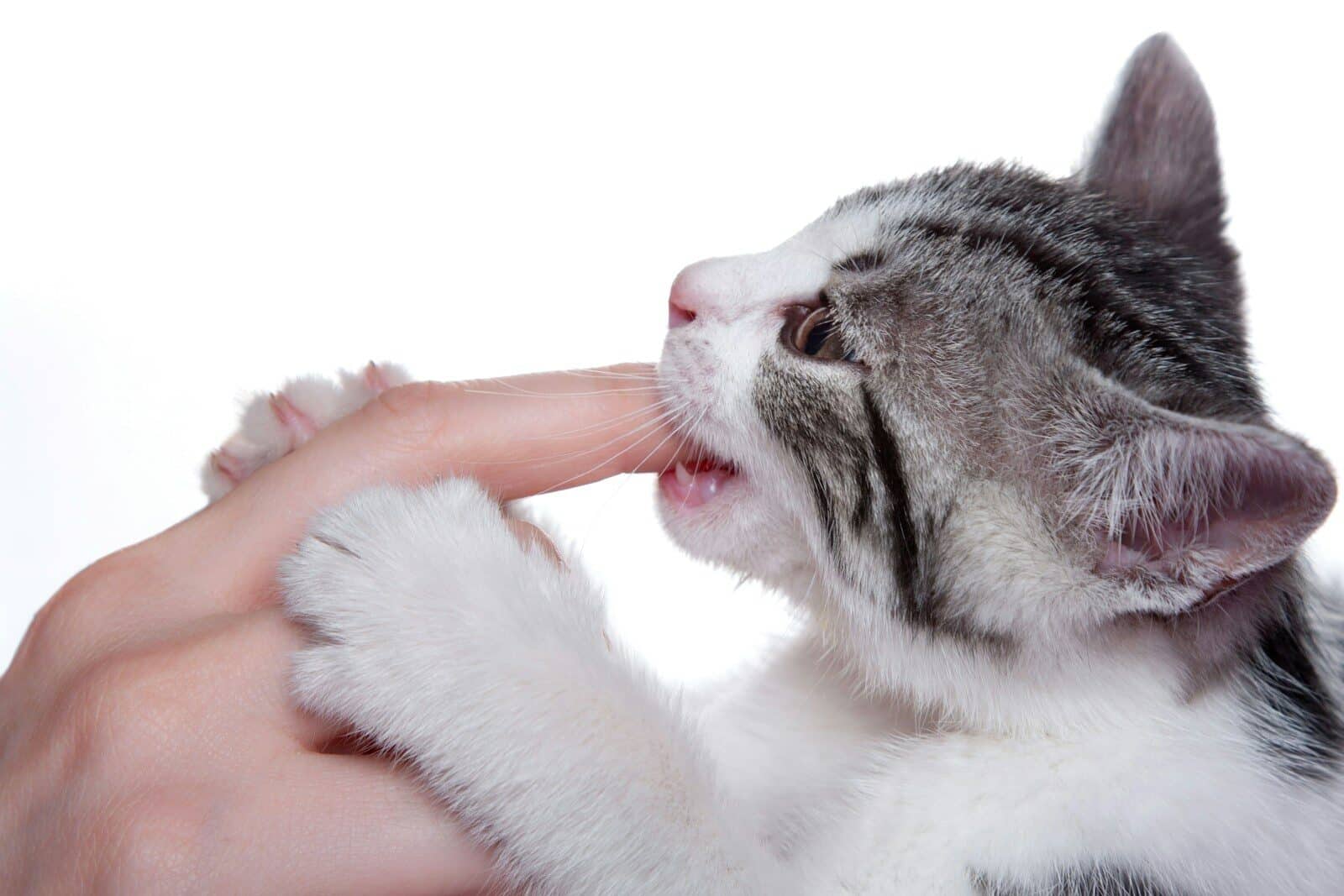
Even with prevention, bites can still happen occasionally. How you respond in the moment matters for future behavior.
Stay calm and avoid pulling your hand away sharply, since sudden movement can trigger a harder bite reflex. Instead, freeze briefly and let your cat release on their own.
Say a firm, consistent word like “no” or “ouch” and then calmly walk away. This teaches your cat that biting ends the interaction rather than continuing it.
Never hit, yell at, or physically punish your cat for biting. Punishment increases fear and often makes the biting worse, not better.
Treating a Cat Bite Wound
Cat bites can carry harmful bacteria, so proper wound care matters even for minor nips. Don’t skip this step, even if the bite looks small.
Wash the area immediately with soap and warm water for several minutes. Pat it dry gently and apply a clean, sterile dressing.
Watch the area over the next 24 to 48 hours. Increasing redness, swelling, warmth, or pain are signs of infection that need prompt medical attention.
Deep punctures, bites near joints, or bites that don’t improve within a day should be seen by a doctor. Cat bites become infected more often than many other animal bites.
When to Talk to a Vet or Behaviorist
Occasional love bites and mild overstimulation nips are usually normal and manageable at home. Some situations, however, call for professional guidance.
Sudden new biting, biting that draws blood repeatedly, or biting paired with other personality changes deserves a vet visit first. This rules out pain or illness as the root cause.
If a vet clears your cat medically, a certified feline behaviorist can help with more stubborn cases. They can design a desensitization plan tailored to your specific cat.
Common Triggers That Make Biting More Likely
A few environmental and situational factors tend to raise the odds of a bite during petting. Being aware of these can help you avoid them.
- Petting near the belly, tail base, or paws
- Continuing to pet after the cat looks away or stiffens
- Loud noises or other pets nearby during the session
- Petting a sleeping or startled cat
- Long, uninterrupted petting sessions without breaks
Avoiding these situations, especially with cats already prone to overstimulation, can prevent most bites before they start.
Why Some Cats Never Bite During Petting
Not every cat shows petting-induced aggression, and that’s largely down to individual temperament. Some cats simply have a much higher tolerance for repetitive touch.
Early socialization plays a huge role here. Kittens handled gently and frequently between two and seven weeks of age tend to grow into adults with a higher threshold for touch.
Genetics also factor in. Certain lines within a breed are calmer and more tolerant, regardless of how they were raised.
Cats that get plenty of physical and mental enrichment throughout the day, such as play sessions and climbing space, also tend to tolerate petting better. A tired, satisfied cat has less pent-up energy to redirect onto your hand.
Myths and Facts About Cats Biting When Petted
Misunderstanding this behavior often leads owners to react the wrong way. The table below clears up some of the most common myths.
| Myth | Fact |
|---|---|
| A biting cat is an aggressive cat | Most biting during petting is sensory, not aggressive |
| Punishing the bite will stop it | Punishment increases fear and worsens biting |
| Cats bite because they’re spoiled | Biting is rooted in instinct and sensitivity, not spoiling |
| Only stray or feral cats bite like this | Well-socialized indoor cats show it just as often |
| Biting means the cat wants to be left alone forever | It usually just means the current session should end |
Clearing up these myths helps owners respond with patience instead of frustration, which speeds up training progress considerably.
How Your Own Behavior Affects Biting
Cats are highly sensitive to human body language, tone, and energy. If you’re tense, rushed, or petting aggressively, your cat can pick up on it.
Fast, heavy-handed strokes are more likely to trigger overstimulation than slow, gentle ones. Try matching your pace to your cat’s breathing and body language instead of your own habits.
Loud voices or sudden laughter during a petting session can also startle a sensitive cat. Keeping the environment calm and predictable supports longer, more relaxed sessions.
Consistency matters too. If you sometimes allow rough play with your hands and other times discourage biting, your cat receives mixed signals that slow down training.
Petting Techniques That Reduce Biting
A few small adjustments to how you pet your cat can make a noticeable difference over time. These techniques are simple but effective for most cats.
Use slow, single strokes from head to shoulders rather than continuous back-and-forth motion. Pause between strokes to gauge your cat’s reaction.
Avoid cupping or trapping your cat’s body with both hands while petting. Cats generally prefer feeling free to move away at any point.
Watch the tail and ears constantly, not just at the start of the session. Overstimulation can build gradually, even if the first minute looked perfectly calm.
If your cat rolls onto their back, resist the urge to rub their belly automatically. For many cats, this is a trust display rather than an invitation to touch.
Do Outdoor and Rescue Cats Bite More During Petting?
Cats with a history of living outdoors or in shelters sometimes show stronger petting-induced aggression, though this isn’t universal. Limited early handling can raise sensitivity to touch.
Rescue cats may also carry unknown trauma from past environments. Patience and slow trust-building tend to work better than rushing the bonding process.
Over time, consistent, gentle interactions can lower a rescue cat’s biting frequency significantly. Many go on to become just as affectionate as cats raised from kittenhood in a home.
Frequently Asked Questions (FAQs)
Why does my cat bite me out of nowhere while purring?
Purring doesn’t always mean pure happiness; it can also signal overstimulation. Watch for tail flicks or skin twitching alongside the purring.
Is petting-induced aggression a sign my cat doesn’t like me?
No, it’s a sensory response, not a rejection. Most cats that bite during petting still seek out affection afterward.
How long should a petting session last?
Most cats do best with sessions of two to three minutes at a time. Stop before signs of irritation appear, not after.
Do certain cat breeds bite more during petting?
Some breeds, like Siamese and Bengal cats, are known for lower overstimulation thresholds. Individual personality still matters more than breed alone.
Can kittens grow out of biting during petting?
Yes, many kittens outgrow rough biting as they mature and learn bite inhibition. Consistent redirection during kittenhood speeds this process up.
Should I stop petting my cat completely if they bite?
No, avoiding contact entirely can weaken your bond over time. Instead, adjust the length, location, and pace of petting sessions.
Why does my cat only bite when I touch their belly?
The belly covers vital organs, making it an instinctively protected area for most cats. Many cats never fully enjoy belly rubs, even relaxed ones.
Can stress at home cause more biting?
Yes, household changes, new pets, or moving can lower a cat’s tolerance for touch. Reducing stressors often reduces biting frequency too.
Is it normal for older cats to suddenly start biting?
Sudden biting in senior cats is often linked to pain, especially arthritis. A vet checkup is strongly recommended before assuming it’s behavioral.
What’s the fastest way to stop a biting habit?
Consistent, gentle consent testing paired with short sessions works fastest. Most cats show improvement within two to four weeks of consistent practice.
Conclusion
So, why do cats bite when you pet them? In most cases, it comes down to overstimulation, instinct, fear, or an underlying medical issue rather than genuine aggression toward you.
Learning your cat’s individual warning signs, keeping petting sessions short, and respecting their boundaries can dramatically reduce biting incidents. A consent-based approach to petting builds long-term trust.
If biting is sudden, frequent, or paired with other behavior changes, a veterinary visit should always come first. Pain is a common and often overlooked cause that’s easy to miss without a professional exam.
Every cat has a unique threshold for touch, shaped by genetics, early socialization, and past experiences. What works for one cat may not work for another, so patience matters more than a rigid formula.
Tracking your own cat’s specific warning signs over a few weeks will teach you far more than any general guide can. Small adjustments, like shorter sessions or avoiding certain zones, often make the biggest difference.
With patience and the right approach, most cats and their owners can enjoy affectionate, bite-free petting sessions again, building a stronger and more trusting bond over time.