Why Do Dogs Kick After Pooping? Truth Revealed 2026
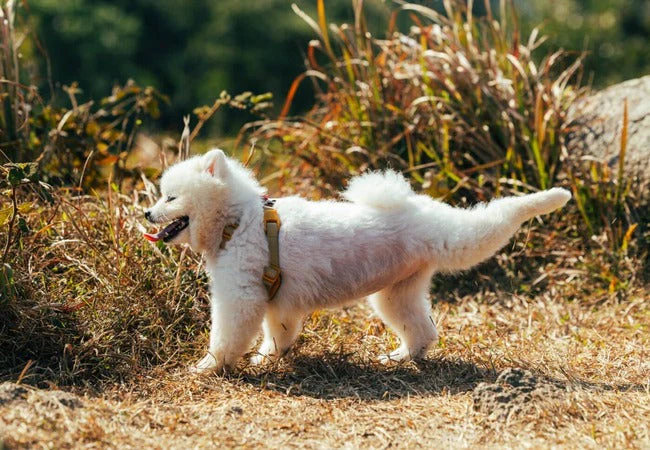
Why do dogs kick after pooping? The short answer is scent marking, not embarrassment or mess-covering.
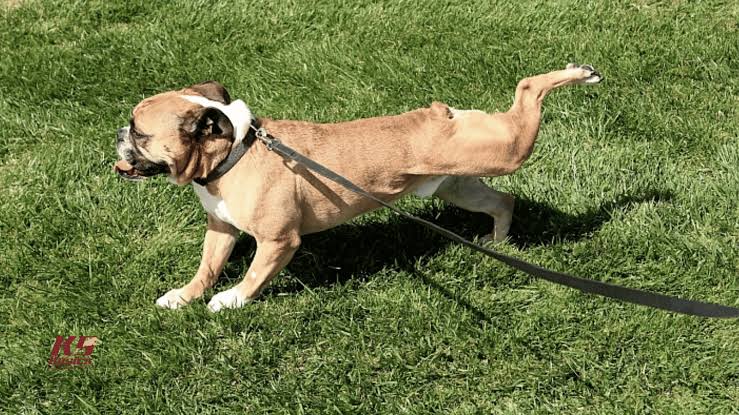
That dramatic backward kick your dog does right after finishing their business is actually a form of communication rooted in instinct.
Dogs have scent glands in their paws, and kicking the ground spreads that scent alongside the message their poop already leaves behind.
What Is Ground-Scratching Behavior in Dogs
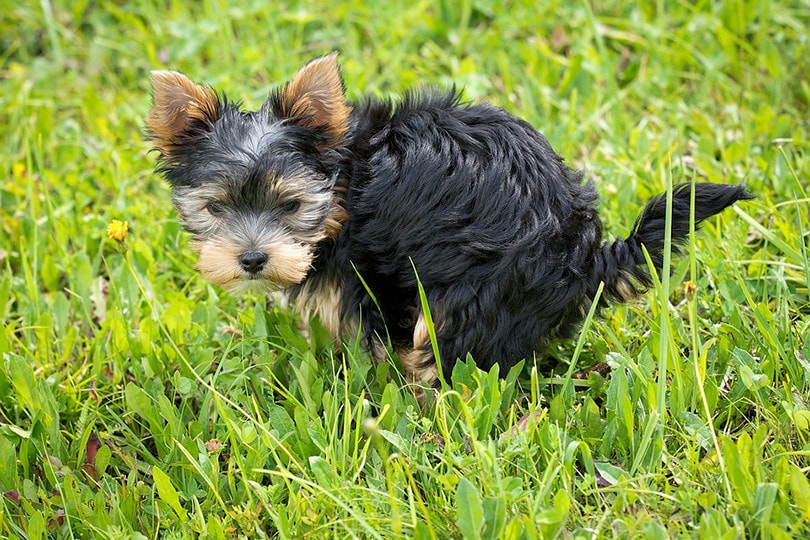
Ground-scratching is the technical term for the kicking motion dogs do after eliminating.
It involves the front or hind legs scraping dirt, grass, or debris backward in quick motions.
This behavior has been observed in domestic dogs as well as wild canids like wolves and coyotes.
Quick Overview Table: Reasons Dogs Kick After Pooping
| Reason | What’s Happening | How Common |
|---|---|---|
| Scent marking | Paw glands release pheromones into the ground | Very common |
| Territory marking | Signals presence to other dogs in the area | Common |
| Visual display | Scratch marks last longer than scent alone | Common |
| Paw cleaning | Wiping debris off paws after elimination | Occasional |
| Instinctual leftover | Ancestral behavior from wild canines | Common |
| Excitement or confidence | Energetic personality trait | Varies by dog |
The Science Behind Why Dogs Kick After Pooping
Scent Glands in the Paws
Dogs have scent glands located in their paw pads that release pheromones when they scratch the ground.
This means the kicking motion isn’t random. It’s actively spreading a chemical signal.
Other dogs who pass by later can pick up on this scent trail.
Anal Gland Involvement
Dogs also have anal glands that release scent naturally during defecation.
Kicking afterward may help spread that scent even further across the area.
This combination of anal gland scent and paw gland scent creates a stronger signal.
Visual Marking on the Ground
The scratch marks left behind serve as a longer-lasting visual cue than scent alone.
Urine and scent fade quickly, but disturbed dirt or grass can last for hours or days.
Researchers describe this as a composite signal combining both scent and visual communication.
Territory and Communication
Ground-scratching often happens more frequently in familiar spots like a dog’s own yard or regular walking route.
It signals to other dogs, “I was here, and this is part of my territory.”
Studies on free-ranging dogs found this behavior increased near territorial boundaries.
Ancestral Instinct from Wild Canines
Wolves, coyotes, and wild dogs used similar behaviors to claim territory and warn off rivals.
Domestic dogs still carry this instinct even without the same survival pressures.
It’s essentially a leftover behavior passed down through generations.
Displaying Confidence and Health
Some experts believe vigorous kicking can be a display of energy and physical health.
A strong, confident kick may signal to other dogs that this pup is fit and assertive.
It can also play a subtle role in attracting potential mates.
Does Every Dog Do This?
Not every dog kicks after pooping, and that’s completely normal too.
Estimates suggest roughly 9 to 10 percent of dogs regularly display this behavior.
It shows up in dogs of all breeds, sizes, ages, and both genders equally.
Why Some Dogs Kick More Than Others
| Factor | Effect on Behavior |
|---|---|
| Personality | Confident or territorial dogs kick more often |
| Environment | New or busy areas trigger more kicking |
| Presence of other dogs | Increases likelihood of ground-scratching |
| Surface type | Soft grass or dirt encourages more kicking than concrete |
| Routine location | Familiar spots like the yard see frequent kicking |
Do Dogs Kick After Peeing Too?
Yes, though it’s less common than after pooping.
The same scent-marking logic applies, just with a less distinct pattern.
Some dogs only do this in the presence of other dogs nearby.
Is Kicking After Pooping Ever a Problem?
In most cases, this behavior is completely harmless and doesn’t need correcting.
It only becomes a concern if your dog is hurting their paws or nails from aggressive scratching.
Excessive or obsessive kicking paired with other symptoms may be worth mentioning to your vet.
Health Warning Signs to Watch For
| Symptom | Possible Concern |
|---|---|
| Scooting after pooping | Anal gland issues |
| Straining or difficulty pooping | Constipation or GI problem |
| Blood in stool | Digestive or intestinal issue |
| Strong fishy odor | Impacted anal glands |
| Limping or paw sensitivity | Injury from aggressive kicking |
If you notice any of these alongside the kicking, a vet visit is a good idea.
Otherwise, the behavior itself is not a health concern on its own.
Can You Train a Dog to Stop Kicking After Pooping?
You generally don’t need to stop this behavior since it’s natural and instinctual.
If it becomes excessive or damages your lawn, redirection training can help.
Offering a toy or starting a game immediately after they finish can shift their focus.
Step-by-Step Redirection Training Tips
Learn your dog’s pre-kicking cues, like pausing or shifting their weight after pooping.
Immediately offer a toy, treat, or command right as they finish eliminating.
Reward calm behavior consistently so the new habit replaces the kicking routine over time.
Stay patient, since instinctual behaviors take longer to redirect than learned habits.
Does Breed Affect This Behavior?
No specific breed is more or less likely to kick after pooping.
It comes down more to individual personality and territorial instinct than breed traits.
Both small and large breeds display this behavior at similar rates.
Male vs Female Dogs: Is There a Difference?
Research shows no significant difference between male and female dogs for this behavior.
Both genders scent-mark and ground-scratch at comparable rates.
Neutering or spaying does not appear to eliminate the behavior entirely.
When Should You Actually Worry?
Worry if your dog seems to be in pain before, during, or after pooping.
Watch for repeated scooting, licking, or discomfort around the rear end.
A sudden change in a previously non-kicking dog’s behavior is also worth noting.
How Vets Assess Related Concerns
Vets typically check anal gland health and stool consistency first.
They may also examine paw pads if excessive kicking has caused visible injury.
Bloodwork or imaging is rarely needed unless other symptoms are present.
Frequently Asked Questions (FAQs)
Why do dogs kick after pooping?
They’re spreading scent from paw glands to mark territory and communicate with other dogs.
Is kicking after pooping a sign of aggression?
No, it’s a normal communication behavior, not aggression toward you or other dogs.
Do all dogs kick after they poop?
No, only about 9 to 10 percent of dogs regularly display this behavior.
Should I stop my dog from kicking the grass?
Usually not, unless they’re hurting their paws or damaging property repeatedly.
Why does my dog only kick sometimes and not always?
It often depends on location, other dogs nearby, and your dog’s confidence level.
Can kicking after pooping mean something is wrong health-wise?
Rarely. It’s usually harmless unless paired with scooting, straining, or blood in stool.
Do dogs kick after peeing as well as pooping?
Yes, though it happens less frequently and less distinctly than after pooping.
Is this behavior linked to a dog’s wild ancestors?
Yes, wolves and wild canines used similar ground-scratching for territory and survival.
Can training stop the kicking behavior completely?
You can redirect it with toys or commands, but fully stopping it isn’t usually necessary.
Does breed or gender affect how much a dog kicks after pooping?
No, it varies more by individual personality than by breed or gender.
Conclusion
Dogs kicking after pooping isn’t random, embarrassing, or something to correct in most cases. It’s a natural communication behavior rooted in scent glands, territory marking, and instincts passed down from wild ancestors.
Roughly 1 in 10 dogs display this trait regularly, and it shows up across all breeds, sizes, and genders without a clear pattern. The behavior becomes worth watching only when it’s paired with pain, scooting, straining, or paw injury from overly aggressive scratching.
For the vast majority of dogs, that post-poop kick is simply their way of saying “I was here,” a small but meaningful part of how canines communicate with the world around them through scent and instinct.