Why Does My Toe Feel Numb? Nerve or Circulation? 2026

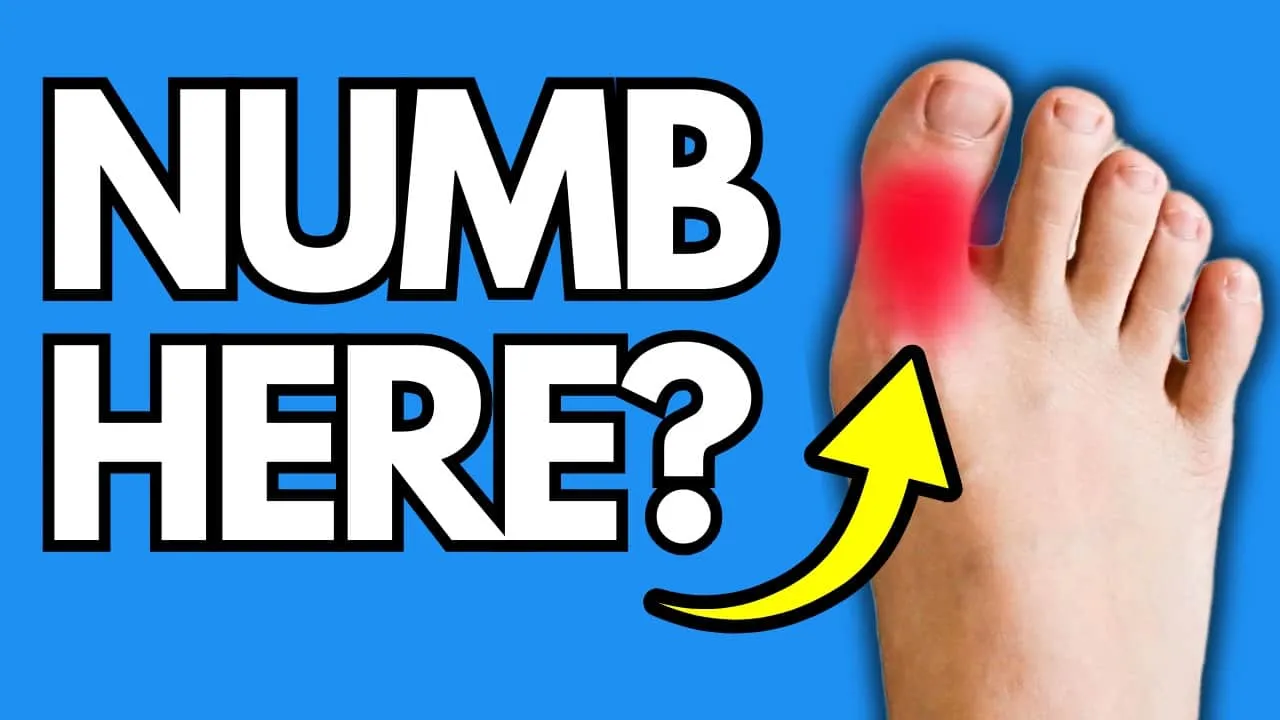
Why does my toe feel numb is a question many people search when they notice an unusual tingling or loss of sensation. This feeling can range from mild to concerning.
In most cases, toe numbness is temporary and linked to pressure or posture. However, it can sometimes point to a nerve or circulation problem.
Understanding whether the cause is nerve-related or circulation-related helps you know what steps to take next.
Quick Overview Table
| Category | Common Causes | Typical Trigger |
|---|---|---|
| Nerve-Related | Peripheral neuropathy, Morton’s neuroma, tarsal tunnel syndrome | Diabetes, nerve compression |
| Circulation-Related | Raynaud’s phenomenon, peripheral artery disease | Cold exposure, blocked blood flow |
| Temporary Causes | Sitting position, tight shoes | Pressure on nerves |
| Nutritional Causes | Vitamin B12 deficiency | Poor diet or absorption issues |
Why Does My Toe Feel Numb?

Numbness in the toe happens when nerve signals or blood flow to the area are disrupted. Your toes are far from the heart and spinal cord, making them more prone to this issue.
Nerves carry sensations like touch and temperature to the brain. When this signal is blocked, the toe feels numb, tingly, or like it has “fallen asleep.”
Circulation problems can also cause numbness by reducing oxygen supply to the toe. Both nerve and blood flow issues can produce similar sensations.
Nerve-Related Causes of Toe Numbness
Nerve damage or compression is one of the most common reasons for toe numbness. These causes often develop gradually over time.
Peripheral Neuropathy
Peripheral neuropathy is nerve damage that commonly affects the feet and toes. Diabetes is one of the leading causes of this condition.
Symptoms often include tingling, burning, or a “pins and needles” feeling. It typically affects both feet in a similar pattern.
Managing blood sugar levels can help slow the progression of this condition.
Morton’s Neuroma
Morton’s neuroma is a thickening of tissue around a nerve in the ball of the foot. It usually affects the area between the third and fourth toes.
People often describe a burning sensation or a feeling like a pebble in the shoe. Tight or narrow shoes can worsen this condition.
Wider shoes and custom inserts often help relieve the symptoms.
Tarsal Tunnel Syndrome
Tarsal tunnel syndrome occurs when the tibial nerve gets compressed near the ankle. This is similar to carpal tunnel syndrome in the wrist.
It can cause tingling, numbness, or shooting pain along the inner ankle and sole. Symptoms often extend into the toes.
Rest and proper footwear support can help ease this condition.
Pinched Nerve or Spinal Issues
Sometimes numbness in the toe originates from the spine. A herniated disc or pinched nerve can send numbness down to the toes.
This type of numbness is often accompanied by lower back pain. It may only affect one side of the body.
A doctor can help identify whether the spine is the root cause.
Circulation-Related Causes of Toe Numbness
Poor blood flow to the toes can also lead to numbness. These causes are often linked to blood vessel health.
Raynaud’s Phenomenon
Raynaud’s phenomenon causes blood vessels in the toes and fingers to spasm. This cuts off blood flow temporarily.
Cold weather and stress are common triggers for this condition. Toes may turn white, then blue, before returning to normal color.
Keeping the feet warm can help reduce the frequency of these episodes.
Peripheral Artery Disease (PAD)
PAD happens when arteries become narrowed, reducing blood flow to the legs and feet. This can cause numbness, coldness, and pain.
It is more common in smokers and people with diabetes. Left untreated, PAD can lead to serious complications.
Lifestyle changes and medical treatment can help manage this condition effectively.
Sitting or Sleeping Position
Sitting cross-legged or in one position for too long can compress nerves and blood vessels. This often causes a temporary “toe falling asleep” sensation.
This type of numbness usually resolves within a few minutes of moving. It is generally harmless and common.
Changing position frequently can help prevent this issue.
Cold Exposure
Exposure to cold weather can reduce blood flow to the toes. This often results in numbness and a cold sensation.
Wet or damp feet in cold conditions increase the risk further. Warming up the feet usually resolves the numbness quickly.
Wearing warm, dry socks can help prevent cold-related numbness.
Other Possible Causes
Besides nerve and circulation issues, other everyday factors can also cause toe numbness.
Tight Shoes
Wearing tight or narrow shoes can compress nerves in the toes. This is a very common and easily fixable cause.
Switching to wider, properly fitted shoes often resolves the numbness quickly.
Vitamin B12 Deficiency
Low levels of vitamin B12 can affect nerve health and function. This may lead to numbness, especially in the toes and feet.
A simple blood test can confirm a deficiency. Supplements or dietary changes are usually recommended.
Diabetes
Diabetes is a leading cause of nerve and circulation problems in the feet. High blood sugar levels can damage small nerves over time.
Numbness from diabetes often develops slowly and affects both feet. Regular foot checks are important for diabetics.
Injury or Trauma
An injury to the toe or foot can cause temporary or lasting numbness. Swelling from the injury may press on nearby nerves.
If numbness continues after an injury heals, a doctor should evaluate the area.
Table: Nerve vs Circulation Symptoms

| Symptom | Nerve-Related | Circulation-Related |
|---|---|---|
| Sensation Type | Tingling, burning | Cold, “dead” feeling |
| Skin Color Change | Usually normal | Pale, blue, or red |
| Trigger | Pressure, diabetes | Cold, blocked blood flow |
| Pattern | Both feet (often) | One foot or specific toes |
| Relief Method | Rest, footwear change | Warming, movement |
Symptoms That Often Come With Numbness
Toe numbness rarely occurs alone. Paying attention to accompanying symptoms can help identify the cause.
Tingling, burning, or a “pins and needles” feeling often occurs with nerve issues. Coldness or color change usually points to circulation problems.
Pain, swelling, or difficulty walking should never be ignored. These symptoms may indicate a more serious underlying condition.
When Numbness Could Be Serious
While most toe numbness is harmless, certain symptoms need urgent medical attention. Sudden numbness combined with other symptoms can be a medical emergency.
Facial drooping, sudden weakness, or difficulty speaking alongside numbness may indicate a stroke. This requires immediate emergency care.
Numbness spreading quickly across the body should also be treated as an emergency. Do not wait to see if it improves on its own.
How Doctors Diagnose Toe Numbness
Doctors typically start with a physical exam and medical history review. They may check reflexes, sensation, and blood flow in the feet.
Blood tests can help identify diabetes, vitamin deficiencies, or other underlying conditions. Nerve conduction studies may be used for suspected neuropathy.
Imaging tests like X-rays or MRIs help detect structural issues, such as pinched nerves or bone problems.
Easy Ways to Relieve Toe Numbness at Home
Many mild cases of toe numbness can improve with simple home care. These methods are especially helpful for temporary or minor causes.
Change Footwear
Switch to wider, properly fitted shoes that don’t compress the toes. Avoid high heels and narrow toe boxes when possible.
Move and Stretch
Regular movement helps improve circulation and relieve nerve pressure. Simple ankle and toe stretches can be beneficial.
Keep Feet Warm
Wearing warm socks and avoiding prolonged cold exposure helps prevent circulation-related numbness. Dry feet quickly if they get wet in cold weather.
Manage Blood Sugar
For those with diabetes, maintaining stable blood sugar levels reduces the risk of nerve damage. Regular monitoring is essential.
Improve Diet
Eating foods rich in vitamin B12 and other essential nutrients supports nerve health. Consult a doctor if a deficiency is suspected.
Table: Home Remedies vs Medical Treatment
| Approach | Best For | Effectiveness |
|---|---|---|
| Footwear Change | Tight shoes, mild pressure | High |
| Movement and Stretching | Temporary nerve compression | High |
| Warming Feet | Cold-related numbness | High |
| Blood Sugar Management | Diabetic neuropathy | Necessary |
| Doctor Diagnosis | Persistent or severe numbness | Necessary |
When to See a Doctor
You should see a doctor if numbness persists for more than a few days. Numbness that worsens or spreads should also be evaluated.
Seek immediate care if numbness occurs alongside facial drooping, confusion, or weakness. These could be signs of a stroke.
People with diabetes should have their feet checked regularly, even without obvious numbness.
Prevention Tips
Wearing properly fitted, comfortable shoes can prevent many cases of toe numbness. Avoid sitting in one position for extended periods.
Keep your feet warm and dry during cold weather. Maintain a balanced diet rich in essential vitamins.
Regular checkups are especially important for people with diabetes or circulation issues.
Frequently Asked Questions (FAQs)
1. Why does my toe feel numb for no reason?
It’s often caused by nerve pressure from sitting or footwear. Persistent numbness may need medical evaluation.
2. Is toe numbness a sign of diabetes?
Yes, it can be an early sign of diabetic neuropathy. A blood sugar test can help confirm this.
3. Can poor circulation cause toe numbness?
Yes, reduced blood flow often causes coldness and numbness in the toes. Conditions like PAD are common causes.
4. How long does toe numbness usually last?
Temporary numbness from pressure resolves within minutes. Persistent numbness lasting days needs medical attention.
5. Can tight shoes cause numb toes?
Yes, tight or narrow shoes are a very common cause. Switching to wider shoes often resolves it quickly.
6. Is toe numbness linked to vitamin deficiency?
Yes, low vitamin B12 levels can affect nerve function. This often leads to tingling or numbness.
7. When should I worry about toe numbness?
Worry if numbness is sudden, spreads quickly, or comes with weakness or facial drooping. Seek emergency care immediately.
8. Can cold weather cause numb toes?
Yes, cold exposure reduces blood flow to the toes. Warming the feet usually resolves the numbness.
9. Does sitting cross-legged cause toe numbness?
Yes, this position compresses nerves and blood vessels temporarily. Movement usually restores normal sensation quickly.
10. Can a pinched nerve in the back cause toe numbness?
Yes, spinal issues like a herniated disc can cause numbness in the toes. This is often accompanied by back pain.
Conclusion
Why does my toe feel numb often comes down to two main factors: nerve issues or circulation problems. Temporary causes like tight shoes or sitting position are usually harmless and resolve quickly.
However, persistent numbness may signal an underlying condition such as diabetes, peripheral neuropathy, or poor circulation. Identifying whether the cause is nerve-related or circulation-related helps guide the right treatment approach.
Simple steps like changing footwear, staying active, and keeping feet warm can prevent many mild cases. For numbness that persists, worsens, or comes with other symptoms, seeing a doctor is essential.
Paying attention to your toe health today can help prevent more serious complications in the future. Early action always leads to better outcomes.