Why Is It Called Wisdom Teeth? The Origin Explained 2026
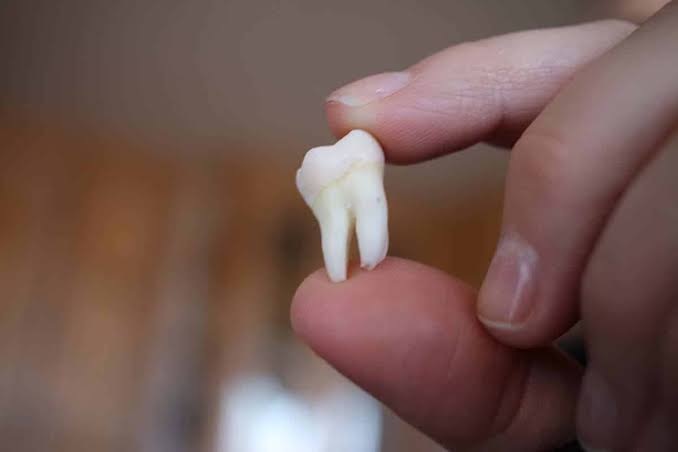
Why Is It Called Wisdom Teeth? Wisdom teeth are called wisdom teeth because they emerge much later in life than other teeth, typically between ages 17 and 25. By this age, a person is considered more mature and wiser than during childhood, which is where the name comes from.
The name has nothing to do with intelligence or how “wise” someone actually is. It’s purely a reference to timing and the age of adulthood.
Why Wisdom Teeth Got Their Name
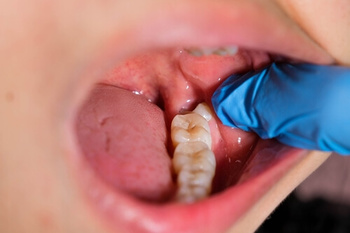
Wisdom teeth are the third and final set of molars, and they’re named for the age at which they appear rather than any connection to actual wisdom.
- Common name: Wisdom teeth
- Scientific name: Third molars
- Typical eruption age: 17 to 25 years old
- Language origin: Latin and Ancient Greek
- Reason for the name: They emerge during early adulthood, an age traditionally associated with maturity and wisdom
The Ancient Greek Origin
The earliest recorded reference to these molars comes from ancient Greece. Physicians used the term “sophronisteres,” which loosely translates to “prudent” or “teeth of wisdom.”
This word was tied to the Greek concept of “sophrosyne,” a classical virtue representing self-control, soundness of mind, and wisdom. Greek physicians linked the appearance of these molars to a person reaching a more mentally mature stage of life.
The Latin Translation
Roman scholars later translated the Greek term into Latin as “dens sapientiae,” which literally means “tooth of wisdom.” This Latin phrase became the foundation for how the term spread across Europe.
By the 1660s, English speakers were using the phrase “teeth of wisdom,” which eventually simplified into the modern term “wisdom teeth” by the mid-19th century.
Why the Timing Mattered
Wisdom teeth are the last teeth to erupt, unlike baby teeth or the rest of the permanent teeth that come in during childhood. This delayed timing lines up closely with the transition from adolescence into early adulthood.
Ancient scholars associated this life stage with increased maturity, better judgment, and greater life experience. Since the molars appeared during this “wiser” period, the connection between age and the name became permanent in everyday language.
How Other Languages Describe Wisdom Teeth
The concept of naming these molars after wisdom or maturity isn’t limited to English. Many cultures independently arrived at similar meanings.
| Language | Term Used | Literal Translation |
|---|---|---|
| Latin | Dens sapientiae | Tooth of wisdom |
| Ancient Greek | Sophronisteres | Prudent teeth |
| Spanish | Muelas del juicio | Teeth of judgment |
| French | Dents de sagesse | Teeth of wisdom |
| German | Weisheitszähne | Wisdom teeth |
| Italian | Denti del giudizio | Teeth of judgment |
| Arabic | Ders-al-a’qel | Teeth of the mind |
| Dutch | Verstandskiezen | Far-standing / mind teeth |
Do Wisdom Teeth Actually Have Anything to Do With Wisdom?
No, there’s no biological or scientific connection between these molars and a person’s actual intelligence. The name is symbolic, based entirely on the age at which the teeth typically emerge.
Someone can grow in all four wisdom teeth perfectly and gain no extra “wisdom” from the process. Likewise, someone missing all four wisdom teeth isn’t any less mature or capable.
What Are Wisdom Teeth, Scientifically?
Wisdom teeth are formally known as third molars, positioned at the very back of the upper and lower jaw. Most people develop up to four of them, one in each corner of the mouth.
They were more functional for early human ancestors, who had larger jaws and relied on tougher, coarser diets. Modern jaws have gradually become smaller over generations, which is a major reason these teeth cause so many problems today.
Why Wisdom Teeth Often Cause Problems
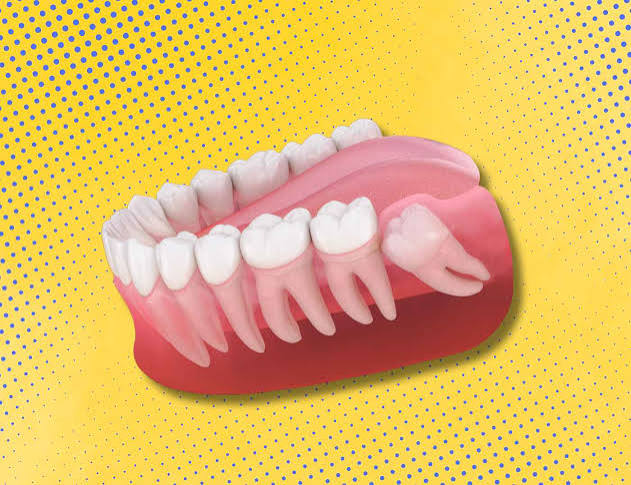
Because human jaws have shrunk over time, there’s often not enough room for these molars to emerge properly. This lack of space leads to several common dental issues.
- Impaction: The tooth becomes trapped under the gum or grows in at an angle.
- Crowding: The molar pushes against neighboring teeth, affecting alignment.
- Infection: Partially erupted teeth trap food and bacteria, leading to gum infections.
- Decay: Their position makes wisdom teeth difficult to clean properly, increasing cavity risk.
Wisdom Teeth vs. Other Molars
| Feature | Wisdom Teeth (3rd Molars) | Other Permanent Molars |
|---|---|---|
| Eruption age | 17–25 years | 6–13 years |
| Common function today | Often minimal or none | Chewing and grinding food |
| Risk of impaction | High | Low |
| Removal frequency | Very common | Rare |
| Jaw space typically available | Often insufficient | Usually sufficient |
Does Everyone Get Wisdom Teeth?
No, not everyone develops all four wisdom teeth. Roughly a third of people are missing one or more wisdom teeth entirely, a trait believed to be linked to ongoing human jaw evolution.
Some people never develop any wisdom teeth at all. This is considered a normal genetic variation rather than a dental problem.
Why Wisdom Teeth Are Often Removed
Dentists commonly recommend removal when wisdom teeth are impacted, misaligned, or causing pain and infection. Removing them early can prevent more serious complications down the road.
- Impacted teeth that can’t fully break through the gum line
- Teeth growing at an angle toward neighboring molars
- Recurrent infections or gum disease around the tooth
- Cysts or damage affecting nearby tooth roots
- Overcrowding that threatens the alignment of other teeth
Signs You Might Need Wisdom Teeth Removed
- Persistent pain or tenderness at the back of the jaw
- Swollen or bleeding gums near the molar area
- Difficulty fully opening your mouth
- Bad breath or an unpleasant taste that won’t go away
- Visible crowding or shifting of nearby teeth
Expert Tip
Regular dental X-rays are the most reliable way to track wisdom teeth development before symptoms even appear. Catching impaction early often makes extraction simpler and reduces recovery time.
Mistakes to Avoid
- Don’t ignore mild jaw discomfort, since it can signal early impaction.
- Don’t wait until infection sets in before scheduling a dental evaluation.
- Don’t assume you’re in the clear just because you don’t feel pain, since impaction can be silent for years.
Key Takeaways
- Wisdom teeth are named for the age at which they typically appear, not for any real connection to intelligence.
- The term traces back to ancient Greek “sophronisteres” and Latin “dens sapientiae.”
- Most people develop wisdom teeth between ages 17 and 25.
- Many languages use similar wisdom- or maturity-related terms for these molars.
- Smaller modern jaws are the main reason wisdom teeth frequently become impacted.
- Not everyone develops all four wisdom teeth, and some people have none at all.
Also Read:
- 200+ Best Replies to “Inshallah” & What It Really Means
- Top 10 Contact Form Plugins
- The Fastest WordPress Theme
- 200+ Replies to “How’s It Hanging” You’ll Love Using
- 200+ Best Replies to “It Was Nice Talking to You”
- 200+ Best Replies to “Allahumma Barik” – Show Gratitude
- Why Workstation Sinks Are Becoming A Practical Upgrade For Property Investments
- Why Shame Blocks Growth
- Setting Shared Financial Goals
- How Useful is a PMP Certification for HR Professionals?
- The Digital First Impression Houston Companies Can’t Ignore
- 4 High-Tech Home Entertainment Amenities That Bring the Country Club Home
- Quality Meets Affordability in Lab Diamond Tennis Bracelets
- Do STIs Affect the Vaginal Microbiome?
- Why Investing In Quality Equipment Matters For Small Trade Businesses
- Moving a Few Items? Why Small Moves Are Easy to Underestimate
- Top 6 Simple to Implement Barber Scheduling Software
- How Modern Businesses Combine Technology and Storage Solutions for Better Operations
- Should You Buy Lab Diamond Tennis Bracelets Now?
- How to Choose the Perfect Lab Diamond Jewelry for Yourself
- The Benefits and Perils of a Last-minute Wedding
- Why Self-Care is Crucial for Living Life to the Fullest
- Why Movement Science Is Vital for Fitness Coaches
- A Practical Guide to Earth Ground Resistance Testing for Electrical Safety
Frequently Asked Questions (FAQs)
Why is it called wisdom teeth?
Wisdom teeth are named for the age at which they emerge, typically between 17 and 25 years old, a stage traditionally associated with adult maturity and wisdom. The name has no connection to actual intelligence.
What is the scientific name for wisdom teeth?
Wisdom teeth are officially called third molars. They are the final set of molars located at the very back of the upper and lower jaw.
Where does the term “wisdom teeth” originally come from?
The term traces back to ancient Greek “sophronisteres,” meaning prudent teeth, and later the Latin phrase “dens sapientiae,” meaning tooth of wisdom.
At what age do wisdom teeth usually come in?
Most people develop wisdom teeth between ages 17 and 25, though the exact timing varies from person to person.
Does everyone get wisdom teeth?
No, roughly a third of people are missing one or more wisdom teeth. Some people never develop any at all, which is considered a normal variation.
Do wisdom teeth actually make you wiser?
No, there is no scientific link between wisdom teeth and intelligence. The name only reflects the age at which the teeth appear.
Why do wisdom teeth cause so many dental problems?
Modern human jaws have become smaller over generations, leaving less room for these molars. This often leads to impaction, crowding, infection, and decay.
What does “impacted wisdom tooth” mean?
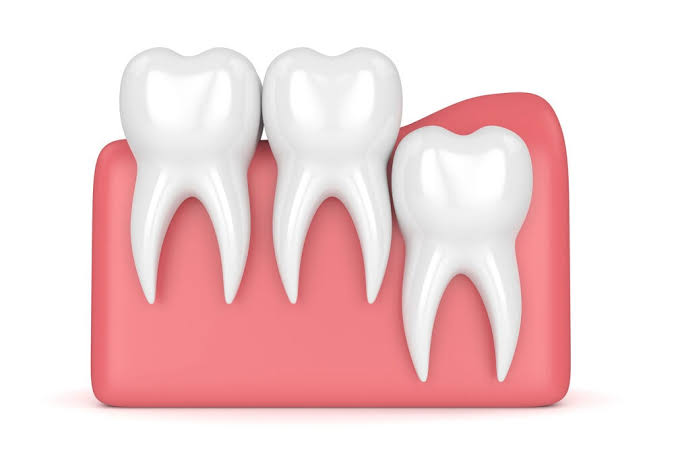
An impacted wisdom tooth is one that becomes trapped under the gum or grows in at an angle because there isn’t enough space to erupt normally.
Do other languages have similar names for wisdom teeth?
Yes, many languages use wisdom- or maturity-related terms, including Spanish (“muelas del juicio”), French (“dents de sagesse”), and German (“Weisheitszähne”).
Why were wisdom teeth useful for early humans?
Early human ancestors had larger jaws and relied on tougher, coarser diets, which made the extra chewing surface from third molars genuinely useful.
How many wisdom teeth does a person typically have?
Most people can develop up to four wisdom teeth, with one located in each corner of the upper and lower jaw.
What are common signs that a wisdom tooth needs removal?
Common signs include jaw pain, swollen or bleeding gums, difficulty opening the mouth fully, and visible crowding of nearby teeth.
Is it normal not to have any wisdom teeth?
Yes, it’s a normal genetic variation. Some people simply never develop one or more of their third molars.
When did the term “wisdom teeth” become common in English?
The phrase “teeth of wisdom” appeared in English by the 1660s, and the shortened term “wisdom teeth” became standard by the mid-19th century.
What is the Greek word for wisdom teeth?
The ancient Greek term was “sophronisteres,” which is closely related to “sophrosyne,” a classical virtue representing wisdom and self-control.
Can wisdom teeth stay healthy without removal?
Yes, if there’s enough jaw space and the teeth erupt properly without crowding or infection, some people keep their wisdom teeth without complications.
Why do dentists recommend early evaluation of wisdom teeth?
Early evaluation, often through X-rays, helps catch impaction or misalignment before symptoms appear, making treatment simpler if removal is needed.
Is wisdom tooth removal a common procedure?
Yes, it’s one of the most common minor dental surgeries performed, largely due to the high rate of impaction in modern jaws.
Do wisdom teeth look different from other molars?
No, wisdom teeth generally look similar in shape to other molars. Their location at the very back of the jaw is what sets them apart.
Why do some cultures associate wisdom teeth with different meanings?
Different cultures historically linked the timing of these molars to major life transitions, whether tied to wisdom, judgment, or maturity, resulting in varied but related naming traditions worldwide.
Conclusion
The name “wisdom teeth” has survived for centuries because it captures something simple and relatable: these molars arrive right as a person steps into adulthood. From ancient Greek physicians to modern dental offices, the connection between age and wisdom has stayed remarkably consistent across cultures and languages.
While the name sounds meaningful, the real story behind wisdom teeth is about biology and timing rather than intelligence. Understanding this history makes the next dental checkup, or wisdom tooth conversation, a little more interesting.