Why Is My Cat Limping? Injury or Illness? 2026
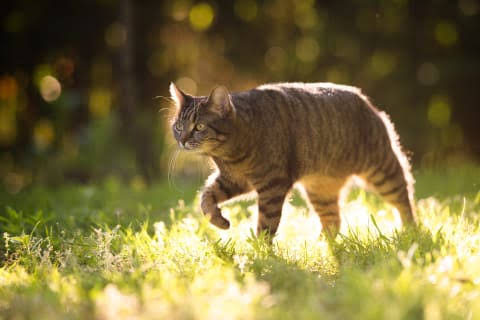
Why is my cat limping? It’s one of the first things every cat owner notices, since cats are usually so graceful and sure-footed on their feet.
A limp can mean something as minor as a sore paw or something more serious, like a fracture, infection, or underlying illness such as arthritis. Cats are also experts at hiding pain, which makes limping an important signal to take seriously rather than dismiss.
Why Is My Cat Limping? Quick Overview
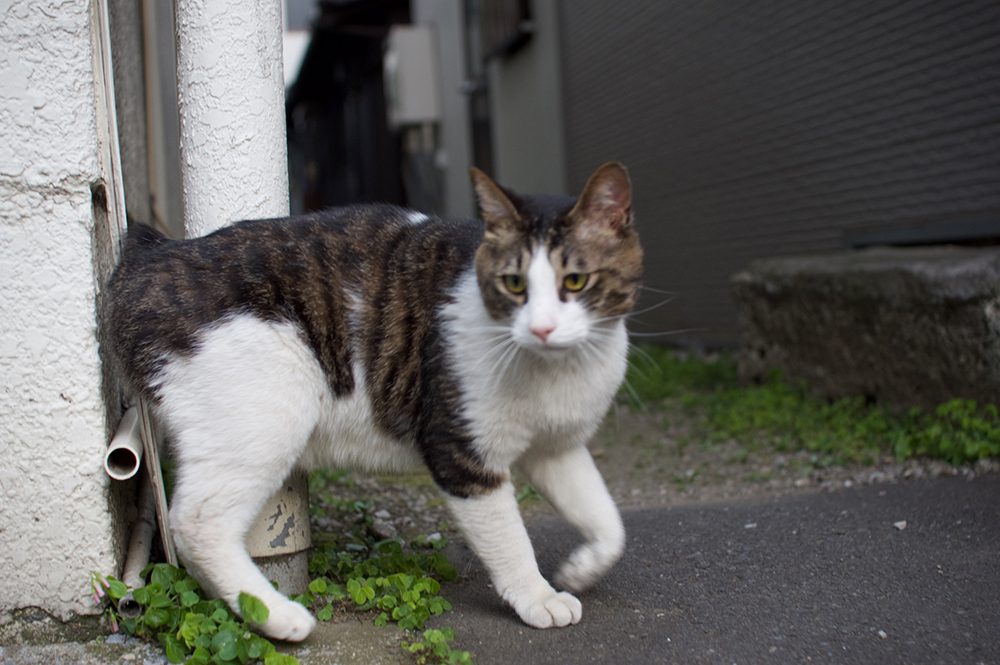
Limping, also called lameness, isn’t a disease itself. It’s a symptom that something in the leg, paw, joint, or nervous system is causing pain or dysfunction.
Cats limp for two broad reasons: physical injury or an underlying medical condition. Telling these apart usually comes down to how suddenly the limp started.
Sudden limping after activity often points to injury. Gradual, worsening limping over weeks or months more often points to illness or a chronic condition like arthritis.
Common Injury-Related Causes of Limping
Physical injuries are the most frequent reason cats start limping, especially in cats that spend time outdoors or love jumping onto high surfaces.
Sprains and Strains
A sprain or strain happens when a ligament or muscle is stretched or torn, often after an awkward jump or landing. This is one of the mildest causes of limping.
Most sprains improve with a few days of rest. If the limp doesn’t improve within 48 hours, a vet visit is recommended.
Fractures and Dislocations
Fractures are actual breaks in the bone, while dislocations occur when a joint is knocked out of its normal position. Both usually cause severe, sudden limping.
Cats with a fracture or dislocation will typically refuse to put any weight on the affected leg at all. This is considered a veterinary emergency.
Cuts, Punctures, and Wounds
Cuts, scrapes, and puncture wounds on the paw pad or leg are common in outdoor cats. These wounds can be painful enough on their own to cause a limp.
Wounds also carry infection risk, so cleaning the area and monitoring for redness or swelling is important even if the injury looks minor.
Foreign Objects in the Paw
Thorns, splinters, glass shards, or small pieces of debris can lodge between the toes or in the paw pad. This is a surprisingly common cause of sudden limping.
Cats with a foreign object often lick or bite excessively at the affected paw. Careful inspection between the toes can sometimes reveal the object.
Ingrown or Broken Claws
An ingrown claw can curl into the paw pad and cause significant pain with every step. Broken or torn claws are similarly painful and prone to infection.
Regular nail trims help prevent ingrown claws from developing in the first place, especially in older or less active cats.
Cat Bite Abscesses
A bite from another cat can introduce bacteria deep under the skin, forming a painful, swollen pocket called an abscess. This is one of the most common causes of sudden limping in cats that go outdoors.
Abscesses often feel warm to the touch and may burst on their own, but they typically require veterinary drainage and antibiotics.
High-Rise Syndrome
Cats that fall from open windows, balconies, or tall furniture can suffer serious leg and joint injuries, a phenomenon vets call high-rise syndrome.
Secure window screens and supervised access to high perches can significantly reduce this risk, especially in multi-story homes.
Common Illness-Related Causes of Limping
Not every limp comes from an obvious accident. Several medical conditions can cause limping that develops more gradually or without any clear trigger.
Arthritis
Arthritis is one of the most common causes of limping in cats, particularly as they age. It involves the gradual breakdown of cartilage within the joints.
Research suggests a large share of cats show some degree of arthritis, and the rate climbs sharply in cats over 12 years old.
Infections
Infections affecting the bones, joints, or soft tissue can cause limping, sometimes accompanied by fever, swelling, or lethargy. These require prompt veterinary diagnosis and treatment.
Tick-borne illnesses, though less common in cats than dogs, can also occasionally cause joint pain and limping.
Neurological Conditions
Nerve damage, spinal cord issues, or conditions like intervertebral disc disease can affect how a cat controls its legs, leading to limping, dragging, or loss of coordination.
These conditions tend to progress over time and often require imaging or specialist evaluation for an accurate diagnosis.
Endocrine Diseases
Certain hormonal conditions, such as diabetes mellitus, can occasionally contribute to limping or weakness in the hind legs. This is less common but worth ruling out in cats with other symptoms.
Bloodwork and urine testing are typically used to diagnose these underlying endocrine issues.
Patellar Luxation
This occurs when the kneecap slips out of its normal groove, causing an intermittent skip or limp, especially in the back legs. It can be present from birth or develop over time.
Mild cases may not need treatment, while more severe cases sometimes require surgical correction.
Obesity-Related Joint Strain
Extra body weight puts additional pressure on joints and muscles, increasing the risk of both strain-related limping and long-term arthritis development.
Weight management through portion control and regular play is one of the most effective ways to protect joint health over time.
Front Leg vs. Back Leg Limping

Where the limp shows up can offer useful clues about the likely cause. This table breaks down common differences.
| Limp Location | Common Causes |
|---|---|
| Front leg | Paw injuries, sprains, nail issues, fractures |
| Back leg | Arthritis, patellar luxation, hip issues, neurological conditions |
| Both back legs | Neurological disease, spinal issues, severe arthritis |
| Alternating legs | Patellar luxation, mild generalized joint pain |
Sharing which leg is affected, and whether it changes over time, gives your vet a valuable head start on diagnosis.
Sudden vs. Gradual Limping
Timing is one of the most useful diagnostic clues available to both owners and veterinarians. This table compares the two patterns.
| Onset | Likely Cause | Urgency |
|---|---|---|
| Sudden, after activity | Sprain, fracture, foreign object | High, especially if severe |
| Sudden, no clear trigger | Abscess, infection, injury from a fight | Moderate to high |
| Gradual, worsens over weeks | Arthritis, joint disease | Moderate |
| Gradual, with stiffness after rest | Arthritis | Moderate |
| Comes and goes | Patellar luxation, mild arthritis | Low to moderate |
Use this table alongside your observations to decide how quickly a vet visit is needed.
How to Examine a Limping Cat at Home
If your cat is calm and not showing signs of severe pain, a gentle at-home check can help you gather useful information before calling the vet.
Start With the Paw and Toes
Check between the toes for foreign objects like thorns or glass. Inspect the paw pad for cuts, swelling, or punctures.
Gently press each toe and note any reaction. Most cats will pull the leg back the moment you reach a sore spot.
Work Your Way Up the Leg
Move slowly up the limb, applying light pressure and watching for flinching, hissing, or resistance. Compare the affected leg to the healthy one for reference.
Look and feel for swelling, heat, or an unusual angle, all of which can indicate a more serious injury.
Know When to Stop
If your cat shows signs of severe pain, stop the exam immediately. Attempting to move a broken or dislocated leg can cause additional injury and pain.
Cats in pain may bite or scratch, even their most trusted humans, so always proceed carefully and calmly.
Warning Signs That Mean You Should See a Vet Immediately
Some symptoms alongside limping mean it’s time to skip the wait-and-see approach entirely.
- Leg hanging at an odd angle or visibly deformed
- Open wound, bleeding, or exposed bone
- Complete refusal to put any weight on the leg
- Limping lasting more than 24 to 48 hours
- Fever, lethargy, or loss of appetite
- Vocalizing, hiding, or acting unusually distressed
- Known trauma, such as a fall or being hit by a car
If you notice any of these, contact your vet or an emergency animal hospital right away rather than waiting to see if it improves.
When It’s Okay to Wait and Watch

Not every limp requires an immediate emergency visit. Some mild cases can be safely monitored at home for a short period first.
A mild limp that appeared after jumping, with no swelling, wound, or visible distress, can often be watched for 24 to 48 hours.
Keep your cat calm, confined to a small space, and away from jumping or running during this observation period. Rest is often the best first step.
If the limp hasn’t improved, or gets worse, within that window, it’s time to schedule a veterinary appointment.
What Happens at the Vet Visit
Understanding what to expect can help you feel more prepared and know what information to bring along.
Your vet will start with a full history, asking about when the limping started, any recent trauma, and whether your cat has other symptoms.
A physical exam follows, where your vet will watch your cat walk and gently feel each leg and joint for pain, swelling, or abnormal movement.
Depending on findings, your vet may recommend X-rays, bloodwork, or further imaging to pinpoint the exact cause and guide treatment.
Treatment Options for Cat Limping
Treatment depends entirely on the underlying cause, and options range from simple rest to surgical intervention.
| Cause | Typical Treatment |
|---|---|
| Mild sprain or strain | Rest, confinement, sometimes anti-inflammatories |
| Fracture or dislocation | Surgery, splinting, pain management |
| Abscess | Draining, antibiotics, wound care |
| Arthritis | Joint supplements, weight management, pain relief |
| Foreign object | Removal, wound cleaning, sometimes antibiotics |
| Infection | Antibiotics or antifungals depending on cause |
Never give your cat human pain medications, including ibuprofen or acetaminophen. These are highly toxic to cats, even in small amounts.
Caring for a Limping Cat at Home
Whether your cat’s limp is mild or recovering from treatment, a few home care steps support faster, safer healing.
Limit jumping, running, and stair access during recovery. A large dog crate or a small, quiet room works well for temporary confinement.
Keep the litter box low and easy to access, since a shallow pan reduces strain on a healing leg during recovery.
Avoid over-handling the injured leg, even out of concern. Constant checking can slow healing and cause unnecessary stress or pain.
Preventing Cat Limping
While not every cause of limping is preventable, a few habits can meaningfully reduce your cat’s risk over time.
Keep window screens secure and supervise access to high balconies or ledges to reduce the risk of high-rise syndrome falls.
Trim your cat’s nails regularly to prevent ingrown claws, and check paws periodically for early signs of injury or debris.
Maintain a healthy weight through portion control and regular play, which reduces joint strain and lowers arthritis risk over time.
Keep vaccinations and parasite prevention current, since certain infections and tick-borne illnesses can contribute to joint pain and limping.
Limping in Senior Cats
Older cats deserve special attention when it comes to limping, since arthritis becomes increasingly common with age.
A senior cat that walks stiffly, hesitates before jumping, or grooms less than usual may be quietly dealing with joint pain rather than an acute injury.
Joint supplements, weight management, and vet-guided pain relief can significantly improve comfort and mobility in arthritic senior cats.
Regular check-ups become especially important for senior cats, since early arthritis management can meaningfully slow its progression.
Kitten Limping vs. Adult Cat Limping
Age plays a meaningful role in narrowing down likely causes, since kittens and adult cats tend to injure themselves in different ways.
Kittens are naturally clumsy and playful, so minor sprains from awkward jumps or rough play are extremely common and usually resolve quickly with rest.
Congenital issues, like patellar luxation, are also more likely to show up early in a kitten’s life, sometimes appearing as an intermittent skip rather than a constant limp.
Adult and senior cats, by contrast, are more likely to develop limping from cumulative wear, arthritis, or injuries sustained during outdoor exploration or fights with other animals.
Indoor vs. Outdoor Cats: Different Risk Profiles
Where your cat spends most of its time significantly shapes the most likely causes behind a sudden limp.
Outdoor cats face a higher risk of bite wounds, abscesses, foreign objects in the paw, and traumatic injuries from vehicles or falls.
Indoor cats are more likely to develop limping from jumping mishaps, ingrown claws, or age-related joint conditions like arthritis, since outdoor trauma risk is largely removed.
Knowing your cat’s typical environment can help you and your vet prioritize which causes to rule out first during an exam.
Common Myths About Cat Limping
A few misconceptions about limping can lead owners to either overreact or, more dangerously, wait too long before seeking care.
| Myth | Fact |
|---|---|
| A cat that’s still eating and playing can’t be seriously hurt | Cats often hide pain even with real injuries |
| Limping always means a broken bone | Most limps come from mild sprains or minor wounds |
| Older cats limping is just “normal aging” | Arthritis is manageable and shouldn’t be dismissed |
| You can safely give your cat aspirin for pain | Even small amounts of many human medications are toxic to cats |
| A limp that comes and goes isn’t worth mentioning to the vet | Intermittent limping can still signal a real underlying issue |
Clearing up these myths helps owners respond appropriately instead of either panicking or waiting too long.
Cost Considerations for Treating a Limping Cat
Veterinary costs for limping-related visits vary widely depending on the underlying cause and diagnostic needs. This table offers a general sense of what to expect.
| Cause | Typical Cost Range |
|---|---|
| Basic exam and consultation | Low ($50 to $150) |
| X-rays | Moderate ($150 to $400) |
| Abscess drainage and antibiotics | Moderate ($150 to $500) |
| Fracture repair surgery | High ($1,500 to $4,000+) |
| Ongoing arthritis management | Low to moderate, recurring |
Getting a limp evaluated early often prevents more expensive complications down the line, especially with infections or untreated fractures.
Key Takeaways
Before your next steps, keep these core points in mind. They summarize the most important guidance from this guide.
- Sudden limping after activity often points to a minor sprain or injury
- Gradual, worsening limping is more likely tied to arthritis or a chronic condition
- Never give a cat human pain medication under any circumstances
- Refusal to bear weight or an open wound means it’s time for urgent care
- Tracking timing and symptoms helps your vet diagnose faster
Frequently Asked Questions (FAQs)
Why is my cat limping but not in pain?
Some limps involve subtle discomfort cats hide well. Even without obvious pain signs, the limp itself warrants monitoring or a vet check.
Why is my cat limping after jumping?
This often points to a sprain, strain, or minor joint strain from an awkward landing. Rest for 24 to 48 hours usually helps.
Why is my cat limping on a back leg?
Back leg limping often relates to arthritis, patellar luxation, or hip issues. Persistent limping should be evaluated by a vet.
Should I take my limping cat to the vet immediately?
If the leg looks deformed, your cat won’t bear weight, or there’s an open wound, seek veterinary care right away.
Can stress cause my cat to limp?
Stress alone doesn’t typically cause limping, but stressed cats may hide pain-related limping longer, delaying detection.
Why does my old cat limp more in the morning?
Morning stiffness is a classic sign of arthritis. Joints loosen up somewhat as cats move throughout the day.
Can a cat’s limp go away on its own?
Mild sprains sometimes resolve with rest alone. Limping lasting more than 48 hours should be checked by a vet.
Is it safe to give my cat pain medication for limping?
Never give human pain medication to a cat. Only use medications specifically prescribed by your veterinarian.
Why is my cat suddenly limping with no injury?
Sudden limping without visible injury can indicate an abscess, infection, or hidden foreign object. A vet exam is recommended.
How can I tell if my cat’s leg is broken?
Cats with a broken leg typically refuse to put any weight on it and may show visible swelling or an odd angle.
Conclusion
So, why is my cat limping? The cause could be as simple as a sore paw pad or as serious as a fracture, infection, or arthritis flare-up affecting an aging joint.
Paying attention to when the limp started, which leg is affected, and any additional symptoms gives you and your vet the clearest path to figuring out what’s really going on.
Mild limps that appear after activity, with no other symptoms, can often be monitored at home for a day or two before deciding on next steps, as long as your cat still seems comfortable overall.
Tracking your observations, including timing, severity, and any visible injuries, makes any veterinary visit faster and more productive if the limp doesn’t improve on its own.
If your cat shows signs of severe pain, an open wound, or refuses to bear weight at all, don’t wait it out. Getting prompt veterinary care gives your cat the best chance at a quick, full recovery.