Why Online Grocery Has Become the Easier Path for Households With Dietary Restrictions
The supermarket is not built for people with dietary restrictions. It is built for the median shopper, the one who walks in without a label-reading habit, picks up familiar items at familiar prices, and walks out in twenty minutes. For anyone outside that median, particularly anyone managing gluten sensitivity, lactose intolerance, soy avoidance, FODMAP awareness or coeliac disease, the same twenty-minute trip turns into a forty-five minute exercise in fine print.
The fatigue this generates is underrated. People who shop with dietary restrictions are not just buying food. They are running an audit. Every package is a small interrogation. Every aisle is a partial map of what is and is not safe. Every new product launch resets the whole exercise, because formulations change, supplier chains shift, and the gluten-free certification that was on the box six months ago might be gone next month without any warning to the shopper.
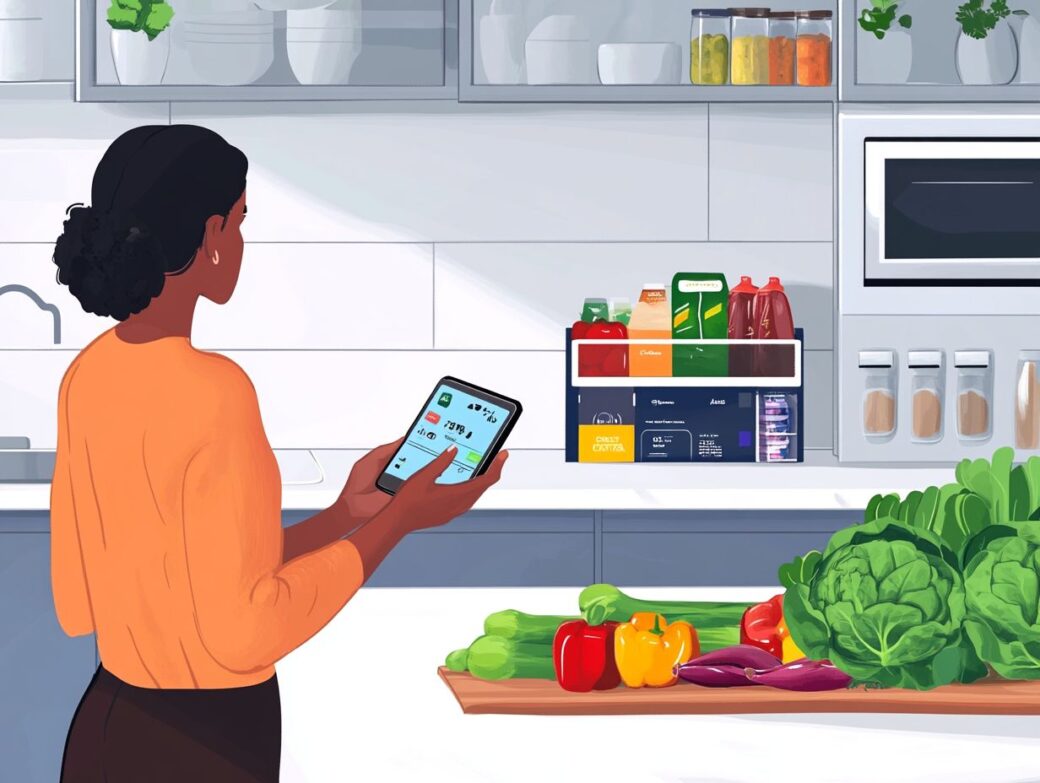
This is the specific problem that online specialist grocery has resolved. Buying gluten free groceries online from a service that pre-filters products at the supplier level removes the cognitive load that brick-and-mortar shopping imposes. The shopper is no longer reading every label. The labels have already been read by the platform. What lands at the door is a curated set of products that meet the dietary criteria the household has set, refreshed as suppliers update their formulations.
The convenience layer is the part everyone notices first. The structural shift underneath it matters more. Households that move to specialist online grocery for dietary needs almost universally report that they begin eating better, not worse, after the switch. The reason is that decision fatigue at the supermarket pushes everyone toward the same handful of safe defaults. The same five gluten-free pasta brands. The same two breads. The same crackers. Online curation, by contrast, surfaces options the shopper would never have spent the energy to find in a physical aisle, which broadens the diet rather than narrowing it.
There is a price observation worth making here as well. Households assume specialist online grocery costs more than supermarket shopping. In practice the comparison is rarely that clean. Specialist services often source surplus, lightly cosmetically imperfect or high-volume produce at meaningful discounts, and they pass those discounts on. The premium that gluten-free, dairy-free and other restriction-friendly products carry in mainstream retail is also often softened in specialist channels because the entire supply chain is built around those categories rather than treating them as an exception. The all-in cost for a household with restrictions can land below what they were paying at the supermarket.
There is one more shift worth naming. Households with restrictions historically built their food identity around what they could not eat. Online specialist grocery quietly reverses that orientation. The products on offer are framed positively. The communications around them are aspirational rather than defensive. The household stops thinking of itself as the one with the restriction and starts thinking of itself as the one with the curated kitchen. That reframing matters more than it sounds, particularly for households with children where the long-term goal is for the next generation to grow up without the inherited shame that earlier generations of restricted eaters often absorbed.
The supermarket will continue to exist, and most households will still pass through it for impulse and last-minute shopping. The weekly and structural shop, for any household serious about dietary restrictions, has quietly migrated online and is unlikely to return.
FAQ
Is online specialist grocery only relevant for severe allergies? No. It is equally useful for mild sensitivities, preference-based restrictions and lifestyle-driven dietary choices.
Are products delivered cold and fresh? Most platforms use temperature-controlled packaging and short transit windows for perishable items.
Can a household combine restrictions in one delivery? Yes. Modern platforms support layered filters, so a single household can apply gluten-free, dairy-free and other criteria at once.
Is there a minimum order? Most services set a minimum at a level designed to make the delivery economically sensible, typically the equivalent of a small weekly shop.