Why Pure Barre Doesn’t Work? Better Results Guide 2026
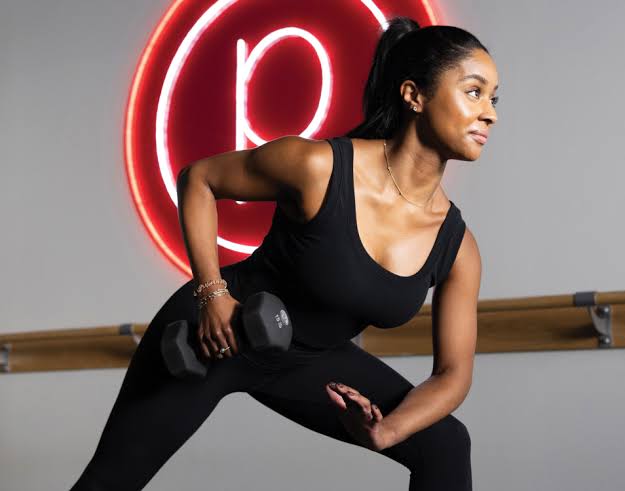
Why Pure Barre doesn’t work is a question many people start asking after weeks of consistent classes with little visible change. The frustration is real, especially when instructors and marketing promise fast transformations.
In most cases, the workout itself is not the problem. The real issues usually come down to intensity, exercise variety, nutrition, and unrealistic expectations about timelines.
Why Pure Barre Doesn’t Work? What Is Pure Barre, Exactly?
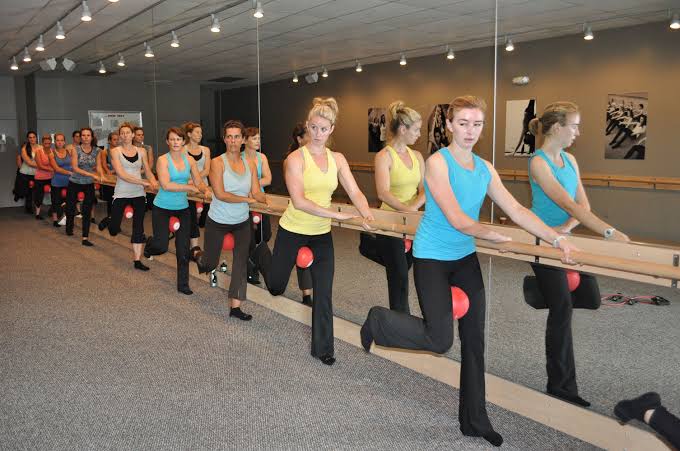
Pure Barre is a fitness method that blends ballet-inspired movements, Pilates principles, and light strength training using a ballet barre for support.
It was founded in 2001 by ballerina Carrie Rezabek Dorr, designed to be accessible to people of all fitness levels through low-impact movement.
Classes focus on small, isometric pulses that target specific muscle groups, combined with stretching and core work throughout each session.
Why People Feel Pure Barre “Doesn’t Work”
Many participants expect significant strength gains, weight loss, or visible muscle change within just a few weeks of starting classes.
When results feel slow or invisible, it is easy to conclude the method itself is ineffective, even when the real issue is something else entirely.
Understanding the actual science behind exercise adaptation helps explain why frustration builds for some people faster than others.
Reason 1: Limited Exercise Variety Leads to Plateaus
Pure Barre classes tend to follow a fairly consistent structure, even as specific movements rotate from session to session.
Repeating similar movement patterns over time allows the body to adapt quickly, which is exactly what a plateau looks like in practice.
Muscle memory develops fast with repetitive, isometric movement, meaning the same workout stops creating new stimulus after a certain point.
Reason 2: The Workouts Are Low-Impact by Design
Pure Barre intentionally uses low-impact movements to minimize joint strain, which is a major benefit for injury prevention and accessibility.
However, this same design choice can mean the intensity is not high enough for people seeking major strength or endurance improvements.
Individuals with more advanced fitness levels may need additional resistance or intensity beyond what standard classes provide.
Reason 3: Little to No Cardiovascular Conditioning
Pure Barre primarily emphasizes strength and flexibility, with limited built-in cardiovascular conditioning compared to formats like HIIT or running.
For people focused on weight loss or improved cardiovascular health, barre alone is unlikely to provide sufficient calorie burn or heart rate elevation.
Pairing barre sessions with dedicated cardio workouts is often necessary to see meaningful results in these specific areas.
Table: What Pure Barre Targets vs What It Doesn’t
| Fitness Goal | Does Pure Barre Address It? |
|---|---|
| Muscle toning and endurance | Yes, strongly |
| Flexibility and posture | Yes, strongly |
| Core strength | Yes, strongly |
| Cardiovascular fitness | Limited |
| Significant weight loss alone | Limited |
| Major strength/muscle building | Limited |
| Joint-friendly, low-impact training | Yes, strongly |
Reason 4: Nutrition Is Often the Missing Piece
No workout program, including Pure Barre, can overcome a nutrition plan that does not support the person’s specific fitness goals.
Weight loss and visible muscle definition depend heavily on caloric intake and macronutrient balance, not exercise alone.
Many people attending barre classes without adjusting their diet report slower or stalled results compared to those who combine both.
Reason 5: Genetic and Individual Fitness Ceilings
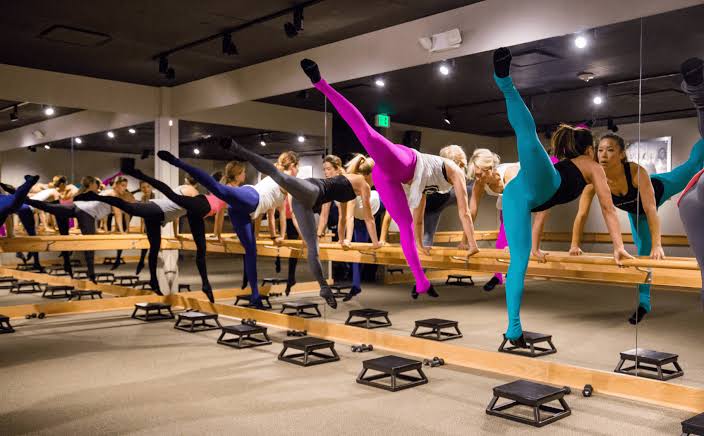
As people become fitter, the rate of visible improvement naturally slows down as they approach their personal genetic limits.
This is a normal part of fitness progression across all workout types, not something unique or specific to Pure Barre.
Advanced participants sometimes mistake this natural slowdown for the workout “not working” anymore.
Reason 6: Inconsistent Attendance Reduces Results
Like any fitness method, Pure Barre requires consistency over weeks and months to produce noticeable, lasting change.
Attending sporadically, or mixing in long gaps between sessions, significantly slows the adaptation process the body needs to show visible results.
Consistent, structured attendance combined with proper recovery tends to produce far better outcomes than irregular participation.
Reason 7: Unrealistic Expectations About Timelines
Marketing around fitness trends often implies fast, dramatic transformations within just a few weeks of starting a program.
In reality, visible muscle tone and meaningful strength gains typically take eight to twelve weeks of consistent training to become noticeable.
Expecting results too quickly can create a false impression that the method is ineffective when it simply needs more time.
Reason 8: Not Enough Progressive Overload
Progressive overload, gradually increasing resistance, reps, or intensity over time, is essential for continued strength and muscle adaptation.
Some Pure Barre routines can feel repetitive without added resistance, tempo changes, or additional class formats to keep progressing.
Incorporating heavier resistance bands, added weights, or advanced class variations can help reintroduce this necessary progression.
Reason 9: Injury or Physical Limitations
Pure Barre’s small, controlled movements may not always accommodate specific injuries or physical limitations effectively for every participant.
Without proper modifications, some individuals may experience frustration, discomfort, or even injury instead of improvement.
Working with an instructor to adjust movements for personal limitations is essential for both safety and consistent progress.
Reason 10: Comparing Yourself to Regulars in Class
New participants often compare their progress to experienced regulars who move through choreography with visible ease and confidence.
This comparison can create a false sense that personal results are lacking, when in reality, experienced participants simply have more time invested.
Tracking personal progress over weeks, rather than comparing to others in real time, gives a much more accurate picture of improvement.
Table: Common Reasons Pure Barre “Doesn’t Work”
| Reason | Root Cause |
|---|---|
| Plateaus in strength or tone | Repetitive movement patterns without variation |
| Little weight loss | Lack of cardio and no diet adjustment |
| Slow visible results | Genetic ceiling or inconsistent attendance |
| Feeling like it’s “too easy” | Naturally low-impact design |
| Frustration or injury | Insufficient modifications for physical limitations |
| Comparing to others | Misjudging personal progress against experienced regulars |
How to Get Better Results From Pure Barre
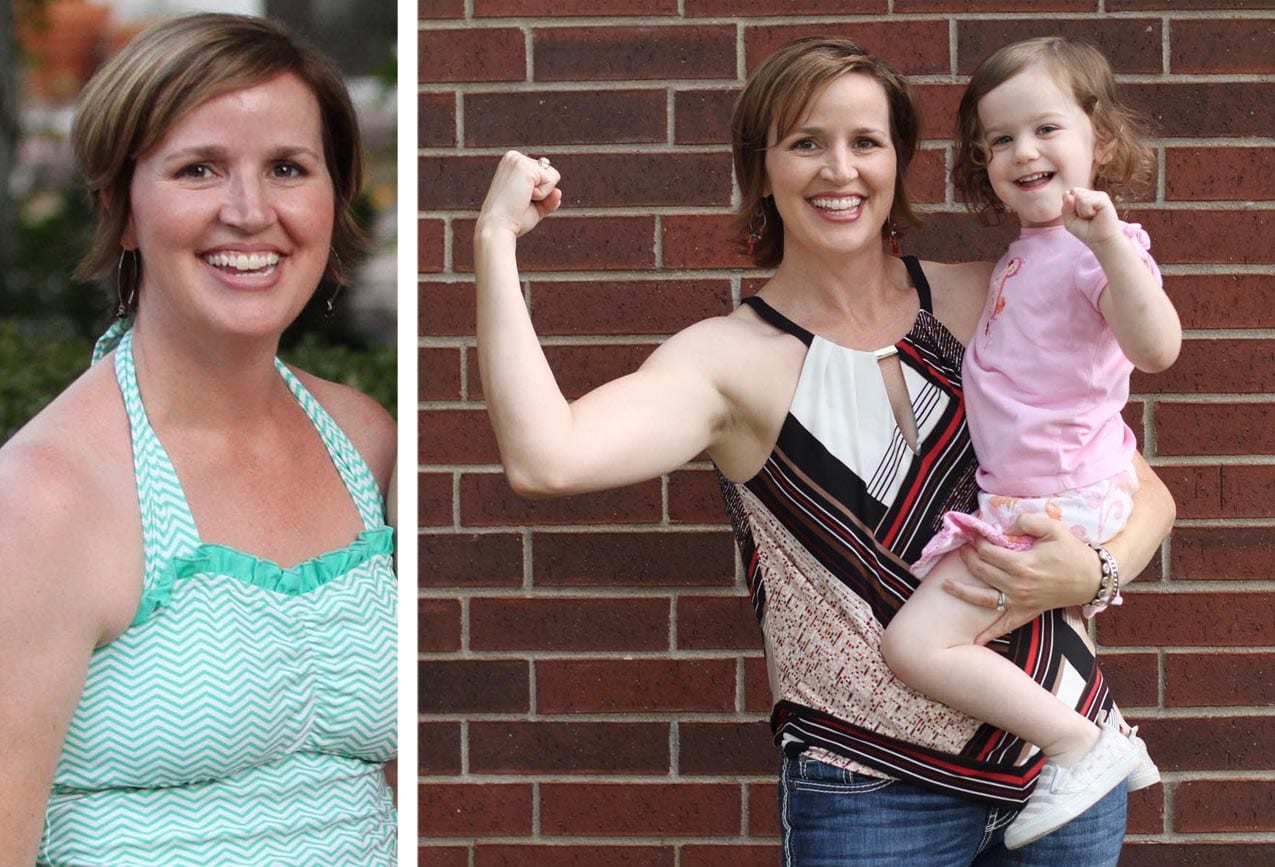
Combining barre classes with two to three dedicated cardio sessions per week helps address the cardiovascular gap many participants notice.
Adjusting your nutrition to align with specific goals, whether fat loss or muscle definition, significantly improves visible outcomes over time.
Attending classes consistently, ideally three to five times weekly, allows the body enough repeated stimulus to adapt and show real change.
Adding Variety to Prevent Plateaus
Rotating between different Pure Barre class formats, when available, introduces new movement patterns that challenge the body differently.
Incorporating occasional strength training with free weights outside of class can help build additional muscle beyond what isometric barre work provides.
Changing tempo, adding resistance bands, or increasing hold times during barre movements can also reintroduce meaningful progressive overload.
Setting Realistic Expectations
Understanding that visible results typically take eight to twelve weeks helps prevent early frustration and premature program abandonment.
Tracking measurements, photos, or strength benchmarks, rather than relying on how you feel day to day, gives a clearer view of actual progress.
Celebrating small improvements in balance, posture, and endurance along the way keeps motivation steady during slower visible-change periods.
Should You Combine Pure Barre With Other Workouts?
Yes, combining Pure Barre with cardio and traditional strength training often produces more well-rounded, faster results than barre alone.
This approach addresses the cardiovascular and heavier resistance training gaps that barre’s low-impact, isometric format does not fully cover.
Many fitness experts recommend using barre as a complement to a broader routine rather than a sole, standalone fitness plan.
Table: Sample Weekly Routine Combining Barre With Other Training
| Day | Suggested Activity |
|---|---|
| Monday | Pure Barre class |
| Tuesday | Cardio (running, cycling, or HIIT) |
| Wednesday | Pure Barre class |
| Thursday | Strength training with weights |
| Friday | Pure Barre class |
| Saturday | Light cardio or active recovery |
| Sunday | Rest |
Is Pure Barre a Bad Workout Overall?
No, Pure Barre is not a bad workout. It is highly effective for flexibility, posture, core strength, and low-impact toning when used consistently.
The method simply has natural limitations in cardiovascular conditioning and heavy strength building that require complementary training to fully address.
Understanding these limitations, rather than expecting one workout to cover every fitness goal, leads to far more realistic and satisfying results.
Frequently Asked Questions (FAQs)
1. Why doesn’t Pure Barre work for weight loss?
Pure Barre offers limited cardiovascular conditioning, so combining it with cardio and proper nutrition is necessary for real weight loss results.
2. How long does it take to see results from Pure Barre?
Most people notice visible changes in eight to twelve weeks with consistent attendance, typically three to five classes weekly.
3. Is Pure Barre too easy to build real strength?
It can feel too light for advanced fitness levels since it is intentionally low-impact, requiring added resistance for continued strength gains.
4. Why do I feel like I’ve plateaued with Pure Barre?
Repetitive movement patterns can cause the body to adapt quickly, so adding variety or intensity helps break through plateaus.
5. Should I do cardio in addition to Pure Barre?
Yes, adding two to three cardio sessions weekly addresses the cardiovascular gap that barre training alone does not cover.
6. Does diet matter if I’m doing Pure Barre regularly?
Yes, nutrition significantly affects weight loss and muscle definition, regardless of how consistently you attend barre classes.
7. Can Pure Barre cause injury?
It can, if movements are not properly modified for existing injuries or physical limitations, so instructor guidance is important.
8. Why do regulars seem so much better at Pure Barre than me?
Experienced participants have simply invested more time and practice, not necessarily better genetics or effort than beginners.
9. Is Pure Barre enough on its own for total fitness?
Not entirely. It excels at toning and flexibility but works best when combined with cardio and traditional strength training.
10. What can I do if Pure Barre stops giving me results?
Add variety, increase resistance, attend more consistently, and adjust nutrition to reintroduce progress and break through plateaus.
Conclusion
Pure Barre doesn’t fail because the method itself is flawed, but because expectations, consistency, nutrition, and workout variety often don’t align with what the body actually needs to keep progressing.
Its low-impact, isometric design excels at building flexibility, posture, and core strength, but naturally falls short on cardiovascular conditioning and heavy strength building.
Plateaus, slow visible results, and frustration usually trace back to repetitive routines, inconsistent attendance, or unrealistic timelines rather than the workout being ineffective.
Combining barre with cardio, proper nutrition, and occasional strength training addresses these gaps directly. Understanding these limitations, rather than expecting one workout to solve every fitness goal, is the key to finally seeing the results you’re working toward.