Why Won’t My Car Turn Over? Common Causes & Fixes 2026
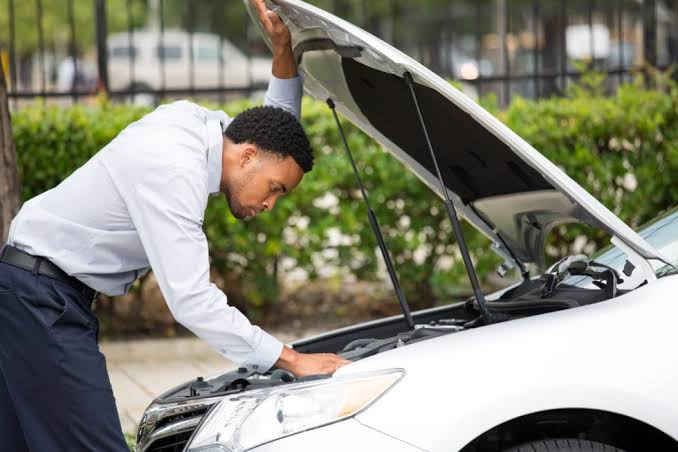
You turn the key or press start, and nothing happens, maybe just a click or dead silence. If you’re wondering why won’t my car turn over, the sound your car makes is actually your biggest diagnostic clue.
Turning over refers to the starter physically rotating the engine, which is different from the engine actually starting and running. Most no-crank issues trace back to a short list of electrical or mechanical causes.
Why Won’t My Car Turn Over?
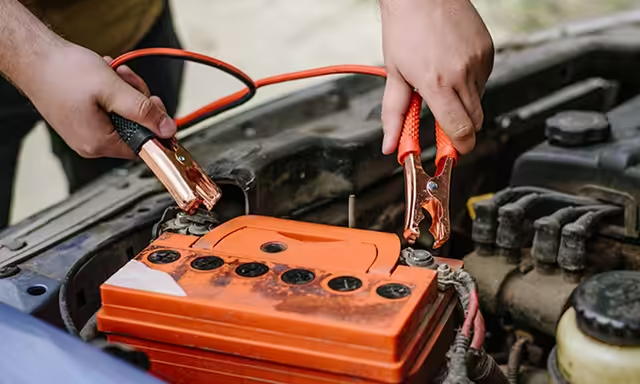
A car usually won’t turn over due to a dead or weak battery, a failing starter motor, corroded battery terminals, or a security system blocking the ignition signal. The sound you hear when turning the key, whether clicking, silence, or slow cranking, helps identify the likely cause.
Rapid clicking almost always points to a weak battery, while a single loud click often points to the starter.
What Does “Turn Over” Actually Mean?
Turning over means the starter motor is physically rotating the engine’s crankshaft. It’s different from the engine starting, which also requires fuel and spark.
If your car cranks but doesn’t start, the issue is separate from a true no-crank situation.
Turn Over vs. Start: Key Difference
- Turning over: The starter rotates the engine, producing a cranking sound
- Starting: The engine fires and continues running on its own
- A dead battery can prevent turning over entirely
- An empty fuel tank won’t stop the engine from turning over
What Different Sounds Mean
The exact sound your car makes provides the fastest clue toward diagnosis. Matching the symptom to the cause narrows down your next step quickly.
Common Sound Patterns
- Rapid clicking: Usually a weak or discharged battery
- Single loud click: Often a failing starter solenoid or starter motor
- Total silence: Points to a dead battery, blown fuse, or ignition issue
- Slow, dragging crank: Weak battery or worn starter, especially in cold weather
Top Reasons Why a Car Won’t Turn Over
Several common issues explain the vast majority of no-crank situations.
1. Dead or Weak Battery
A discharged or aging battery is the most frequent cause of a car not turning over. It may have enough power to trigger a click but not enough to spin the starter motor.
Cold weather often exposes a weak battery that was already close to failing.
2. Corroded or Loose Battery Terminals
Corrosion or a loose connection at the battery terminals can block the electrical current needed to start the car. This can happen even when the battery itself is healthy.
Visible white or blue buildup on the terminals is a common sign of corrosion.
3. Faulty Starter Motor or Solenoid
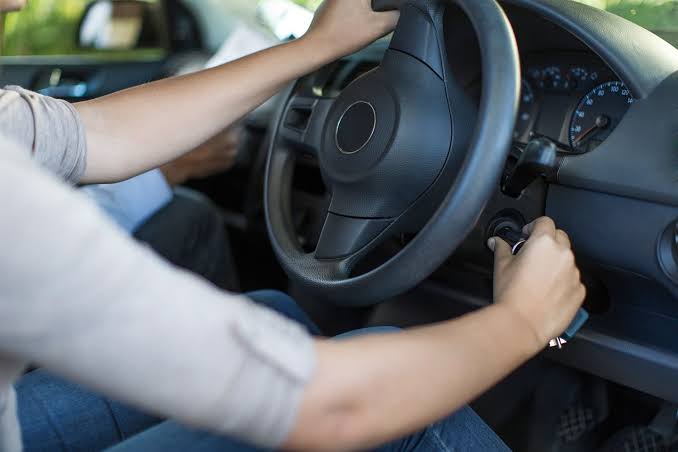
If the starter motor is worn out or the solenoid fails, the engine may not turn over even with a strong battery. A single loud click often signals this exact issue.
Heat damage or worn internal brushes are common causes of starter failure over time.
4. Blown Fuse or Relay
A blown starter or ignition fuse can completely cut power to the starting circuit. This often results in total silence when turning the key.
Checking the fuse box is a quick, low-cost first step in diagnosis.
5. Ignition Switch Problems
A failing ignition switch can prevent the electrical signal from reaching the starter at all. This issue can feel identical to a dead battery from the driver’s seat.
6. Security System or Key Fob Issues
Modern vehicles use immobilizer systems that verify a key’s digital signal before allowing the starter to engage. A dead key fob battery or unrecognized signal can block the car from turning over.
7. Transmission Not Fully in Park or Neutral
Most vehicles include a safety switch that prevents starting unless the gear selector is fully in Park or Neutral. This is an easy detail to overlook when troubleshooting.
Why Won’t My Car Turn Over: Symptom Comparison Table
| Sound or Symptom | Likely Cause | Next Step |
|---|---|---|
| Rapid clicking | Weak or dead battery | Try a jump start |
| Single loud click | Starter motor or solenoid failure | Inspect or test starter |
| Total silence | Dead battery, blown fuse, or ignition issue | Check fuses and battery voltage |
| Slow, dragging crank | Weak battery or worn starter | Test battery, consider replacement |
| Dashboard lights work, no crank | Likely starter issue | Have starter tested |
| Dashboard lights dim or off | Likely battery issue | Charge or jump battery |
How to Diagnose a Car That Won’t Turn Over
- Turn the key and listen carefully to the exact sound produced.
- Check if dashboard lights and electronics are working normally.
- Inspect battery terminals for corrosion or looseness.
- Confirm the gear selector is fully in Park or Neutral.
- Attempt a jump start if a weak battery is suspected.
Mistakes to Avoid When Troubleshooting
- Don’t repeatedly attempt starts if you suspect a mechanical starter issue.
- Don’t ignore dim dashboard lights, since they point toward the battery.
- Don’t assume a full fuel tank rules out a no-crank issue.
- Don’t overlook the key fob battery as a possible cause.
When to Call a Professional or Tow Service
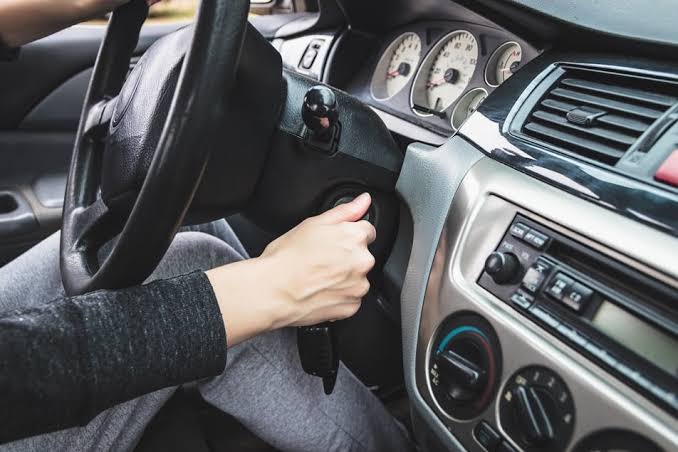
If a jump start doesn’t resolve the issue, the starter motor or ignition system likely needs professional diagnosis. A mechanic can use proper testing equipment to confirm whether the battery, starter, or wiring is at fault.
Repeated stalling or clicking despite a known-good battery is a sign it’s time to stop troubleshooting at home.
Expert Tips to Prevent Future No-Start Issues
Mechanics recommend having your battery tested annually, especially before winter, since cold weather is a common trigger for battery failure. Keeping terminals clean and tight also reduces the risk of corrosion-related starting problems.
Replacing an aging battery proactively is often cheaper than dealing with an unexpected no-start situation.
Also Read:
- Automated Enforcement Under Scrutiny: A Review of Red Light and Speed Cameras in the United States
- What Are Synonyms of Should? Top Words Explained 2026
- What Are Synonyms for Good? Words You Can Use 2026
- What Is the Difference Between Synonyms and Antonyms?
- YouTube Growth Strategy for New Creators: What Actually Works
- Electronics Recycling Container: The Smart Solution for Responsible E-Waste Disposal
- The Key Questions That Often Decide Truck Accident Claims
- Why Homeowners Skip Regular Cleaning and What It Costs Them
- Zodiac Signs: Your Personality Blueprint Guide
- Best 800+ Synonyms for Why: Simple Words & Usage Guide 2026
- Pun Names: Powerful & Hilarious Names to Make Everyone Laugh
- 200+ Funny Responses to “Good Morning” Texts
- OnThisVerySpot Com: Unlocking Layers of History and Pop Culture at Your Fingertips
- Unforgettable Ways to Incorporate Live Music Into Your Wedding Ceremony
- The Transformative Power of Music on Creativity and Well-Being
- How Music Listeners Are Quietly Moving Their Libraries Between Streaming Services
- Benjy Grinberg on Why a Musician’s Character Can Leave a Legacy as Powerful as Their Sound
- Redefining Sonic Identity Through the Lens of AI Music Generator
- Alabama Barker Age: The Empowering Journey of a Rising Music Star
- How Old Is Alabama Barker: The Dynamic Young Star’s Musical and Modeling Rise
- What Is Philip Michael Thomas Doing Now: Reigniting the Groove with Bold Music Moves
- Pretty Lights Net Worth: Illuminating the Glitch-Hop Empire of a Music Visionary
- Alahna Ly Age: The Rising Star of Social Media and Music
Frequently Asked Questions (FAQs)
Why won’t my car turn over but the lights work?
If lights and electronics work but the engine won’t crank, the starter motor or solenoid is the most likely cause.
What does rapid clicking mean when my car won’t turn over?
Rapid clicking almost always indicates a weak or discharged battery that can’t supply enough current to the starter.
What does a single click mean when trying to start my car?
A single loud click typically means the starter solenoid is engaging, but the starter motor itself has failed.
Can a car turn over without fuel in the tank?
Yes. Turning over only requires the starter to rotate the engine, which doesn’t depend on fuel level.
Why is my car completely silent when I try to start it?
Total silence often points to a dead battery, blown fuse, or a break in the ignition circuit.
Can a bad key fob battery stop my car from turning over?
Yes. Many vehicles rely on the fob’s signal for security verification, and a dead fob battery can block starting.
How do I know if it’s the battery or the starter?
If dashboard lights are dim or off, suspect the battery. If lights work normally but the engine won’t crank, suspect the starter.
Is it safe to jump-start a car that’s clicking?
Yes, if the clicking is caused by a weak battery. Avoid repeated attempts if a mechanical issue is suspected instead.
Can cold weather cause a car not to turn over?
Yes. Cold temperatures reduce battery performance and can expose a battery that was already weakening.
Why does my car crank slowly instead of not at all?
A slow, dragging crank usually points to a weak battery or a starter under strain, especially in cold weather.
Can corroded battery terminals stop a car from turning over?
Yes. Corrosion can block the electrical connection needed to send power to the starter, even with a healthy battery.
Does the gear selector position affect starting?
Yes. Most vehicles won’t engage the starter unless the gear selector is fully in Park or Neutral.
Can a blown fuse cause a complete no-crank situation?
Yes. A blown starter or ignition fuse can cut power to the entire starting circuit, resulting in silence.
Will jump-starting fix a bad starter motor?
No. A jump start can only help with a weak battery, not a mechanically failed starter motor.
How can I tell if my alternator is causing the problem?
Signs of alternator issues include dimming headlights, warning lights, or a battery that keeps dying after charging.
Is it normal for an older battery to fail suddenly?
Yes. Batteries often show early warning signs like slow cranking before failing completely without notice.
Can a car security system block starting even with a good battery?
Yes. If the immobilizer doesn’t recognize the key’s signal, it can prevent the starter from receiving power.
Should I keep trying to start my car if it won’t turn over?
No. Repeated attempts can drain the battery further or cause additional strain on a failing starter.
Can a mechanic diagnose a no-crank issue quickly?
Yes. With proper testing equipment, a mechanic can usually identify the battery, starter, or wiring issue efficiently.
How often should I have my car battery tested?
Testing your battery annually, especially before winter, can help catch weakening batteries before they fail.
Conclusion
So, why won’t my car turn over? In most cases, the answer comes down to the battery, the starter, or the electrical connection between them, and the sound your car makes is the fastest clue to which one. Rapid clicking, a single click, and total silence each point toward a different starting point for diagnosis.
If basic checks like a jump start or terminal cleaning don’t solve the problem, a professional diagnosis is the safest way to get back on the road without further damage.