Why Is My Big Toe Hurting? Causes & Relief Tips 2026
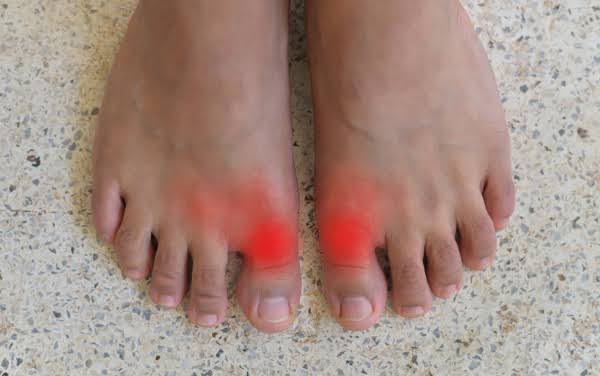
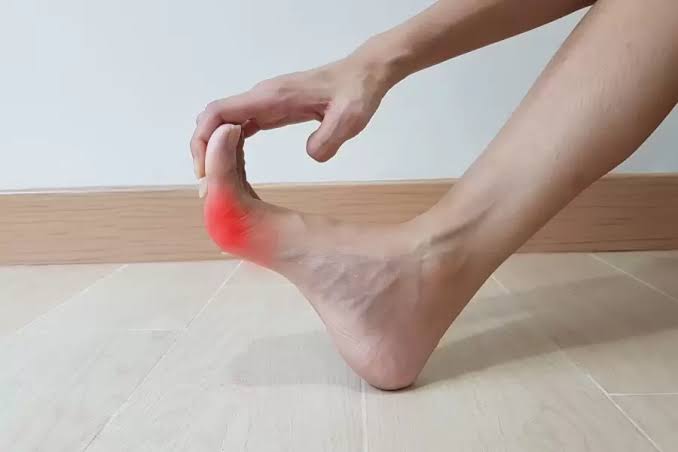
Why Is My Big Toe Hurting? A sore big toe can turn a simple walk into a struggle. If you keep asking yourself why is my big toe hurting, you are not alone.
The big toe carries most of your body weight every time you step or push off the ground. That makes it one of the most overworked joints in your entire body.
Pain here usually comes from a handful of well-known culprits. These range from a sudden gout flare to a slow-building bunion or a simple sprain.
Why Is My Big Toe Hurting?
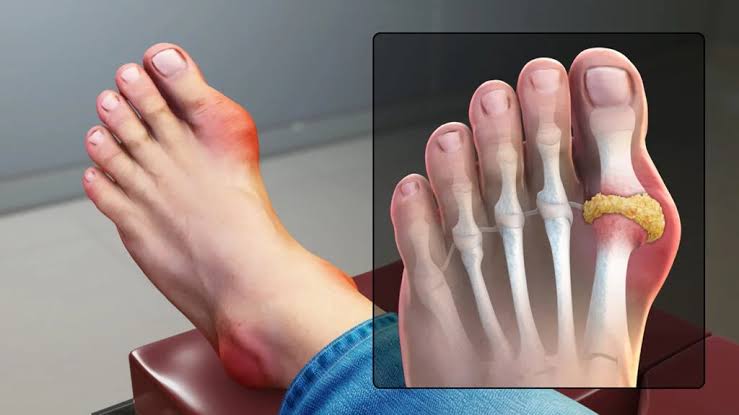
Big toe pain is most often caused by gout, a bunion, an ingrown toenail, turf toe, arthritis (hallux rigidus), sesamoiditis, or a fracture.
Sudden, intense pain with redness and swelling points to gout or an injury. Gradual, nagging pain usually means arthritis or a bunion is developing.
Common Causes of Big Toe Pain at a Glance
| Cause | Typical Feel | Onset | Common Trigger |
|---|---|---|---|
| Gout | Burning, throbbing, red and hot | Sudden, often overnight | Diet, alcohol, dehydration |
| Bunion (hallux valgus) | Aching bump, rubbing pain | Gradual, over years | Tight or narrow shoes, genetics |
| Ingrown toenail | Sharp, localized pain near nail edge | Sudden or gradual | Cutting nails too short |
| Turf toe | Sharp pain when bending toe | Sudden, during activity | Sports, forceful upward bend |
| Hallux rigidus (arthritis) | Stiffness, pain on movement | Gradual, over months | Wear and tear, past injury |
| Sesamoiditis | Deep pain under the joint | Gradual | Running, high heels |
| Fracture | Intense pain, bruising, swelling | Sudden, after impact | Stubbing, dropped object |
1. Gout Is a Classic Reason for Sudden Big Toe Pain
Gout is a form of arthritis caused by a buildup of uric acid crystals in the joint. It very often strikes the big toe first.
A gout flare tends to appear overnight. The toe becomes red, swollen, hot to the touch, and painful even under a bedsheet.
Triggers include red meat, alcohol, sugary drinks, and dehydration. Anyone with a family history of gout faces a higher risk.
How Gout Feels Different
Gout pain peaks within 12 to 24 hours and can last several days to two weeks without treatment. The skin over the joint may look shiny and feel warm.
2. A Bunion Slowly Pushes the Big Toe Out of Place
A bunion, or hallux valgus, is a bony bump that forms at the base of the big toe. It develops when the toe leans toward the second toe over time.
Genetics play a large role in who develops bunions. Narrow or high-heeled shoes can speed up the process and make symptoms worse.
Pain usually centers on the bump itself, especially where it rubs against footwear. Over time, a bunion can also crowd nearby toes.
Who Gets Bunions Most Often
Women who regularly wear narrow-toed or high-heeled shoes report bunions more frequently. Flat feet and loose ligaments also raise the risk.
3. An Ingrown Toenail Causes Sharp, Localized Pain
An ingrown toenail happens when the edge of the nail grows into the surrounding skin. It is one of the most common reasons for sharp big toe pain.
Cutting nails too short or rounding the corners instead of trimming straight across is a leading cause. Tight, narrow shoes make the problem worse.
The area often looks red and swollen and may feel warm. In some cases, the skin around the nail can become infected.
4. Turf Toe Comes from Bending the Joint Too Far
Turf toe is a sprain of the ligaments around the big toe joint. It happens when the toe is forced to bend upward beyond its normal range.
This injury is common in athletes who play on hard turf or push off forcefully while running or jumping. Basketball, football, and soccer players see it often.
Pain, swelling, and reduced motion usually appear right after the injury. Walking or pushing off the toe becomes noticeably harder.
5. Hallux Rigidus Is Arthritis in the Big Toe Joint
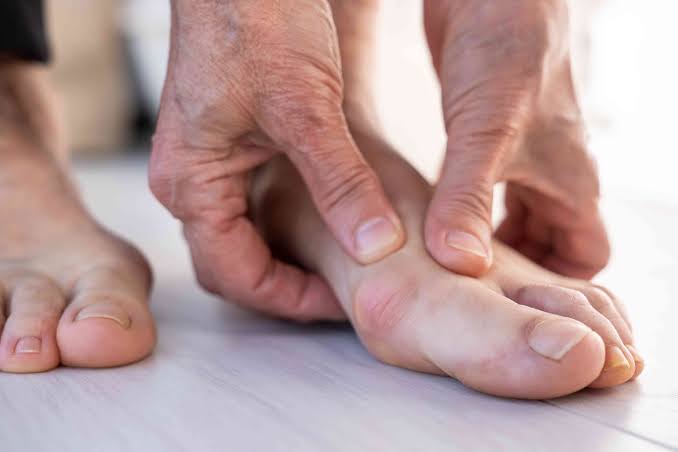
Hallux rigidus is a form of osteoarthritis that stiffens the metatarsophalangeal (MTP) joint at the base of the big toe. It is the most common arthritic condition affecting the feet.
It typically develops between ages 30 and 60. Years of wear and tear, past injuries, or joint misalignment all contribute.
A bony spur can form on top of the joint, which rubs against shoes and adds to the pain. Bending the toe upward, as in walking uphill, often hurts the most.
6. Sesamoiditis Causes Pain Underneath the Joint
Sesamoiditis is inflammation of the small sesamoid bones located beneath the big toe joint. These bones help the toe tendons glide smoothly during movement.
Repetitive pressure on the ball of the foot is the main cause. Runners, dancers, and people who frequently wear high heels are most at risk.
Pain sits directly under the big toe joint and tends to worsen with push-off movements. Switching to softer, low-heeled shoes often brings relief.
7. A Sprain or Fracture Can Follow an Injury
Sprains stretch or tear the ligaments in the toe, usually from a sudden twist or impact. Fractures involve an actual break in one of the toe bones.
Stubbing the toe or dropping something heavy on it are the most common causes. Pain from a fracture is often sharp and immediate, followed by bruising.
Bruising from a fracture can spread across the toe and even into the foot. Persistent swelling that does not improve after a few days deserves medical attention.
8. Nerve Compression Can Mimic Joint Pain
A pinched or irritated nerve near the big toe can produce burning, tingling, or shooting pain. This is sometimes mistaken for arthritis or a sprain.
Tight shoes, repetitive pressure, or an underlying nerve condition can all be responsible. The pain often changes with foot position or footwear.
9. Diabetic Neuropathy Deserves Special Attention
People with diabetes can develop nerve damage in the feet, known as diabetic neuropathy. This can cause numbness, tingling, or unexpected pain in the big toe.
Reduced sensation also raises the risk of unnoticed injuries or infections. Anyone with diabetes experiencing new toe pain should have it checked promptly.
How to Relieve Big Toe Pain at Home
Most mild cases of big toe pain respond well to simple home care. Consistency matters more than intensity when it comes to recovery.
- Rest the toe and avoid activities that put pressure on it
- Apply ice for 15 to 20 minutes to reduce swelling
- Elevate the foot above heart level when resting
- Switch to wide, supportive shoes with a roomy toe box
- Use over-the-counter pain relievers like ibuprofen as directed
- Soak the foot in warm water if arthritis or stiffness is the cause
- Gently stretch and move the toe once acute pain settles
Ice or Heat: Which One Helps More
Ice works best for a fresh injury, redness, or swelling. Heat tends to feel better for ongoing arthritis-related stiffness.
Try both and pay attention to which one eases your specific symptoms. There is no single right answer for every cause.
When Big Toe Pain Needs a Doctor
Home care is not enough for every situation. Some warning signs point to something that needs professional evaluation.
- Pain that lasts longer than a week despite rest and ice
- Intense swelling, redness, or warmth around the joint
- A visible deformity, or the toe pointing in an unusual direction
- Numbness, tingling, or loss of feeling in the toe
- Fever alongside toe pain, which can signal infection
- Diabetes combined with any new toe pain or wound
- Inability to bear weight on the foot at all
A podiatrist or orthopedic doctor can use imaging, such as an X-ray, to confirm the exact cause. Early diagnosis often means simpler, faster treatment.
Best Shoes and Prevention Tips
Footwear plays a bigger role in toe health than most people realize. A few habit changes can prevent many common causes of pain.
- Choose shoes with a wide, deep toe box
- Avoid narrow, pointed, or high-heeled shoes for daily wear
- Trim toenails straight across, not rounded at the corners
- Replace worn-out athletic shoes regularly
- Maintain a healthy weight to reduce joint pressure
- Limit alcohol and purine-rich foods if you are prone to gout
- Warm up properly before sports that involve running or jumping
Pros and Cons of Common Treatment Options
| Treatment | Pros | Cons |
|---|---|---|
| Rest, ice, and OTC medication | Low cost, easy to start at home | Only works for mild cases |
| Wider or custom footwear | Prevents recurring pressure | May take time to adjust |
| Physical therapy | Restores mobility and strength | Requires ongoing sessions |
| Steroid injections | Fast inflammation relief | Effects are usually temporary |
| Surgery (bunion or joint) | Addresses structural problems | Longer recovery, higher cost |
Expert Tip
Physical therapists often note that gentle movement, rather than complete rest, helps many toe injuries heal faster once the acute pain has calmed down.
Staying too still for too long can actually slow circulation and stiffen the joint further.
Also Read:
- Why Self-Care Is Crucial for Living Life to the Fullest
- Why Movement Science Is Vital for Fitness Coaches
- Do STIs Affect the Vaginal Microbiome?
- Fitting Clear Aligner Treatment Into a Fourteen Month Engagement
- Consistency Does Not Mean Perfection
- Why Shame Blocks Growth
- Setting Shared Financial Goals
- How Useful Is a PMP Certification for HR Professionals?
- The Digital First Impression Houston Companies Can’t Ignore
- 4 High-Tech Home Entertainment Amenities That Bring the Country Club Home
- Quality Meets Affordability in Lab Diamond Tennis Bracelets
- Should You Buy Lab Diamond Tennis Bracelets Now?
- How to Choose the Perfect Lab Diamond Jewelry for Yourself
- The Benefits and Perils of a Last-Minute Wedding
- How to Style Designer Denim for Every Season
- Why Esthetics Offers One of the Strongest Career Growth Paths in Beauty
- Moving a Few Items? Why Small Moves Are Easy to Underestimate
- Top 6 Simple to Implement Barber Scheduling Software
- How Modern Businesses Combine Technology and Storage Solutions for Better Operations
- Driver Behavior Monitoring: What Should Fleets Actually Track?
- QR Generator AI: Creating Smarter Connections Between Print and Digital
- Protecting Digital Content from Piracy Across Multiple Platforms
- A Practical Guide to Earth Ground Resistance Testing for Electrical Safety
- Understanding Capital Allowances for Commercial Property Owners
- Why Investing in Quality Equipment Matters for Small Trade Businesses
Frequently Asked Questions (FAQs)
Why is my big toe hurting for no reason?
Pain that appears without an obvious injury is often gout, early arthritis, or a slowly forming bunion. A sudden flare with redness and heat usually points to gout.
Why does my big toe hurt when I walk?
Walking puts direct pressure on the big toe joint, which can worsen bunions, hallux rigidus, sesamoiditis, or turf toe. The pain typically eases with rest.
Why does my big toe hurt at night?
Gout classically causes pain that wakes people up at night, even from the light touch of a bedsheet. Arthritis can also feel worse after periods of inactivity.
Can big toe pain be a sign of arthritis?
Yes. Hallux rigidus is a common form of arthritis that specifically targets the big toe joint, causing stiffness and pain with movement.
What does gout in the big toe feel like?
Gout usually causes sudden, intense burning or throbbing pain along with redness, swelling, and warmth in the joint.
How long does big toe pain from gout last?
An untreated gout flare typically peaks within a day and can last one to two weeks. Medication from a doctor can shorten this significantly.
Why does my big toe hurt but there’s no swelling?
Nerve irritation, early-stage arthritis, or minor overuse can cause pain without visible swelling. Ill-fitting shoes are a common hidden trigger.
Can wearing tight shoes cause big toe pain?
Yes. Narrow or tight shoes can cause or worsen bunions, ingrown toenails, and pressure-related pain on the big toe joint.
Is it normal for my big toe to hurt after running?
Mild soreness after running can be normal, but sharp or lasting pain may signal turf toe, sesamoiditis, or a stress fracture.
Why does my big toe hurt when I bend it?
Pain specifically when bending the toe often points to hallux rigidus, turf toe, or sesamoiditis, since these all affect joint movement directly.
Can a bunion cause big toe pain without a visible bump yet?
Yes. Bunions can cause aching and pressure pain before the bony bump becomes clearly visible, especially inside tight shoes.
How do I know if my big toe is broken or just bruised?
A fracture usually causes intense, immediate pain, significant swelling, and bruising that can spread across the foot. A doctor’s X-ray gives a clear answer.
Why does my big toenail hurt around the edges?
Pain around the nail edges is most often caused by an ingrown toenail, especially if the nail was recently cut short or rounded.
Can diabetes cause big toe pain?
Yes. Diabetic neuropathy can cause tingling, burning, or unusual pain sensations in the toes and should be evaluated by a doctor promptly.
Should I ice or heat a hurting big toe?
Use ice for a recent injury or visible swelling. Use heat for ongoing stiffness related to arthritis.
When should I see a doctor for big toe pain?
See a doctor if pain lasts more than a week, worsens quickly, includes fever, or comes with numbness, deformity, or an open wound.
Can big toe pain go away on its own?
Mild cases from minor strain or overuse often improve with rest within a few days. Pain from gout, fractures, or infections usually needs treatment.
Why does my big toe hurt more in the morning?
Morning stiffness and pain are common with arthritis, since joints tend to tighten up overnight and loosen with gentle movement.
Can flat feet cause big toe pain?
Yes. Flat feet can change how weight is distributed across the foot, increasing pressure on the big toe joint and raising bunion risk.
What shoes are best if my big toe hurts?
Look for shoes with a wide, deep toe box, good arch support, and a low or flat heel to reduce pressure on the joint.
Is big toe pain common in athletes?
Yes, particularly turf toe and sesamoiditis, which develop from repeated pushing off and forceful bending of the toe during sports.
Can stress or diet trigger big toe pain?
Diet plays a direct role in gout, since alcohol, red meat, and sugary drinks can raise uric acid levels and trigger a flare.
Why does only one big toe hurt and not the other?
Localized causes like an ingrown toenail, a stubbed toe, or an isolated bunion typically affect just one foot rather than both.
Can pregnancy cause big toe pain?
Yes. Weight gain and loosened ligaments during pregnancy can add pressure to the feet and sometimes trigger or worsen bunion pain.
Does big toe pain always mean I need surgery?
No. Most cases improve with rest, better footwear, and conservative care. Surgery is typically reserved for severe, structural problems like advanced bunions.
Conclusion
Big toe pain almost always traces back to a specific, identifiable cause. Gout, bunions, ingrown toenails, arthritis, and simple injuries top the list.
Paying attention to how the pain started, and how it feels, helps you narrow down the likely reason. Home care resolves many mild cases within a few days.
Persistent, severe, or unusual symptoms are worth a visit to a podiatrist. Catching the cause early makes treatment simpler and recovery faster.