Why Do Dogs Get Skin Tags? Causes, Warning Signs, and What To Do 2026

Finding a strange little bump on your dog can be alarming at first glance. Most owners immediately want to know why do dogs get skin tags in the first place.
The good news is that skin tags are extremely common and almost always harmless. They tend to show up as dogs age or spend time rubbing against the same surfaces.
Why Do Dogs Get Skin Tags?

Dogs get skin tags mainly from chronic skin irritation, friction, aging, and genetics. Collars, harnesses, skin folds, and lying on hard surfaces are among the most common triggers.
Skin tags are benign growths and are not warts, cysts, or tumors. They are not contagious and will not spread between pets or people.
What a Skin Tag Actually Looks Like
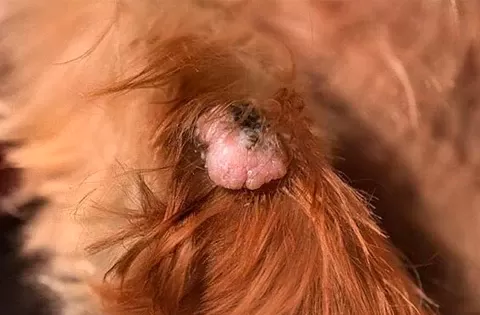
A skin tag, also called an acrochordon, is a small, soft, fleshy growth attached to the skin by a thin stalk. It often looks like a tiny flap of loose skin.
Most skin tags are the same color as the surrounding skin and feel soft to the touch. They rarely cause pain unless they get scratched, pulled, or irritated.
Common Causes of Skin Tags in Dogs
| Cause | How It Works | Common Areas Affected |
|---|---|---|
| Friction and irritation | Repeated rubbing damages the skin over time | Neck, armpits, groin |
| Pressure from hard surfaces | Constant contact with hard floors inflames skin | Elbows, chest |
| Aging | Skin loses elasticity and regenerates less efficiently | Anywhere on the body |
| Genetics | Some breeds are more prone to skin growths | Varies by breed |
| Hormonal imbalance | Conditions like hypothyroidism affect skin health | Trunk, legs |
| Collars and harnesses | Constant contact creates localized irritation | Neck, chest |
1. Chronic Friction Is the Leading Cause
Repeated rubbing is one of the most common reasons skin tags form on dogs. Skin folds rubbing together, or gear rubbing against skin, both count.
Areas like the neck, armpits, and groin see the most friction during daily movement. Over time, this constant contact irritates the skin enough to trigger a small growth.
Collars and harnesses are frequent culprits, especially if they fit too snugly. Loosening the fit slightly can sometimes reduce future irritation.
2. Pressure From Lying on Hard Surfaces
Medium and large dogs that regularly rest on concrete or hardwood floors face extra pressure on their elbows and chest. This pressure can inflame the skin over time.
Chronic pressure damage in these areas is a well-documented trigger for skin tags. A soft, padded bed can meaningfully reduce this risk.
3. Aging Plays a Major Role
Skin tags become noticeably more common as dogs get older. Aging skin loses elasticity and regenerates more slowly than it did in younger years.
Senior dogs may develop several skin tags across different parts of the body over time. This is considered a normal part of aging rather than a health concern on its own.
4. Genetics and Breed Predisposition
Certain breeds show a stronger tendency toward developing skin tags. Cocker Spaniels, Dachshunds, and Pugs are frequently mentioned in veterinary resources.
Breeds with excess skin or deep skin folds face extra friction between folds. This raises their overall risk compared to breeds with tighter, smoother skin.
Why Skin Folds Matter
Dogs with loose or wrinkled skin naturally experience more rubbing between fold surfaces. That ongoing contact makes skin tags more likely to appear in those exact spots.
5. Hormonal Imbalances Can Contribute
Conditions such as hypothyroidism or Cushing’s disease can affect skin health and growth patterns. These hormonal shifts sometimes lead to an increase in skin tags.
A dog developing multiple new skin tags fairly quickly may benefit from a hormone panel. This is especially true if other symptoms, like coat changes, appear alongside them.
Where Skin Tags Commonly Appear
Skin tags can technically form anywhere, but certain locations show up far more often than others. Recognizing these patterns helps with quick identification.
- Neck and collar contact area
- Armpits and underarms
- Groin and belly folds
- Chest and elbows
- Eyelids and around the mouth
- Between the toes
Skin Tags vs. Other Growths
Mistaking a skin tag for something more serious is a common worry among dog owners. Knowing the differences helps you decide how urgently to act.
| Growth Type | Texture | Attachment | Concern Level |
|---|---|---|---|
| Skin tag | Soft, fleshy | Thin stalk, movable | Low, benign |
| Wart (papilloma) | Rough, cauliflower-like | Fully attached | Low to moderate |
| Cyst | Firm or soft, rounded | Larger, more attached | Moderate, monitor |
| Tick | Hard, oval body | Legs may be visible | Needs removal |
| Tumor | Firm, growing steadily | Attached, expanding | Needs vet evaluation |
Quick Way to Tell a Tick From a Skin Tag
Look closely for tiny legs extending from the growth. A tick will usually have visible legs, while a skin tag will not.
If you are unsure, avoid pulling at it yourself. A quick vet check removes all doubt.
Are Skin Tags Painful for Dogs?
Skin tags are generally painless and do not bother most dogs at all. They are typically considered a cosmetic issue rather than a medical one.
Problems only tend to arise when a skin tag gets scratched, bitten, or caught on something. Irritation in these cases can lead to bleeding or infection.
Warning Signs That Need a Vet Visit
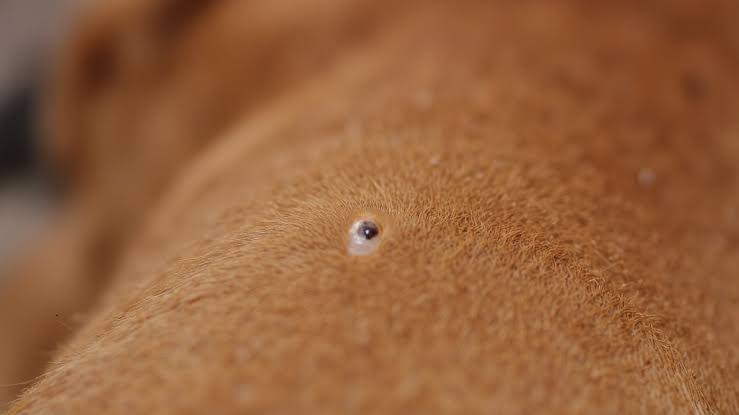
Most skin tags never require treatment. Certain changes, however, are worth a professional look.
- Rapid growth in size over a short period
- Changes in color, shape, or texture
- Bleeding, oozing, or a foul odor
- Redness, swelling, or visible pain
- Location near the eyes, mouth, or joints
- Multiple new growths appearing quickly
- Excessive licking, scratching, or biting at the area
How Skin Tags Are Diagnosed
A veterinarian typically starts with a visual and physical exam of the growth. This alone is often enough to identify a straightforward skin tag.
For growths that look unusual, a fine needle aspiration may be used to collect cells for review. If results are unclear, a full biopsy provides a definitive answer.
Treatment Options for Dog Skin Tags
Most skin tags do not need any treatment at all if they are small and not bothering the dog. Removal becomes worth considering when a tag causes ongoing irritation.
| Treatment | Pros | Cons |
|---|---|---|
| Monitoring only | No cost, no risk | Requires regular checking |
| Surgical excision | Fast, precise, often done during another procedure | Requires anesthesia |
| Cryotherapy | Minimally invasive | May need repeat sessions |
| Electrocautery | Quick, controls bleeding | Not ideal for larger tags |
A Note on Timing
Vets often remove skin tags during an already-scheduled procedure, such as a dental cleaning or spay. This avoids putting a dog under anesthesia purely for a benign growth.
Prevention Tips for Skin Tags
Skin tags cannot always be prevented, especially those linked to genetics or age. A few habits can still lower the overall risk.
- Choose a well-fitted, comfortable collar or harness
- Provide a padded bed to reduce pressure on elbows and chest
- Keep skin folds clean and dry, especially in wrinkly breeds
- Address allergies promptly to reduce licking and scratching
- Schedule regular veterinary check-ups for early detection
Expert Tip
Veterinarians commonly note that skin tags found during routine grooming or bathing are the easiest to catch early. Regular hands-on checks matter more than any single prevention step.
A quick monthly feel-over of your dog’s skin can catch new growths before they become a bigger concern.
Also Read:
- Why Self-Care Is Crucial for Living Life to the Fullest
- Why Movement Science Is Vital for Fitness Coaches
- Do STIs Affect the Vaginal Microbiome?
- Fitting Clear Aligner Treatment Into a Fourteen Month Engagement
- Consistency Does Not Mean Perfection
- Why Shame Blocks Growth
- Setting Shared Financial Goals
- How Useful Is a PMP Certification for HR Professionals?
- The Digital First Impression Houston Companies Can’t Ignore
- 4 High-Tech Home Entertainment Amenities That Bring the Country Club Home
- Quality Meets Affordability in Lab Diamond Tennis Bracelets
- Should You Buy Lab Diamond Tennis Bracelets Now?
- How to Choose the Perfect Lab Diamond Jewelry for Yourself
- The Benefits and Perils of a Last-Minute Wedding
- How to Style Designer Denim for Every Season
- Why Esthetics Offers One of the Strongest Career Growth Paths in Beauty
- Moving a Few Items? Why Small Moves Are Easy to Underestimate
- Top 6 Simple to Implement Barber Scheduling Software
- How Modern Businesses Combine Technology and Storage Solutions for Better Operations
- Driver Behavior Monitoring: What Should Fleets Actually Track?
- QR Generator AI: Creating Smarter Connections Between Print and Digital
- Protecting Digital Content from Piracy Across Multiple Platforms
- A Practical Guide to Earth Ground Resistance Testing for Electrical Safety
- Understanding Capital Allowances for Commercial Property Owners
- Why Investing in Quality Equipment Matters for Small Trade Businesses
Frequently Asked Questions (FAQs)
Why do dogs get skin tags as they age?
Aging skin loses elasticity and regenerates more slowly, which makes older dogs more prone to developing these small growths over time.
Are skin tags on dogs dangerous?
No. Skin tags are benign, non-cancerous growths that are typically harmless and mostly a cosmetic concern.
Can skin tags on dogs turn into cancer?
Skin tags themselves do not turn into cancer, but other growths can look similar. A vet exam rules out anything more serious.
Do skin tags on dogs hurt?
Skin tags are usually painless unless they get scratched, pulled, or irritated by friction, which can then cause discomfort.
What breeds are most prone to skin tags?
Breeds like Cocker Spaniels, Dachshunds, and Pugs are commonly mentioned as more prone due to genetics and skin fold structure.
Can I remove my dog’s skin tag at home?
No. Removing a skin tag at home is not recommended, since bleeding, infection, or misdiagnosis are real risks. Leave removal to a veterinarian.
Do skin tags on dogs go away on their own?
Skin tags typically do not disappear on their own and usually stay the same size unless irritated or surgically removed.
How can I tell a skin tag from a tick?
Look for visible legs extending from the growth. A tick will usually show legs, while a skin tag will not.
Why does my dog have multiple skin tags?
Multiple skin tags are often linked to aging, genetics, or ongoing friction from collars, harnesses, or skin folds rubbing together.
Can allergies cause skin tags in dogs?
Allergies do not directly cause skin tags, but the excessive licking and scratching they trigger can lead to chronic irritation that contributes to them.
Is skin tag removal painful for dogs?
Removal is done under local or general anesthesia, so dogs do not feel pain during the procedure itself. Some mild soreness can follow afterward.
How much does it cost to remove a dog’s skin tag?
Costs vary by clinic, size, and location, and removal is often bundled with another scheduled procedure to reduce anesthesia costs.
Can a collar cause skin tags on a dog’s neck?
Yes. A collar that fits too snugly can cause repeated friction, which is a well-documented trigger for skin tags in that area.
Do skin tags on dogs need a biopsy?
Not always. A biopsy is usually only needed if the growth looks unusual or a vet cannot confirm it visually or with a needle aspiration.
Are skin tags contagious between dogs?
No. Skin tags are not contagious and cannot spread to other pets or people in the household.
What is the difference between a skin tag and a wart on a dog?
Warts often have a rough, cauliflower-like texture and are caused by a virus, while skin tags are soft, smooth, and unrelated to infection.
Can hormonal problems cause skin tags in dogs?
Yes. Conditions like hypothyroidism or Cushing’s disease can affect skin health and may contribute to new skin tag growth.
Should I monitor my dog’s skin tag even if it looks harmless?
Yes. Regular monitoring for changes in size, shape, or color helps catch anything unusual early.
Do puppies get skin tags too?
Skin tags are far more common in middle-aged and senior dogs, though they can technically appear at any age.
When should I take my dog to the vet for a skin tag?
See a vet if the growth changes quickly, bleeds, becomes swollen, or is located somewhere sensitive like the eyelid or mouth.
Conclusion
Skin tags in dogs almost always trace back to friction, aging, genetics, or hormonal shifts. They are benign, common, and usually nothing to worry about.
Learning to spot the difference between a skin tag and a more serious growth gives real peace of mind. When in doubt, a quick veterinary check settles it for good.