Why Is French Toast Called French Toast? The Origin 2026

Why Is French Toast Called French Toast? French toast sits on breakfast tables across America, yet its name has puzzled food lovers for generations. The dish isn’t originally French at all.
Why Is French Toast Called French Toast?

French toast likely got its name from an Albany innkeeper named Joseph French, who advertised the dish as “French Toast” in 1724 instead of “French’s Toast.” Other theories point to old marketing tricks and confusion with the French dish pain perdu.
No single explanation is fully proven, but most food historians agree the name has more to do with branding than with actual French origin.
The Real History of French Toast
French toast is much older than its American name suggests. Recipes for bread soaked in milk and egg date back to the Roman Empire.
A 4th-century Roman cookbook by Apicius describes “aliter dulcia,” a dish of bread soaked in milk and egg, then fried and topped with honey. That’s essentially French toast, centuries before France existed as a country.
By the Middle Ages, cooks across Europe used the same method to rescue stale bread. It was practical, cheap, and easy to make with basic pantry staples.
The Joseph French Legend (America, 1724)
The most repeated story traces the name to Joseph French, an innkeeper from Albany, New York. He served the dish at his inn in 1724.
According to the legend, he meant to call it “French’s Toast,” using the possessive form of his own last name. A missing apostrophe turned it into “French Toast” instead.
This story is popular, charming, and widely repeated online. However, historians note there’s no verified written record proving Joseph French actually existed or coined the term.
Other Theories Behind the Name
Because the Joseph French story lacks solid proof, food historians have proposed a few competing explanations for the name.
The “To French” Slicing Theory
One theory connects the word “French” to an old culinary term meaning “to slice thinly.” Under this idea, “French toast” simply means sliced toast, not toast from France.
This theory is similar to explanations offered for the naming of French fries, where “French” may describe a cutting technique rather than a nationality.
The Marketing Theory
Another widely cited theory is far simpler: marketing. In earlier centuries, American diners associated French cuisine with elegance and high quality.
Labeling a humble egg-and-bread dish as “French” made it sound fancier and justified a higher price on restaurant menus. Many food historians consider this the most practical explanation.
Is French Toast Actually French?
Not really. The French themselves don’t call this dish “French toast.” They call it pain perdu, which translates to “lost bread.”
The name refers to using up old, “lost” bread that would otherwise go to waste. The core idea, rescuing stale bread with eggs and milk, is shared across many cultures worldwide.
What the French Call French Toast (Pain Perdu)
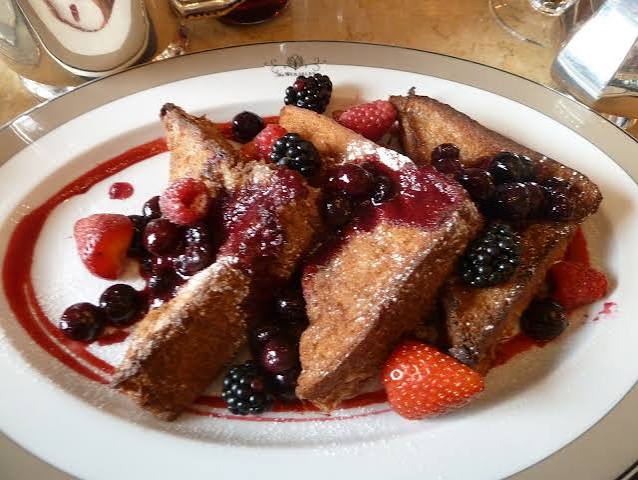
Pain perdu has a longer culinary history in France than the American version most people know today. Early versions used wine, sugar, and orange juice instead of a plain egg batter.
Over time, French cooks shifted toward a custard-like mixture of eggs, milk, and sugar. That version closely resembles the French toast served in American homes and diners today.
French Toast Around the World
Nearly every culture has its own version of egg-soaked bread. The name changes by country, but the basic technique stays the same.
| Country | Local Name | Meaning |
|---|---|---|
| France | Pain Perdu | Lost Bread |
| United Kingdom | Eggy Bread | Bread cooked in egg |
| Germany | Armer Ritter | Poor Knight |
| Spain | Torrijas | Fried sweet bread |
| Portugal | Rabanadas | Sliced bread dish |
| Hong Kong | Sai Toh | Western-style toast |
| India | Bombay Toast | Spiced egg toast |
This global spread shows the recipe was never tied to one country. It developed independently in many kitchens driven by the same goal, avoiding food waste.
How French Toast Became an American Breakfast Staple
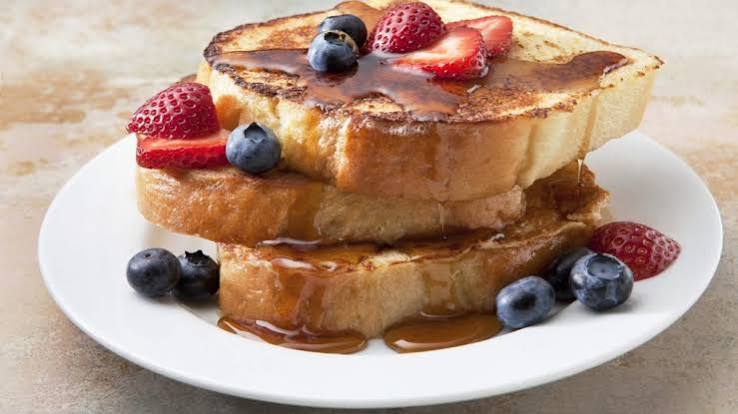
The exact phrase “French toast” first appeared in print in England in 1660, inside a cookbook called “The Accomplisht Cook.” It later showed up in “The Encyclopedia of American Food and Drink” in 1871.
French immigrants arriving in the United States are also credited with helping popularize the dish. Their presence likely reinforced the “French” label already used by American cooks and innkeepers.
By the 20th century, French toast had become a standard American breakfast item, served with butter, maple syrup, and powdered sugar.
Key Takeaways
- French toast did not originate in France.
- The earliest known recipe dates back to 4th-century Rome.
- The Joseph French legend (1724) is popular but historically unverified.
- The French call the dish pain perdu, meaning “lost bread.”
- The name may reflect a slicing technique, a marketing trick, or both.
- Nearly every culture has its own version of the same dish.
Also Read:
- Why Workstation Sinks Are Becoming A Practical Upgrade For Property Investments
- Why Shame Blocks Growth
- Setting Shared Financial Goals
- How Useful is a PMP Certification for HR Professionals?
- The Digital First Impression Houston Companies Can’t Ignore
- 4 High-Tech Home Entertainment Amenities That Bring the Country Club Home
- Quality Meets Affordability in Lab Diamond Tennis Bracelets
- Should You Buy Lab Diamond Tennis Bracelets Now?
- How to Choose the Perfect Lab Diamond Jewelry for Yourself
- Do STIs Affect the Vaginal Microbiome?
- Opportunities to Earn Real Rewards by iGaming
- The Online Slot Craze: Why Are They the Most Popular Casino Games in the World?
- Why Investing In Quality Equipment Matters For Small Trade Businesses
- Moving a Few Items? Why Small Moves Are Easy to Underestimate
- Top 6 Simple to Implement Barber Scheduling Software
- How Modern Businesses Combine Technology and Storage Solutions for Better Operations
- The Benefits and Perils of a Last-Minute Wedding
- The Democratization of Aesthetics: How Competitive Branding Redefined Global Cosmetics Markets
- Why Esthetics Offers One of the Strongest Career Growth Paths in Beauty
- How to Style Designer Denim for Every Season
- QR Generator AI: Creating Smarter Connections Between Print and Digital
- Driver Behavior Monitoring: What Should Fleets Actually Track?
- Protecting Digital Content from Piracy Across Multiple Platforms
- A Practical Guide to Earth Ground Resistance Testing for Electrical Safety
- Why Self-Care Is Crucial for Living Life to the Fullest
Frequently Asked Questions (FAQs)
Why is French toast called French toast if it’s not from France?
The name most likely comes from either an 18th-century Albany innkeeper named Joseph French or a marketing choice, since “French” made the dish sound more elegant. It has no confirmed link to actual French origin.
Who invented French toast?
No single person invented it. The earliest known recipe appears in a 4th-century Roman cookbook, long before France existed as a nation.
What do the French call French toast?
The French call it pain perdu, meaning “lost bread.” The name reflects its original purpose of using up stale, “lost” bread.
Is the Joseph French story true?
It’s a popular legend, but there’s no solid historical record confirming Joseph French existed or actually coined the name in 1724.
When did the term “French toast” first appear in print?
The phrase appeared in an English cookbook called “The Accomplisht Cook” in 1660, and later in “The Encyclopedia of American Food and Drink” in 1871.
Did the ancient Romans really eat French toast?
Yes. A Roman cookbook by Apicius describes a dish called “aliter dulcia,” made from bread soaked in milk and egg, then fried, closely matching modern French toast.
Why do some countries call it “lost bread”?
Because the dish was created to rescue stale, otherwise wasted bread by soaking it in eggs and milk before frying it.
Is French toast a French dish or an American dish?
The cooking technique has roots across Europe and even ancient Rome, while the specific name “French toast” became common in England and later the United States.
What is the “to French” theory about the name?
Some historians believe “French” once referred to a slicing technique, meaning the name simply describes thinly sliced toast rather than a nationality.
How did French immigrants influence the name?
French immigrants who settled in America are believed to have helped popularize the dish, reinforcing the existing “French” label already used by local cooks.
What is French toast called in the UK?
In the United Kingdom, a savory version is often called “eggy bread,” especially when served with bacon or sausage instead of syrup.
What is French toast called in Germany?
In Germany, the dish is known as “Armer Ritter,” which translates to “poor knight.”
What is French toast called in Spain?
In Spain, a similar dessert-style version is called “torrijas,” often made with sweetened milk instead of plain milk.
Why was French toast originally made with stale bread?
Stale bread was firmer and absorbed the egg and milk mixture better without falling apart, making it ideal for this cooking method.
Is French toast healthy?
French toast provides protein from eggs and milk along with carbohydrates from bread. Its overall healthiness depends on toppings like syrup, sugar, or butter.
What ingredients are traditionally used in French toast?
Traditional French toast uses bread, eggs, milk, and sometimes sugar or cinnamon, fried until golden brown on both sides.
Why do Americans associate French toast with breakfast?
By the 20th century, French toast became a common American breakfast dish, typically served with maple syrup, butter, and powdered sugar.
Does the name “French toast” appear in old English cookbooks?
Yes. It appears as early as 1660 in “The Accomplisht Cook,” though that recipe used wine and orange juice rather than the egg-based version common today.
Is pain perdu the same as French toast?
Pain perdu and French toast use the same core technique, soaking bread in an egg and milk mixture before frying, though ingredients can vary slightly by recipe.
Why does the name matter for food history?
The naming debate shows how food names often reflect marketing, culture, and language history rather than an ingredient’s actual country of origin.
Conclusion
French toast carries a French name, but its roots trace back to ancient Rome and spread independently across many cultures. The Joseph French legend remains the most popular explanation, even though it’s never been fully verified by historians.
Whether the name came from a missing apostrophe, a slicing term, or simple marketing, one thing is clear: French toast earned its place on breakfast tables worldwide long before anyone agreed on what to call it.