Why Does My Floss Smell Like Poop? Causes & Fixes 2026

Why Does My Floss Smell Like Poop? That foul, fecal-like smell on your floss can be alarming the first time you notice it. It’s more common than most people realize, and there’s a clear scientific reason behind it.
Why Does My Floss Smell Like Poop?
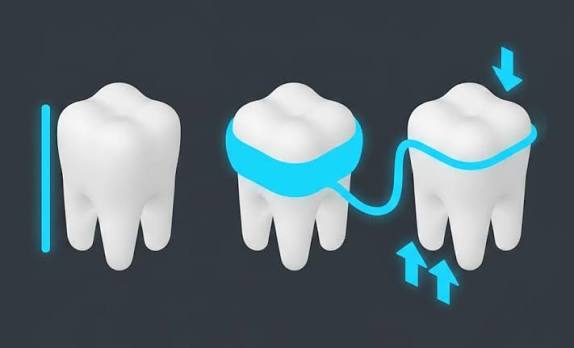
Floss usually smells like poop because of volatile sulfur compounds (VSCs) released by anaerobic bacteria as they break down trapped food and plaque between your teeth. These are the same type of gases found in feces, which is why the smell feels so similar.
A mild odor is often just a sign flossing is doing its job. A strong, persistent smell can point to gum disease, tooth decay, or another dental issue.
What Causes the Poop-Like Smell on Floss
The main culprit is bacteria feeding on trapped debris in spaces your toothbrush can’t reach. As bacteria break down that debris, they release gases with a rotten, sulfuric odor.
Volatile Sulfur Compounds (VSCs)
VSCs like hydrogen sulfide and methyl mercaptan are byproducts of bacterial decay. These same compounds are found in rotten eggs and human waste, which explains the unpleasant similarity in smell.
Anaerobic bacteria thrive in low-oxygen areas below the gumline. Flossing disturbs these bacteria and releases the trapped gas directly onto the floss.
Trapped Food Particles
Small bits of food, especially meat, dairy, or sugary snacks, can lodge between teeth for hours or even days. As they decompose, they produce a strong, unpleasant smell.
This is more common in tight gaps between teeth where a toothbrush simply can’t reach.
Plaque and Bacterial Buildup
Plaque is a sticky bacterial film that constantly forms on teeth. When it isn’t removed through regular brushing and flossing, it hardens and traps more bacteria over time.
The longer plaque sits untouched, the stronger the odor tends to be once it’s disturbed by floss.
Is a Smelly Floss Normal?
Yes, in most cases. A mild odor after flossing is common and usually means your floss is successfully removing bacteria and debris your toothbrush missed.
However, a very strong or constant smell, especially from the same spot every time, is worth paying attention to. That pattern often points to an underlying issue rather than everyday buildup.
When Floss Odor Signals a Dental Problem
Not all floss smells are equal. Some patterns are more likely tied to gum disease, cavities, or other oral health issues.
| Symptom Pattern | Likely Cause | Action Needed |
|---|---|---|
| Mild smell, occasional | Normal food debris | Continue regular flossing |
| Strong smell, same tooth every time | Possible cavity | See a dentist |
| Smell with bleeding gums | Gum disease (gingivitis) | Schedule a dental checkup |
| Smell with gum swelling or pain | Periodontal disease | Seek dental care promptly |
| Smell despite good hygiene | Dry mouth or other condition | Consult a dentist |
Gum Disease
Gum disease, also called periodontal disease, is one of the most common causes of persistent floss odor. Bacteria collect below the gumline and release higher concentrations of VSCs.
Bleeding, redness, or swelling alongside the smell are strong signs gum disease may be present.
Tooth Decay or Cavities
Cavities trap bacteria and decaying food inside the tooth structure itself. If the same spot smells bad every time you floss, a hidden cavity could be the reason.
Dry Mouth
Saliva helps wash away bacteria and food particles naturally. When your mouth is dry, from dehydration, medication, or breathing through your mouth, bacteria multiply faster and odors intensify.
How to Get Rid of Floss Odor
Most causes of smelly floss can be improved with better daily habits. Consistency matters more than intensity here.
- Floss at least once daily using a fresh section for each tooth.
- Brush twice a day, including gentle brushing along the gumline.
- Use an antibacterial mouthwash to reduce odor-causing bacteria.
- Clean your tongue with a scraper or toothbrush, since bacteria collect there too.
- Stay hydrated to keep saliva production normal.
- Try a water flosser if traditional floss feels uncomfortable or ineffective.
Best Practices for Effective Flossing
Technique matters as much as frequency. Poor flossing habits can leave debris behind even if you floss daily.
- Use about 18 inches of floss, winding most of it around your middle fingers.
- Curve the floss into a C-shape against each tooth.
- Gently guide the floss just below the gumline without snapping it in.
- Use a clean section of floss for every new tooth to avoid spreading bacteria.
Mistakes to Avoid
- Reusing the same section of floss on multiple teeth.
- Flossing too aggressively, which can irritate or cut the gums.
- Skipping flossing because gums bleed, instead of addressing the cause.
- Relying only on mouthwash to mask odor instead of removing the source.
When to See a Dentist
A dentist visit is a good idea if the smell persists despite consistent, proper flossing. Persistent odor combined with bleeding, swelling, or pain is not something to ignore.
Professional cleanings can remove hardened plaque that home flossing can’t fully address. A dentist can also check for cavities or early gum disease before it worsens.
Key Takeaways
- A poop-like floss smell comes from volatile sulfur compounds released by bacteria.
- Mild odor is normal and often means flossing is working correctly.
- Strong or persistent odor can signal gum disease, cavities, or dry mouth.
- Consistent flossing, brushing, and tongue cleaning reduce most odor issues.
- Ongoing symptoms deserve a dental checkup rather than home remedies alone.
Also Read:
- Why Workstation Sinks Are Becoming A Practical Upgrade For Property Investments
- Why Shame Blocks Growth
- Setting Shared Financial Goals
- How Useful is a PMP Certification for HR Professionals?
- The Digital First Impression Houston Companies Can’t Ignore
- 4 High-Tech Home Entertainment Amenities That Bring the Country Club Home
- Quality Meets Affordability in Lab Diamond Tennis Bracelets
- Should You Buy Lab Diamond Tennis Bracelets Now?
- How to Choose the Perfect Lab Diamond Jewelry for Yourself
- Do STIs Affect the Vaginal Microbiome?
- Fitting Clear Aligner Treatment Into A Fourteen Month Engagement
- Why Self-Care Is Crucial for Living Life to the Fullest
- Why Movement Science Is Vital for Fitness Coaches
- Why Investing In Quality Equipment Matters For Small Trade Businesses
- Moving a Few Items? Why Small Moves Are Easy to Underestimate
- Top 6 Simple to Implement Barber Scheduling Software
- How Modern Businesses Combine Technology and Storage Solutions for Better Operations
- The Benefits and Perils of a Last-Minute Wedding
- The Democratization of Aesthetics: How Competitive Branding Redefined Global Cosmetics Markets
- Why Esthetics Offers One of the Strongest Career Growth Paths in Beauty
- How to Style Designer Denim for Every Season
- QR Generator AI: Creating Smarter Connections Between Print and Digital
- Driver Behavior Monitoring: What Should Fleets Actually Track?
- Protecting Digital Content from Piracy Across Multiple Platforms
- A Practical Guide to Earth Ground Resistance Testing for Electrical Safety
Frequently Asked Questions (FAQs)
Why does my floss smell like poop even though I floss every day?
Daily flossing removes surface debris, but bacteria can still build up below the gumline or in tight spaces. If the smell persists daily, gum disease or a hidden cavity may be the cause.
Is it normal for floss to smell bad?
Yes, a mild odor after flossing is normal. It usually means the floss is removing trapped bacteria and food particles your toothbrush can’t reach.
What causes the specific poop-like smell on floss?
Volatile sulfur compounds released by anaerobic bacteria create the smell. These are the same gases responsible for the odor in feces and rotten eggs.
Can gum disease cause smelly floss?
Yes. Gum disease allows bacteria to build up below the gumline, releasing higher levels of odor-causing sulfur compounds when disturbed by flossing.
Does a smelly floss mean I have a cavity?
Not always, but if the same tooth smells bad every time you floss, it’s worth having a dentist check for a hidden cavity.
Why does the smell get worse in certain teeth only?
Localized odor usually means bacteria or food debris is concentrated in one specific area, often due to a tight gap, cavity, or early gum disease in that spot.
Can dry mouth cause floss to smell?
Yes. Reduced saliva flow allows bacteria to multiply faster, which can intensify odor when flossing.
How can I stop my floss from smelling bad?
Floss daily with proper technique, brush thoroughly, clean your tongue, stay hydrated, and use an antibacterial mouthwash to reduce bacteria buildup.
Should I stop flossing if it smells bad?
No. Stopping flossing allows more bacteria and debris to build up, which can make the odor and any underlying issue worse over time.
Is floss odor connected to bad breath?
Yes, floss odor and bad breath often share the same cause: bacteria producing volatile sulfur compounds in your mouth.
Can certain foods make floss smell worse?
Yes. Protein-rich foods and sugary snacks tend to leave behind more residue for bacteria to break down, intensifying odor.
How often should I floss to prevent odor buildup?
Dentists generally recommend flossing once daily to prevent plaque and food buildup that leads to odor over time.
Does floss type affect the smell?
The floss material itself doesn’t cause the smell. The odor comes from what the floss removes, not the floss itself.
Can a water flosser help reduce the smell?
Yes, water flossers can effectively remove debris and bacteria, especially for people who find traditional floss uncomfortable or less effective.
When should I see a dentist about floss odor?
See a dentist if the smell is strong, persistent, localized to one tooth, or accompanied by bleeding, swelling, or pain.
Can mouthwash alone fix smelly floss?
Mouthwash can reduce bacteria temporarily, but it won’t remove the underlying trapped debris. Flossing and brushing are still necessary.
Is smelly floss a sign of poor oral hygiene?
Not always. It can happen even with good hygiene if bacteria are trapped in hard-to-reach areas, though frequent strong odor often points to hygiene gaps.
Can children’s floss smell like poop too?
Yes, the same bacterial process applies to anyone, including children, especially if food particles are left between teeth for extended periods.
Does smoking make floss odor worse?
Smoking can reduce saliva flow and contribute to bacterial buildup, which may intensify odor during flossing.
What’s the difference between normal floss smell and a warning sign?
Normal smell is mild and inconsistent. A warning sign is a strong, persistent, or localized odor that continues despite regular, proper flossing.
Conclusion
A poop-like smell on your floss is usually just a sign that it’s doing its job, removing bacteria and food particles hiding between your teeth. The odor comes from volatile sulfur compounds, the same type of gases responsible for smells in feces and rotten eggs.
Mild, occasional odor is nothing to worry about with consistent care. But if the smell is strong, persistent, or tied to bleeding and swelling, it’s worth scheduling a dental checkup to rule out gum disease or a hidden cavity.