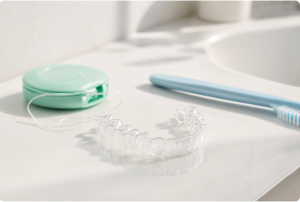
Why Does My Gum Hurt in One Spot in the Back? Causes 2026
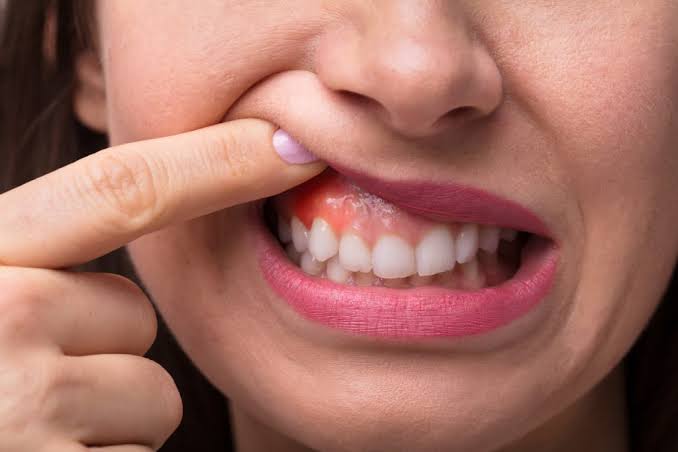
Why Does My Gum Hurt in One Spot in the Back? Localized gum pain in the back of your mouth can be confusing, especially when the rest of your gums feel fine. That focused discomfort is your body pointing directly at the source of the problem.
Why Does My Gum Hurt in One Spot in the Back?
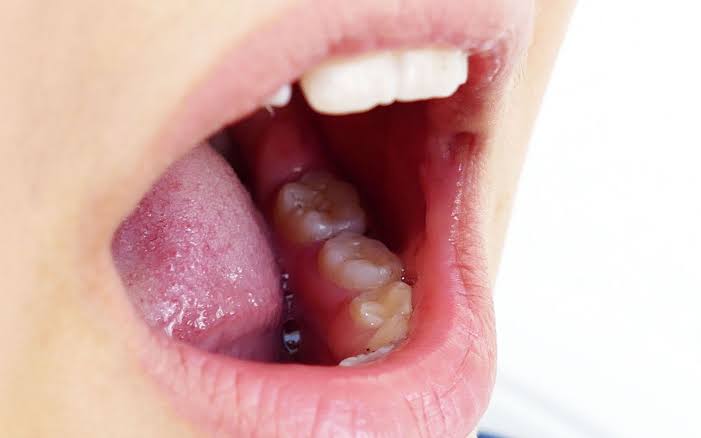
Gum pain in one spot at the back of your mouth is often caused by a wisdom tooth coming in, trapped food debris, gum disease, or a dental abscess. The back of the mouth is harder to clean, which makes bacteria buildup and irritation more likely in that area.
Pain that lasts more than 48 hours, or comes with swelling, pus, or a bad taste, usually points to an infection that needs professional treatment.
Why Localized Gum Pain Is Different From General Soreness
Pain in one specific spot signals a targeted issue rather than an overall gum problem. This distinction matters because it usually points to a clear, identifiable cause.
Unlike widespread gum soreness, localized pain often responds to a specific fix once the exact cause is found. That’s why pinpointing the cause matters more than treating the general area.
Common Causes of Gum Pain in One Spot in the Back
Several conditions can cause pain to concentrate in a single area near your back teeth. Some are minor, while others need prompt dental care.
| Cause | Typical Age or Trigger | Needs Dental Visit? |
|---|---|---|
| Wisdom teeth eruption | Late teens to early 20s | Often yes |
| Trapped food debris | Any age, after eating | Usually resolves at home |
| Gingivitis | Poor oral hygiene | Yes, if persistent |
| Dental abscess | Untreated infection | Yes, urgently |
| Canker sore | Any age, spicy/acidic foods | Usually resolves on its own |
| Gum recession | Aggressive brushing, genetics | Yes |
| Ill-fitting dental appliance | Braces, night guards, dentures | Yes |
Wisdom Teeth Eruption
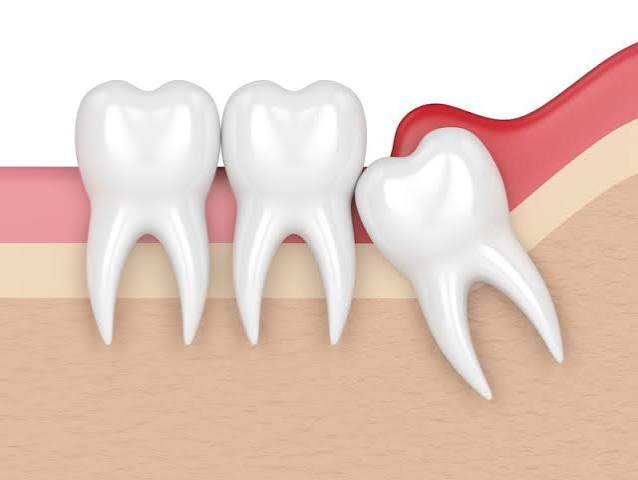
Wisdom teeth, or third molars, commonly cause localized pain when they begin breaking through the gum. This typically happens in the late teens or early twenties and often affects one side more than the other.
Trapped Food Particles
Small pieces of food, popcorn kernels, or seeds can lodge between teeth or under the gumline. Left unnoticed, this debris irritates the gum tissue and causes localized soreness or swelling.
Gingivitis and Gum Disease
Gingivitis is an early stage of gum disease caused by plaque buildup along the gumline. It can cause redness, swelling, and tenderness that’s sometimes more noticeable in hard-to-clean back areas.
Dental Abscess
A dental abscess is a localized infection caused by bacteria beneath the gumline. It often produces sharp or throbbing pain in one exact spot, sometimes with a visible bump or pus drainage.
Canker Sores
Canker sores are small, shallow ulcers that can develop on gum tissue. They typically cause sharp, localized pain that worsens with spicy or acidic food but usually heals within one to two weeks.
Gum Recession
When gums pull back from the teeth, whether from aggressive brushing or genetics, it exposes the sensitive root surface underneath. This exposure can cause pain and sensitivity concentrated in that specific spot.
Dental Appliance Irritation
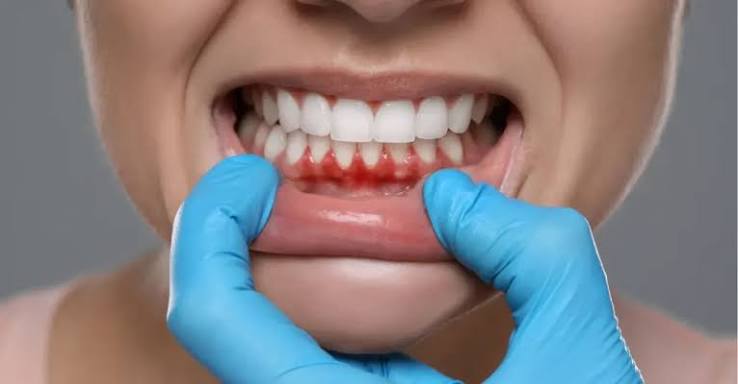
Braces, retainers, or night guards that don’t fit properly can rub against gum tissue. Over time, this friction leads to soreness focused exactly where the appliance makes contact.
Signs Your Gum Pain May Be an Infection
Certain symptoms suggest something more serious than everyday irritation. Recognizing these signs early helps prevent the infection from spreading.
- Swelling concentrated around one tooth.
- Throbbing pain that doesn’t ease with over-the-counter pain relief.
- A bad or metallic taste in your mouth.
- Visible pus or a small bump near the sore area.
- Fever alongside gum discomfort.
If you notice these symptoms, it’s important to see a dentist promptly, since dental infections can spread beyond the mouth if left untreated.
How to Relieve Gum Pain at Home
Many mild cases of localized gum pain improve with simple home care, especially when caused by trapped food or minor irritation.
- Rinse gently with warm salt water two to three times a day.
- Floss carefully around the sore area to remove trapped debris.
- Switch to a soft-bristled toothbrush if the pain follows aggressive brushing.
- Avoid spicy, acidic, or crunchy foods until the area feels better.
- Use an over-the-counter pain reliever if needed for comfort.
Mistakes to Avoid
- Using sharp objects to dig out trapped food, which can injure the gum further.
- Ignoring pain that lasts beyond 48 hours, hoping it resolves on its own.
- Continuing to brush aggressively in the painful area.
- Skipping a dental visit when swelling, pus, or fever is present.
When to See a Dentist
Home care works well for minor, short-term irritation, but certain situations call for professional evaluation. Waiting too long can allow infections to worsen.
- Pain lasting longer than 48 hours without improvement.
- Swelling, pus, or a bad taste in the affected area.
- Pain linked to a partially erupted wisdom tooth.
- Recurring soreness in the same spot over time.
- Discomfort caused by a dental appliance that doesn’t fit properly.
A dentist can use an exam or X-ray to identify the exact cause and recommend the right treatment, whether that’s a simple cleaning, an abscess drainage, or wisdom tooth evaluation.
Key Takeaways
- Localized back-of-mouth gum pain often points to a specific, identifiable cause.
- Common triggers include wisdom teeth, trapped food, gingivitis, and abscesses.
- Mild cases often improve with salt water rinses and gentle care.
- Swelling, pus, fever, or pain lasting over 48 hours needs a dental evaluation.
- Regular dental checkups help catch and treat issues before they worsen.
Also Read:
- Why Workstation Sinks Are Becoming A Practical Upgrade For Property Investments
- Why Shame Blocks Growth
- Setting Shared Financial Goals
- How Useful is a PMP Certification for HR Professionals?
- The Digital First Impression Houston Companies Can’t Ignore
- 4 High-Tech Home Entertainment Amenities That Bring the Country Club Home
- Quality Meets Affordability in Lab Diamond Tennis Bracelets
- Should You Buy Lab Diamond Tennis Bracelets Now?
- How to Choose the Perfect Lab Diamond Jewelry for Yourself
- Do STIs Affect the Vaginal Microbiome?
- Fitting Clear Aligner Treatment Into A Fourteen Month Engagement
- Why Self-Care Is Crucial for Living Life to the Fullest
- Why Movement Science Is Vital for Fitness Coaches
- Why Investing In Quality Equipment Matters For Small Trade Businesses
- Moving a Few Items? Why Small Moves Are Easy to Underestimate
- Top 6 Simple to Implement Barber Scheduling Software
- How Modern Businesses Combine Technology and Storage Solutions for Better Operations
- The Benefits and Perils of a Last-Minute Wedding
- The Democratization of Aesthetics: How Competitive Branding Redefined Global Cosmetics Markets
- Why Esthetics Offers One of the Strongest Career Growth Paths in Beauty
- How to Style Designer Denim for Every Season
- QR Generator AI: Creating Smarter Connections Between Print and Digital
- Driver Behavior Monitoring: What Should Fleets Actually Track?
- Protecting Digital Content from Piracy Across Multiple Platforms
- A Practical Guide to Earth Ground Resistance Testing for Electrical Safety
Frequently Asked Questions (FAQs)
Why does my gum hurt in one spot but not bleed?
Non-bleeding localized pain is often caused by trapped food, a canker sore, or early irritation rather than active gum disease, which more commonly causes bleeding.
Can a wisdom tooth cause pain in only one spot?
Yes. Wisdom teeth often erupt unevenly, so pain frequently concentrates on one side of the mouth before the other.
How long should I wait before seeing a dentist for gum pain?
If pain lasts more than 48 hours, or comes with swelling or pus, it’s best to schedule a dental visit rather than waiting longer.
Is it normal for gums to hurt after flossing near the back teeth?
Mild, brief soreness can happen if you’re flossing a new or irritated area, but ongoing pain after flossing may signal debris or gum recession.
Can stress cause gum pain in one spot?
Stress can contribute to teeth grinding or canker sores, both of which may cause localized gum discomfort.
What does a dental abscess feel like?
A dental abscess typically causes throbbing, persistent pain in one spot, often with swelling, a bump, or a bad taste in the mouth.
Can a canker sore cause pain only in the back of the mouth?
Yes. Canker sores can develop anywhere on the gums, including hard-to-see areas at the back of the mouth.
Should I use a toothpick to remove trapped food causing gum pain?
No. Toothpicks can injure the gum tissue further; gentle flossing and a saltwater rinse are safer options.
Can braces or a night guard cause pain in one gum spot?
Yes. Ill-fitting dental appliances can rub against gum tissue and cause consistent, localized soreness at the contact point.
Is gum pain in one spot always a sign of infection?
No. Many cases are caused by minor issues like trapped food or a canker sore, though persistent or worsening pain should be checked.
Can gum recession cause pain only in the back teeth?
Yes. Gum recession can occur unevenly, so exposed roots and related pain may be more noticeable in specific areas, including the back teeth.
What home remedies help with localized gum pain?
Warm salt water rinses, gentle flossing, and switching to a soft-bristled toothbrush are common first steps for mild gum pain.
How do dentists diagnose the cause of localized gum pain?
Dentists typically perform a visual exam and may use X-rays to check for wisdom teeth issues, abscesses, or bone-level problems.
Can poor oral hygiene cause pain in just one spot?
Yes. Plaque tends to build up unevenly, especially in hard-to-reach back areas, which can lead to localized gingivitis and soreness.
Is swelling always present with gum pain in one spot?
No. Some causes, like canker sores or mild irritation, may not cause visible swelling at all.
Can eating hard or crunchy foods cause gum pain in the back?
Yes. Hard foods can scrape or bruise gum tissue, especially in the back where visibility and control are more limited.
How is a dental abscess treated?
Treatment usually involves draining the infection, and may include antibiotics or a root canal depending on severity.
Can gum pain in the back indicate a cavity nearby?
Yes. Nearby tooth decay can sometimes cause referred pain or inflammation in the surrounding gum tissue.
Does age affect the likely cause of back gum pain?
Yes. Younger adults are more likely to experience wisdom tooth-related pain, while gum recession becomes more common with age.
When is gum pain considered a dental emergency?
Severe swelling, fever, difficulty swallowing, or spreading pain alongside gum discomfort should be treated as a dental emergency.
Conclusion
Gum pain concentrated in one spot at the back of your mouth almost always has a specific, identifiable cause, from a trapped piece of food to an erupting wisdom tooth or early infection. Paying attention to how long the pain lasts and whether swelling or pus appears can help you decide how urgently you need care.
Mild cases often settle with gentle home care like salt water rinses and careful flossing. But persistent, worsening, or infection-like symptoms deserve a prompt dental visit to protect your oral health before the problem spreads.