Why Do My Earrings Smell? Bacteria Explained 2026
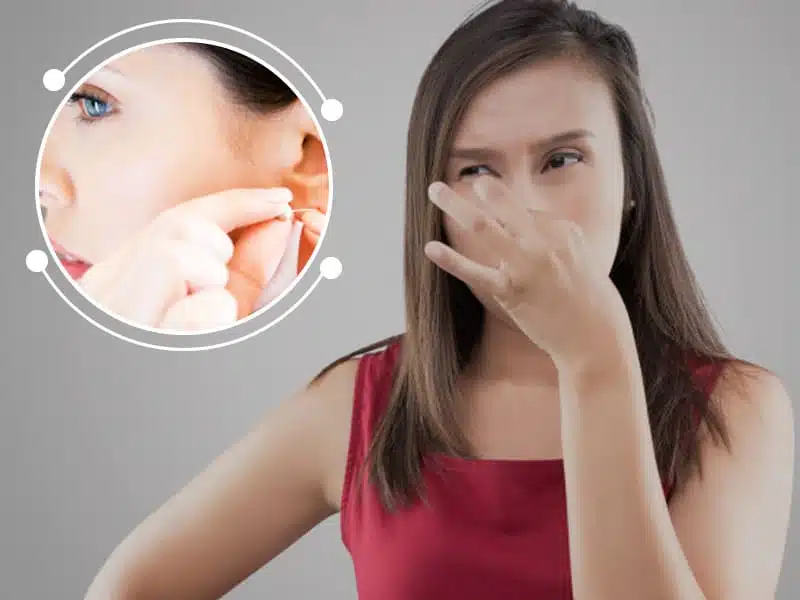
Why do my earrings smell, even when you feel like you’re keeping up with basic hygiene? The short answer is bacteria, combined with natural oils, sweat, and dead skin cells that build up around the piercing area.
This mix, often nicknamed “ear cheese,” thrives in the low-airflow space behind an earring back. It’s an extremely common issue and doesn’t mean you’re doing anything wrong.
Is It Normal for Earrings to Smell?
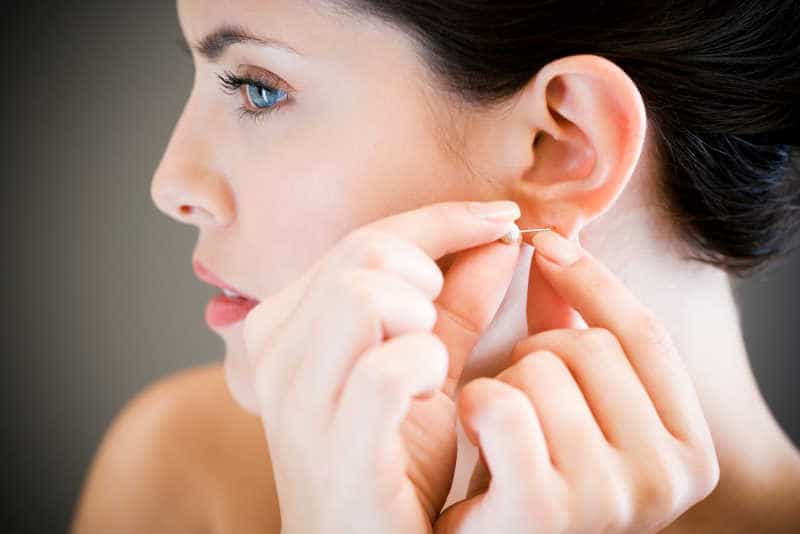
Yes, some odor around pierced ears is completely normal and very common.
Your skin constantly produces oils and sheds dead cells, and earrings trap that process in one small spot.
Occasional smell doesn’t mean poor hygiene or an infection on its own.
Quick Overview Table: Main Causes of Earring Odor
| Cause | What’s Happening | How Common |
|---|---|---|
| Sebum (skin oil) | Natural oil glands produce buildup around the post | Very common |
| Dead skin cells | Skin doesn’t shed as easily under earring backs | Very common |
| Bacteria | Bacteria feed on trapped oil and skin cells | Very common |
| Sweat and moisture | Creates a damp environment that supports bacteria | Common |
| Earring material | Certain metals react with skin, worsening odor | Moderate |
| Infrequent cleaning | Buildup accumulates over days or weeks | Common |
| Infection | Bacterial overgrowth beyond normal buildup | Less common |
The Science Behind “Ear Cheese”
What Ear Cheese Actually Is
Ear cheese is the informal name for the buildup that forms around earring posts and backs.
It’s made up of sebum, sweat, dead skin cells, and bacteria trapped together.
Similar buildup happens elsewhere on the body, but earrings trap it in one concentrated spot.
Why This Spot Is Different From the Rest of Your Skin
Earring backs cover the piercing area even while showering, blocking regular washing.
This creates a low-airflow pocket where oils and skin cells can’t easily wash away.
Over time, that trapped material breaks down and produces a noticeable odor.
The Bacteria Connection
Bacteria naturally living on your skin feed on the oils and dead cells trapped near the piercing.
As bacteria multiply, they release byproducts that create the classic “cheesy” smell.
This is a natural biological process, not a sign of uncleanliness.
Why Fresh Piercings Often Smell More
New piercings are still healing, which means more discharge and cell turnover than usual.
This healing process can temporarily increase odor until the piercing fully closes and stabilizes.
Following proper aftercare during this period helps reduce excess buildup.
Table: Normal Buildup vs Possible Infection
| Feature | Normal Buildup | Possible Infection |
|---|---|---|
| Smell | Mild, waxy odor | Strong, foul, or sweet-sick smell |
| Discharge | Off-white, minimal | Yellow, green, or bloody |
| Redness | None or very mild | Persistent or spreading |
| Pain | Little to none | Increasing or throbbing |
| Swelling | Minimal | Noticeable and growing |
Does Earring Material Affect the Smell?
Metals That Tend to Worsen Odor
Nickel, brass, and low-quality mixed metals can react with skin and increase irritation.
This irritation often leads to more oil production, which feeds bacteria growth.
Plastic earrings can also trap moisture, making the smell worse over time.
Metals That Tend to Reduce Odor
Titanium, surgical steel, and solid gold are considered more hypoallergenic and skin-friendly.
These materials resist corrosion and are less likely to react with natural skin oils.
Switching to these materials often reduces both irritation and odor over time.
Table: Earring Materials and Odor Risk
| Material | Odor Risk Level | Notes |
|---|---|---|
| Nickel or brass | High | Common allergy trigger, worsens odor |
| Plastic | High | Traps moisture and bacteria easily |
| Gold-plated | Moderate | Can wear down and expose base metal |
| Surgical steel | Low | Hypoallergenic, resists buildup |
| Titanium | Low | Highly hypoallergenic, low reactivity |
| Solid gold | Low | Resists tarnish and corrosion |
Does Sweat Make Earring Smell Worse?
Yes, moisture from sweat creates an ideal environment for bacteria to multiply.
Exercise, hot weather, or humid conditions can all intensify the odor.
Drying your ears and earrings thoroughly after sweating helps reduce this effect.
Does Sleeping in Earrings Cause More Odor?
Sleeping in earrings can trap sweat and oils against the skin for extended hours.
Side sleeping in particular compresses the lobe and reduces airflow around the piercing.
If your piercing is fully healed, removing earrings at night can help reduce buildup.
Can Hair Products Contribute to Earring Smell?
Yes, oils, silicones, and fragrances in hair products can transfer onto your earlobes.
This residue mixes with natural oils and sweat, intensifying the odor over time.
Rinsing your ears after using heavy styling products can help minimize this effect.
Do Clip-On Earrings Smell Too?
Yes, clip-on earrings can develop similar odors from oils, sweat, and bacteria on the pads.
Since there’s no piercing involved, the smell comes purely from skin contact and moisture.
Regularly cleaning the pads and hinges helps prevent this buildup.
How to Clean Smelly Earrings Properly
Remove your earrings before cleaning to access all surfaces thoroughly.
Wash them with mild soap and warm water, focusing on any small crevices.
Wipe metal earrings with 70 percent isopropyl alcohol to help disinfect and remove residue.
Dry earrings completely before wearing them again to prevent trapped moisture.
How to Clean the Piercing Itself
Use a sterile saline solution to clean the piercing area, especially if it’s still healing.
Avoid using alcohol or hydrogen peroxide directly on the skin, as it can be too harsh.
Gently pat the area dry after cleaning rather than rubbing it.
Table: Cleaning Dos and Don’ts
| Do | Don’t |
|---|---|
| Use mild soap for earrings | Use harsh chemicals on jewelry |
| Use saline for the piercing | Use alcohol directly on skin |
| Dry earrings fully before wearing | Store earrings while still damp |
| Clean weekly with daily wear | Ignore ongoing odor for weeks |
How Often Should You Clean Your Earrings?
If you wear earrings daily, aim to clean them at least once a week.
New piercings should be cleaned daily until fully healed, following your piercer’s guidance.
Consistent cleaning prevents buildup from accumulating to the point of strong odor.
Should You Remove Earrings to Let Ears Breathe?
Yes, giving healed piercings a break allows airflow and reduces trapped moisture.
Removing earrings for a few hours or overnight can noticeably reduce odor over time.
Fresh piercings should stay in as directed to avoid the hole closing prematurely.
When Earring Smell Might Signal an Infection
Persistent odor paired with redness, swelling, or pain is a sign to pay closer attention.
Yellow, green, or bloody discharge suggests something beyond normal buildup.
Fever, chills, or spreading redness are red flags that need prompt medical attention.
Table: When to See a Doctor or Piercer
| Symptom | Action Needed |
|---|---|
| Mild smell only | Continue regular cleaning |
| Smell with redness | Monitor closely, clean more often |
| Smell with swelling and pain | See a doctor or professional piercer |
| Discharge (yellow, green, bloody) | Seek medical care promptly |
| Fever or spreading redness | Seek urgent medical attention |
Preventing Earring Odor Long Term

Choose hypoallergenic materials like titanium, surgical steel, or solid gold.
Clean both your earrings and piercing area on a consistent schedule.
Avoid over-tightening earring backs, since this restricts airflow and traps moisture.
Store earrings in a clean, dry place rather than a humid bathroom drawer.
Should You Remove Earrings Before Showering or Swimming?
Yes, water combined with oils and sweat can intensify bacterial buildup.
Chlorine and saltwater can also irritate the piercing and worsen odor over time.
Removing earrings before water exposure helps keep both jewelry and skin cleaner.
Frequently Asked Questions (FAQs)
Why do my earrings smell even when I clean them?
Buildup can still occur between cleanings due to sweat, oils, and bacteria.
Is smelly earrings a sign of infection?
Not always. Infection usually comes with redness, swelling, pain, or discharge too.
Can certain metals make earring smell worse?
Yes, nickel, brass, and plastic tend to trap bacteria more than hypoallergenic metals.
How often should I clean my earrings to prevent odor?
Clean them at least once a week if you wear them daily.
Does sleeping in earrings make the smell worse?
Yes, it traps sweat and oils longer, especially with side sleeping.
Can hair products affect earring smell?
Yes, oils and fragrances from hair products can transfer and worsen odor.
Do clip-on earrings develop odor too?
Yes, oils and sweat build up on the pads and hinges just like piercings.
Should I take my earrings out before showering?
Yes, water combined with oils and sweat can increase buildup and irritation.
What’s the safest way to clean the piercing itself?
Use sterile saline solution rather than alcohol or peroxide directly on the skin.
When should I see a doctor about earring odor?
See a doctor if you notice swelling, pain, discharge, or symptoms that don’t improve.
Conclusion
Smelly earrings almost always come down to a natural mix of skin oils, sweat, dead skin cells, and bacteria trapped around the piercing, often nicknamed “ear cheese.”
This is a normal biological process rather than a hygiene failure, and it affects nearly everyone with pierced ears at some point. Choosing hypoallergenic materials like titanium or surgical steel, cleaning both your earrings and piercing regularly, and letting your ears breathe can significantly reduce the odor.
The key distinction to watch for is normal mild buildup versus signs of infection, such as redness, swelling, pain, or unusual discharge. With a simple, consistent care routine, most people can keep earring odor under control without much effort at all.