Why Does My Mouth Taste Like Soap? Reasons & Fixes 2026
Why Does My Mouth Taste Like Soap? A soapy taste in your mouth is usually caused by something simple, like leftover dish soap residue, certain genetics, or poor oral hygiene. In rarer cases, it can point to medication side effects, acid reflux, an infection, or fluoride overexposure.
Most cases clear up quickly and aren’t a sign of anything serious. Still, understanding the cause helps you know whether it’s worth a quick fix or a call to your doctor.
Most Common Causes of a Soapy Taste
A soapy taste in the mouth can come from external sources, internal health conditions, or genetics. The most frequent causes include:
- Soap residue left on dishes, utensils, or straws
- A genetic sensitivity to certain foods like cilantro
- Poor oral hygiene or plaque buildup
- Certain medications and dietary supplements
- Dry mouth or reduced saliva production
- Acid reflux (GERD)
- Sinus infections or postnasal drip
- Fluoride overexposure
Is a Soapy Taste in the Mouth Normal?
Yes, an occasional soapy taste is usually harmless and temporary. It often disappears once you rinse your mouth or the underlying trigger passes.
A soapy taste that lingers for days or keeps returning is different. That pattern deserves more attention, especially if other symptoms show up alongside it.
Common Causes of a Soapy Taste in the Mouth
Leftover Soap Residue
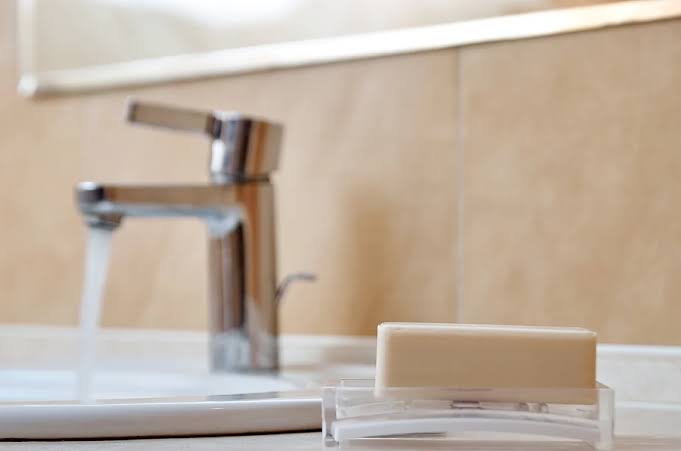
One of the simplest explanations is literal soap residue on dishes, utensils, or drinking straws. This is especially common with plastic or silicone items, which can hold onto soap scent even after rinsing.
Food washed in soapy water can carry the same lingering flavor. This type of soapy taste is usually short-lived and disappears after eating or drinking something else.
Genetics and Taste Perception
Some people are genetically wired to taste certain foods, like cilantro or carrots, as soapy. This happens because of how specific smell and taste receptors process particular compounds.
This isn’t something that changes over time or with exposure. It’s a fixed genetic trait, not a health concern.
Poor Oral Hygiene
Skipping regular brushing and flossing allows food particles to linger and break down in the mouth. As this happens, it can produce an unpleasant, soap-like taste.
Bacterial buildup from plaque can also contribute to gum irritation and infection. Consistent oral care usually resolves this type of soapy taste quickly.
Medications and Supplements
Certain medications, including some antibiotics, antihistamines, and antiviral drugs, are known to affect taste perception. These medications can leave a lingering soapy or metallic flavor while they’re in your system.
This side effect typically fades once the medication course ends. If it’s bothersome, your doctor may be able to suggest an alternative.
Dry Mouth

Reduced saliva production changes how flavors are processed in the mouth. Without enough saliva to wash away particles and bacteria, tastes can become distorted, including a soapy sensation.
Dehydration, certain medications, and some medical conditions can all contribute to dry mouth. Staying hydrated often helps reduce this effect.
Acid Reflux (GERD)
Acid reflux allows stomach acid to travel back up into the esophagus and sometimes the mouth. This can alter taste perception and contribute to an unusual, soapy, or bitter flavor.
Other reflux symptoms often accompany this taste, such as heartburn or a sour sensation. Managing reflux typically improves the associated taste changes.
Sinus Infections and Postnasal Drip
Taste and smell are closely connected, so sinus issues can easily affect how things taste. Postnasal drip, sinusitis, and upper respiratory infections are all known to cause temporary taste distortion.
This type of soapy taste often resolves once the underlying infection clears. Staying hydrated and treating congestion can help speed up recovery.
Fluoride Overexposure
Sodium fluoride, found in toothpaste and treated water, can cause a soapy taste if consumed in excess. This is more likely with accidental ingestion of high-fluoride products rather than normal use.
Overexposure can come with additional symptoms like nausea or stomach discomfort. Severe cases require prompt medical evaluation.
Oral Thrush and Infections
Oral thrush, a yeast infection in the mouth, can alter normal taste sensations. Cavities and gum infections can produce a similar effect due to bacterial activity.
These conditions often come with visible symptoms like white patches, redness, or soreness. Treating the underlying infection typically resolves the taste change.
Common Causes at a Glance

| Cause | Typical Duration | Level of Concern |
|---|---|---|
| Soap residue on dishes | Minutes to hours | Low |
| Genetic taste sensitivity | Permanent trait | None |
| Poor oral hygiene | Days until improved | Low to Moderate |
| Medications/supplements | Duration of use | Low |
| Dry mouth | Varies | Low to Moderate |
| Acid reflux | Recurring episodes | Moderate |
| Sinus infection | Days to weeks | Low to Moderate |
| Fluoride overexposure | Hours, with symptoms | Moderate to High |
| Oral thrush/infection | Until treated | Moderate |
When a Soapy Taste Might Signal Something Serious
Most causes of a soapy taste are harmless, but certain accompanying symptoms should never be ignored. Pay close attention if the taste appears suddenly and comes with other warning signs.
- Nausea, vomiting, or diarrhea
- Abdominal pain or cramping
- Dilated pupils
- Muscle spasms or twitching
- Pale or bluish skin tone
- Confusion or disorientation
Emergency Warning Signs
Seek immediate medical attention if a soapy taste appears alongside any of the symptoms above, especially after possible exposure to fluoride-based products, pesticides, or cleaning chemicals.
- Contact Poison Control right away if accidental ingestion is suspected
- Do not wait to see if symptoms improve on their own
- Bring the product packaging with you if you’re heading to urgent care
What You Can Do at Home
- Rinse thoroughly. Swish water or a mild mouth rinse to clear any lingering residue.
- Check your dishes and utensils. Make sure everything is fully rinsed after washing, especially plastic and silicone items.
- Improve oral hygiene. Brush and floss consistently to reduce plaque and bacterial buildup.
- Stay hydrated. Adequate water intake supports healthy saliva production.
- Track new medications. Note any new prescriptions or supplements that started around the same time as the taste change.
- Give it time. Many causes, like sinus infections, resolve naturally within a week or two.
Mistakes to Avoid
- Don’t ignore a persistent soapy taste that lasts more than a week without improvement.
- Don’t assume every soapy taste is caused by poor hygiene without considering other factors.
- Don’t dismiss additional symptoms like nausea or vomiting as unrelated.
- Don’t stop prescribed medication on your own without consulting your doctor first.
How Doctors and Dentists Diagnose the Cause
A dentist will typically start by checking for cavities, gum disease, or signs of infection like oral thrush. They may also ask about recent dietary changes, medications, and oral hygiene habits.
If oral causes are ruled out, your doctor may investigate other factors like acid reflux, sinus issues, or medication side effects. In rare cases involving suspected poisoning, immediate testing and treatment take priority.
Prevention Tips
- Rinse dishes and utensils thoroughly, especially plastic or silicone items.
- Maintain a consistent brushing and flossing routine.
- Stay hydrated throughout the day to support healthy saliva flow.
- Manage acid reflux through diet and, if needed, medication.
- Treat sinus infections and congestion promptly.
- Monitor for taste changes when starting new medications or supplements.
Key Takeaways
- Most soapy tastes come from simple causes like dish residue, hygiene, or genetics.
- Medications, dry mouth, and sinus infections are common temporary triggers.
- Acid reflux and oral infections can also alter taste perception.
- Fluoride overexposure is a less common but more serious possible cause.
- Persistent soapy taste paired with nausea, vomiting, or confusion needs urgent medical attention.
- Good oral hygiene and hydration help prevent many everyday causes.
Also Read:
- 200+ Best Replies to “Inshallah” & What It Really Means
- Top 10 Contact Form Plugins
- The Fastest WordPress Theme
- 200+ Replies to “How’s It Hanging” You’ll Love Using
- 200+ Best Replies to “It Was Nice Talking to You”
- 200+ Best Replies to “Allahumma Barik” – Show Gratitude
- Why Workstation Sinks Are Becoming A Practical Upgrade For Property Investments
- Why Shame Blocks Growth
- Setting Shared Financial Goals
- How Useful is a PMP Certification for HR Professionals?
- The Digital First Impression Houston Companies Can’t Ignore
- 4 High-Tech Home Entertainment Amenities That Bring the Country Club Home
- Quality Meets Affordability in Lab Diamond Tennis Bracelets
- Do STIs Affect the Vaginal Microbiome?
- Why Investing In Quality Equipment Matters For Small Trade Businesses
- Moving a Few Items? Why Small Moves Are Easy to Underestimate
- Top 6 Simple to Implement Barber Scheduling Software
- How Modern Businesses Combine Technology and Storage Solutions for Better Operations
- Should You Buy Lab Diamond Tennis Bracelets Now?
- How to Choose the Perfect Lab Diamond Jewelry for Yourself
- The Benefits and Perils of a Last-minute Wedding
- Why Self-Care is Crucial for Living Life to the Fullest
- Why Movement Science Is Vital for Fitness Coaches
- A Practical Guide to Earth Ground Resistance Testing for Electrical Safety
Frequently Asked Questions (FAQs)
Why does my mouth taste like soap?
A soapy taste is usually caused by leftover soap residue, genetics, poor oral hygiene, medications, or dry mouth. Less commonly, it can be linked to acid reflux, sinus infections, or fluoride overexposure.
Is a soapy taste in the mouth dangerous?
In most cases, no. It’s typically harmless and temporary, though persistent cases or ones with additional symptoms should be evaluated by a doctor or dentist.
Why does cilantro taste like soap to some people?
This happens due to genetics. Certain smell and taste receptors process specific compounds in cilantro differently, making it taste soapy to some individuals.
Can dish soap really cause a soapy taste in my mouth?
Yes, soap residue left on dishes, utensils, or straws, especially plastic or silicone items, can leave a lingering soapy flavor after eating or drinking.
Can medications cause a soapy taste?
Yes, certain antibiotics, antihistamines, and antiviral medications are known to alter taste perception, sometimes producing a soapy or metallic flavor.
Does poor oral hygiene cause a soapy taste?
Yes, leftover food particles and bacterial buildup from inadequate brushing and flossing can create unusual tastes, including a soapy one.
Can acid reflux make your mouth taste like soap?
Yes, acid reflux can alter taste perception when stomach acid travels back into the esophagus and mouth, sometimes producing a soapy or bitter taste.
Can sinus infections affect how things taste?
Yes, taste and smell are closely linked, so sinus infections, sinusitis, and postnasal drip can all cause temporary taste distortion, including a soapy sensation.
Is fluoride overexposure a serious cause of soapy taste?
It can be. While rare, excessive fluoride exposure can cause a soapy taste along with symptoms like nausea, vomiting, or abdominal pain, requiring medical attention.
How long does a soapy taste in the mouth usually last?
It depends on the cause. Simple triggers like soap residue resolve within minutes, while medication-related or infection-related tastes may last days to weeks.
Can dry mouth cause a soapy taste?
Yes, reduced saliva production changes how flavors are processed, which can contribute to a distorted, soapy taste sensation.
Should I see a dentist if my mouth tastes like soap?
If the taste persists for more than a week or comes with other symptoms like pain or swelling, a dental evaluation is recommended.
Can oral thrush cause a soapy taste?
Yes, oral thrush and other mouth infections can alter normal taste sensations, sometimes producing an unusual or soapy flavor.
What should I do if I suspect fluoride poisoning?
Contact Poison Control immediately and seek emergency medical care, especially if symptoms like vomiting, spasms, or pale skin are present.
Can new supplements cause a soapy taste in my mouth?
Yes, certain dietary supplements can affect taste perception in the same way some medications do, often resolving once you stop taking them.
Is it normal for taste perception to change with age?
Yes, hormonal changes and natural aging can affect how taste buds interpret flavors, sometimes contributing to unusual tastes like a soapy sensation.
Can stress or anxiety cause a soapy taste in the mouth?
In some cases, anxiety related to perceived soap contamination can create a psychological soapy taste sensation, even without physical exposure.
How can I get rid of a soapy taste quickly?
Rinsing your mouth with water, brushing your teeth, and staying hydrated are simple first steps that often resolve mild, temporary cases.
Does everyone experience a soapy taste from the same foods?
No, taste perception varies by genetics and cultural exposure, which is why some people taste soap in foods like cilantro while others don’t.
When is a soapy taste considered a medical emergency?
It becomes an emergency if it’s accompanied by symptoms like vomiting, muscle spasms, confusion, or bluish skin, especially after possible chemical exposure.
Conclusion
A soapy taste in your mouth is usually nothing to worry about, especially if it fades quickly or has an obvious cause like dish residue or a new medication. Paying attention to how long it lasts and what other symptoms show up helps you know when it’s safe to wait it out.
If the taste sticks around, keeps returning, or comes with symptoms like nausea or confusion, it’s worth checking in with a dentist or doctor. Identifying the root cause is the fastest way to get your normal sense of taste back.