Why Does My Tooth Hurt When I Eat Sweets? What It Means 2026
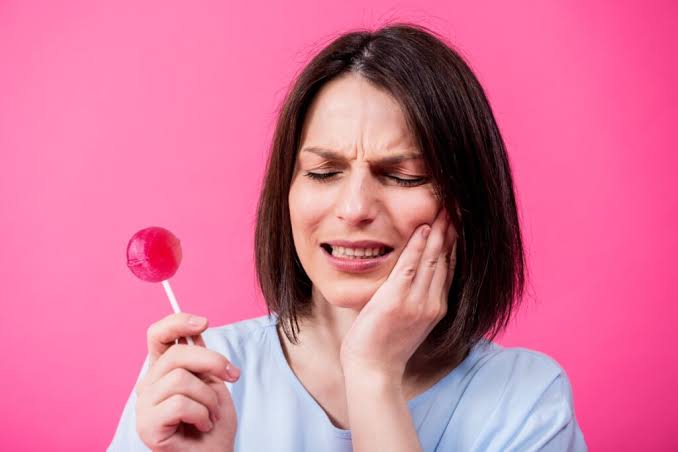
Why Does My Tooth Hurt When I Eat Sweets? That sudden sharp sting after a bite of candy or a sip of soda isn’t just bad luck. It’s usually your tooth sending a clear signal that something beneath the surface has changed.
Why Does My Tooth Hurt When I Eat Sweets?
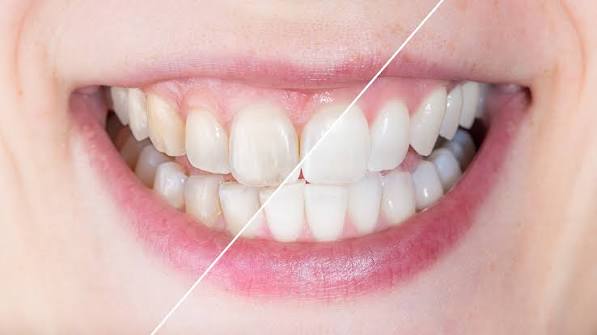
Your tooth hurts when you eat sweets because sugar reacts with bacteria in your mouth, producing acid that wears down enamel and exposes the sensitive dentin layer underneath. Once dentin is exposed, sugar can reach the nerve inside the tooth and trigger sharp pain.
This sensitivity can also point to cavities, gum recession, cracked teeth, or worn fillings, all of which let sugar reach nerve endings more easily.
What’s Happening Inside Your Tooth
Every tooth has layers designed to protect the nerve at its center. Understanding these layers makes it easier to see why sweets can suddenly cause pain.
Enamel: The Protective Shield
Enamel is the hard, outer layer that normally blocks sensations like sugar, heat, and cold. When enamel stays intact, sweets shouldn’t cause any pain at all.
Dentin: The Sensitive Layer Underneath
Beneath the enamel sits dentin, a softer material filled with tiny tubules that connect directly to the tooth’s nerve. Once dentin is exposed, sugar can travel straight to the nerve and trigger a sharp jolt.
The Nerve and Pulp
At the center of the tooth is the pulp, containing nerves and blood vessels. This is where pain signals originate once sugar or acid reaches it through exposed dentin.
Common Causes of Tooth Pain From Sweets
Several dental issues can make your teeth react painfully to sugar. Most involve some form of damage that exposes the dentin or nerve.
| Cause | What’s Happening | Typical Pain Pattern |
|---|---|---|
| Enamel erosion | Acid wears down protective enamel | Sharp, brief pain |
| Tooth decay (cavities) | Bacteria create holes that reach the nerve | Pain in one specific tooth |
| Gum recession | Roots become exposed without enamel | Sensitivity near the gumline |
| Cracked tooth | Sugar seeps into hidden cracks | Sudden, unpredictable pain |
| Worn or leaking fillings | Gaps let sugar reach inner layers | Pain around an old filling |
| Recent teeth whitening | Peroxide temporarily increases sensitivity | Mild, short-term discomfort |
Enamel Erosion
Sugary and acidic foods feed bacteria that produce acid on your teeth. Over time, this acid strips minerals from enamel, thinning it until dentin becomes exposed.
Tooth Decay and Cavities
Cavities form when acid-producing bacteria create small holes in the tooth. Sugar entering these holes can directly irritate the nerve, causing noticeable pain.
Gum Recession
When gums pull away from teeth, they expose the root surface underneath. Roots have no enamel covering, so they’re especially sensitive to sugar.
Cracked or Fractured Teeth
Small cracks aren’t always visible or painful on their own. But when sugar seeps into a crack, it can trigger sudden, sharp discomfort.
Worn or Leaking Fillings
Old fillings can weaken, crack, or pull away from the tooth over time. This creates small gaps where sugar and bacteria can reach sensitive inner layers.
Types of Sensitivity You Might Notice
Not all tooth pain from sweets feels the same. The pattern of your discomfort can offer clues about what’s causing it.
- Transient sensitivity: A brief, sharp pain that fades quickly once the sweet is gone.
- Prolonged sensitivity: A dull, lingering ache that continues after eating.
- Localized sensitivity: Pain in one specific tooth, often pointing to a cavity or crack.
- Generalized sensitivity: Discomfort across multiple teeth, often linked to enamel wear or gum recession.
How to Relieve and Prevent Sugar Sensitivity
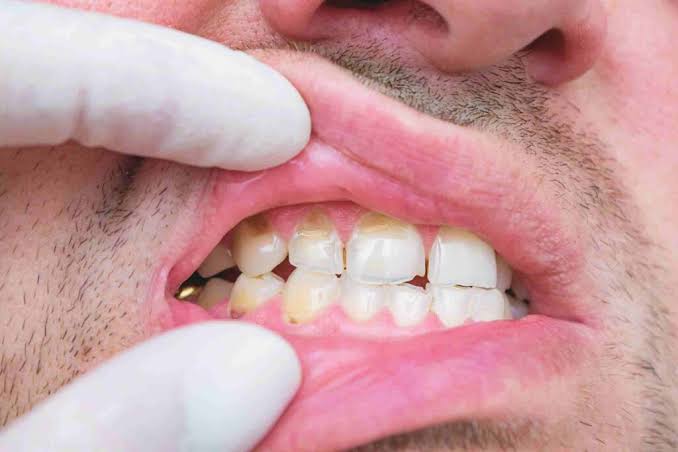
Most sugar-related tooth pain can be reduced with consistent care and a few simple habits. Prevention is far easier than repairing existing damage.
- Use toothpaste made for sensitive teeth to help block pain signals.
- Limit sugary and acidic foods, especially sticky candies and soda.
- Rinse your mouth with water after eating sweets to wash away sugar residue.
- Use a fluoride mouthwash to help strengthen weakened enamel.
- Chew sugar-free gum to boost saliva, which naturally neutralizes acid.
- Maintain a consistent brushing and flossing routine every day.
Best Practices for Long-Term Oral Health
- Brush twice daily with a fluoride toothpaste to protect enamel.
- Floss daily to remove plaque between teeth before it hardens.
- Schedule dental checkups twice a year for early detection of problems.
- Wear a nightguard if you grind your teeth, since grinding weakens enamel.
Mistakes to Avoid
- Ignoring sensitivity, hoping it will go away on its own.
- Brushing too hard, which can wear down enamel and irritate gums.
- Skipping dental visits even when pain has become a regular pattern.
- Relying only on sensitive toothpaste without addressing the root cause.
When to See a Dentist
A brief, mild twinge now and then isn’t usually an emergency. However, certain patterns mean it’s time to schedule an appointment.
- Pain that lasts more than a few seconds after eating sweets.
- Discomfort in the same tooth every time you eat sugar.
- Sensitivity paired with visible holes, cracks, or gum recession.
- Sharp or throbbing pain that disrupts daily activities.
A dentist can identify whether the cause is a cavity, crack, or gum issue, then recommend the right treatment before it worsens.
Key Takeaways

- Sugar sensitivity happens when enamel wears down and exposes the dentin layer.
- Common causes include cavities, gum recession, cracks, and worn fillings.
- Brief, mild sensitivity is common, but persistent or localized pain needs attention.
- Good oral hygiene and reduced sugar intake help prevent further damage.
- A dentist can pinpoint the exact cause and stop the problem from progressing.
Also Read:
- Why Workstation Sinks Are Becoming A Practical Upgrade For Property Investments
- Why Shame Blocks Growth
- Setting Shared Financial Goals
- How Useful is a PMP Certification for HR Professionals?
- The Digital First Impression Houston Companies Can’t Ignore
- 4 High-Tech Home Entertainment Amenities That Bring the Country Club Home
- Quality Meets Affordability in Lab Diamond Tennis Bracelets
- Should You Buy Lab Diamond Tennis Bracelets Now?
- How to Choose the Perfect Lab Diamond Jewelry for Yourself
- Do STIs Affect the Vaginal Microbiome?
- Fitting Clear Aligner Treatment Into A Fourteen Month Engagement
- Why Self-Care Is Crucial for Living Life to the Fullest
- Why Movement Science Is Vital for Fitness Coaches
- Why Investing In Quality Equipment Matters For Small Trade Businesses
- Moving a Few Items? Why Small Moves Are Easy to Underestimate
- Top 6 Simple to Implement Barber Scheduling Software
- How Modern Businesses Combine Technology and Storage Solutions for Better Operations
- The Benefits and Perils of a Last-Minute Wedding
- The Democratization of Aesthetics: How Competitive Branding Redefined Global Cosmetics Markets
- Why Esthetics Offers One of the Strongest Career Growth Paths in Beauty
- How to Style Designer Denim for Every Season
- QR Generator AI: Creating Smarter Connections Between Print and Digital
- Driver Behavior Monitoring: What Should Fleets Actually Track?
- Protecting Digital Content from Piracy Across Multiple Platforms
- A Practical Guide to Earth Ground Resistance Testing for Electrical Safety
Frequently Asked Questions (FAQs)
Why does my tooth hurt only when I eat sweets and nothing else?
This pattern often points to early enamel erosion or a small cavity, since sugar reaches exposed dentin more easily than other foods do.
Is sugar sensitivity a sign of a cavity?
It can be. Cavities create openings that let sugar reach the nerve directly, so localized pain in one tooth is worth having checked.
Can enamel erosion be reversed?
Enamel itself cannot regenerate once lost, but early erosion may be strengthened with fluoride treatments before it worsens further.
Why do my teeth hurt more with certain sweets than others?
Sticky or sour sweets tend to cling to teeth longer or contain more acid, increasing contact time with exposed dentin and intensifying pain.
Does tooth sensitivity to sugar always mean I need a filling?
Not always. Mild sensitivity may improve with sensitive toothpaste and reduced sugar intake, but persistent pain often does require treatment.
Can gum recession cause pain when eating sweets?
Yes. Receding gums expose tooth roots, which lack enamel and are naturally more sensitive to sugar and other stimuli.
Is it normal for teeth to feel sensitive after whitening?
Yes, temporary sensitivity after whitening is common and usually fades within a few days as the enamel settles.
What foods are worst for sugar-sensitive teeth?
Hard candies, gummy sweets, dried fruit, soda, and orange juice tend to cause the most irritation due to prolonged sugar and acid exposure.
Can brushing too hard cause sensitivity to sweets?
Yes. Aggressive brushing can wear down enamel and irritate gums, both of which increase sensitivity to sugar over time.
How long does transient tooth sensitivity usually last?
Transient sensitivity typically lasts only a few seconds and fades quickly once the sweet food or drink is gone.
When should prolonged tooth pain be taken seriously?
If pain lingers for more than a few seconds after eating sweets, it’s a sign to schedule a dental evaluation soon.
Can a cracked tooth cause pain only with sweets?
Yes. Sugar can seep into small, hidden cracks and reach the nerve, even if the crack isn’t visible or painful otherwise.
Does saliva help protect against sugar sensitivity?
Yes. Saliva contains minerals that help remineralize enamel and neutralize acid, but constant snacking limits its ability to do so.
Can old fillings cause sensitivity to sweets?
Yes. Worn or leaking fillings create gaps where sugar can reach the inner tooth layers, triggering pain.
Is sensitivity to sweets more common in children or adults?
It can occur at any age, though adults are more likely to experience it due to accumulated enamel wear or gum recession over time.
What toothpaste works best for sugar-sensitive teeth?
Toothpaste formulated for sensitive teeth, often containing potassium nitrate or stannous fluoride, can help block pain signals from reaching the nerve.
Can drinking water help after eating something sweet?
Yes. Rinsing with water helps wash away sugar residue and reduces the time acid has to affect your enamel.
Does chewing sugar-free gum really help with sensitivity?
Yes. It stimulates saliva production, which helps neutralize acid and support natural enamel remineralization.
Can stress or teeth grinding contribute to sugar sensitivity?
Yes. Grinding wears down enamel over time, making teeth more vulnerable to pain from sugar and other triggers.
How often should I see a dentist if I have ongoing sensitivity?
Twice a year is standard, but ongoing or worsening sensitivity may require sooner evaluation to catch problems early.
Conclusion
Tooth pain from sweets almost always traces back to a breakdown in your tooth’s natural protection, whether from enamel erosion, a cavity, gum recession, or a hidden crack. That sharp sting is your body’s way of flagging a problem before it gets worse.
Paying attention to when and how the pain happens, brief versus lingering, one tooth versus several, can help you and your dentist pinpoint the cause quickly. With the right care and a dental checkup when needed, most sugar sensitivity can be managed and even prevented.