Why Is My Earwax Wet? Causes, Ear Wax Types, and When to Worry 2026
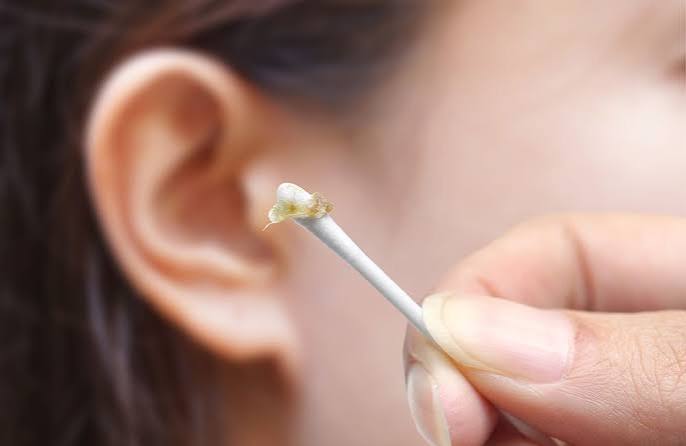
Noticing damp or sticky earwax can feel a little strange the first time you catch it. Most people who ask why is my earwax wet are simply dealing with a normal, healthy body process.
Earwax type is largely determined by genetics, and wet earwax is completely normal for most people. It only becomes a concern when it comes with pain, odor, or sudden changes.
Why Is My Earwax Wet?
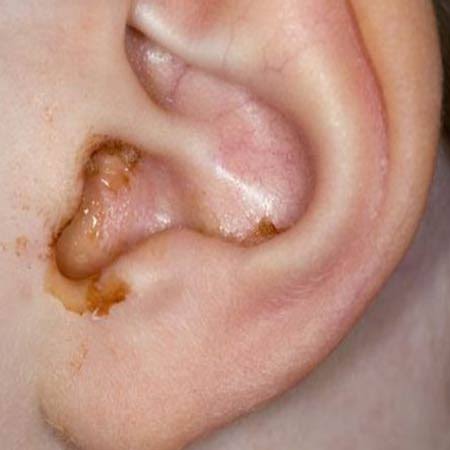
Wet earwax is usually just your natural earwax type, determined by genetics, and is common in most adults. Freshly produced earwax also starts out thin and watery before it thickens and darkens over time.
Pale, watery, or foul-smelling wax can sometimes signal an ear infection. That combination of symptoms is the main reason to check with a doctor.
Wet Earwax vs. Dry Earwax
Earwax naturally comes in two genetic types, and neither one is inherently unhealthy. Knowing which type you have helps you understand what is normal for your ears.
| Type | Color | Texture | Common In |
|---|---|---|---|
| Wet earwax | Yellow, brown, or orange | Sticky, moist | Most adults, all ethnicities |
| Dry earwax | Gray or white | Flaky, brittle | Common in East Asian populations |
Why Genetics Decide Your Earwax Type
A single gene largely determines whether your earwax comes out wet or dry. This is simply an inherited trait, similar to eye color or hair texture.
Neither type is better or worse for ear health on its own. Wet earwax is actually slightly more effective at trapping dust and debris.
1. Fresh Earwax Starts Out Watery
Earwax is thin, clear, and watery when your glands first produce it. It only becomes thicker and darker after sitting in the ear canal for a while.
This means feeling wetness in the morning is often just fresh wax that has not aged yet. It is a completely normal part of how your ears clean themselves.
2. Ceruminous Gland Activity
Earwax is made by ceruminous and sebaceous glands lining the ear canal. These glands mix oily secretions with shed skin cells to form the wax itself.
Some people naturally have more active glands than others. This can run in families and simply means more frequent earwax production overall.
3. Heat, Sweat, and Humidity
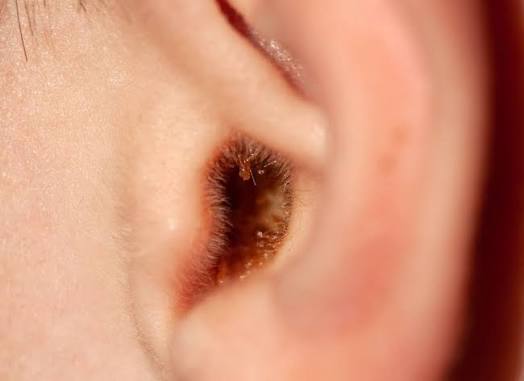
Warm weather and physical activity can cause earwax to soften and feel wetter than usual. Sweat near the ear canal can also contribute to that damp sensation.
This kind of wetness is temporary and usually resolves once the environment cools down. It rarely needs any treatment.
4. Earbuds, Hearing Aids, and Earplugs
Devices that sit inside the ear canal block normal airflow and trap moisture. This buildup can make earwax feel wetter and stickier than it normally would.
The ear may also respond to a foreign object by producing extra wax as a protective reaction. Taking breaks between long listening sessions can help reduce this effect.
Quick Tip for Frequent Earbud Users
Clean your earbuds regularly and give your ears breaks throughout the day. This simple habit reduces trapped moisture and excess wax buildup.
5. Swimming and Water Exposure
Water that enters the ear canal can mix directly with existing earwax. This creates a watery texture that is different from naturally wet earwax.
This should not be confused with genuinely wet earwax caused by genetics. Water-related wetness usually clears up on its own within a day.
6. Excessive Earwax Buildup
Some people naturally produce more earwax than their ears can clear on their own. Over time, this buildup can trap extra moisture inside the ear canal.
A blocked ear canal can lead to a persistent damp feeling along with muffled hearing. This combination is a common reason people seek treatment.
7. Ear Infections
An ear infection can cause pale, watery discharge that looks and feels different from normal wet earwax. Bacterial or fungal infections are the usual triggers.
This type of discharge often comes with additional symptoms like pain or a foul smell. It is one of the clearer signs that a doctor visit is worth scheduling.
What Infected Earwax Often Looks Like
Discharge tied to infection tends to look pale, cloudy, or even greenish rather than the usual yellow-brown shade. A strong, unpleasant odor is another common clue.
8. Ruptured Eardrum
A ruptured eardrum can allow fluid to leak into the outer ear canal. This can create a wet sensation along with pain, muffled hearing, or ringing.
Loud noises, trauma, or untreated infections are common causes of a rupture. This condition needs prompt medical evaluation.
Wet Earwax: Normal vs. Warning Signs
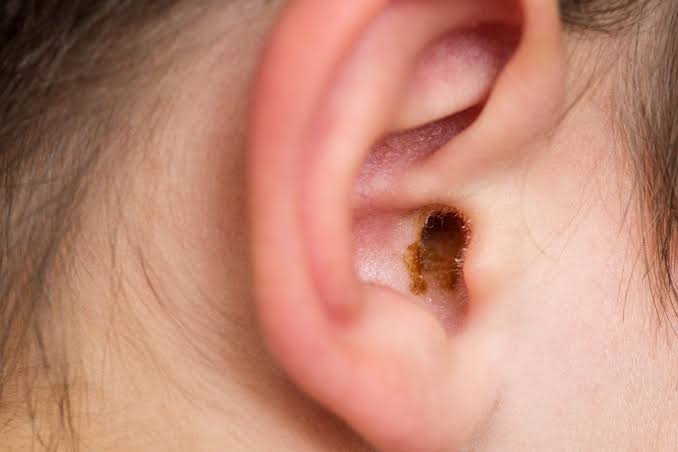
Most wet earwax is nothing to worry about, but a few signs shift the picture. This table makes the distinction easy to spot at a glance.
| Sign | Likely Normal | Possible Infection or Injury |
|---|---|---|
| Color | Yellow, brown, orange | Pale, greenish, bloody |
| Smell | Mild or none | Strong, foul odor |
| Pain | None | Present, sometimes sharp |
| Hearing | Unaffected or mildly muffled | Noticeably reduced |
| Onset | Gradual, consistent | Sudden, worsening |
How to Safely Manage Wet Earwax
Ears are largely self-cleaning, so aggressive cleaning often causes more harm than good. A few gentle habits are usually all that is needed.
- Wipe the outer ear with a warm, damp washcloth
- Avoid inserting cotton swabs into the ear canal
- Let excess wax work its way out naturally
- Use over-the-counter softening drops if buildup is heavy
- Dry ears thoroughly after swimming or bathing
Mistakes to Avoid
Certain habits make wet earwax and buildup noticeably worse over time. Steering clear of these keeps your ears healthier long term.
- Pushing cotton swabs deep into the ear canal
- Using sharp objects like pins or pencils to clean ears
- Ignoring a foul smell or ongoing pain
- Overusing earplugs or earbuds without breaks
- Skipping professional removal for stubborn blockages
When to See a Doctor
Most cases of wet earwax never need medical attention. A handful of symptoms, though, are worth getting checked promptly.
- Ear pain that does not improve within a day or two
- A strong or foul smell coming from the ear
- Pale, greenish, or bloody discharge
- Sudden or worsening hearing loss
- Dizziness, ringing, or a feeling of fullness that persists
- Fever alongside ear symptoms
Professional Earwax Removal Options
A doctor has several safe ways to clear stubborn or impacted earwax. The right choice depends on how much wax has built up and your ear health history.
| Method | How It Works | Best For |
|---|---|---|
| Irrigation | Gentle water flushing clears the canal | Mild to moderate buildup |
| Microsuction | A small suction device removes wax | Sensitive or infection-prone ears |
| Manual removal | A curette tool lifts wax out directly | Visible, easy-to-reach wax |
| Softening drops | Over-the-counter drops loosen hardened wax | At-home first step |
Expert Tip
Audiologists commonly note that most people never need to clean inside the ear canal at all. The outer ear is the only part that generally benefits from gentle wiping.
Letting the ear’s natural process work usually prevents more problems than any home remedy.
Also Read:
- Why Self-Care Is Crucial for Living Life to the Fullest
- Why Movement Science Is Vital for Fitness Coaches
- Do STIs Affect the Vaginal Microbiome?
- Fitting Clear Aligner Treatment Into a Fourteen Month Engagement
- Consistency Does Not Mean Perfection
- Why Shame Blocks Growth
- Setting Shared Financial Goals
- How Useful Is a PMP Certification for HR Professionals?
- The Digital First Impression Houston Companies Can’t Ignore
- 4 High-Tech Home Entertainment Amenities That Bring the Country Club Home
- Quality Meets Affordability in Lab Diamond Tennis Bracelets
- Should You Buy Lab Diamond Tennis Bracelets Now?
- How to Choose the Perfect Lab Diamond Jewelry for Yourself
- The Benefits and Perils of a Last-Minute Wedding
- How to Style Designer Denim for Every Season
- Why Esthetics Offers One of the Strongest Career Growth Paths in Beauty
- Moving a Few Items? Why Small Moves Are Easy to Underestimate
- Top 6 Simple to Implement Barber Scheduling Software
- How Modern Businesses Combine Technology and Storage Solutions for Better Operations
- Driver Behavior Monitoring: What Should Fleets Actually Track?
- QR Generator AI: Creating Smarter Connections Between Print and Digital
- Protecting Digital Content from Piracy Across Multiple Platforms
- A Practical Guide to Earth Ground Resistance Testing for Electrical Safety
- Understanding Capital Allowances for Commercial Property Owners
- Why Investing in Quality Equipment Matters for Small Trade Businesses
Frequently Asked Questions (FAQs)
Why is my earwax wet all of a sudden?
Sudden wetness is often just fresh earwax that has not thickened yet, or moisture from heat, sweat, or a recent shower. Persistent wetness with odor or pain deserves a closer look.
Is wet earwax normal?
Yes. Wet earwax is a genetically determined type that is completely normal and common in most adults.
Why do my ears feel wet when I wake up?
Ears naturally continue producing earwax overnight, and freshly made wax starts out thin and watery before it dries and darkens.
What does infected earwax look like?
Infected discharge often looks pale, greenish, or cloudy rather than the usual yellow-brown color, and it may carry a strong odor.
Can earbuds make my earwax wetter?
Yes. Earbuds trap moisture and block airflow in the ear canal, which can make wax feel wetter and stickier than usual.
Should I clean wet earwax with cotton swabs?
No. Cotton swabs can push wax deeper into the canal and increase the risk of blockage or injury. Stick to wiping the outer ear only.
Can swimming cause wet earwax?
Yes. Water entering the ear can mix with existing earwax, creating a watery texture that clears up once the ear dries out.
Why does my earwax smell bad and feel wet?
A foul smell combined with wetness often points to an ear infection and is worth having a doctor examine.
Is wet earwax a sign of an ear infection?
Not usually. Genetically wet earwax is normal, but pale, watery discharge combined with pain or odor can signal an infection.
Can hearing aids cause wet earwax?
Yes. Hearing aids can trap moisture in the ear canal similar to earbuds, sometimes leading to extra wax production.
Why is my earwax wet and itchy?
Itchiness alongside wetness can result from irritation caused by sticky wax against the sensitive skin of the ear canal.
Does wet earwax mean I produce too much earwax?
Not necessarily. Wetness reflects earwax type more than quantity, though heavy producers may notice wetness more often.
Can stress cause wet earwax?
Stress itself does not directly cause wet earwax, though increased sweating during stress can contribute to a damp feeling.
Why is my earwax watery instead of sticky?
Watery discharge that looks different from normal wax can indicate water exposure, sweat, or in some cases an infection.
How can I tell if wet earwax is a problem?
Watch for pain, foul odor, hearing changes, or discharge that looks pale or bloody. Normal wet earwax has none of these signs.
Can a ruptured eardrum cause wet earwax?
Yes. A rupture can allow fluid to leak into the ear canal, creating wetness along with pain or muffled hearing.
Is it genetic to have wet earwax?
Yes. A single gene largely determines whether earwax comes out wet or dry, and this trait is inherited from your parents.
Should I see a doctor for wet earwax?
Only if it comes with pain, odor, discharge color changes, or hearing loss. Plain wet earwax without symptoms is normal.
Can allergies cause wet earwax?
Allergies do not directly change earwax type, but they can increase ear irritation and indirectly affect how wax feels.
What is the best way to remove excess wet earwax?
Over-the-counter softening drops or professional irrigation and microsuction are the safest options for stubborn buildup.
Conclusion
Wet earwax is almost always a normal, genetically determined trait rather than a health problem. Fresh wax, warm weather, and earbuds can all add to that damp feeling too.
Watching for pain, odor, or sudden discharge helps you catch the rare cases that need attention. When those signs appear, a quick visit to a doctor clears things up fast.