Why Is My Feet Peeling? Dry Skin or Fungus? 2026
Why is my feet peeling, and is it just dry skin or something like a fungal infection? This is one of the most common foot concerns people search for, and the answer usually falls into one of a few clear categories.
Peeling can come from something as simple as hot showers and dry air, or it can point to athlete’s foot, eczema, psoriasis, sunburn, or even diabetes-related skin changes.
Knowing the difference matters because dry skin and fungal infections need very different treatments.
Is Peeling Feet Normal?
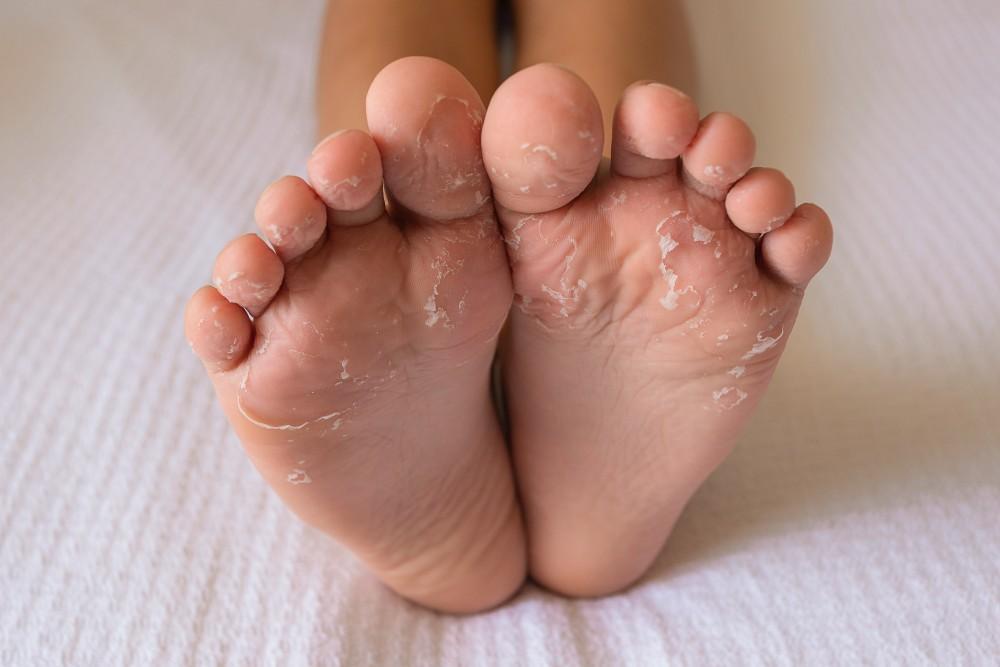
Mild peeling on the feet is extremely common and usually harmless.
Feet endure friction, sweat, and pressure every single day, which naturally affects the skin’s outer layer.
Occasional flaking is often just part of normal skin turnover, especially on the heels and soles.
Quick Overview Table: Common Causes of Peeling Feet
| Cause | Key Signs | Contagious |
|---|---|---|
| Dry skin (xerosis) | Flaky, rough, mildly itchy skin | No |
| Athlete’s foot | Peeling between toes, itching, odor | Yes |
| Eczema | Red, itchy, inflamed patches | No |
| Psoriasis | Thick scaly patches, silvery flakes | No |
| Sunburn | Peeling after redness and warmth | No |
| Hyperhidrosis | Sweaty, soft, peeling skin | No |
| Diabetes-related | Dry, cracked skin, reduced sensation | No |
Dry Skin vs Fungus: How to Tell the Difference
What Dry Skin Looks Like
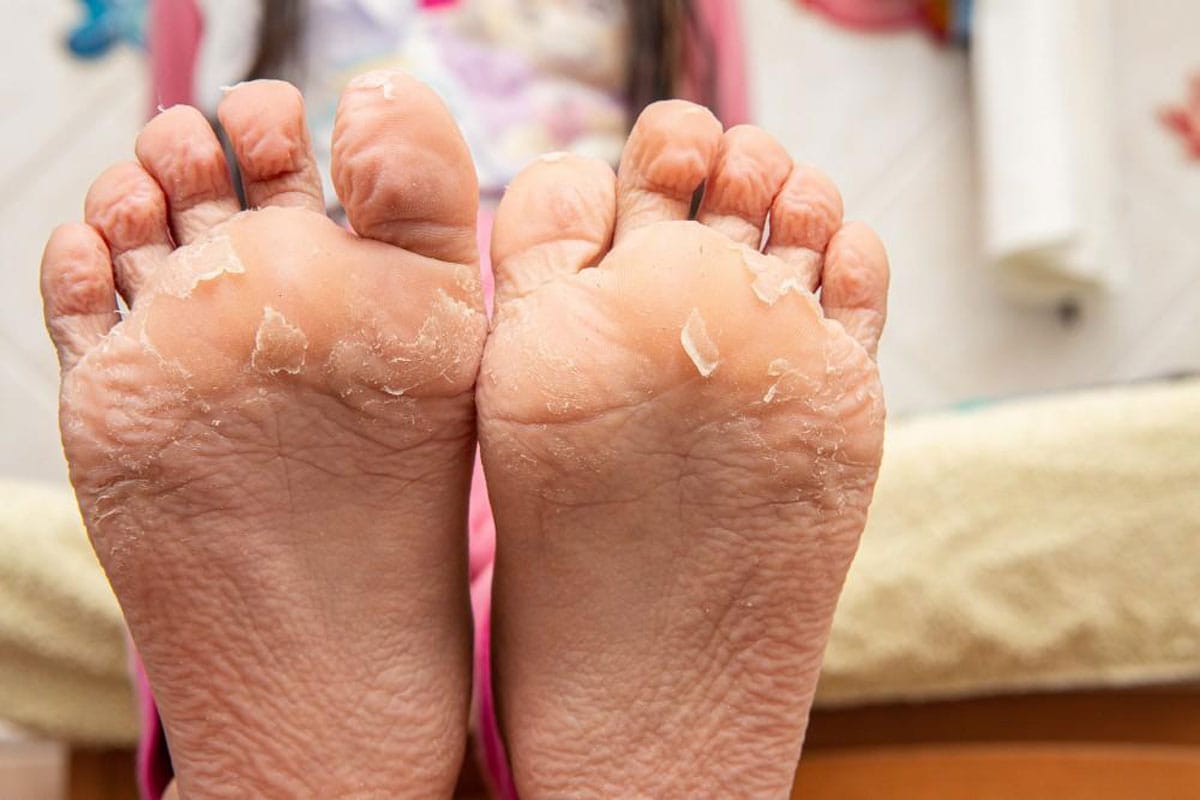
Dry skin usually appears rough, flaky, and mildly itchy across the soles or heels.
It tends to affect both feet evenly rather than concentrating between the toes.
There’s typically no strong odor or intense burning sensation involved.
What Fungal Infection Looks Like
Fungal infections like athlete’s foot often start between the toes with intense itching.
You may notice a foul smell, redness, or small blisters alongside the peeling.
Unlike dry skin, fungal peeling tends to spread and worsen without targeted treatment.
Comparison Table: Dry Skin vs Athlete’s Foot
| Feature | Dry Skin | Athlete’s Foot |
|---|---|---|
| Location | Heels, soles, both feet evenly | Between toes, sides of feet |
| Itching | Mild or none | Often intense |
| Odor | Usually none | Common |
| Spreading | Rare | Common if untreated |
| Contagious | No | Yes |
Common Causes of Peeling Feet Explained
Dry Skin (Xerosis)
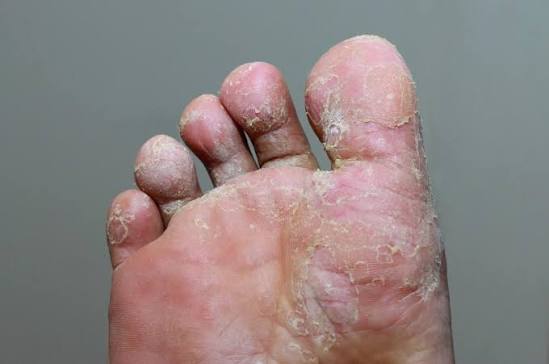
Dry skin is one of the most frequent reasons feet start to peel.
Hot showers, dry air, sun exposure, and dehydration can all strip moisture from the skin.
Regular moisturizing and gentler bathing habits often resolve this cause on their own.
Athlete’s Foot (Tinea Pedis)
Athlete’s foot is a contagious fungal infection that thrives in warm, damp environments.
It commonly starts between the toes before spreading to the soles or sides of the feet.
Locker rooms, pools, and shared socks or towels are common sources of infection.
Eczema (Atopic Dermatitis)
Eczema can appear on the feet just as it does on other parts of the body.
Flare-ups often bring dry, itchy, red patches that crack or peel over time.
Stress, allergens, and heat can trigger or worsen an eczema flare-up.
Psoriasis
Psoriasis is an autoimmune condition that speeds up skin cell turnover significantly.
On the feet, this is called palmoplantar psoriasis and often causes thick, scaly patches.
It’s a chronic condition that typically requires medical management rather than home care alone.
Sunburned Feet
The tops of the feet are easy to forget when applying sunscreen.
Sunburned skin naturally peels a few days after the initial redness and heat.
This type of peeling is temporary and resolves as the skin heals.
Hyperhidrosis (Excessive Sweating)
Hyperhidrosis causes the feet to sweat far more than normal.
Constant moisture can soften the skin, leading to irritation and peeling over time.
Keeping feet clean and dry throughout the day helps manage this condition.
Diabetes-Related Skin Changes
Diabetes can damage the nerves that control sweat production in the feet.
This often leads to chronic dryness that doesn’t respond well to regular moisturizers alone.
Reduced sensation can also mask a fungal infection, making peeling harder to diagnose without a doctor.
Table: Symptom Checklist By Likely Cause
| Symptom Combination | Likely Cause |
|---|---|
| Peeling with no itch, both feet even | Dry skin |
| Peeling between toes with strong itch | Athlete’s foot |
| Red inflamed patches, past allergy history | Eczema |
| Thick silvery scales, family history | Psoriasis |
| Peeling after sun exposure, prior redness | Sunburn |
| Peeling with excessive sweating | Hyperhidrosis |
| Peeling with numbness or diabetes history | Diabetes-related |
Why Diabetic Peeling Feet Deserve Extra Attention
People with diabetes may not feel the usual itch that signals a fungal infection.
This means peeling with no symptoms can still hide an active problem underneath.
Regular foot checks and podiatrist visits are especially important for diabetic patients.
At-Home Treatment Options for Dry Skin
Apply a fragrance-free moisturizer daily, especially right after bathing while skin is damp.
Avoid long, hot showers that strip natural oils from the skin.
Use a humidifier indoors if dry air is contributing to the problem.
At-Home Treatment Options for Athlete’s Foot
Apply an over-the-counter antifungal cream, spray, or powder as directed.
Wash and thoroughly dry your feet daily, especially between the toes.
Change socks often and avoid walking barefoot in public showers or locker rooms.
Managing Eczema and Psoriasis Flare-Ups
Stick to fragrance-free moisturizers and gentle, dye-free soaps for sensitive skin.
Avoid known triggers like excessive heat, stress, or harsh chemical exposure.
Prescription treatments may be necessary for more persistent or severe flare-ups.
Prevention Tips for Healthy, Non-Peeling Feet
Moisturize your feet daily, particularly after showers or baths.
Choose breathable socks and shoes to reduce sweat buildup and friction.
Rotate your footwear so shoes have time to fully dry between uses.
Apply sunscreen to your feet whenever you’re wearing sandals or going barefoot outdoors.
When Peeling Feet Are a Sign of Something Serious
Persistent peeling that doesn’t improve with home care deserves a professional evaluation.
Peeling accompanied by pain, bleeding, swelling, or fever should not be ignored.
Anyone with diabetes noticing new peeling should check with their doctor promptly.
Red Flags That Mean You Should See a Doctor
| Warning Sign | Why It Matters |
|---|---|
| Peeling with fever | Possible infection spreading |
| Bleeding or open wounds | Risk of deeper infection |
| Numbness alongside peeling | Possible nerve involvement |
| No improvement after weeks of care | Needs professional diagnosis |
| Diabetes with any foot changes | Higher risk of complications |
How Podiatrists Diagnose the Cause
A podiatrist typically starts with a visual exam and a review of your footwear and habits.
They may take a small skin scraping to test for fungal infection under a microscope.
For chronic or unclear cases, additional testing can rule out psoriasis or other skin conditions.
Frequently Asked Questions (FAQs)
Why is my feet peeling with no itching at all?
This usually points to simple dry skin rather than a fungal infection.
How can I tell if my peeling feet are from a fungus?
Fungal peeling usually starts between the toes and comes with itching or odor.
Can stress cause my feet to peel?
Yes, stress can trigger or worsen conditions like eczema, leading to peeling skin.
Is peeling feet always contagious?
No, only fungal infections like athlete’s foot are contagious to others.
Why do my feet peel more in summer?
Sun exposure, sandals, and sweat all increase the chances of dry or sunburned peeling.
Can diabetes cause feet to peel without any pain?
Yes, nerve damage from diabetes can cause painless dryness and peeling.
What’s the fastest way to treat dry, peeling feet?
Consistent moisturizing after bathing, along with avoiding hot showers, works best.
Should I use antifungal cream if I’m not sure it’s fungus?
It’s better to confirm the cause first, since treating dry skin with antifungal cream won’t help.
Can peeling feet be a sign of psoriasis?
Yes, thick scaly patches with silvery flakes often indicate palmoplantar psoriasis.
When should I see a podiatrist for peeling feet?
See a podiatrist if peeling persists, worsens, or comes with pain, bleeding, or numbness.
Conclusion
Peeling feet almost always trace back to one of a handful of common causes: dry skin, athlete’s foot, eczema, psoriasis, sunburn, hyperhidrosis, or diabetes-related changes.
The easiest way to tell dry skin from a fungal infection is checking for itching, odor, and location, since fungus tends to start between the toes while dry skin spreads evenly across the soles.
Most cases respond well to simple home care like moisturizing, antifungal treatment, or better foot hygiene.
However, peeling that persists, worsens, or comes with pain, bleeding, or numbness deserves a professional evaluation, especially for anyone managing diabetes. Paying attention to these patterns early helps you treat the right cause quickly and keep your feet healthy long term.