Why Isn’t My Heat Working in My Car? Causes & Fixes 2026
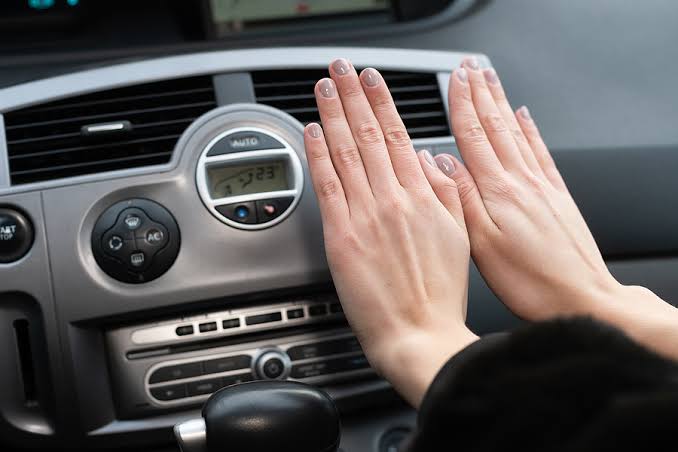
Why Isn’t My Heat Working in My Car? Climbing into a freezing car and getting nothing but cold air from the vents is more than an inconvenience. It usually means something in your cooling or heating system needs attention.
Why Isn’t My Heat Working in My Car?
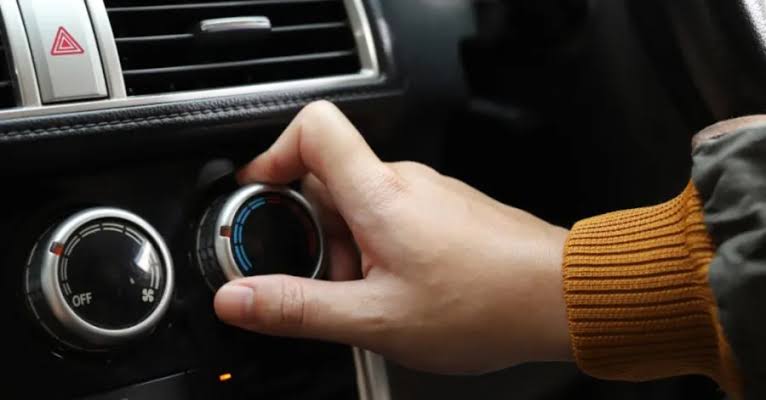
Your car heater usually stops working due to low coolant, a stuck thermostat, a clogged heater core, trapped air pockets, or a faulty blend door actuator. Since your heater runs off your engine’s cooling system, most heating problems point back to an issue with coolant flow.
Some causes, like low coolant, are simple fixes. Others, like a failing heater core, may require professional repair.
How Your Car’s Heater Actually Works
Unlike a home space heater, your car doesn’t generate heat electrically. It reuses heat already produced by your engine.
Hot coolant circulates from the engine to a small radiator-like unit called the heater core. A fan then blows air across that heated core and into the cabin through your vents.
Because your heater depends entirely on this process, any disruption to coolant flow or temperature can leave you with cold air instead of warm.
Common Reasons Your Car Heater Isn’t Working
Most heater failures trace back to a handful of well-known causes. Identifying the pattern of your symptoms helps narrow down the likely culprit.
| Cause | What Happens | DIY or Professional Fix |
|---|---|---|
| Low coolant | Not enough hot liquid reaches the heater core | Often DIY |
| Stuck thermostat | Coolant doesn’t heat up or circulate properly | Usually professional |
| Clogged heater core | Debris blocks coolant flow through the core | Professional |
| Air pockets in system | Trapped air blocks coolant circulation | Often DIY (bleeding system) |
| Faulty blend door actuator | Air isn’t routed through the heater core | Usually professional |
| Failing water pump | Coolant doesn’t circulate efficiently | Professional |
Low Coolant Levels
Low coolant is one of the most common reasons a car heater blows cold air. Without enough coolant reaching the heater core, there isn’t enough heat to transfer into the cabin.
Coolant can drop due to leaks in the radiator, hoses, or water pump. Checking and topping off coolant is often the simplest first step to try.
A Stuck or Failing Thermostat
The thermostat controls when coolant is allowed to circulate based on engine temperature. If it’s stuck closed, coolant may not reach proper operating temperature at all.
A thermostat stuck open causes a different problem, since the engine takes too long to warm up, delaying heat production.
A Clogged Heater Core
Over time, debris, rust, or old coolant sediment can build up inside the heater core. This blockage prevents coolant from flowing through properly, cutting off the heat supply to your vents.
Trapped Air Pockets
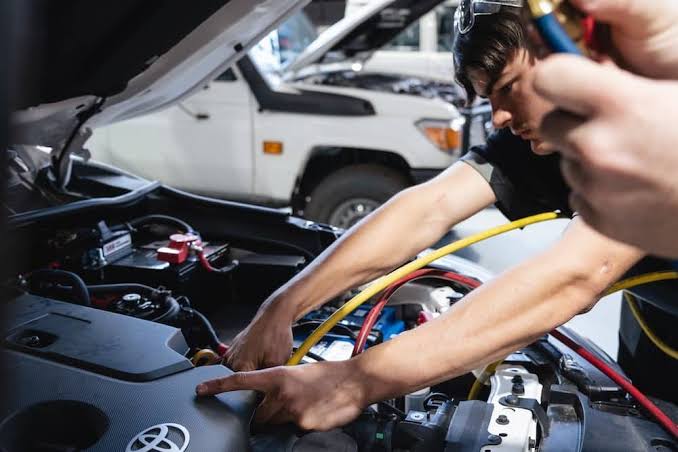
Air can become trapped in the cooling system, especially after a coolant flush or a small leak. These air pockets block coolant from circulating correctly, which can leave your heater blowing cold air intermittently.
A Faulty Blend Door Actuator
The blend door controls whether incoming air is routed through the heater core or bypasses it. If the actuator fails, the door can get stuck in the cold-air position, even if your controls are set to heat.
Signs of this issue include clicking noises from the dashboard or inconsistent airflow between vents.
A Failing Water Pump
The water pump keeps coolant moving through your engine and heater core. If it starts failing, coolant circulation slows down, which can affect both heating performance and engine temperature.
How to Troubleshoot Your Car Heater
A few simple checks can help you narrow down the cause before deciding whether a repair shop visit is necessary.
- Check your coolant level when the engine is cool, and top it off if low.
- Feel both heater hoses near the firewall; both should be warm to hot.
- Watch your temperature gauge to see if the engine is reaching normal operating temperature.
- Listen for clicking sounds from the dashboard, which can indicate a blend door actuator issue.
- Check for visible coolant leaks or puddles under the front of the vehicle.
Best Practices for Preventing Heater Problems
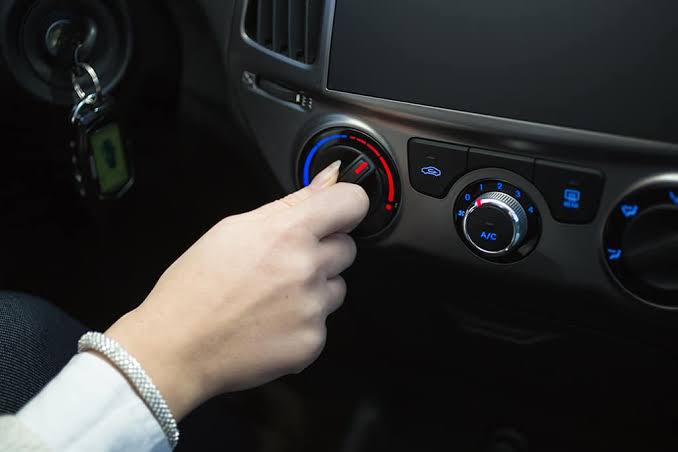
- Check coolant levels regularly, especially before winter weather arrives.
- Flush and replace coolant according to your vehicle’s maintenance schedule.
- Address small coolant leaks quickly before they become larger issues.
- Have your cooling system inspected annually as part of routine maintenance.
Mistakes to Avoid
- Opening the radiator cap while the engine is still hot.
- Ignoring cold air from the heater, since it may signal a bigger cooling system issue.
- Continuing to drive with an overheating engine and no heat, which can indicate serious damage.
- Assuming the problem will fix itself once the weather warms up.
When to See a Mechanic
Some heater problems are simple enough to check at home, but others need professional diagnosis and repair. It’s best to seek help when:
- Coolant is low but you can’t identify or stop the leak.
- Your engine is overheating in addition to the heater blowing cold air.
- You hear clicking or grinding noises from the dashboard controls.
- Topping off coolant doesn’t resolve the issue.
- You suspect a clogged heater core or failing water pump.
Repair costs vary widely, from around $100 for a simple coolant top-off to over $1,000 for more involved repairs like heater core replacement.
Key Takeaways
- Car heaters rely on hot engine coolant, not electricity, to produce warm air.
- Low coolant, a stuck thermostat, and a clogged heater core are the most common causes.
- Simple checks like coolant level and hose temperature can help you diagnose the issue.
- A heater blowing cold air alongside engine overheating needs prompt attention.
- Some fixes are DIY-friendly, while others require a professional repair shop.
Also Read:
- Why Workstation Sinks Are Becoming A Practical Upgrade For Property Investments
- Why Shame Blocks Growth
- Setting Shared Financial Goals
- How Useful is a PMP Certification for HR Professionals?
- The Digital First Impression Houston Companies Can’t Ignore
- 4 High-Tech Home Entertainment Amenities That Bring the Country Club Home
- Quality Meets Affordability in Lab Diamond Tennis Bracelets
- Should You Buy Lab Diamond Tennis Bracelets Now?
- How to Choose the Perfect Lab Diamond Jewelry for Yourself
- Do STIs Affect the Vaginal Microbiome?
- Fitting Clear Aligner Treatment Into A Fourteen Month Engagement
- Why Self-Care Is Crucial for Living Life to the Fullest
- Why Movement Science Is Vital for Fitness Coaches
- Why Investing In Quality Equipment Matters For Small Trade Businesses
- Moving a Few Items? Why Small Moves Are Easy to Underestimate
- Top 6 Simple to Implement Barber Scheduling Software
- How Modern Businesses Combine Technology and Storage Solutions for Better Operations
- The Benefits and Perils of a Last-Minute Wedding
- The Democratization of Aesthetics: How Competitive Branding Redefined Global Cosmetics Markets
- Why Esthetics Offers One of the Strongest Career Growth Paths in Beauty
- How to Style Designer Denim for Every Season
- QR Generator AI: Creating Smarter Connections Between Print and Digital
- Driver Behavior Monitoring: What Should Fleets Actually Track?
- Protecting Digital Content from Piracy Across Multiple Platforms
- A Practical Guide to Earth Ground Resistance Testing for Electrical Safety
Frequently Asked Questions (FAQs)
Why is my car heater blowing cold air all of a sudden?
A sudden change often points to low coolant, a stuck thermostat, or trapped air in the cooling system, especially if it happens right after a coolant service.
Can low coolant really stop my car heater from working?
Yes. Without enough coolant reaching the heater core, there isn’t enough heat to transfer into the cabin air, resulting in cold air from the vents.
Is it safe to drive with no heat in my car?
Yes, it’s generally safe, but it can be uncomfortable and may signal a cooling system issue that shouldn’t be ignored for long.
How do I know if my thermostat is causing the heater problem?
If your temperature gauge stays low or your engine takes unusually long to warm up, a stuck-open thermostat could be the cause.
What does a clogged heater core feel like?
A clogged heater core often causes one heater hose to feel cool while the other is warm, along with weak or inconsistent heat output.
Can air in the cooling system really cause heater problems?
Yes. Trapped air pockets can block coolant from reaching the heater core properly, often causing intermittent or weak heat.
Why does my heater work sometimes but not always?
Inconsistent heat can point to air pockets in the cooling system or an early-stage blend door actuator issue.
What is a blend door actuator, and how does it affect heat?
The blend door actuator controls whether air passes through the heater core. If it fails, it can get stuck in the cold position, blocking warm air entirely.
Can a car AC issue affect the heater too?
Not directly, since heating and cooling often use separate components, though shared climate control electronics can sometimes affect both.
How much does it cost to fix a car heater?
Costs vary widely, from about $100 for simple fixes like a coolant top-off to over $1,000 for heater core replacement or major repairs.
Should I check coolant myself or go straight to a mechanic?
Checking coolant level is a safe first step for most drivers, but repairs involving the heater core or actuator usually require a professional.
Can a bad water pump cause heater problems?
Yes. A failing water pump reduces coolant circulation, which can weaken or eliminate heat output from the heater core.
Why does my heater only blow warm air at higher speeds?
This can happen if coolant flow or airflow through the heater core is partially restricted, becoming more noticeable at higher fan speeds.
Is a car heater part of the AC system or a separate system?
The heater is part of your engine’s cooling system, while the AC uses a separate refrigerant-based system, though both share cabin airflow controls.
Can I bleed air from my cooling system myself?
It’s possible for some vehicles, but the process requires precision to remove all trapped air, so many drivers prefer professional service.
Does a heater blowing cold air always mean a coolant leak?
Not always, but a leak is one of the most common causes, so checking for low coolant or visible leaks is a good starting point.
How often should I have my cooling system checked?
An annual inspection is generally recommended, especially before winter, to catch small issues before they affect your heater.
Can extreme cold weather affect how well my heater works?
Extreme cold can make weak heating problems more noticeable, since the engine works harder to reach and maintain proper operating temperature.
What noises indicate a heater problem in my car?
Clicking sounds from the dashboard often indicate a blend door actuator issue, while gurgling sounds may suggest air in the cooling system.
When should I stop driving if my heater isn’t working?
Stop driving if the lack of heat is paired with engine overheating, since this often signals a serious cooling system failure.
Conclusion
A car heater that isn’t working almost always traces back to your vehicle’s cooling system, whether that’s low coolant, a stuck thermostat, trapped air, or a failing component like the heater core or blend door actuator. Simple checks like coolant level and hose temperature can help you narrow down the cause quickly.
While some fixes are manageable at home, persistent or serious symptoms, especially alongside engine overheating, are worth having a professional diagnose. Addressing the issue early can save you from a bigger repair bill and a much colder commute.