Why Does My Eyes Hurt? Causes & Relief Tips 2026
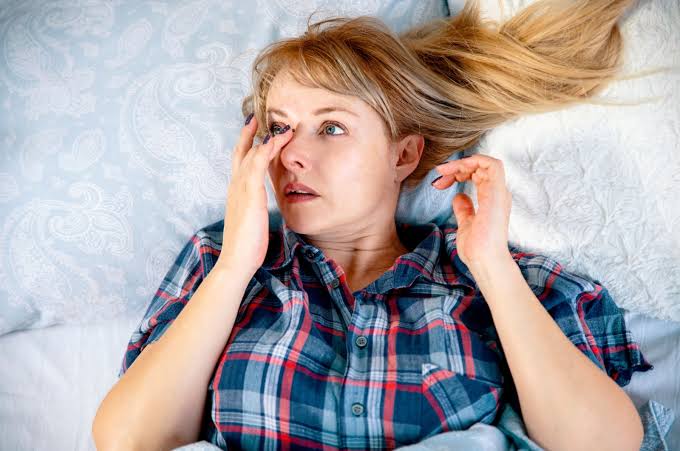
Why Does My Eyes Hurt? A sore, aching, or burning eye can be alarming, especially when it shows up out of nowhere. The honest answer is that eye pain has many possible causes, and most of them are manageable.
Screen time, dryness, allergies, sinus pressure, and minor irritation account for the vast majority of cases people search for.
Why Does My Eyes Hurt?
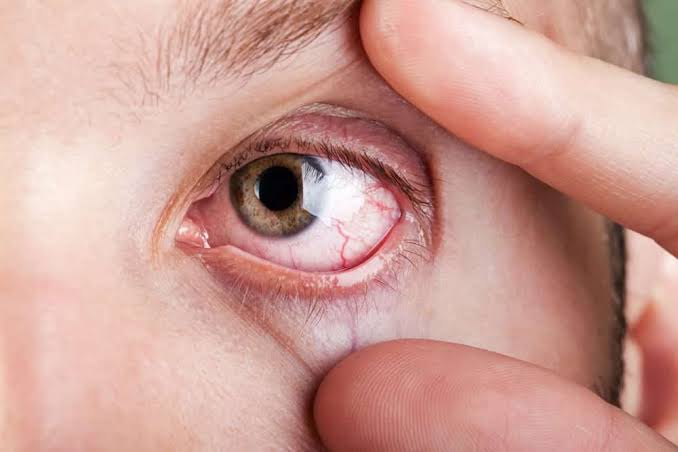
Eyes usually hurt due to eye strain, dry eyes, allergies, sinus pressure, or minor irritation from dust, contact lenses, or lack of sleep. Sharp pain, vision changes, or pain after an injury needs prompt medical attention.
What Does Eye Pain Feel Like?
Eye pain doesn’t feel the same for everyone, and the sensation itself is a clue to the cause. Recognizing the type of pain helps narrow down what’s actually going on.
- Gritty or sandy feeling: Often linked to dryness or something stuck in the eye.
- Dull, throbbing ache: Frequently tied to eye strain, sinus pressure, or fatigue.
- Sharp, stabbing pain: Can point to a scratch, infection, or foreign object.
- Burning sensation: Commonly associated with allergies or dry eye syndrome.
- Pain when moving the eye: Sometimes linked to inflammation deeper in the eye.
Common Reasons Your Eyes Hurt
Below are the most frequent causes behind eye pain, based on what eye doctors and clinics report most often.
1. Digital Eye Strain
Long hours on screens force your eyes to focus intensely without enough rest. This overuse leads to soreness, blurry vision, and tension around the eyes.
Poor lighting and an outdated glasses prescription can make digital eye strain noticeably worse.
2. Dry Eyes
Dry eye happens when your eyes don’t produce enough tears, or tears evaporate too fast. This creates a gritty, burning, or scratchy feeling that worsens throughout the day.
Older adults, contact lens wearers, and people who stare at screens for long stretches are more likely to experience it.
3. Allergies
Seasonal or environmental allergens can trigger itching, redness, and a burning ache around the eyes. This usually comes with watery eyes and sneezing.
Rubbing the eyes during an allergy flare-up often makes the irritation and soreness worse.
4. Sinus Pressure
Pressure from a sinus infection or seasonal allergies can radiate straight into the area around your eyes. This can create a heavy, aching sensation on one or both sides.
The pain often eases once the underlying sinus congestion clears up.
5. Foreign Objects or Debris
Dust, dirt, an eyelash, or makeup particles can easily slip into the eye and cause sudden, sharp irritation. Most minor cases clear up once the debris is flushed out.
If the object scratches the cornea, it can lead to a more serious injury called a corneal abrasion.
6. Contact Lens Problems

Lenses that don’t fit well, aren’t cleaned properly, or are worn overnight can irritate the eye’s surface. This often results in redness, soreness, and a foreign body sensation.
Switching to a fresh pair and giving your eyes a lens-free day can bring quick relief.
7. Conjunctivitis (Pink Eye)
Pink eye is inflammation of the tissue lining the eyelids and eye surface. It can be viral, bacterial, or allergy-related, and it often causes redness, discharge, and soreness.
Bacterial and viral forms are contagious, so prompt care helps prevent it from spreading.
8. Corneal Abrasion
A corneal abrasion is a scratch on the clear front surface of the eye. It typically causes sharp pain, light sensitivity, and constant tearing.
Even small scratches should be checked by an eye doctor, since they can become infected if untreated.
9. Stye
A stye is a tender, red bump that forms on the edge of the eyelid from an infected gland. It can cause localized pain, swelling, and sensitivity to touch.
Warm compresses usually help a stye heal on its own within a week or two.
10. Blepharitis
Blepharitis is inflammation along the eyelid margins, often linked to clogged oil glands. It commonly causes irritation, redness, and a gritty sensation.
Gentle eyelid hygiene and warm compresses are typically the first line of care.
11. Increased Eye Pressure
When fluid inside the eye doesn’t drain properly, pressure can build and cause a dull, deep ache. This is closely tied to conditions like glaucoma.
Since glaucoma often has no early symptoms, regular eye exams are the best way to catch it early.
12. Migraine
Migraines frequently cause pain behind or around one eye, sometimes paired with light sensitivity and visual disturbances. This pain can feel deep and throbbing rather than surface-level.
Identifying and managing migraine triggers can reduce how often this type of eye pain happens.
Eye Pain Symptoms and Likely Causes
| Symptom | Likely Cause |
|---|---|
| Gritty, sandy feeling | Dry eyes, foreign object |
| Dull ache behind the eye | Sinus pressure, eye strain, migraine |
| Sharp, stabbing pain | Corneal abrasion, foreign object |
| Burning or itching | Allergies, dry eye, conjunctivitis |
| Redness with discharge | Pink eye, stye, blepharitis |
| Pain with vision changes | Requires urgent medical evaluation |
How to Relieve Mild Eye Pain at Home
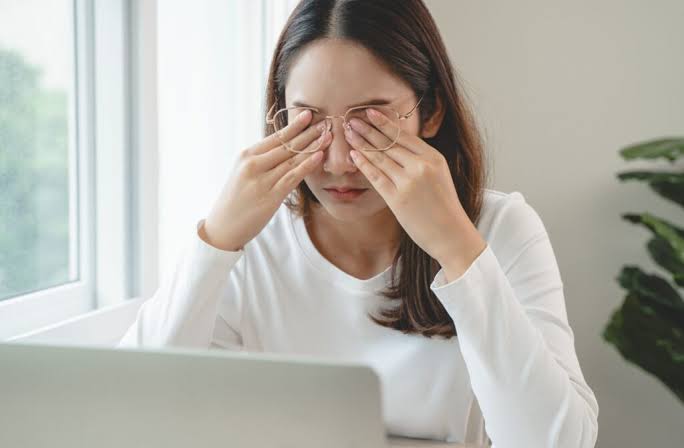
Most everyday eye soreness responds well to simple, low-risk steps. These home measures are best suited for mild strain, dryness, or minor irritation.
- Follow the 20-20-20 rule: every 20 minutes, look at something 20 feet away for 20 seconds.
- Use preservative-free artificial tears for dryness or grit.
- Apply a clean, warm compress for styes or eyelid irritation.
- Reduce screen brightness and glare in your workspace.
- Remove contact lenses and switch to glasses if irritation continues.
- Rinse the eye gently with clean water if debris is the cause.
When to See a Doctor for Eye Pain
Mild soreness after a long day of screen use rarely needs urgent care. Certain warning signs, though, call for prompt medical attention.
- Sudden, severe eye pain
- Vision loss, blurring, or seeing flashes of light
- Pain following an injury or chemical exposure
- Pain paired with a severe headache and nausea
- Discharge, swelling, or pain that worsens after a day or two
- Pain that doesn’t improve with rest or artificial tears
Mistakes to Avoid
- Rubbing the eyes when something feels stuck inside.
- Sleeping in contact lenses not approved for overnight wear.
- Ignoring pain that comes with vision changes.
- Skipping regular eye exams, since conditions like glaucoma often show no early symptoms.
Expert Tips for Healthier Eyes
Blink deliberately and often during screen work, since focused screen time reduces natural blinking. This small habit helps prevent dryness before it starts.
Keep a regular eye exam schedule even without symptoms. Many serious eye conditions develop gradually and are easiest to treat early.
Also Read:
- Why Workstation Sinks Are Becoming A Practical Upgrade For Property Investments
- Why Shame Blocks Growth
- Setting Shared Financial Goals
- How Useful is a PMP Certification for HR Professionals?
- The Digital First Impression Houston Companies Can’t Ignore
- 4 High-Tech Home Entertainment Amenities That Bring the Country Club Home
- Quality Meets Affordability in Lab Diamond Tennis Bracelets
- Should You Buy Lab Diamond Tennis Bracelets Now?
- How to Choose the Perfect Lab Diamond Jewelry for Yourself
- The Benefits and Perils of a Last-minute Wedding
- Do STIs Affect the Vaginal Microbiome?
- Why Self-Care is Crucial for Living Life to the Fullest
- Why Movement Science Is Vital for Fitness Coaches
- Fitting Clear Aligner Treatment Into A Fourteen Month Engagement
- Moving a Few Items? Why Small Moves Are Easy to Underestimate
- Top 6 Simple to Implement Barber Scheduling Software
- How Modern Businesses Combine Technology and Storage Solutions for Better Operations
- Why Investing In Quality Equipment Matters For Small Trade Businesses
- Protecting Digital Content from Piracy Across Multiple Platforms
- The B2B Repricing Decision Sellers Have to Make Before Every Bulk Order
- A Practical Guide to Earth Ground Resistance Testing for Electrical Safety
- QR Generator AI: Creating Smarter Connections Between Print and Digital
- Driver Behavior Monitoring: What Should Fleets Actually Track?
- Top 10 Contact Form Plugins
- The Fastest WordPress Theme
Frequently Asked Questions (FAQs)
Why does my eyes hurt after looking at a screen all day?
Long screen sessions reduce how often you blink, which dries out the eyes and causes strain, soreness, and fatigue.
Why do my eyes hurt and feel gritty?
A gritty feeling usually points to dry eyes or a small piece of debris irritating the surface of the eye.
Can allergies cause eye pain?
Yes. Allergies commonly cause itching, redness, watering, and a burning ache around the eyes.
Why does one eye hurt more than the other?
One-sided pain can come from a localized issue like a stye, foreign object, sinus pressure, or migraine affecting that side.
Is eye pain a sign of something serious?
It can be. Sudden severe pain, vision changes, or pain after an injury are signs that need prompt medical evaluation.
Why do my eyes hurt when I wake up?
Morning eye pain is often linked to dryness overnight, sleeping in contacts, or inflammation that worsens with eye movement.
Can sinus infections cause eye pain?
Yes. Pressure from a sinus infection can radiate around the eyes and create a heavy, aching sensation.
Why does my eye hurt when I blink?
Pain during blinking often suggests something is on the eye’s surface, such as debris, a scratch, or eyelid inflammation.
Can contact lenses cause eye pain?
Yes. Dirty lenses, poor fit, or overnight wear can all lead to irritation, redness, and soreness.
Why does my eye hurt with light sensitivity?
Light sensitivity paired with pain can indicate a corneal abrasion, inflammation, or an infection like conjunctivitis.
What does eye pain from a migraine feel like?
Migraine-related eye pain often feels deep and throbbing, usually behind or around one eye.
Can lack of sleep cause eye pain?
Yes. Poor sleep can leave eyes drier and more strained, making them feel sore or tired the next day.
Why does my eye hurt after crying?
Tears can temporarily irritate the eye’s surface, and rubbing while crying can add extra soreness.
Can a scratched eye heal on its own?
Minor corneal abrasions can heal within a couple of days, but they should still be checked to avoid infection.
Why does my eye hurt when I move it side to side?
Pain during eye movement can be linked to inflammation of the eye or surrounding nerve tissue and should be evaluated if it persists.
Is a stye the same as pink eye?
No. A stye is a localized infected bump on the eyelid, while pink eye is inflammation of the eye’s surface tissue.
Can high eye pressure cause pain without other symptoms?
Yes. Increased eye pressure can build silently for a long time, which is why routine eye exams matter even without pain.
Why do my eyes hurt during allergy season?
Airborne allergens irritate the eye’s surface, triggering itching, redness, and a burning ache that flares seasonally.
When should eye pain be treated as an emergency?
Sudden vision loss, severe pain, chemical exposure, or pain after trauma should be treated as a medical emergency.
Can dehydration cause eye pain?
Yes. Not drinking enough water can reduce tear production, making eyes feel dry, tired, and sore.
Conclusion
Most cases of eye pain trace back to strain, dryness, allergies, or minor irritation, and they respond well to simple home care. Rest, artificial tears, and reduced screen time solve the majority of everyday soreness.
Persistent pain, vision changes, or discomfort following an injury are signals your eyes need a professional look. When in doubt, an eye doctor can quickly identify the cause and get you the right treatment.