Why Did Vincent Van Gogh Cut Off His Ear? The Real Story 2026
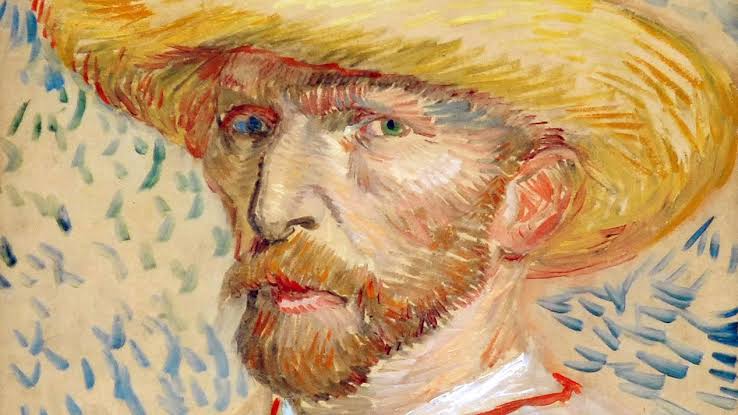
One of the most famous incidents in art history “Why Did Vincent Van Gogh Cut Off His Ear” still puzzles historians more than a century later. On the night of December 23, 1888, Vincent van Gogh severed part of his own left ear in Arles, France.
The immediate trigger appears to be a heated confrontation with fellow painter Paul Gauguin, layered on top of deep emotional distress. No single explanation is fully confirmed, and historians continue to debate the exact circumstances.
Why Did Vincent Van Gogh Cut Off His Ear?
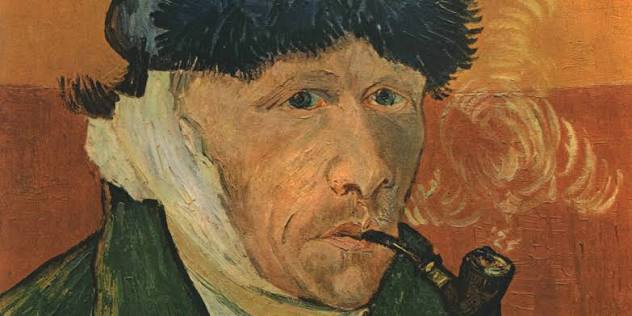
Van Gogh cut off part of his left ear after a tense argument with Paul Gauguin, combined with severe emotional and mental health struggles. Some historians argue Gauguin injured him during the fight, though the self-inflicted account remains the most widely accepted.
Who Was Vincent van Gogh?
Vincent van Gogh was a Dutch Post-Impressionist painter known for bold color and emotional intensity. He created roughly 900 paintings and 1,100 drawings in just a decade of active work.
Despite selling almost nothing during his lifetime, his art later became some of the most valuable and recognized in the world.
Timeline: What Happened on December 23, 1888
Understanding the ear incident starts with the events leading up to that night in Arles.
- October 1888: Gauguin arrives in Arles to live and paint alongside van Gogh at the Yellow House.
- Late 1888: Tension builds between the two artists over differing views on art and technique.
- December 23, 1888: A violent argument erupts between van Gogh and Gauguin.
- That same night: Van Gogh’s left ear is severed, either by his own hand or during the confrontation.
- After the incident: He wraps the ear and delivers it to a woman at a nearby brothel.
- The following morning: Police find van Gogh unconscious and bleeding, and he is hospitalized in Arles.
The Gauguin Connection
Van Gogh and Gauguin shared a home and studio, but their artistic philosophies clashed constantly. Gauguin favored working from memory and imagination, while van Gogh painted directly from life.
Their arguments grew more intense in the weeks before the incident, and Gauguin had already decided to leave Arles and return to Paris.
Major Theories Behind the Incident
Historians have proposed several competing explanations over the decades. No single theory has been definitively proven.
Theory 1: A Breakdown After the Gauguin Argument
The most widely cited explanation is that van Gogh, devastated by Gauguin’s decision to leave, spiraled into a severe mental health crisis. In this account, he injured himself in the emotional aftermath of their fight.
This theory lines up with letters describing van Gogh’s fragile state in the days surrounding the event.
Theory 2: Distress Over His Brother Theo’s Engagement
Art historian Martin Bailey uncovered evidence that van Gogh may have received news of his brother Theo’s engagement on the same day. Theo was van Gogh’s closest emotional and financial support.
Under this theory, fear of losing that support contributed heavily to his breakdown that night.
Theory 3: Gauguin Injured Him During the Fight
A more controversial theory argues that Gauguin, a trained fencer, actually caused the injury during their argument. Under this account, the two men agreed to keep the truth hidden to protect their friendship.
This theory remains debated and is not the version most historians and institutions, including the Van Gogh Museum, currently support.
Theory 4: Absinthe and Underlying Mental Illness
Some historians point to van Gogh’s heavy consumption of absinthe, combined with an undiagnosed mental health condition, as contributing factors. A clear clinical diagnosis has never been established.
This theory treats the incident as part of a broader pattern of instability rather than a single isolated event.
Comparing the Leading Theories
| Theory | Core Explanation | Level of Historical Support |
|---|---|---|
| Gauguin argument breakdown | Emotional collapse after their fight | Widely accepted |
| Theo’s engagement | Fear of losing his brother’s support | Strong supporting evidence |
| Gauguin caused the injury | Accidental injury during confrontation | Debated, less accepted |
| Absinthe and mental illness | Substance use plus underlying illness | Contributing factor, not sole cause |
What Happened to Van Gogh After the Incident
Van Gogh was hospitalized in Arles immediately after the incident. Gauguin left for Paris shortly afterward, and the two never lived together again.
Van Gogh later voluntarily entered a mental institution in Saint-Rémy, where he continued painting during periods of stability between episodes.
Van Gogh’s Life After Arles
Despite his struggles, van Gogh produced some of his most celebrated work during his time at Saint-Rémy. Paintings like Starry Night and Irises date from this period.
He died in July 1890 at age 37, just months after leaving the institution, and his fame grew rapidly after his death.
Common Misconceptions
- Myth: Van Gogh cut off his entire ear. Fact: Most accounts describe only the lower portion being removed.
- Myth: The incident was random with no build-up. Fact: Weeks of rising tension with Gauguin preceded it.
- Myth: Van Gogh was diagnosed with a specific mental illness at the time. Fact: No confirmed clinical diagnosis exists from that era.
- Myth: Gauguin was never involved in the story. Fact: Gauguin’s presence and their argument are central to nearly every theory.
Expert Insight
Museums and historians generally caution against reducing the incident to a single dramatic explanation. Most agree it reflects a combination of interpersonal conflict, emotional distress, and underlying mental health struggles rather than one isolated cause.
Also Read:
- Why Workstation Sinks Are Becoming A Practical Upgrade For Property Investments
- Why Shame Blocks Growth
- Setting Shared Financial Goals
- How Useful is a PMP Certification for HR Professionals?
- The Digital First Impression Houston Companies Can’t Ignore
- 4 High-Tech Home Entertainment Amenities That Bring the Country Club Home
- Quality Meets Affordability in Lab Diamond Tennis Bracelets
- Should You Buy Lab Diamond Tennis Bracelets Now?
- How to Choose the Perfect Lab Diamond Jewelry for Yourself
- The Benefits and Perils of a Last-minute Wedding
- Do STIs Affect the Vaginal Microbiome?
- Why Self-Care is Crucial for Living Life to the Fullest
- Why Movement Science Is Vital for Fitness Coaches
- Fitting Clear Aligner Treatment Into A Fourteen Month Engagement
- Moving a Few Items? Why Small Moves Are Easy to Underestimate
- Top 6 Simple to Implement Barber Scheduling Software
- How Modern Businesses Combine Technology and Storage Solutions for Better Operations
- Why Investing In Quality Equipment Matters For Small Trade Businesses
- Protecting Digital Content from Piracy Across Multiple Platforms
- The B2B Repricing Decision Sellers Have to Make Before Every Bulk Order
- A Practical Guide to Earth Ground Resistance Testing for Electrical Safety
- QR Generator AI: Creating Smarter Connections Between Print and Digital
- Driver Behavior Monitoring: What Should Fleets Actually Track?
- Top 10 Contact Form Plugins
- The Fastest WordPress Theme
Frequently Asked Questions (FAQs)
Why did Vincent van Gogh cut off his ear?
He severed part of his left ear after an intense argument with Paul Gauguin, worsened by ongoing emotional and mental health struggles.
Did van Gogh cut off his whole ear?
No. Most historical accounts describe only the lower portion of his left ear being removed.
When did the ear incident happen?
The incident took place on the night of December 23, 1888, in Arles, France.
Who was Paul Gauguin to van Gogh?
Gauguin was a fellow Post-Impressionist painter who lived and worked with van Gogh at the Yellow House in Arles.
What did van Gogh do with the severed ear?
He wrapped it and delivered it to a woman at a nearby brothel, reportedly asking her to keep it carefully.
Did Gauguin actually cause the injury?
Some historians argue Gauguin may have injured van Gogh during their fight, but this remains a debated and less widely accepted theory.
What happened to van Gogh right after the incident?
He was found unconscious the next morning and hospitalized in Arles for treatment.
Did van Gogh and Gauguin ever live together again?
No. Gauguin left for Paris shortly after the incident, and the two never shared a studio again.
What role did Theo van Gogh play in the story?
Theo was Vincent’s brother and primary source of emotional and financial support, and news of Theo’s engagement may have deepened Vincent’s distress that night.
Was van Gogh diagnosed with a mental illness?
No confirmed clinical diagnosis exists from his lifetime, though historians widely agree he experienced severe mental health struggles.
Did alcohol play a role in the incident?
Some historians point to heavy absinthe consumption as a contributing factor alongside his emotional state.
Where did the ear incident take place?
It happened at the Yellow House in Arles, a town in the south of France where van Gogh lived and painted.
What painting did van Gogh create after the incident?
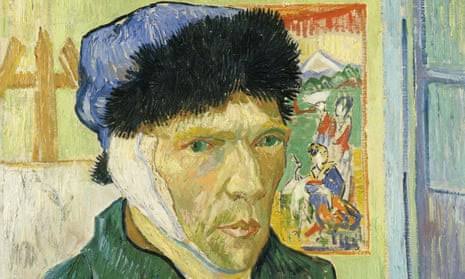
He painted “Self-Portrait with Bandaged Ear” in January 1889, shortly after the event.
Did van Gogh recover fully after the incident?
He experienced ongoing periods of instability afterward and later admitted himself to a mental institution in Saint-Rémy.
What is the most accepted theory today?
Most historians and institutions, including the Van Gogh Museum, support the theory involving his breakdown following the Gauguin argument.
How old was van Gogh when the incident happened?
He was 35 years old at the time of the incident in December 1888.
Did van Gogh talk about the incident afterward?
He reportedly avoided discussing the memory in detail, and it is rarely mentioned directly in his surviving letters.
What happened to van Gogh in his final years?
He continued painting at Saint-Rémy and later in Auvers-sur-Oise before dying in July 1890 at age 37.
Is the Gauguin-injury theory widely accepted?
No. While it has gained attention, most historians still favor the self-inflicted account tied to his emotional breakdown.
Why is this incident so famous in art history?
It became one of the most documented examples of the “tortured artist” narrative, closely tied to some of van Gogh’s most iconic later work.
Conclusion
The truth behind why did Vincent van Gogh cut off his ear likely involves several overlapping factors rather than one simple cause. A volatile friendship with Gauguin, fear of losing his brother’s support, and deep emotional struggles all appear connected to that night.
Historians continue studying letters and records to refine the story, but the exact details remain partly uncertain. What’s clear is that the incident marked a turning point that shaped both his life and his art.