Why Does My Washer Smell Like Rotten Eggs? Causes & Fixes 2026

Why Does My Washer Smell Like Rotten Eggs? Opening the washer to a sulfur smell is one of the most unpleasant laundry surprises. That distinct odor almost always points to one culprit: hydrogen sulfide gas.
This gas forms when bacteria feed on trapped moisture, detergent residue, or organic buildup inside the machine. In some cases, the smell traces back to your plumbing instead of the washer itself.
Why Does My Washer Smell Like Rotten Eggs?
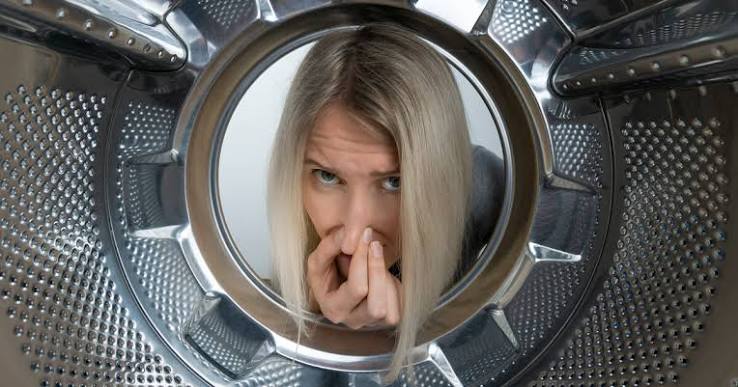
A washer usually smells like rotten eggs due to bacteria producing hydrogen sulfide gas from trapped moisture, detergent buildup, or a clogged drain. Less often, the smell comes from hard water, well water sulfur bacteria, or a sewer gas issue in the plumbing.
What Causes That Rotten Egg Smell?
Several conditions inside and around your washer can trigger this odor. Understanding the source helps you pick the right fix instead of guessing.
1. Bacteria and Mold Buildup
Warm, damp environments inside the drum and gasket are ideal breeding grounds for bacteria. As bacteria multiply, they release sulfur compounds that create the sour, eggy smell.
This is the single most common cause, especially in machines that aren’t cleaned regularly.
2. Detergent and Fabric Softener Residue
Using too much detergent or fabric softener leaves behind a sticky film inside the machine. This residue traps bacteria and gives them a steady food source, making the odor worse over time.
Switching to the recommended detergent amount often reduces buildup significantly.
3. A Dirty Front-Load Door Gasket
Front-load washers rely on a rubber gasket to form a watertight seal around the door. Because the gasket is ribbed and folds in on itself, lint, moisture, and debris get trapped easily.
Closing the door right after a wash locks in humidity and accelerates bacterial growth.
4. A Clogged Drain or Filter
A blocked drain pump filter can leave standing water inside the machine after each cycle. That stagnant water becomes another source of sulfur-producing bacteria.
Most washers have an accessible filter near the bottom front panel that should be cleaned periodically.
5. Sewer Gas Backflow
Sometimes the smell isn’t coming from the washer at all. A clogged or improperly vented sewer line can push sulfur-smelling gas back through the drain hose.
This is more likely if the odor is strongest near the drain connection rather than inside the drum.
6. Hard Water or Well Water
Homes on well water often have naturally occurring sulfur bacteria in their water supply. When this water sits in the machine, it reacts with minerals and detergent to intensify the smell.
If tap water throughout the house smells similar, the water source is the more likely cause.
7. Natural Gas Leak (Rare but Serious)
If the rotten egg smell fills your entire house and isn’t limited to the washer, it could indicate a natural gas leak. This is unrelated to the washer itself and requires immediate attention.
Leave the house and contact your gas company right away if you suspect this scenario.
Is a Rotten Egg Smell From the Washer Dangerous?
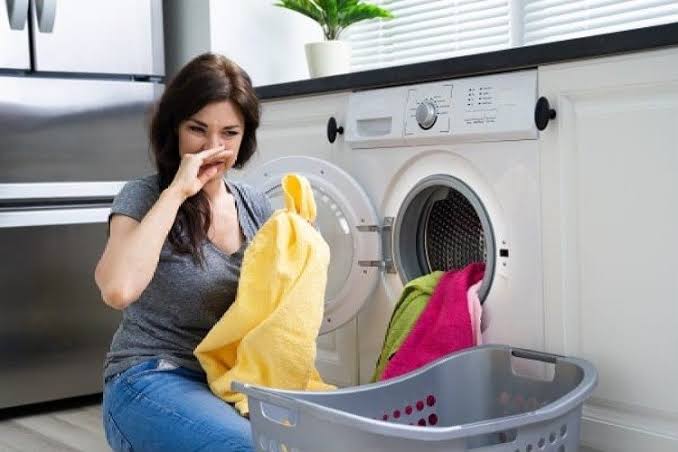
In most cases, the smell is unpleasant but not hazardous, since it usually comes from bacteria rather than gas leaks. However, a persistent sulfur smell can signal a deeper drain or sewer issue worth investigating.
If the smell appears suddenly and is overwhelming throughout the home, treat it as a safety concern rather than a laundry issue.
Comparing the Common Causes
| Cause | Smell Location | Fix Difficulty |
|---|---|---|
| Bacteria and mold buildup | Inside drum and gasket | Easy |
| Detergent residue | Inside drum, dispenser | Easy |
| Dirty door gasket | Around the rubber seal | Easy |
| Clogged drain filter | Bottom front panel | Moderate |
| Sewer gas backflow | Near drain hose | Requires professional |
| Hard or well water | Throughout tap water too | Moderate |
| Natural gas leak | Entire house | Emergency, call professional |
How to Fix a Washer That Smells Like Rotten Eggs
Most cases resolve with a thorough cleaning routine. Follow these steps in order for the best results.
- Wipe down the door gasket with a vinegar and water solution, checking for trapped debris.
- Remove and clean the drain pump filter, usually located behind a small panel at the bottom front.
- Run an empty hot water cycle with a washing machine cleaner or a cup of white vinegar.
- Clean the detergent and fabric softener dispensers thoroughly.
- Leave the door open between loads to let the interior fully dry.
- Reduce detergent amounts to the manufacturer’s recommended level.
Best Practices to Prevent Future Odors
Small habits make a big difference in keeping a washer odor-free long term. These practices work for both front-load and top-load machines.
- Run a monthly cleaning cycle even if you don’t notice a smell yet.
- Always leave the door and detergent drawer open after each wash.
- Use high-efficiency detergent if you own an HE washer.
- Wipe the gasket dry after wash days with heavy loads.
- Check the drain filter every one to two months.
Mistakes to Avoid
- Closing the washer door immediately after a cycle finishes.
- Overusing detergent or fabric softener.
- Ignoring a persistent smell instead of checking the drain filter.
- Assuming every sulfur smell is the washer’s fault without checking tap water.
Expert Tips
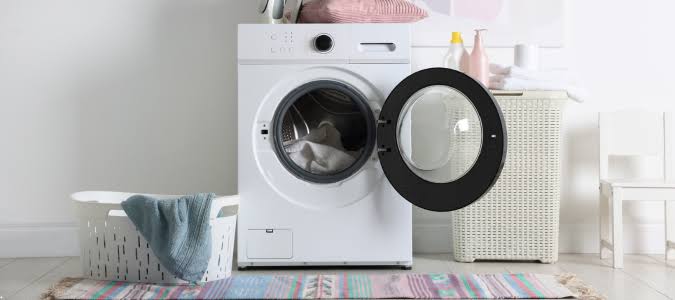
Appliance technicians often recommend a monthly “maintenance wash” using hot water and a washer cleaning tablet, even without a noticeable smell. This habit prevents buildup before it becomes a problem.
If you’ve cleaned every accessible part and the smell persists, that’s usually the signal to call an appliance professional or a plumber, depending on where the odor seems strongest.
Also Read:
- Why Workstation Sinks Are Becoming A Practical Upgrade For Property Investments
- Why Shame Blocks Growth
- Setting Shared Financial Goals
- How Useful is a PMP Certification for HR Professionals?
- The Digital First Impression Houston Companies Can’t Ignore
- 4 High-Tech Home Entertainment Amenities That Bring the Country Club Home
- Quality Meets Affordability in Lab Diamond Tennis Bracelets
- Should You Buy Lab Diamond Tennis Bracelets Now?
- How to Choose the Perfect Lab Diamond Jewelry for Yourself
- The Benefits and Perils of a Last-minute Wedding
- Do STIs Affect the Vaginal Microbiome?
- Why Self-Care is Crucial for Living Life to the Fullest
- Why Movement Science Is Vital for Fitness Coaches
- Fitting Clear Aligner Treatment Into A Fourteen Month Engagement
- Moving a Few Items? Why Small Moves Are Easy to Underestimate
- Top 6 Simple to Implement Barber Scheduling Software
- How Modern Businesses Combine Technology and Storage Solutions for Better Operations
- Why Investing In Quality Equipment Matters For Small Trade Businesses
- Protecting Digital Content from Piracy Across Multiple Platforms
- The B2B Repricing Decision Sellers Have to Make Before Every Bulk Order
- A Practical Guide to Earth Ground Resistance Testing for Electrical Safety
- QR Generator AI: Creating Smarter Connections Between Print and Digital
- Driver Behavior Monitoring: What Should Fleets Actually Track?
- Top 10 Contact Form Plugins
- The Fastest WordPress Theme
Frequently Asked Questions (FAQs)
Why does my washer smell like rotten eggs all of a sudden?
A sudden onset usually means a clogged drain filter, a buildup of bacteria, or sewer gas backing up through the drain hose.
Is it safe to use a washer that smells like rotten eggs?
Yes, it’s generally safe to use, though the smell can transfer to clothes and should be addressed with a cleaning cycle.
Can hard water cause a rotten egg smell in the washer?
Yes. Hard or well water often contains sulfur bacteria that intensify odors when combined with detergent residue.
How often should I clean my washing machine?
Most manufacturers recommend a deep cleaning cycle once a month to prevent bacteria and odor buildup.
Why does my front-load washer smell worse than a top-load washer?
Front-load washers have a rubber door gasket that traps moisture and lint, creating a more common breeding ground for bacteria.
Can vinegar remove the rotten egg smell from a washer?
Yes. Running a hot water cycle with white vinegar helps break down bacteria and residue causing the smell.
Where is the drain filter located on most washers?
It’s typically behind a small access panel at the bottom front of the machine.
Why does my washer smell like rotten eggs even after cleaning?
If the smell persists after cleaning, the cause may be a clogged sewer line or a water supply issue rather than the washer itself.
Can too much detergent cause a smell in the washer?
Yes. Excess detergent leaves residue that traps bacteria and worsens odor over time.
Should I leave the washer door open after each use?
Yes. Leaving the door open helps the interior dry fully and prevents bacteria from thriving in trapped moisture.
Is a rotten egg smell in the washer the same as a gas leak?
Not usually. A washer smell is typically localized, while a gas leak smell fills the entire home and needs immediate attention.
Can a clogged sewer vent cause washer odors?
Yes. A blocked vent pipe can prevent sewer gases from escaping properly, pushing the smell back through drains.
Does the smell mean my washer is broken?
No. In most cases, it’s a maintenance issue related to bacteria or buildup rather than a mechanical failure.
Can I use bleach instead of vinegar to clean my washer?
Yes, though vinegar is gentler on rubber seals, while bleach can be more effective for heavier bacterial buildup.
Why does only my washing machine water smell, not the tap water?
This usually points to bacteria or buildup specific to the washer rather than an issue with your home’s water supply.
How long does it take to fix a smelly washer?
A basic cleaning routine typically resolves the odor within one to two cycles, unless a plumbing issue is involved.
Can a washing machine cleaning tablet fix the smell?
Yes. Commercial cleaning tablets are designed to break down residue and bacteria that cause odors.
Why does my washer smell worse in summer?
Higher humidity and warmer temperatures accelerate bacterial growth, making odors more noticeable in summer months.
Can pets or stored laundry cause a rotten egg smell near the washer?
No, that specific smell is almost always tied to bacteria, plumbing, or water source issues rather than nearby items.
When should I call a professional about washer odor?
Call a professional if the smell persists after thorough cleaning, or if you suspect a sewer or gas-related issue.
Conclusion
A washer that smells like rotten eggs is almost always caused by bacteria feeding on trapped moisture, detergent residue, or buildup near the drain. Regular cleaning, proper drying between loads, and correct detergent use solve the vast majority of cases.
If the smell continues after a full cleaning routine, it’s worth checking your water source or calling a plumber to rule out a sewer-related issue. Addressing it early keeps both your washer and your laundry smelling fresh.