Why Am I Burping Eggs? Sulfur Burp Causes 2026

Why Am I Burping Eggs? That distinct rotten-egg smell during a burp has a real scientific explanation, not just an unlucky coincidence. It comes from hydrogen sulfide gas forming somewhere along your digestive tract.
Most people experience this occasionally, and it usually links back to something simple like diet. In other cases, it can point to a digestive condition worth looking into.
Why Am I Burping Eggs?

Egg-smelling burps, known as sulfur burps, happen when hydrogen sulfide gas builds up during digestion. Common causes include sulfur-rich foods, eating too fast, acid reflux, H. pylori infection, or digestive conditions like IBS.
What Are Sulfur Burps?
Sulfur burps are burps that carry a distinct rotten-egg smell instead of a neutral or odorless one. The smell comes specifically from hydrogen sulfide gas produced during digestion.
Most burps release odorless gases like nitrogen or carbon dioxide. Sulfur burps happen when digestion produces hydrogen sulfide instead, which has a much stronger, unpleasant odor.
How Common Are Sulfur Burps?
Burping itself is completely normal, occurring roughly 13 to 21 times a day for most people. Occasional sulfur burps fall within that normal range and usually aren’t a concern.
Frequent or persistent egg-smelling burps, especially more than a few times a week, are more likely tied to an underlying cause.
Common Causes of Egg-Smelling Burps
Below are the most frequent reasons hydrogen sulfide builds up and causes sulfur burps.
1. High-Sulfur Foods
Certain foods naturally contain more sulfur compounds than others. When your body breaks these down, hydrogen sulfide gas can form and escape through burping.
- Eggs, meat, and seafood
- Dairy products and milk
- Cruciferous vegetables like broccoli, cabbage, and Brussels sprouts
- Garlic, onions, and other aromatics
- Beer and wine
2. Eating Too Quickly
Eating fast, talking while eating, or gulping food increases the amount of swallowed air. This extra air mixes with digestive gases and can intensify burp odor.
Slowing down at meals is one of the simplest fixes for occasional sulfur burps.
3. Carbonated Beverages
Soda, sparkling water, and other carbonated drinks introduce extra gas directly into the stomach. This gas often needs to escape quickly, leading to more frequent burping overall.
Reducing carbonated drinks can noticeably cut down on both regular and sulfur-smelling burps.
4. Acid Reflux or GERD

Chronic acid reflux, also called GERD, can cause stomach acid and gas to rise into the esophagus. Since stomach acid itself can carry a sulfur-like smell, this often results in stronger-smelling burps.
Frequent heartburn alongside sulfur burps is a common combination worth mentioning to a doctor.
5. H. Pylori Bacterial Infection
H. pylori is a common stomach bacteria that can cause inflammation in the digestive lining. Infections are linked to frequent burping, bloating, and sulfur-smelling gas.
This infection is very common but doesn’t always cause noticeable symptoms in every person.
6. Irritable Bowel Syndrome (IBS)
IBS has been closely linked to higher hydrogen sulfide production in the gut. People with IBS often report more frequent bloating and sulfur burps as part of their symptoms.
Identifying personal trigger foods is a common first step in managing IBS-related burping.
7. Inflammatory Bowel Disease (IBD)
Conditions like Crohn’s disease and ulcerative colitis fall under IBD and can also raise hydrogen sulfide levels in the gut. These conditions typically come with additional symptoms beyond burping.
Persistent digestive symptoms alongside sulfur burps warrant a proper medical evaluation.
8. Certain Medications
Some medications, including specific antibiotics and weight-loss drugs, have been associated with sulfur burps as a side effect. This happens as the body processes and breaks down the medication.
If symptoms began after starting a new medication, that timing is worth mentioning to your prescribing doctor.
9. Stress
Stress can affect digestion speed and gut bacteria balance, which may contribute to gas buildup. This connection is less direct than diet but still recognized by gastroenterologists.
Managing stress through routine and relaxation techniques can sometimes reduce digestive symptoms overall.
Sulfur Burp Causes at a Glance
| Cause | Typical Trigger | How Common |
|---|---|---|
| High-sulfur foods | Eggs, meat, cruciferous vegetables | Very common |
| Eating too fast | Swallowed air during meals | Very common |
| Carbonated drinks | Soda, sparkling water | Common |
| Acid reflux (GERD) | Stomach acid rising into esophagus | Common |
| H. pylori infection | Bacterial infection in the stomach | Common |
| IBS | Gut bacteria imbalance | Moderate |
| IBD | Chronic digestive inflammation | Less common |
| Medications | Antibiotics, weight-loss drugs | Less common |
How to Get Rid of Sulfur Burps
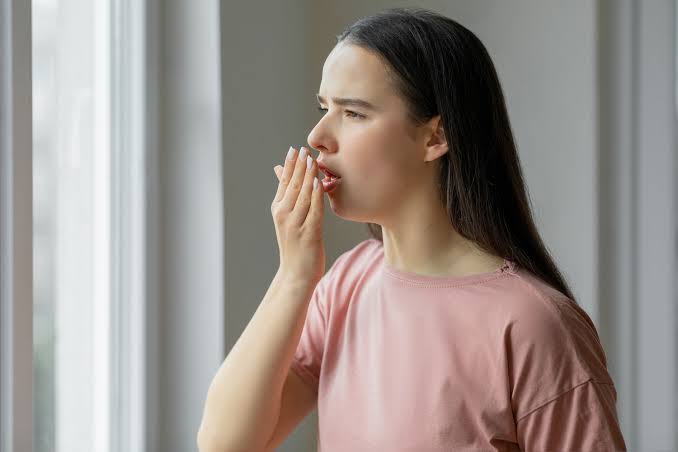
Most occasional sulfur burps respond well to simple lifestyle changes. Try these steps before assuming a deeper issue is involved.
- Eat more slowly and avoid talking while chewing.
- Cut back on carbonated beverages for a few days.
- Reduce high-sulfur foods temporarily to see if symptoms improve.
- Avoid chewing gum and sucking on hard candy, which increase swallowed air.
- Keep a simple food journal to spot patterns behind your burps.
When to See a Doctor
Occasional sulfur burps rarely need medical attention. Certain patterns, though, are worth discussing with a healthcare provider.
- Sulfur burps happening more than three times a week
- Burping paired with diarrhea, vomiting, or fever
- Unexplained weight loss alongside digestive symptoms
- Frequent heartburn along with sulfur-smelling burps
- Symptoms that don’t improve after dietary changes
Mistakes to Avoid
- Ignoring frequent sulfur burps paired with other GI symptoms.
- Assuming diet is always the cause without tracking patterns.
- Ruling out medication side effects without checking with a doctor.
- Overusing antacids without addressing the underlying cause.
Expert Insight
Gastroenterologists often recommend a short food journal before assuming a serious cause, since diet explains the majority of occasional cases. Sulfur-producing bacteria in the gut break down proteins, and pinpointing specific trigger foods is usually the fastest path to relief.
Also Read:
- Why Workstation Sinks Are Becoming A Practical Upgrade For Property Investments
- Why Shame Blocks Growth
- Setting Shared Financial Goals
- How Useful is a PMP Certification for HR Professionals?
- The Digital First Impression Houston Companies Can’t Ignore
- 4 High-Tech Home Entertainment Amenities That Bring the Country Club Home
- Quality Meets Affordability in Lab Diamond Tennis Bracelets
- Should You Buy Lab Diamond Tennis Bracelets Now?
- How to Choose the Perfect Lab Diamond Jewelry for Yourself
- The Benefits and Perils of a Last-minute Wedding
- Do STIs Affect the Vaginal Microbiome?
- Why Self-Care is Crucial for Living Life to the Fullest
- Why Movement Science Is Vital for Fitness Coaches
- Fitting Clear Aligner Treatment Into A Fourteen Month Engagement
- Moving a Few Items? Why Small Moves Are Easy to Underestimate
- Top 6 Simple to Implement Barber Scheduling Software
- How Modern Businesses Combine Technology and Storage Solutions for Better Operations
- Why Investing In Quality Equipment Matters For Small Trade Businesses
- Protecting Digital Content from Piracy Across Multiple Platforms
- The B2B Repricing Decision Sellers Have to Make Before Every Bulk Order
- A Practical Guide to Earth Ground Resistance Testing for Electrical Safety
- QR Generator AI: Creating Smarter Connections Between Print and Digital
- Driver Behavior Monitoring: What Should Fleets Actually Track?
- Top 10 Contact Form Plugins
- The Fastest WordPress Theme
Frequently Asked Questions (FAQs)
Why am I burping eggs after eating?
You’re likely digesting sulfur-rich foods like eggs, meat, or dairy, which produce hydrogen sulfide gas as they break down.
Are sulfur burps a sign of a serious problem?
Occasional sulfur burps are usually harmless. Frequent ones, especially with other symptoms, may signal an underlying digestive issue.
What foods cause egg-smelling burps?
Eggs, meat, dairy, cruciferous vegetables, garlic, onions, and beer are among the most common triggers.
Can stress cause sulfur burps?
Yes. Stress can affect digestion and gut bacteria balance, which may contribute to gas and burping.
Is H. pylori a common cause of sulfur burps?
Yes. H. pylori is a very common stomach bacteria linked to frequent burping, bloating, and sulfur-smelling gas.
How often is too often for sulfur burps?
More than three times a week is generally considered frequent enough to warrant a doctor’s visit.
Can acid reflux cause sulfur-smelling burps?
Yes. GERD can push stomach acid and gas upward, and stomach acid itself often carries a sulfur-like smell.
Do carbonated drinks make sulfur burps worse?
Yes. Carbonated beverages add extra gas to the stomach, which can increase burping frequency overall.
Can IBS cause sulfur burps?
Yes. IBS has been linked to higher hydrogen sulfide production in the gut, often paired with bloating.
Should I stop eating eggs if I keep burping sulfur?
Not necessarily. Try reducing sulfur-rich foods temporarily to see if symptoms improve before eliminating them entirely.
Can medications cause sulfur burps?
Yes. Certain antibiotics and weight-loss medications have been associated with sulfur burps as a side effect.
Is it normal to burp 20 times a day?
Yes. Burping between 13 and 21 times a day is considered a normal part of digestion for most people.
Can eating too fast really cause sulfur burps?
Yes. Eating quickly increases swallowed air, which can combine with digestive gases and worsen burp odor.
What is hydrogen sulfide gas?
It’s a gas produced during digestion that has a strong rotten-egg smell, responsible for the odor in sulfur burps.
Can sulfur burps be linked to food poisoning?
In some cases, yes, especially if paired with nausea, vomiting, or diarrhea after eating.
Does drinking alcohol cause sulfur burps?
Beer and wine contain sulfur compounds and can contribute to sulfur burps in some people.
Can a food journal help identify the cause?
Yes. Tracking meals and symptoms is one of the most effective ways to spot personal trigger foods.
Are sulfur burps more common in certain people?
They can be more common in people with digestive conditions like IBS, IBD, or chronic acid reflux.
Can probiotics help with sulfur burps?
Some people find gut-health support, including probiotics, helpful, though results vary and a doctor’s guidance is best.
When should sulfur burps be treated as an emergency?
They rarely require emergency care unless paired with severe pain, persistent vomiting, or signs of a serious infection.
Conclusion
Egg-smelling burps almost always trace back to hydrogen sulfide gas produced during normal digestion. Diet, eating habits, and carbonated drinks explain the majority of occasional cases.
Frequent sulfur burps paired with other digestive symptoms are worth discussing with a doctor, since conditions like GERD, H. pylori, or IBS can all play a role. Tracking your triggers is usually the fastest way to find relief.