Why My Tongue White? Common Causes and Treatments 2026
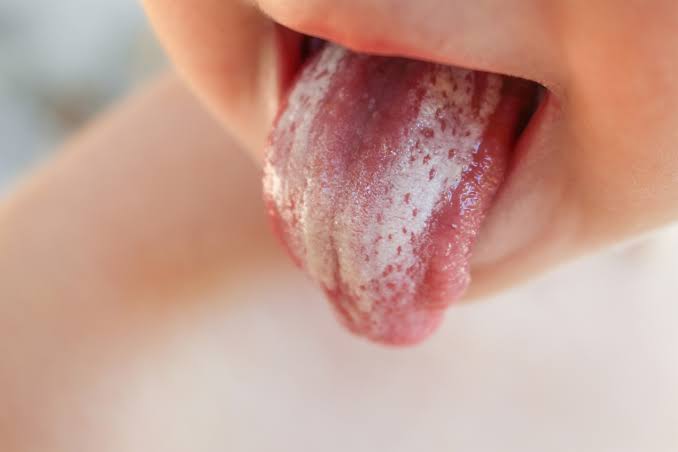
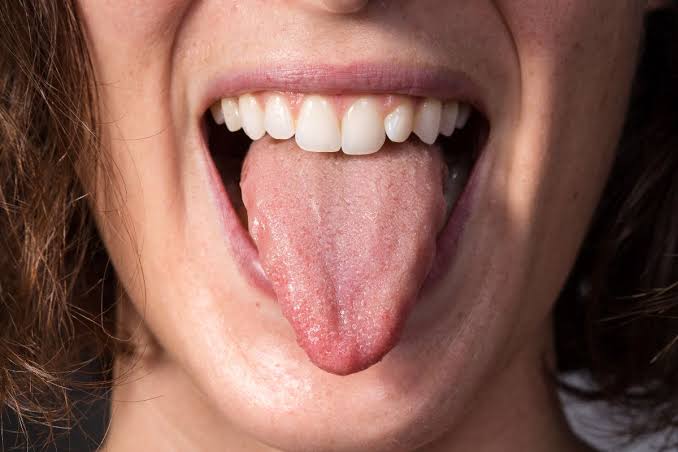
Why My Tongue White? Noticing a white coating on your tongue can be unsettling, especially if it appears suddenly. In most cases, the cause is simple and the outlook is good.
A white tongue usually comes from trapped bacteria, dead cells, and debris on the tiny bumps covering your tongue’s surface. Less often, it signals an infection or another condition that needs treatment.
Why My Tongue White?
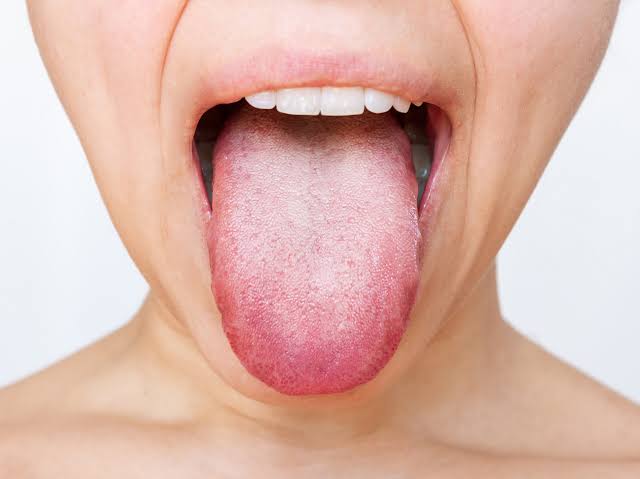
A white tongue is usually caused by poor oral hygiene, dry mouth, or dehydration trapping bacteria and debris on the tongue’s surface. Less common causes include oral thrush, leukoplakia, geographic tongue, or oral lichen planus.
What Causes a White Coating on the Tongue?
Your tongue’s surface is covered with small bumps called papillae. When these become inflamed or trap bacteria, food particles, and dead cells, they create a visible white layer.
Several everyday habits and health conditions can trigger this buildup.
Common Causes of a White Tongue
1. Poor Oral Hygiene
Many people brush their teeth daily but skip cleaning their tongue entirely. Bacteria and leftover food particles then build up on the tongue’s surface over time.
Adding tongue brushing or scraping to your daily routine often clears mild cases within days.
2. Dry Mouth
Saliva naturally washes away bacteria and keeps the mouth clean. When saliva production drops due to dehydration, mouth breathing, or certain medications, bacteria can build up faster.
This often leaves the tongue looking dry, white, and slightly coated.
3. Dehydration
Not drinking enough fluids reduces saliva flow and can lower your mouth’s natural defenses. This creates an easier environment for bacteria to accumulate on the tongue.
Increasing water intake throughout the day is one of the simplest fixes for this cause.
4. Tobacco and Alcohol Use
Smoking, chewing tobacco, and heavy alcohol use can irritate the tongue’s surface and disrupt its natural bacterial balance. Both habits also raise the risk of more serious oral conditions.
Reducing or quitting these habits often improves tongue appearance along with overall oral health.
5. Oral Thrush
Oral thrush is a fungal infection caused by an overgrowth of Candida yeast in the mouth. It typically appears as thick white patches on the tongue and inner cheeks.
This condition is more common in infants, older adults, and people with weakened immune systems.
6. Leukoplakia
Leukoplakia causes thick white patches to form on the tongue or inside the mouth, often linked to tobacco use or rough dental surfaces. While usually harmless, it should still be evaluated by a dentist.
In rare cases, leukoplakia can develop into something more serious if left unchecked.
7. Geographic Tongue
Geographic tongue creates smooth, map-like patches on the tongue, sometimes with white borders. It’s a harmless condition that may come and go over time.
It’s more common in people with eczema, psoriasis, or certain autoimmune conditions.
8. Oral Lichen Planus
Oral lichen planus is a chronic inflammatory condition that creates lacy white patches on the tongue, gums, and inner cheeks. It’s believed to be related to immune system activity.
Symptoms can include burning or discomfort, and a dentist can help manage flare-ups.
Common Causes at a Glance
| Cause | Typical Appearance | Usually Serious? |
|---|---|---|
| Poor oral hygiene | Thin white or yellowish coating | No |
| Dry mouth or dehydration | Dry, filmy white layer | No |
| Tobacco or alcohol use | Irritated, white coating | Can raise other risks |
| Oral thrush | Thick white patches | Needs treatment |
| Leukoplakia | Thick white patches | Needs evaluation |
| Geographic tongue | Map-like patches with white borders | No |
| Oral lichen planus | Lacy white pattern | Needs monitoring |
Home Remedies for a White Tongue
Mild cases often improve with simple changes to your oral care routine. Try these steps before assuming a more serious cause.
- Gently brush or scrape your tongue daily.
- Drink plenty of water throughout the day.
- Rinse with a warm salt water mouthwash.
- Cut back on tobacco and alcohol use.
- Avoid overly spicy foods if they seem to trigger irritation.
When to See a Dentist or Doctor
Most cases of white tongue clear up within a few weeks without treatment. Certain signs, though, mean it’s time to get checked.
- White patches that persist for more than two weeks
- Pain, swelling, or difficulty swallowing
- Patches that don’t scrape off easily
- Unexplained changes in taste
- A history of tobacco or heavy alcohol use alongside the discoloration
Mistakes to Avoid
- Ignoring persistent white patches that don’t improve with hygiene changes.
- Scrubbing the tongue too hard, which can cause irritation.
- Assuming every white tongue case is caused by poor hygiene alone.
- Delaying a dental visit when symptoms include pain or swallowing difficulty.
Expert Tips
Dentists often recommend using a dedicated tongue scraper rather than only a toothbrush, since it removes buildup more effectively. Pairing this with proper hydration usually resolves mild cases quickly.
If home care doesn’t help within two weeks, a dental exam can confirm the exact cause and rule out anything requiring treatment.
Also Read:
- Why Workstation Sinks Are Becoming A Practical Upgrade For Property Investments
- Why Shame Blocks Growth
- Setting Shared Financial Goals
- How Useful is a PMP Certification for HR Professionals?
- The Digital First Impression Houston Companies Can’t Ignore
- 4 High-Tech Home Entertainment Amenities That Bring the Country Club Home
- Quality Meets Affordability in Lab Diamond Tennis Bracelets
- Should You Buy Lab Diamond Tennis Bracelets Now?
- How to Choose the Perfect Lab Diamond Jewelry for Yourself
- The Benefits and Perils of a Last-minute Wedding
- Do STIs Affect the Vaginal Microbiome?
- Why Self-Care is Crucial for Living Life to the Fullest
- Why Movement Science Is Vital for Fitness Coaches
- Fitting Clear Aligner Treatment Into A Fourteen Month Engagement
- Moving a Few Items? Why Small Moves Are Easy to Underestimate
- Top 6 Simple to Implement Barber Scheduling Software
- How Modern Businesses Combine Technology and Storage Solutions for Better Operations
- Why Investing In Quality Equipment Matters For Small Trade Businesses
- Protecting Digital Content from Piracy Across Multiple Platforms
- The B2B Repricing Decision Sellers Have to Make Before Every Bulk Order
- A Practical Guide to Earth Ground Resistance Testing for Electrical Safety
- QR Generator AI: Creating Smarter Connections Between Print and Digital
- Driver Behavior Monitoring: What Should Fleets Actually Track?
- Top 10 Contact Form Plugins
- The Fastest WordPress Theme
Frequently Asked Questions (FAQs)
Why is my tongue white all of a sudden?
A sudden white tongue is often linked to dehydration, dry mouth, or a temporary buildup of bacteria and debris.
Is a white tongue always serious?
No. Most cases are mild and clear up on their own with better hydration and oral hygiene.
Can dehydration cause a white tongue?
Yes. Reduced fluid intake lowers saliva production, which can allow bacteria to build up on the tongue’s surface.
What does oral thrush look like on the tongue?
Oral thrush usually appears as thick, white patches on the tongue and inner cheeks.
Can smoking cause a white tongue?
Yes. Tobacco use can irritate the tongue and disrupt its natural bacterial balance, leading to a white coating.
How long does a white tongue usually last?
Mild cases often clear up within a few weeks with proper hygiene and hydration.
Should I use a tongue scraper every day?
Yes. Daily tongue scraping or brushing helps prevent buildup that leads to a white coating.
Can a white tongue be a sign of leukoplakia?
Yes. Leukoplakia can cause thick white patches, especially in people who use tobacco.
Is geographic tongue dangerous?
No. Geographic tongue is a harmless condition, though it should still be evaluated if new or concerning.
Can stress cause a white tongue?
Stress itself doesn’t directly cause white tongue, but it can contribute to dry mouth, which is a common trigger.
When should I see a dentist about a white tongue?
See a dentist if the coating lasts more than two weeks, causes pain, or doesn’t improve with better hygiene.
Can white tongue be linked to a vitamin deficiency?
In some cases, tongue changes are linked to nutritional deficiencies, so a doctor’s evaluation can help clarify the cause.
Does drinking water help clear a white tongue?
Yes. Staying hydrated supports healthy saliva production, which naturally helps clean the tongue’s surface.
Can antibiotics cause a white tongue?
Yes. Some antibiotics can disrupt the natural balance of bacteria and yeast in the mouth, contributing to a white coating.
Is white tongue contagious?
No. Most causes of white tongue, including poor hygiene and dry mouth, are not contagious.
Can a white tongue affect taste?
Yes. A thick coating can sometimes dull taste sensation until the buildup is addressed.
What’s the difference between white tongue and oral thrush?
White tongue is a general symptom, while oral thrush is a specific fungal infection that often requires antifungal treatment.
Can babies get a white tongue?
Yes. Oral thrush is relatively common in infants and should be evaluated by a pediatrician.
Does mouthwash help with a white tongue?
A gentle salt water rinse can help, though harsh alcohol-based mouthwashes may sometimes worsen dryness.
Can a white tongue come back after treatment?
Yes, especially if underlying habits like dehydration or poor hygiene aren’t addressed long term.
Conclusion
A white tongue is usually a simple, temporary issue tied to hygiene, hydration, or minor irritation. Better tongue cleaning and consistent water intake resolve the majority of cases within a couple of weeks.
Persistent white patches, pain, or discomfort are signs it’s time for a dental evaluation rather than more home remedies. Catching the cause early makes treatment simpler and faster.