Why Do Dogs Scoot on Their Butt? Causes & Treatment 2026
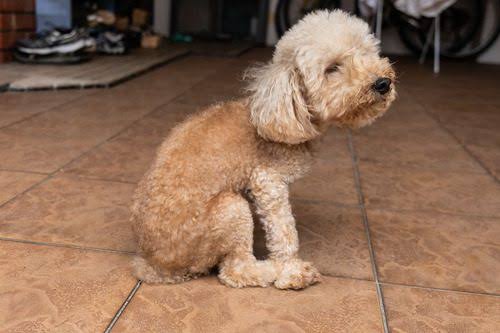
Why Do Dogs Scoot on Their Butt? Watching a dog drag its rear end across the floor can be funny at first glance, but it’s almost always a sign of discomfort. This behavior, known as scooting, is your dog’s way of trying to relieve itching or pain.
The most common trigger is full or irritated anal glands, though several other conditions can cause the same behavior. Some causes are minor, while others need a vet’s attention.
Why Do Dogs Scoot On Their Butt?
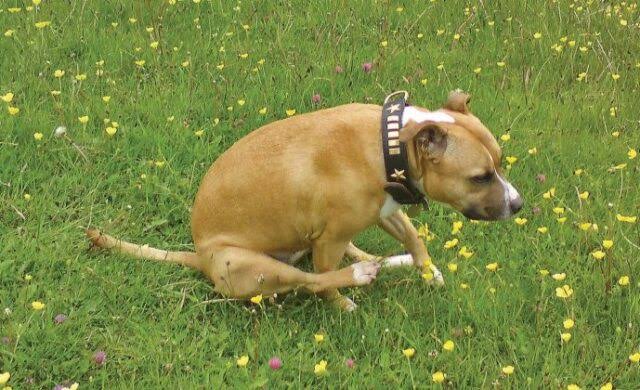
Dogs scoot their butts mainly due to irritated or impacted anal glands, along with other causes like intestinal parasites, allergies, or skin irritation. Persistent or frequent scooting is worth a veterinary check to rule out infection or a more serious issue.
What Is Dog Scooting?
Scooting is when a dog drags its bottom along the floor or carpet while in a seated position. It’s a physical response to itching, pressure, or pain around the anal area.
While it can look amusing, veterinarians consider scooting a clear signal that something needs attention.
Common Causes of Dog Scooting
1. Anal Gland Problems
Anal glands are small sacs located on either side of a dog’s anus that release scent-marking fluid during bowel movements. When these glands don’t empty properly, they can become impacted, swollen, or infected.
This is the most common cause of scooting, and it often comes with a strong, fishy odor.
2. Intestinal Parasites
Parasites like tapeworms can cause intense itching around the anus as segments pass through in the stool. Dogs often scoot in an attempt to relieve that itching sensation.
Tapeworm segments sometimes appear as small, rice-like grains in the fur or bedding.
3. Food Allergies
Food allergies frequently cause skin irritation and itching throughout the body, including around the anal area. Certain proteins, grains, or additives in commercial dog food are common triggers.
Scooting linked to food allergies often comes with other symptoms like paw licking or ear infections.
4. Environmental Allergies
Pollen, dust mites, and other environmental allergens can also cause itching and discomfort near the anus. This is more common during specific seasons when allergens are more present outdoors.
Environmental allergy-related scooting often overlaps with general itchiness elsewhere on the body.
5. Fecal Matter or Fur Matting
Leftover fecal matter stuck in the fur can cause irritation, especially in long-haired or stocky breeds. Matted fur around the rear end traps moisture and debris, making the area itchy.
Scooting in these cases is often the dog’s way of trying to clean itself.
6. Skin Infections or Abscesses
An anal gland infection can progress into a painful abscess if left untreated. This often causes swelling, redness, and noticeable discomfort during bowel movements.
Infections typically require veterinary treatment, including antibiotics or drainage in more severe cases.
Breeds More Prone to Scooting
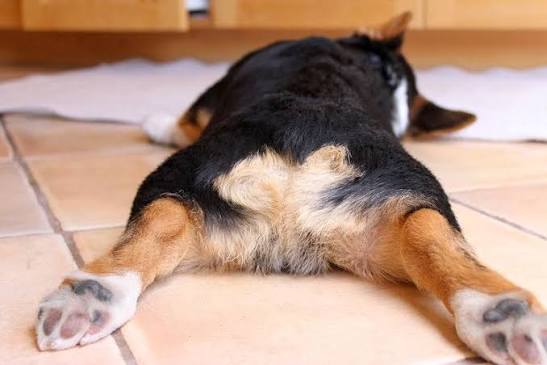
Certain breeds are more likely to experience scooting due to body shape, coat type, or skin sensitivity.
- Bulldogs, due to skin folds prone to irritation
- Chihuahuas, due to smaller anal gland ducts
- Poodles, due to long, curly coats that trap debris
- Pugs, due to compact body shape and skin sensitivity
Common Causes at a Glance
| Cause | Typical Signs | Needs Vet Visit? |
|---|---|---|
| Anal gland issues | Fishy odor, licking, swelling | Often, especially if recurring |
| Intestinal parasites | Rice-like segments, itching | Yes |
| Food allergies | Skin irritation, ear infections | Yes, for diagnosis |
| Environmental allergies | Seasonal itching | Sometimes |
| Fecal matting | Visible debris in fur | Usually not, unless persistent |
| Infection or abscess | Swelling, pain, discharge | Yes, promptly |
How to Help a Scooting Dog at Home
Some mild cases can be managed with simple home care while you monitor for improvement. These steps work best for occasional, non-severe scooting.
- Keep your dog’s rear end clean and trimmed if long-haired.
- Add fiber to their diet to support natural anal gland expression.
- Check for visible signs of parasites or matted fur.
- Ask your vet about supplements that support healthy anal gland function.
- Maintain regular flea and parasite prevention treatments.
When to See a Veterinarian
Occasional scooting isn’t always an emergency, but certain signs call for a vet visit. Catching problems early prevents more serious complications.
- Scooting that continues for more than a day or two
- Visible swelling, redness, or discharge near the anus
- A strong, persistent foul odor
- Signs of pain when sitting or during bowel movements
- Visible parasites or blood in the stool
Mistakes to Avoid
- Ignoring frequent scooting as “just a habit.”
- Attempting to express anal glands yourself without proper guidance.
- Skipping regular parasite prevention treatments.
- Assuming all scooting cases are the same without checking for other symptoms.
Expert Tips
Veterinarians often recommend keeping a simple log of when scooting happens and any accompanying symptoms. This makes it easier to identify patterns tied to diet, parasites, or allergies during a vet visit.
Routine anal gland checks during regular vet visits can catch impaction issues before they progress to infection.
Also Read:
- Why Workstation Sinks Are Becoming A Practical Upgrade For Property Investments
- Why Shame Blocks Growth
- Setting Shared Financial Goals
- How Useful is a PMP Certification for HR Professionals?
- The Digital First Impression Houston Companies Can’t Ignore
- 4 High-Tech Home Entertainment Amenities That Bring the Country Club Home
- Quality Meets Affordability in Lab Diamond Tennis Bracelets
- Should You Buy Lab Diamond Tennis Bracelets Now?
- How to Choose the Perfect Lab Diamond Jewelry for Yourself
- The Benefits and Perils of a Last-minute Wedding
- Do STIs Affect the Vaginal Microbiome?
- Why Self-Care is Crucial for Living Life to the Fullest
- Why Movement Science Is Vital for Fitness Coaches
- Fitting Clear Aligner Treatment Into A Fourteen Month Engagement
- Moving a Few Items? Why Small Moves Are Easy to Underestimate
- Top 6 Simple to Implement Barber Scheduling Software
- How Modern Businesses Combine Technology and Storage Solutions for Better Operations
- Why Investing In Quality Equipment Matters For Small Trade Businesses
- Protecting Digital Content from Piracy Across Multiple Platforms
- The B2B Repricing Decision Sellers Have to Make Before Every Bulk Order
- A Practical Guide to Earth Ground Resistance Testing for Electrical Safety
- QR Generator AI: Creating Smarter Connections Between Print and Digital
- Driver Behavior Monitoring: What Should Fleets Actually Track?
- Top 10 Contact Form Plugins
- The Fastest WordPress Theme
Frequently Asked Questions (FAQs)
Why do dogs scoot on their butt?
Dogs scoot mainly due to irritated or impacted anal glands, though parasites, allergies, and skin irritation are also common causes.
Is dog scooting always serious?
Not always. Occasional scooting can be minor, but frequent or persistent scooting should be checked by a vet.
What does a fishy smell during scooting mean?
A fishy odor usually points to anal gland fluid, which is a common sign of anal gland irritation or impaction.
Can worms cause a dog to scoot?
Yes. Intestinal parasites like tapeworms can cause itching around the anus, leading to scooting behavior.
Should I express my dog’s anal glands myself?
It’s best to have a veterinarian or professional groomer handle this to avoid injury or discomfort to your dog.
Can food allergies cause scooting?
Yes. Food allergies often cause skin irritation and itching, including around the anal area.
How often should anal glands be expressed?
Most dogs express their glands naturally during bowel movements and don’t need manual expression unless there’s a problem.
What breeds scoot the most?
Smaller and stockier breeds like Bulldogs, Chihuahuas, Pugs, and Poodles are more prone to scooting.
Can scooting lead to an infection if untreated?
Yes. Ongoing anal gland impaction can progress into a painful infection or abscess if not addressed.
Is scooting linked to diet?
Yes. Diet can affect stool consistency, which influences how well anal glands empty naturally.
Can grooming help prevent scooting?
Yes. Keeping the rear end clean and trimmed, especially in long-haired breeds, can reduce fecal matting and irritation.
When should I take my dog to the vet for scooting?
See a vet if scooting continues for more than a day or two, or if you notice swelling, odor, or discomfort.
Can allergies other than food cause scooting?
Yes. Environmental allergens like pollen and dust mites can also trigger itching that leads to scooting.
Does scooting always mean anal gland problems?
No. While common, scooting can also result from parasites, allergies, or skin infections.
Can puppies scoot too?
Yes. Puppies can scoot due to parasites, irritation, or developing anal gland issues, just like adult dogs.
Is scooting painful for dogs?
It can be, especially if caused by impaction, infection, or an abscess rather than simple itching.
Can fiber in the diet help with scooting?
Yes. Added fiber can support firmer stools, which helps anal glands express naturally during bowel movements.
Do all dogs need anal gland supplements?
No. Supplements are typically recommended only for dogs with recurring anal gland issues, based on a vet’s advice.
Can scooting be a sign of a tumor?
In rare cases, yes. Persistent or unusual scooting should be evaluated by a vet to rule out serious causes.
How is the cause of scooting diagnosed?
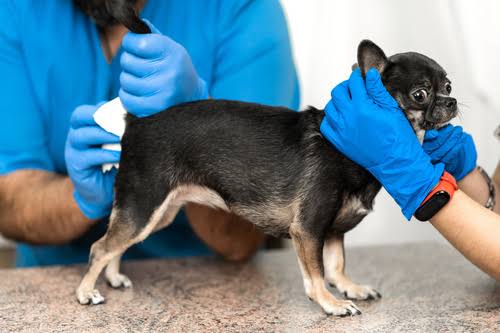
A vet typically performs a physical exam, checks the anal glands, and may run a fecal test to identify the cause.
Conclusion
Scooting is a dog’s clear signal that something around their rear end feels off, most often tied to anal gland issues. Parasites, allergies, and skin irritation round out the other common causes worth ruling out.
Occasional scooting can often be managed with simple home care, but frequent or persistent scooting deserves a veterinary visit. Addressing the root cause early keeps your dog comfortable and helps prevent complications like infection.