Why Do You Look For The Living Among The Dead? Meaning Explained 2026
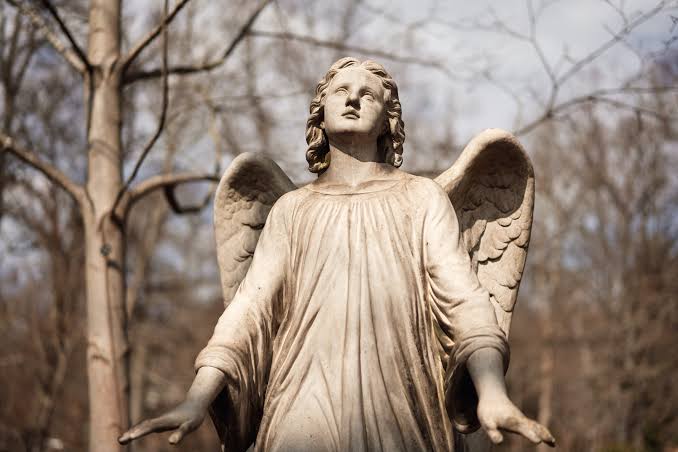
Why Do You Look For The Living Among The Dead? This question appears at one of the most pivotal moments in the New Testament, spoken at the empty tomb on the first Easter morning. It’s short, direct, and has puzzled and inspired readers for centuries.
The line comes from Luke 24:5, when two men in dazzling clothes meet a group of grieving women who expected to find a body. Instead, they find an empty tomb and a question that changes everything.
Why Do You Look For The Living Among The Dead?
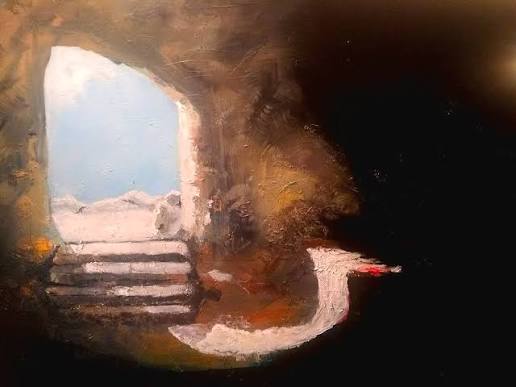
“Why do you look for the living among the dead?” is spoken by angels in Luke 24:5 to women who came to anoint Jesus’ body. It announces that Jesus has risen and is no longer among the dead, so seeking Him in a tomb no longer makes sense.
Where This Verse Comes From
The question appears in the Gospel of Luke, chapter 24, verse 5. It’s part of the resurrection narrative describing the first Easter Sunday morning.
Different Bible translations phrase the verse slightly differently, but the meaning stays consistent across versions like the NIV, KJV, and NLT.
The Full Context of Luke 24:5
Understanding the question requires knowing what happened just before it was asked. The setting is the tomb of Jesus shortly after His crucifixion and burial.
- Several women, including Mary Magdalene, go to the tomb at dawn to anoint Jesus’ body with spices.
- They arrive to find the stone rolled away from the tomb’s entrance.
- The body of Jesus is missing, leaving the women confused and afraid.
- Two men in shining clothes suddenly appear beside them.
- The men ask why they are looking for the living among the dead.
- They then explain that Jesus has risen, just as He had told them earlier.
Who Were the “Two Men” at the Tomb?
The Gospel of Luke describes them simply as two men in clothes that gleamed like lightning. Other Gospel accounts and church tradition identify them as angels.
Their appearance and message mark them as heavenly messengers announcing the resurrection rather than ordinary witnesses.
What the Question Really Means
The angels’ question isn’t really asking for information. It’s a gentle but pointed correction of the women’s assumption that Jesus was still dead.
Jesus had already told His followers, while still in Galilee, that He would be crucified and rise again on the third day. The question reminds the women of that promise.
Why the Women Were Looking in the Tomb
The women came prepared to care for a dead body, following normal burial customs of the time. Their intention was respectful and expected, not a mistake in judgment.
Their confusion makes sense given what they had witnessed: a public execution, a sealed tomb, and no reason yet to expect anything different.
Symbolic Meaning Behind the Question
Many teachers and theologians read the verse as more than a historical detail. It’s often treated as a broader spiritual challenge that applies beyond the original scene.
| Literal Meaning | Symbolic Meaning |
|---|---|
| Jesus’ body is not in the tomb | Life cannot be found in dead ends |
| The women expected a corpse | People often expect defeat instead of hope |
| The angels announce the resurrection | New life replaces old assumptions |
| The tomb is empty | Seeking fulfillment in the wrong places is empty too |
How This Verse Is Used in Sermons Today
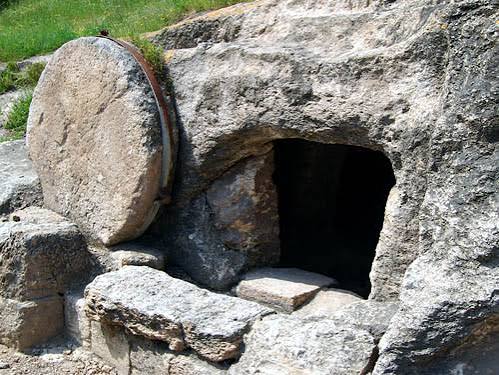
Pastors frequently use this verse to challenge congregations to examine where they search for meaning, purpose, or hope. The phrase becomes a metaphor for looking for life in places that can’t provide it.
Common applications include material wealth, personal achievement, or old patterns of thinking that no longer serve a person’s growth.
Why This Moment Matters in the Easter Story
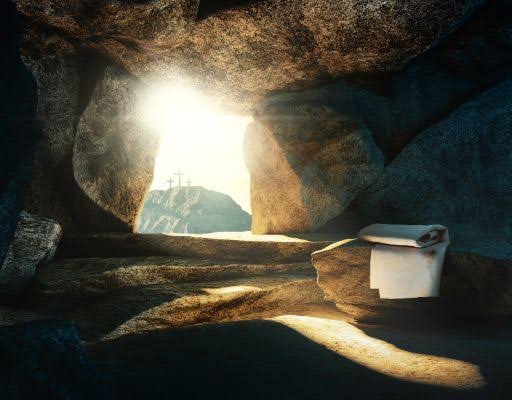
Luke 24:5 sits at the emotional turning point of the entire Gospel narrative. It shifts the story from mourning and confusion into the central Christian claim of resurrection.
The verse also highlights that women were the first witnesses to this event, a detail scholars note as significant given the culture of that era.
Common Interpretations by Denomination
Christian traditions largely agree on the core meaning, though emphasis can differ slightly. Protestant sermons often focus on personal transformation and hope, while Catholic teaching frequently ties the verse to the broader theology of resurrection and new life.
Both traditions treat the verse as central evidence of Christ’s resurrection rather than a minor narrative detail.
Key Takeaways
- The question is spoken by two men, understood to be angels, at Jesus’ empty tomb.
- It appears in Luke 24:5, immediately after the women discover the tomb is empty.
- The core message is that Jesus has risen and is no longer among the dead.
- The phrase is often used symbolically to describe searching for hope in the wrong places.
- It marks a major turning point in the Easter resurrection narrative.
Also Read:
- Why Workstation Sinks Are Becoming A Practical Upgrade For Property Investments
- Why Shame Blocks Growth
- Setting Shared Financial Goals
- How Useful is a PMP Certification for HR Professionals?
- The Digital First Impression Houston Companies Can’t Ignore
- 4 High-Tech Home Entertainment Amenities That Bring the Country Club Home
- Quality Meets Affordability in Lab Diamond Tennis Bracelets
- Should You Buy Lab Diamond Tennis Bracelets Now?
- How to Choose the Perfect Lab Diamond Jewelry for Yourself
- The Benefits and Perils of a Last-minute Wedding
- Do STIs Affect the Vaginal Microbiome?
- Why Self-Care is Crucial for Living Life to the Fullest
- Why Movement Science Is Vital for Fitness Coaches
- Fitting Clear Aligner Treatment Into A Fourteen Month Engagement
- Moving a Few Items? Why Small Moves Are Easy to Underestimate
- Top 6 Simple to Implement Barber Scheduling Software
- How Modern Businesses Combine Technology and Storage Solutions for Better Operations
- Why Investing In Quality Equipment Matters For Small Trade Businesses
- Protecting Digital Content from Piracy Across Multiple Platforms
- The B2B Repricing Decision Sellers Have to Make Before Every Bulk Order
- A Practical Guide to Earth Ground Resistance Testing for Electrical Safety
- QR Generator AI: Creating Smarter Connections Between Print and Digital
- Driver Behavior Monitoring: What Should Fleets Actually Track?
- Top 10 Contact Form Plugins
- The Fastest WordPress Theme
Frequently Asked Questions (FAQs)
Why do you look for the living among the dead mean?
It means Jesus is no longer among the dead because He has risen, so searching for Him in a tomb no longer makes sense.
Where is this verse found in the Bible?
It’s found in Luke 24:5, part of the resurrection account on the first Easter morning.
Who said “why do you look for the living among the dead”?
Two men in dazzling clothes, widely understood to be angels, spoke this question to the women at the tomb.
Who were the women at the tomb?
The women included Mary Magdalene and others who came to anoint Jesus’ body with burial spices.
Why did the women go to the tomb?
They went to complete traditional burial customs by anointing Jesus’ body, unaware He had already risen.
What happened right after the angels asked this question?
The angels reminded the women that Jesus had predicted His death and resurrection while still in Galilee.
Is this verse the same in every Bible translation?
The wording varies slightly between translations like the NIV, KJV, and NLT, but the meaning remains consistent.
What is the symbolic meaning of this verse?
Many teachers use it to describe searching for hope, purpose, or fulfillment in places that can’t provide lasting life.
Why is it significant that women were the first witnesses?
In that era, women’s testimony carried little legal weight, making their role as first witnesses a notable historical detail.
What does this verse teach about faith?
It challenges readers to shift their focus from despair and dead ends toward hope and resurrection.
Is Luke 24:5 connected to Easter Sunday?
Yes. The verse describes the discovery of the empty tomb, which is central to the Easter resurrection story.
How is this verse used in modern sermons?
Pastors often use it to encourage people to stop seeking meaning in things that cannot truly satisfy them.
What tomb is being referred to in this verse?
It refers to the tomb where Jesus’ body was placed after His crucifixion and burial.
Why were the women afraid at the tomb?
They were startled by the sudden appearance of two radiant figures and the unexpected discovery of an empty tomb.
Does this verse appear in other Gospels too?
Similar accounts of the empty tomb appear in Matthew, Mark, and John, though the exact wording differs.
What does “gleamed like lightning” describe?
It describes the appearance of the two men’s clothing, signaling their heavenly and supernatural nature.
Why does this verse matter in Christian theology?
It serves as key textual support for the resurrection, a foundational belief in Christian faith.
Can this verse apply to everyday life?
Yes. Many use it as a reminder to stop looking for lasting fulfillment in temporary or empty pursuits.
What did Jesus predict before His crucifixion?
He told His followers in Galilee that He would be crucified and rise again on the third day.
Why is the tomb empty in this passage?
The tomb is empty because Jesus had already risen from the dead before the women arrived.
Conclusion
The question “why do you look for the living among the dead” marks one of the most meaningful turning points in the Easter story. It moves the narrative from grief and confusion into the central Christian message of resurrection and hope.
Beyond its historical setting, the verse continues to resonate as a challenge to examine where people search for meaning and life. For many readers, it remains a timeless reminder to look forward rather than backward.